

By the Hikesity Editorial Team — Victoria, BC
You've probably noticed the warning buried in the care instructions of your insulated bottle: do not use with carbonated beverages. It seems strange — the bottle keeps drinks ice cold for hours, so why can't one of those drinks be a sparkling water or a cold beer? The answer comes down to physics and one small piece of engineering most bottles don't have. Here's exactly what's going on, and how a no-screw bottle with a pressure-release valve solves it.
Quick answer: Most traditional screw-top insulated bottles aren't built for carbonated drinks. The clearest case is Yeti: its own Rambler FAQ states that Rambler Bottles "are not intended for use with carbonated beverages," because pressure buildup can make the cap difficult to remove — or cause it to forcefully eject and cause injury. Other brands, including Hydro Flask, do permit carbonation but rely on a sealed cap, which means the standard advice applies: leave headspace, and open slowly.
A sealed screw cap traps the CO₂ that fizzy drinks release, so pressure builds until the cap is hard to open or can forcefully eject.
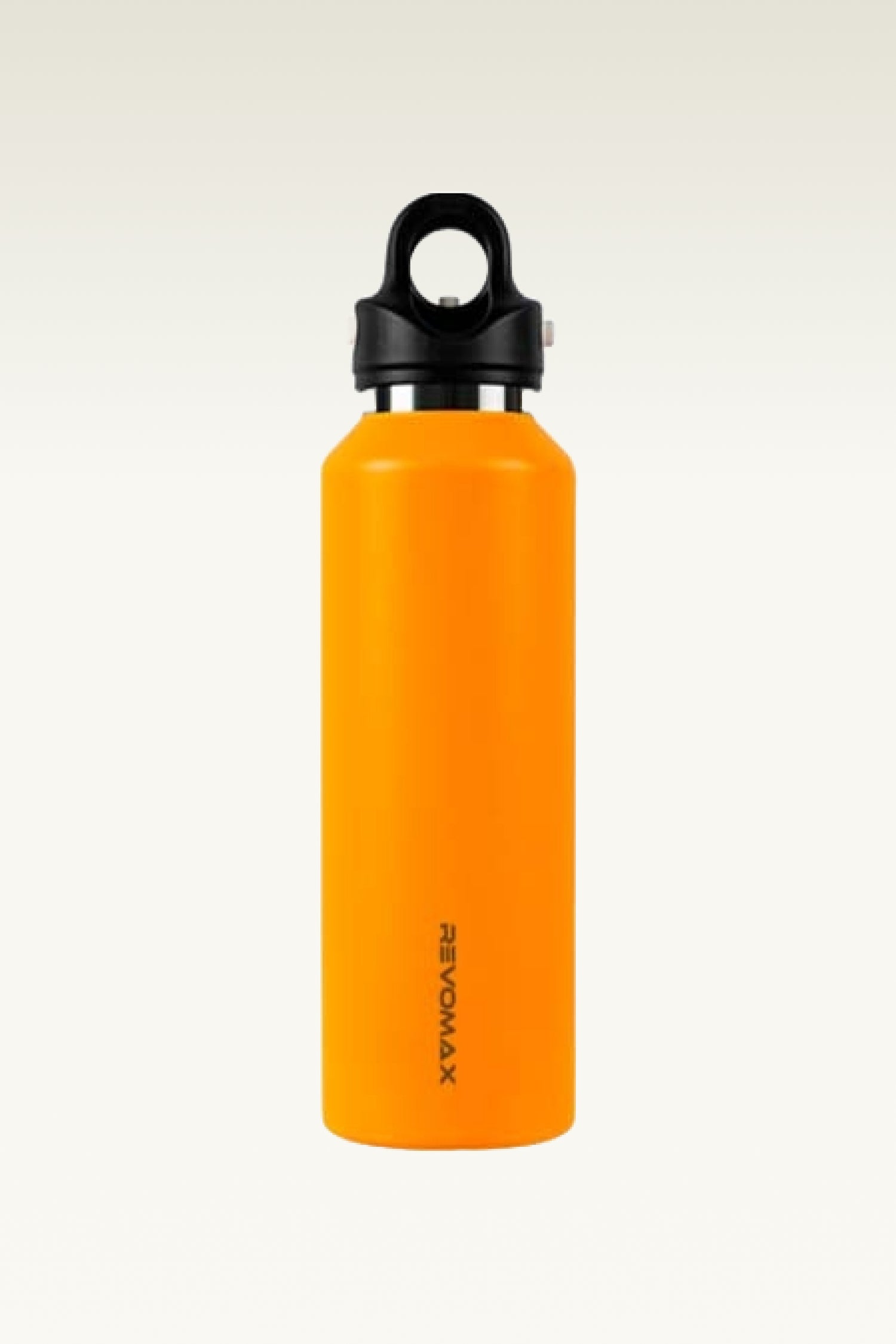
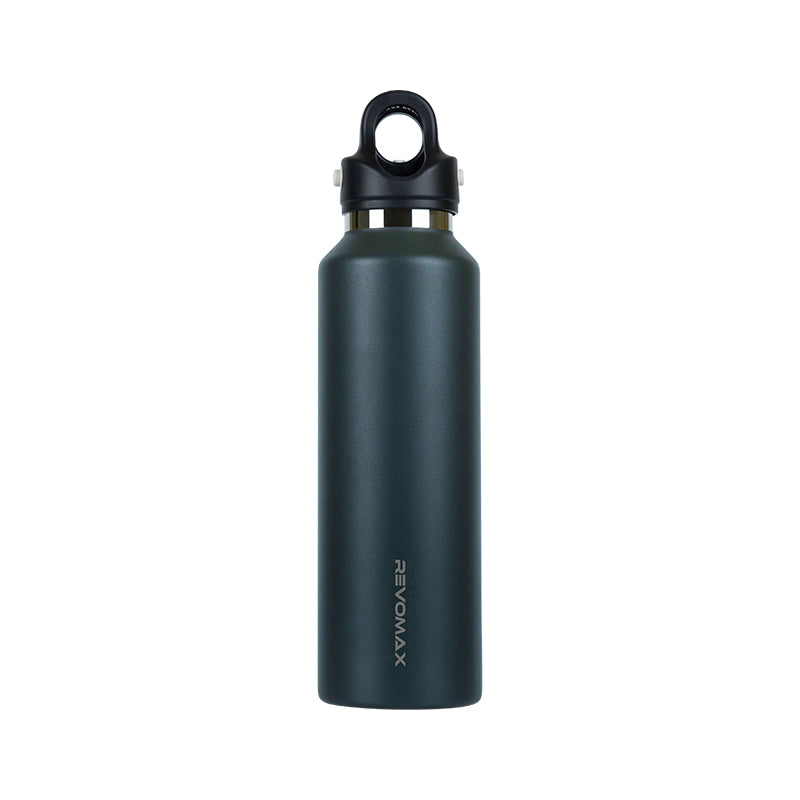
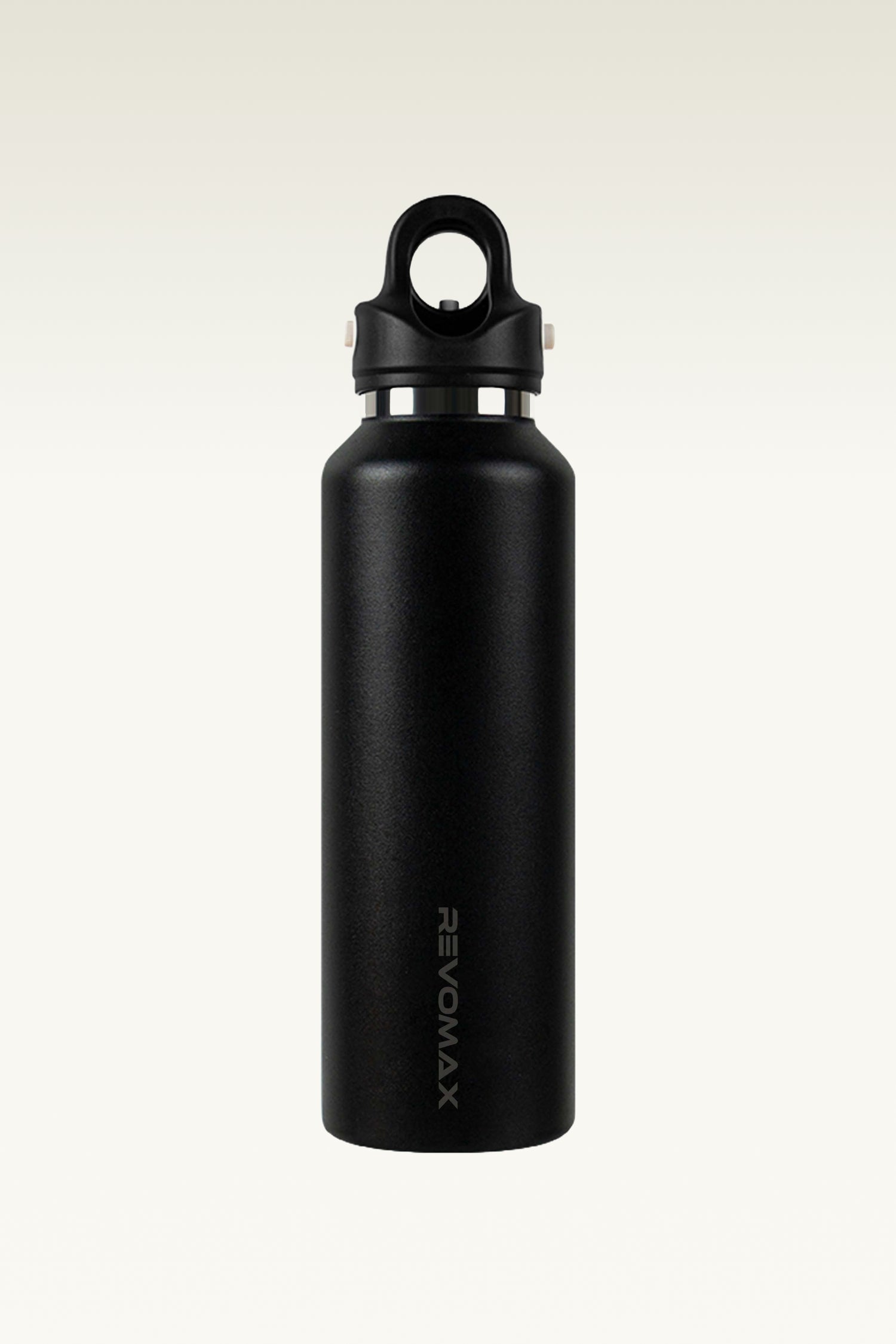
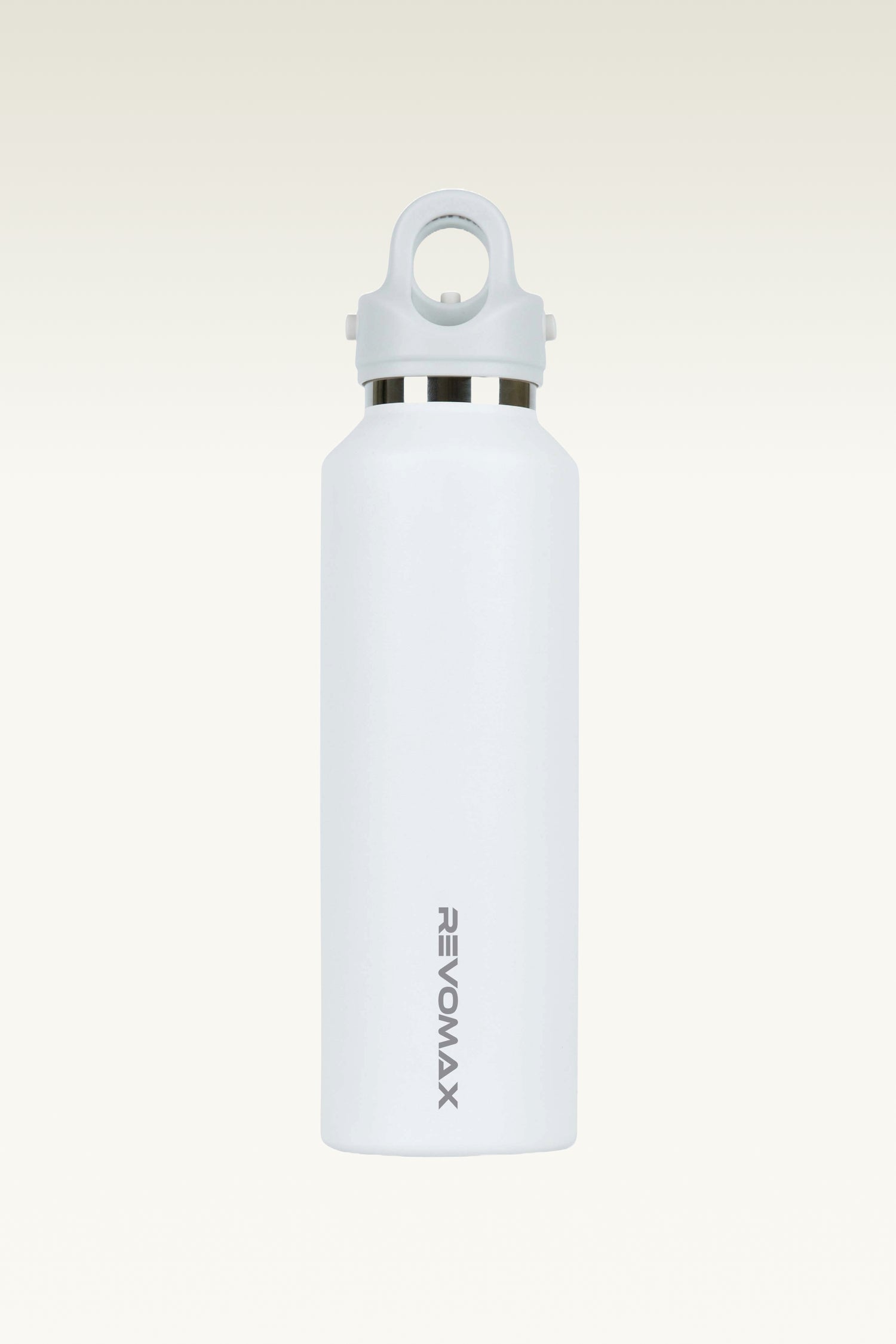
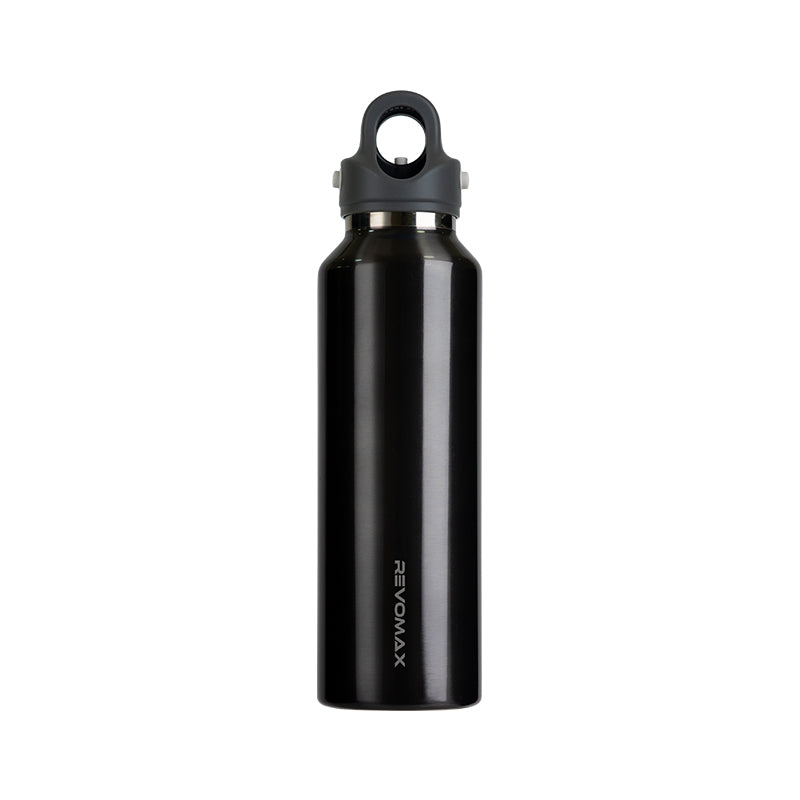
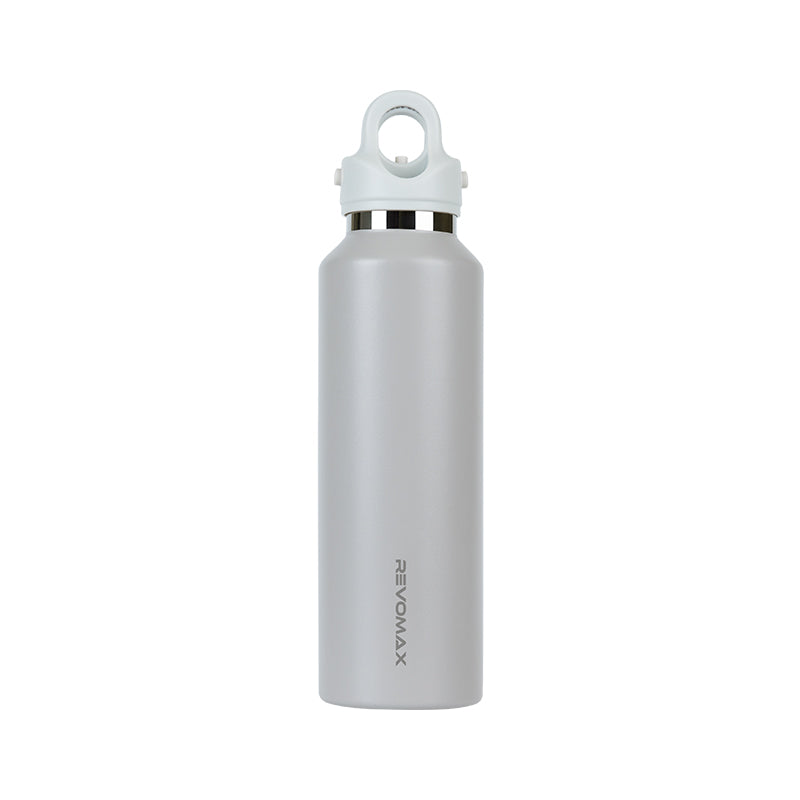
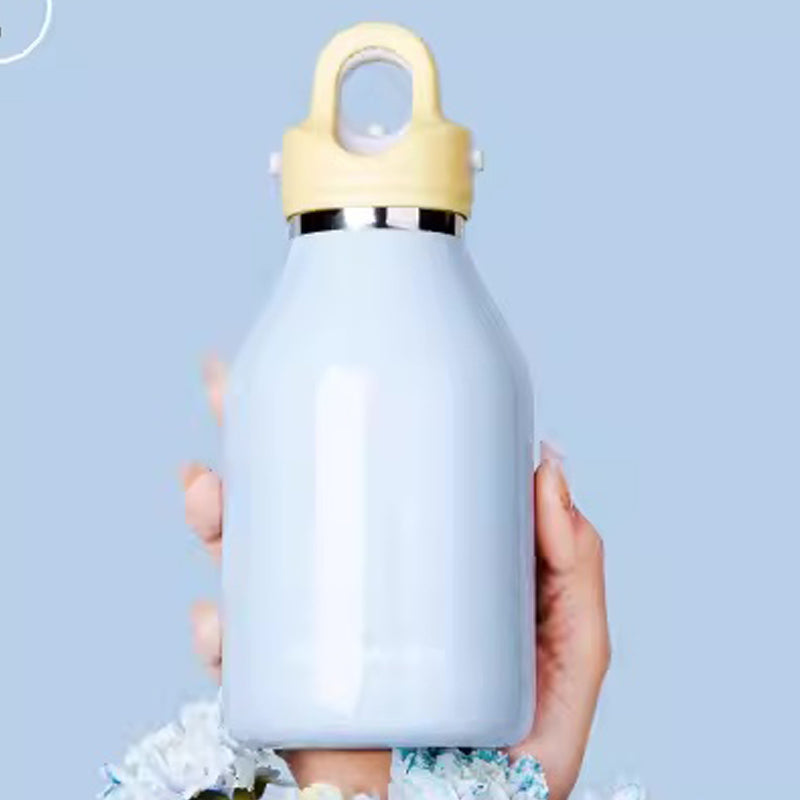
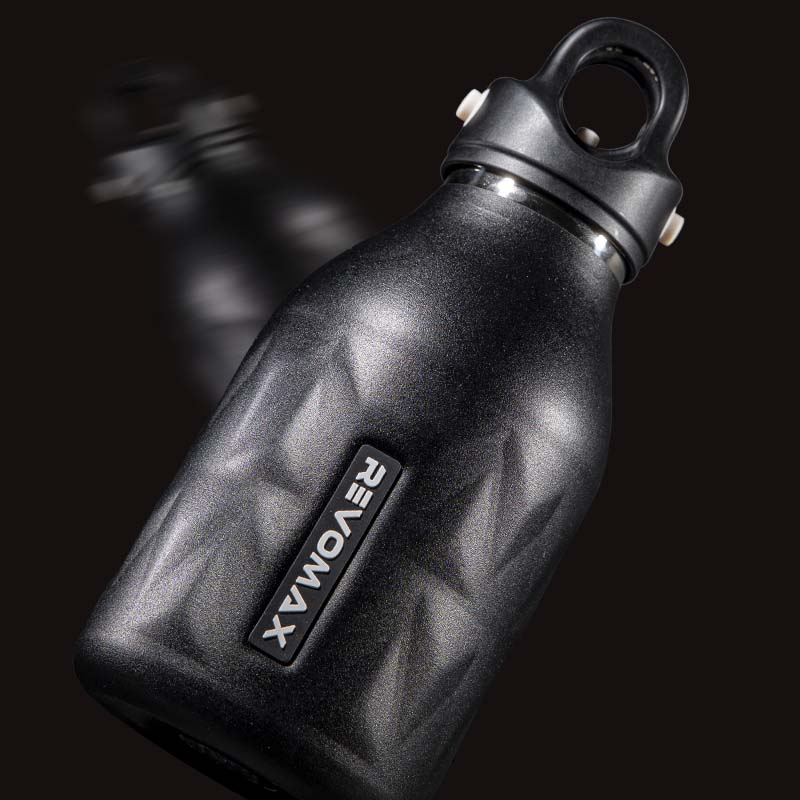
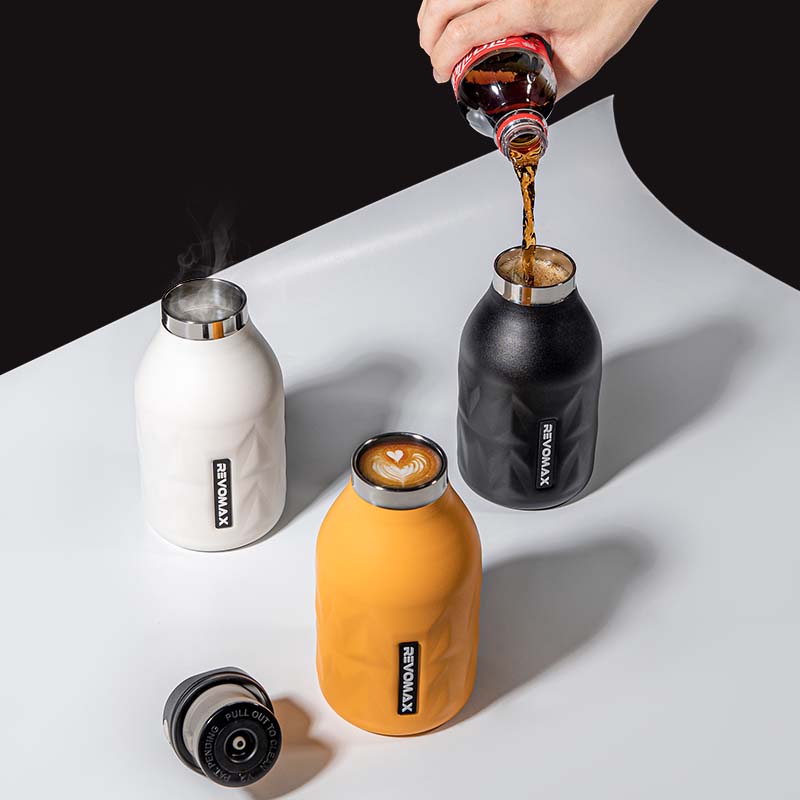
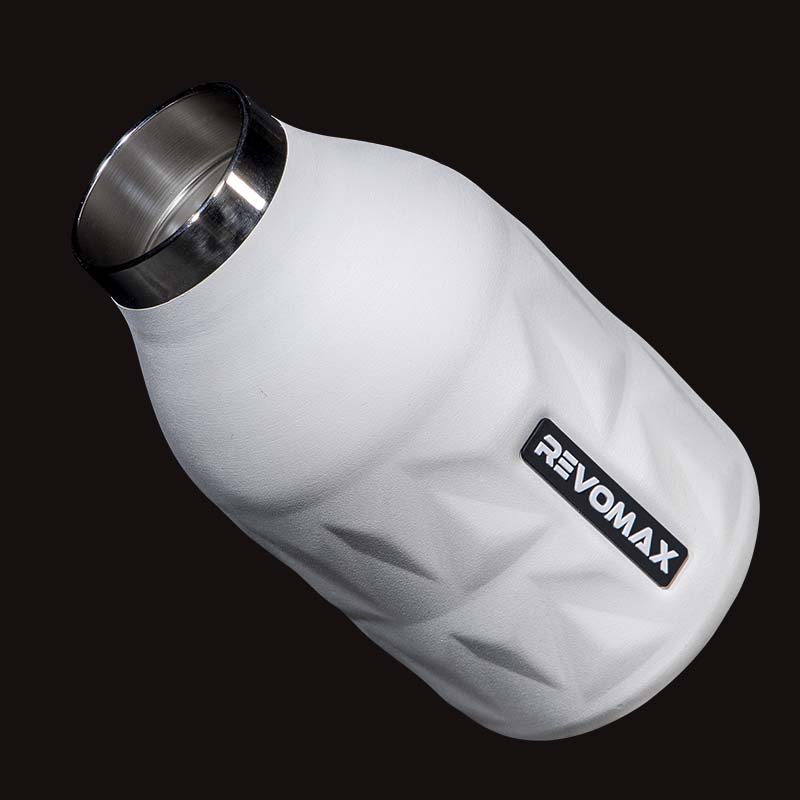
The Hikesity 20oz 316L No-Screw Bottle is built the other way round. Its 592 ml threadless body carries a pull-out pressure-release (evacuation) valve, so after a full day holding soda, sparkling water, kombucha or beer, the Hikesity lid still releases one-handed in 2 seconds — and that same lid pulls apart into 3 pieces in about 3 seconds so the valve itself gets washed. The Hikesity interior is 316L medical-grade steel with 2–3% molybdenum, which is why a cola sitting in it for 36 hours still tastes like cola and not like the bottle.
Why most insulated bottles warn against carbonation
Carbonated drinks are water with dissolved carbon dioxide under pressure. The moment you pour soda or beer into a container and seal it, that CO₂ begins escaping the liquid and collecting as gas in the headspace above it. In a normal bottle that gas has nowhere to go, so internal pressure climbs — faster if the drink warms up or gets shaken in a bag.
With a screw-top bottle, that trapped pressure creates two real problems. First, the threads seize under load, so the cap becomes genuinely hard to twist off. Second — and this is why the manufacturers print the warning — when the seal finally releases, it can let go all at once: a spray of soda, or in the worst case a cap that ejects with force. Yeti, for example, openly states that its Rambler bottles aren't intended for carbonated beverages because pressure buildup can make the cap difficult to remove or cause it to forcefully eject. It's not a flaw in their build quality; it's an inherent limitation of a sealed screw cap.
The fix: a pressure-release (evacuation) valve
Hikesity's threadless cap solves the problem with a completely different mechanism. Instead of threads that trap pressure, Hikesity pairs a snap-in seal with a small built-in pressure-release valve — what we call the evacuation valve. On the Hikesity 20oz (592 ml) and 32oz (950 ml) it does two jobs:
- It vents excess CO₂ as it builds, so dangerous pressure never accumulates inside the bottle in the first place.
- It equalizes pressure the instant you open, which is why the lid releases in one second with one hand — no straining against a seized cap, and no spray.
The result is a bottle you can genuinely fill with a fizzy drink, toss in your bag, and open later over your desk without wearing it. The valve is designed to pull out for cleaning, so it stays hygienic with regular use.

Before You Put a Fizzy Drink in Any Insulated Bottle
Check the instructions for the exact bottle and lid first. Carbonated drinks create pressure inside a sealed container, and not every insulated bottle is designed for that use. If the manufacturer does not explicitly allow carbonated drinks, do not assume the bottle is compatible.
- Confirm compatibility: Look for an explicit statement covering soda, sparkling water, kombucha or beer for the exact model—not just a general material claim.
- Follow the opening and fill instructions: Leave the clearance specified by the manufacturer, keep the bottle upright when required and open it using the model-specific pressure-release steps.
- Clean every drink-contact part: Wash the lid, valve and removable gasket according to the product instructions, then let each part dry fully before reassembly.
Comparing a Hikesity bottle?
Review the current specifications, drink-compatibility guidance and care instructions for the Hikesity 20oz No-Screw 316L bottle before choosing it for a carbonated drink.
View the 20oz bottle details and current care guidance →
Already own one? Clean the lid, valve and gasket exactly as described in the model's care instructions.
If the lid or gasket has developed an odour, use our guide to cleaning bottle lids and removable seals. Always defer to the instructions for your exact model.
Why the 316L interior matters for fizzy drinks
There's a second reason carbonated and acidic drinks are hard on ordinary bottles: acidity. Soda, sparkling water, kombucha, and beer are all mildly acidic, and acidity is exactly what makes lower-grade steel react and impart a faint metallic taste.
Most insulated bottles are built from 304 stainless steel. It's food-safe, but 316L — the medical/surgical grade — adds roughly 2–3% molybdenum that 304 lacks, dramatically improving resistance to the pitting and corrosion that acidic liquids cause. In practice that means your cola tastes like cola and your sparkling water stays clean, with none of the metallic edge that can creep in elsewhere. The pressure-release valve keeps it from spraying; the 316L keeps it tasting right.
So what can you actually put in it?
A no-screw 316L bottle with a pressure-release valve comfortably handles:
- Soda & cola — stays cold and fizzy, opens without a mess.
- Sparkling & soda water — the everyday favorite, kept genuinely cold for hours.
- Kombucha — naturally carbonated and acidic; the valve handles the fizz, the 316L handles the acidity.
- Beer & hard seltzer — keep a cold one cold on the patio, at the campsite, or on the boat (for adults, where permitted).
A little common sense still applies: leave a bit of headspace rather than filling to the very top, and don't store an actively fermenting drink sealed for days on end. Used normally, fizzy drinks are exactly what this bottle is built for.
No-screw vs screw-top for carbonated drinks
| No-screw + pressure-release valve | Traditional screw-top bottle | |
|---|---|---|
| Carbonated drinks | Designed for them | Usually warned against |
| Pressure buildup | Vented continuously by the valve | Trapped by the sealed threads |
| Opening | One hand, one second, no spray | Can seize; can spray or eject when released |
| Acidic-drink taste | 316L resists corrosion — stays clean | 304 can impart a metallic note |
| Insulation | Double-wall vacuum, up to 36h cold | Double-wall vacuum |
Comparison of cap mechanisms for carbonated drinks, Hikesity 2026. "Traditional screw-top" reflects the carbonation guidance published by major screw-top bottle brands.
Our picks for carbonated drinks
Comparing across brands? See our full cross-brand guide: Best Insulated Bottles for Carbonated Drinks 2026.
Best overall: Hikesity 20oz 316L No-Screw Bottle — $65
Medical-grade 316L interior, a one-handed no-twist lid with a built-in pressure-release valve, and up to 36-hour cold retention — backed by a lifetime warranty. The everyday pick for someone who wants sparkling water or a cold soda on hand without the screw-cap risk. Shop the 20oz 316L →
Best for sharing & longer outings: Hikesity 32oz 316L No-Screw Bottle — $75
Same no-screw, pressure-release design in a larger format — ideal for the cooler, the campsite, or a day on the water where you'd rather carry more between refills. Shop the 32oz 316L →
Most personal: Hikesity 16oz Mix & Match — $69
The compact, cup-holder-friendly size in 576 color combinations — same 316L medical-grade build and pressure-release valve. Browse all 316L bottles →
Frequently asked questions
Can you put carbonated drinks in an insulated water bottle?
Only if the bottle is designed for it. Most traditional screw-top insulated bottles warn against carbonated drinks because trapped CO₂ pressure can make the cap eject or spray. The Hikesity 20oz and 32oz 316L No-Screw Bottles ($65–$75) are built for carbonation: their threadless lid carries a built-in pressure-release (evacuation) valve that vents excess CO₂ continuously, so soda, sparkling water, kombucha and beer stay fizzy and the lid always opens safely — no pressure build-up, no spray.
Can you put beer in a Hikesity bottle?
Yes. The pressure-release valve on the Hikesity 316L no-screw cap vents the CO₂ from beer and hard seltzer so the bottle won't build dangerous pressure or spray when opened, and the medical-grade 316L interior keeps the taste clean. It's a great way to keep a cold drink cold outdoors (for adults, where permitted).
What is the evacuation valve on a no-screw bottle?
It's a small pressure-release valve built into the threadless cap. It continuously vents excess gas pressure from carbonated drinks and equalizes pressure the moment you open the lid, which is what lets the bottle open with one hand in about a second without spraying. It pulls out for easy cleaning.
Why does soda spray out of a normal water bottle?
Because the sealed cap traps the CO₂ released by the soda, building pressure inside. When the seal finally breaks, that pressure escapes all at once, pushing liquid out with it. A pressure-release valve prevents this by venting the gas gradually rather than all at the moment of opening.
Will carbonated drinks damage the bottle?
Not a Hikesity 316L bottle used normally. The medical-grade 316L stainless steel in the Hikesity 20oz and 32oz No-Screw Bottles resists the corrosion that acidic, carbonated drinks can cause, which is why it also stays taste-neutral. Just leave a little headspace and avoid storing actively fermenting drinks sealed for long periods.
The bottom line
The reason your old bottle told you to skip the soda isn't a mystery — it's a sealed screw cap with nowhere for pressure to go. A no-screw 316L bottle with a pressure-release valve removes that limitation entirely: it vents the fizz so it opens cleanly, and its medical-grade interior keeps acidic, carbonated drinks tasting the way they should. Sparkling water, kombucha, soda, a cold beer at the campsite — all fair game.
See the lineup in the Hikesity 316L Collection, or start with the everyday favorite, the 20oz 316L No-Screw Bottle.
Enjoy alcoholic beverages responsibly and only where permitted. Leave headspace when filling and keep the valve clean for best performance.