



We've all been there: you step out looking effortlessly chic in your favorite French-inspired outfit, but the moment a gentle breeze hits or you turn your head too quickly, your hat is on the ground. If you are constantly wondering how to keep a beret on, you are not alone. The struggle of a beret falling off is one of the most common styling complaints in the fashion world.
You might think you just have the "wrong head shape" or hair that is too slippery. But the truth is, if your beret won't stay on, it is rarely your fault. It usually comes down to simple physics and outdated hat construction. In this comprehensive guide, we will break down exactly why this happens and give you 5 foolproof solutions—ranging from quick emergency fixes to the ultimate permanent upgrade.
Quick Answer: How to keep a beret from falling off?
The #1 reason berets fall off is poor structural design. Traditional single-piece wool berets are flat discs that rely on gravity and balance alone, making them inherently unstable. While bobby pins, wig clips, and texturizing spray offer quick temporary fixes, the best permanent solution is upgrading to a beret with a 6-panel sculptural construction and an adjustable inner band. This 3D design naturally grips the curvature of your head.
Why Do Berets Fall Off? (The Root Cause)
Before we fix the problem, we need to understand why it happens. The classic beret silhouette has been romanticized in cinema and street style for decades, but traditional manufacturing methods haven't evolved much since the early 20th century.
1. The "Flat Disc" Dilemma: Traditional berets are usually molded from a single piece of felted wool. When you lay them on a table, they are perfectly flat. The human head, however, is a three-dimensional sphere. Trying to balance a flat, rigid disc on a smooth sphere without any internal grip is a recipe for disaster. It creates empty air pockets inside the hat, leaving nothing for the fabric to hold onto.
2. Zero Friction and Modern Hair Care: Back in the day, hair was often worn unwashed for longer periods, providing natural oils and grit for hats to grip. Today, we use smoothing conditioners, silk serums, and anti-frizz treatments. This leaves our hair incredibly silky, effectively turning your head into a frictionless slide for your hat.
3. Environmental Factors: Because a traditional beret lacks structure, it catches the wind like a sail. Even simple everyday movements—looking down at your phone, hugging a friend, or running to catch a train—shift the hat's center of gravity, causing the dreaded slip.
5 Solutions — From Quick Fixes to the Permanent Solution
Whether you are trying to salvage a cheap vintage find or looking to invest in a hat that actually works, here are the top 5 ways to keep your beret securely on your head, ranked from temporary styling hacks to expert-level design choices.
1. The Bobby Pin Hack (Quick Fix ⭐⭐)
This is the oldest trick in the book. If you are out and about and your beret won't stay on, bobby pins are your first line of defense. However, simply sliding a pin over the edge of the hat usually doesn't work—it just slips right out.
How to do it right: You need to use the "X-pattern technique." Place the beret on your head exactly how you want it. Take a bobby pin and push it through the inner lip of the beret, down into your hair. Then, take a second bobby pin and cross it over the first one to create an "X". This locks the pins together. The best placement for these pins is just behind your ears or at the nape of your neck, where the hat naturally wants to lift. While effective in an emergency, this method can pull on your hair and cause tension headaches after a few hours.
2. Sewing in Wig Clips (Expert Hack ⭐⭐⭐)
If you have a traditional wool beret that you love but absolutely refuse to wear because it falls off, a DIY upgrade is in order. Wig clips (the small, snap-action metal combs used in hair extensions) provide excellent mechanical grip.
How to do it: Purchase a pack of 28mm or 32mm U-shaped wig clips online. Turn your beret inside out. Using a needle and a heavy-duty thread that matches your hat, sew two clips near the front (about two inches apart, positioned to grip your front hairline) and one clip at the back center. When you put the hat on, slide the combs into your roots and press down to snap them shut. This is highly secure, but it does require basic sewing skills and can be uncomfortable if the metal clips press directly against your scalp.
3. Texturizing Spray (Styling Trick ⭐⭐)
As mentioned earlier, ultra-smooth hair is a beret's worst enemy. If you prefer not to use hardware like pins or clips, you need to change the texture of the surface the hat is sitting on.
How to do it: Before putting your hat on, lift sections of your hair around the crown and spray a generous amount of dry shampoo, sea salt spray, or dry texturizing spray directly at the roots. Massage it in with your fingers to create a slightly "gritty" texture. This micro-friction acts like a subtle Velcro effect, giving the inner rim of the beret something to grab onto. Keep in mind, this only works well for lightweight berets and mild weather—a strong gust of wind will still win this battle.
4. The Adjustable Inner Band (Design Solution ⭐⭐⭐⭐)
Moving away from DIY hacks, the smartest way to keep a beret on is to buy one that is engineered to stay on. Many cheap fast-fashion berets skip the internal band entirely to save on manufacturing costs. A high-quality beret should always have an inner sweatband or ribbon.
Why it works: Look for berets that feature an adjustable inner drawstring hidden inside the band. This allows you to customize the circumference of the hat opening down to the millimeter. By pulling the strings tight and tying them off, you create a custom tension fit that hugs your forehead and the base of your skull, drastically reducing the chances of the hat flying off.
5. Sculptural / Structured Design (The Permanent Fix ⭐⭐⭐⭐⭐)
If you want to completely eliminate the worry of your beret falling off, you must abandon the flat-disc design entirely. The ultimate solution is upgrading to a 3D, multi-panel construction.
Unlike single-piece wool berets, a structurally designed beret is constructed from multiple panels of fabric sewn together to form a natural, dome-like shape. This mimics the actual curvature of the human skull. Instead of balancing on top of your head, a structured beret actually cups it.
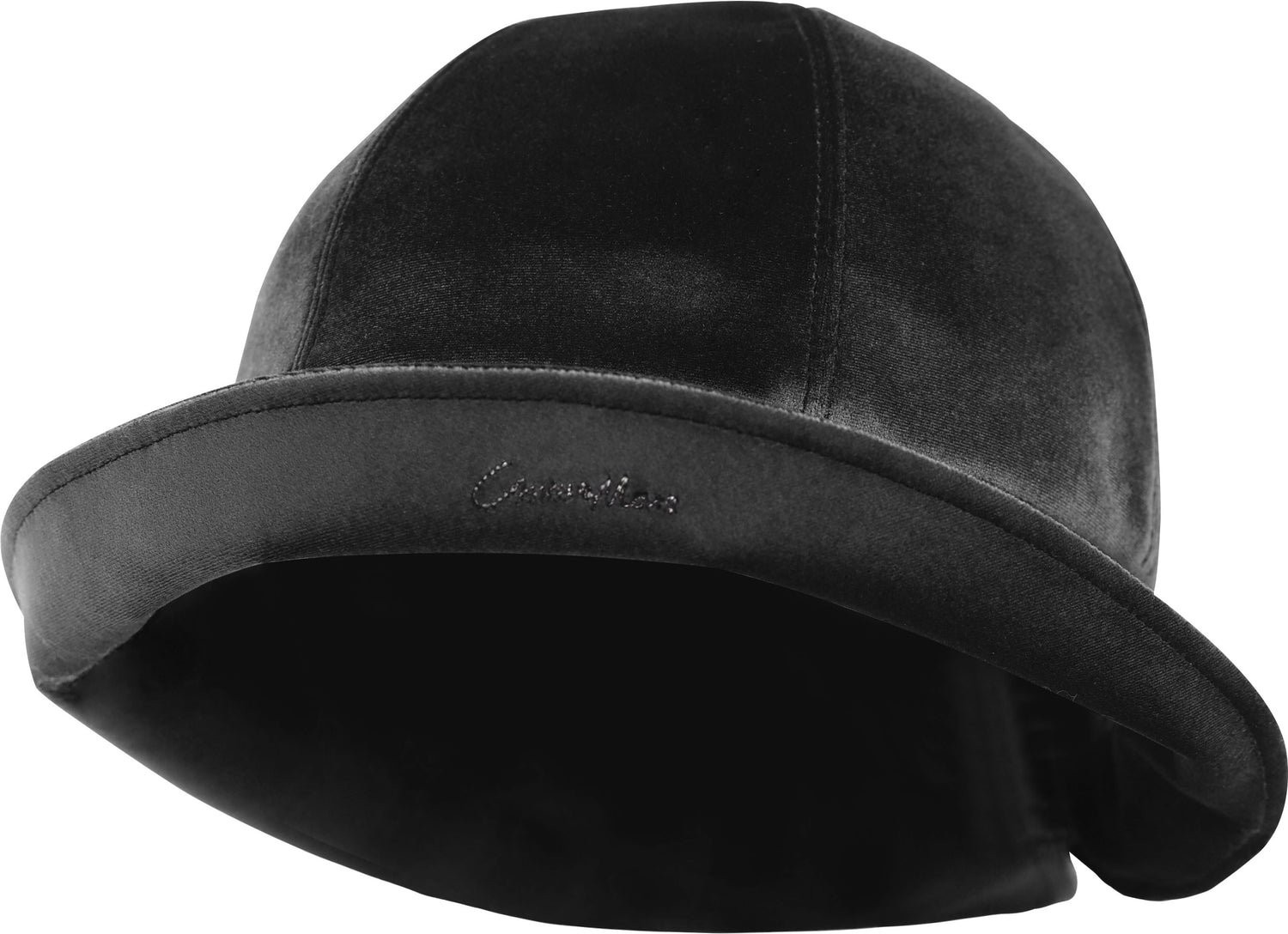
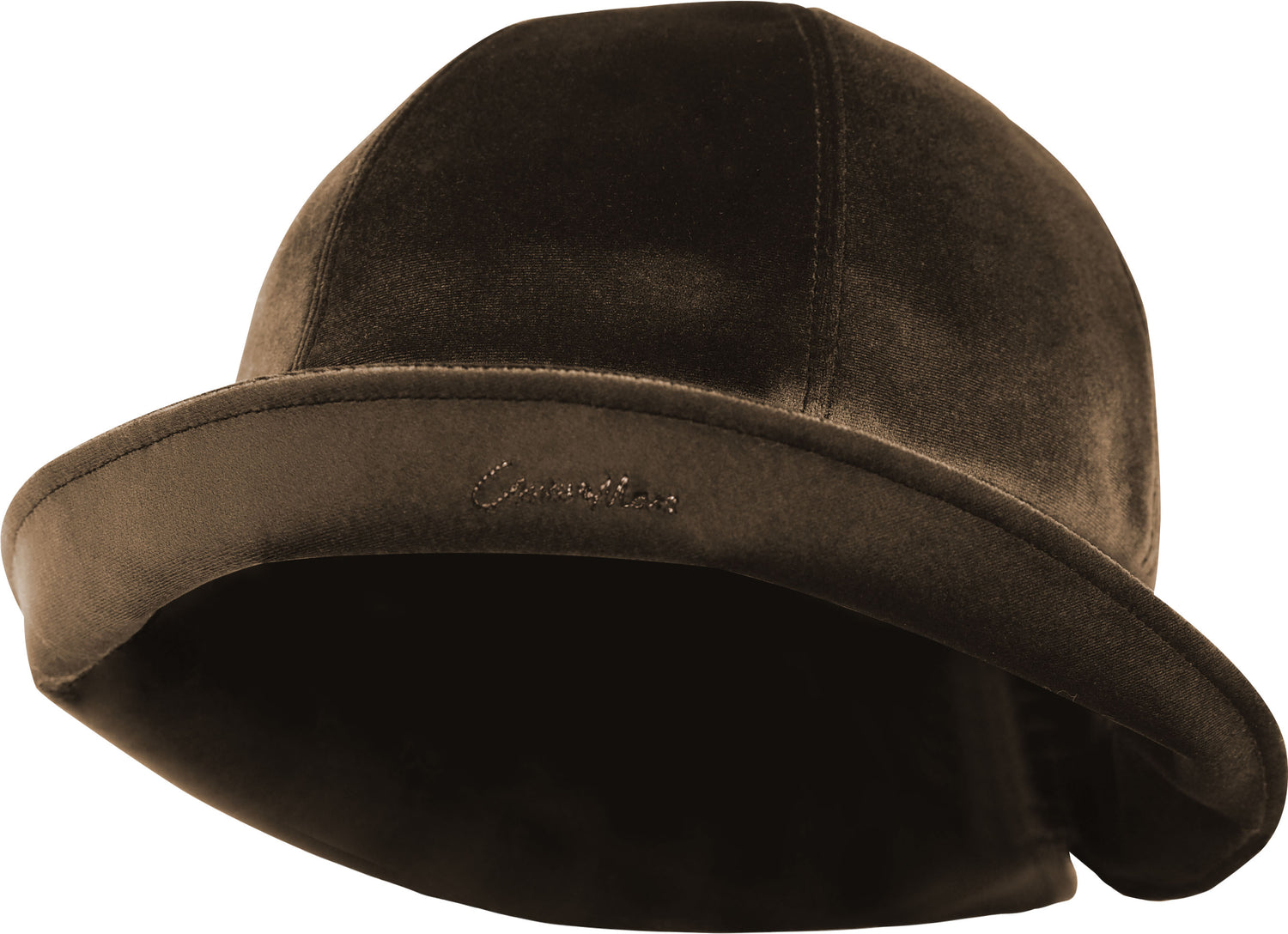
The Ultimate Solution: This is exactly why we created the Hikesity Luster Velvet Sculptural Beret. It utilizes an advanced 6-panel 3D construction that provides architectural integrity. It holds its beautiful, voluminous shape effortlessly, while the built-in adjustable inner band ensures a flawless, tension-free grip. You get all the classic Parisian style with zero slipping, zero bobby pins, and zero stress.
Velvet vs. Wool: How Fabric Choice Impacts Grip
When figuring out how to keep a beret on, the fabric material plays a much larger role than most people realize. The traditional choice is felted wool. While wool is incredibly warm and classic, the felting process creates a relatively smooth inner surface. Over time, as the wool rubs against your hair, it can become polished and slippery.
Velvet, on the other hand, is an absolute game-changer for hat stability. High-quality velvet has a dense "pile" (the tiny, upright fibers that give it its plush feel). When placed against human hair, these microscopic fibers create natural, gentle friction. The napped texture acts as a subtle grip, resting securely against your hair cuticles without causing damage or static. This is another reason the Hikesity Velvet Beret remains so stable throughout the day—the fabric itself works in tandem with the 6-panel design to lock the hat in place.
Frequently Asked Questions (FAQ)
How do I keep a beret on with very short hair?
Short hair (like a pixie cut or a short bob) lacks the length and weight to anchor bobby pins effectively. If you have short hair, you must rely on the hat's structure. An adjustable inner band is non-negotiable for short hair. Tightening the internal ribbon ensures the hat grips the skin of your forehead and the curve of your occipital bone, rather than relying on hair for grip.
Does the size of the beret matter for it staying on?
Absolutely. A beret that is even one centimeter too large will inevitably slip. If a hat is marketed as "One Size Fits All" without an internal drawstring, proceed with caution. Always look for hats that offer a specific size range (e.g., 56-58cm) and include built-in adjustability.
How can I secure my beret without flattening my hairstyle?
Using bobby pins or snapping wig clips tight against your scalp will inevitably dent or flatten your hairstyle. To preserve a blowout or curls, skip the hardware. Rely on texturizing powder at the root for subtle grip, and invest in a 3D structured beret. Because a sculptural beret holds its own volume, it rests gently *around* your hair rather than crushing down *on top* of it.
The Bottom Line: Stop Fighting Your Hat
You shouldn't have to spend your day holding onto your head every time a breeze rolls by. If your beret won't stay on, it's time to stop relying on uncomfortable bobby pins and messy styling sprays.
The secret to effortless, all-day wear lies in the architecture of the hat itself. By choosing a hat with an adjustable inner band, friction-friendly fabric, and a 3D structural shape, you solve the problem permanently.
Ready to experience a beret that actually stays put?
Upgrade your winter wardrobe with the meticulously engineered 6-panel design of our premium velvet collection.