




Quick Answer: What is the core difference between UPF vs SPF? UPF (Ultraviolet Protection Factor) measures how much UV radiation a fabric blocks, while SPF (Sun Protection Factor) measures the effectiveness of liquid sunscreen on your skin. For all-day, no-reapplication defense, the best sun protection hat will feature a UPF 50+ rating, which blocks over 98% of harmful rays.
If you are shopping for a sun protection hat for summer, you have probably seen the term "UPF 50+" plastered across product tags. But if you already wear SPF 50 sunscreen every day, do you really need a UPF-rated hat? And what is the actual UPF 50 meaning?
Understanding the difference between these two acronyms is the secret to preventing premature aging, sun damage, and the dreaded "driver's side" wrinkles. Let's break down exactly how fabric sun protection works and why your standard straw hat might be failing you.
What Is UPF? (Ultraviolet Protection Factor for Fabrics)
UPF stands for Ultraviolet Protection Factor. It is a rating system specifically created for apparel, hats, and fabrics. It measures the amount of both UVA (aging) and UVB (burning) radiation that penetrates the fabric and reaches your skin.
The UPF 50 meaning is simple: a fabric with this rating allows only 1/50th (or 2%) of UV radiation to pass through it. That means it blocks an impressive 98% (and in some high-density engineered fabrics, up to 99.9%) of the sun's most damaging rays.
The biggest advantage of UPF? It works instantly and doesn't rub off. The moment you put on a UPF 50+ sun hat, you are fully protected.
What Is SPF? (Sun Protection Factor for Sunscreen)
SPF stands for Sun Protection Factor. This rating is exclusively used for sunscreens, lotions, and cosmetics. Unlike UPF, which measures the physical blockage of light, SPF measures time and reddening.
Specifically, SPF tells you how long it would take for your skin to burn from UVB rays compared to wearing no sunscreen at all. (If you burn in 10 minutes without protection, SPF 30 technically gives you 300 minutes). Furthermore, standard SPF only measures UVB rays—you have to look for the words "Broad Spectrum" to ensure it also blocks UVA rays.
The major flaw with SPF? It degrades. You have to apply the perfect amount, wait 15 minutes for it to activate, and reapply it every two hours (or immediately after sweating).
UPF vs SPF: Key Differences at a Glance
Here is a quick breakdown to help you understand why dermatologists recommend using both:
| Feature | UPF (Fabrics & Hats) | SPF (Sunscreens) |
|---|---|---|
| What it Protects | Skin covered by the fabric | Skin where lotion is applied |
| Rays Blocked | UVA (Aging) & UVB (Burning) | Mostly UVB (unless "Broad Spectrum") |
| Reapplication | ✅ Never. Protection is constant. | ❌ Required every 2 hours |
| Mess Factor | Zero mess, won't ruin makeup | Can be greasy or leave white cast |
| Longevity | Lasts for the life of the garment | Washes off with sweat or water |
What UPF Rating Should You Look For in a Sun Hat?
According to the Skin Cancer Foundation, clothing must have a UPF of at least 30 to qualify for their Seal of Recommendation. Here is what the numbers mean:
- UPF 15–24: Good. Blocks about 93% to 95% of UV rays. Typical for standard dense summer clothing.
- UPF 25–39: Very Good. Blocks about 96% to 97% of UV rays. Great for casual outdoor walking.
- UPF 40–50+: Excellent. Blocks 98% to 99.9% of UV rays. This is the gold standard.
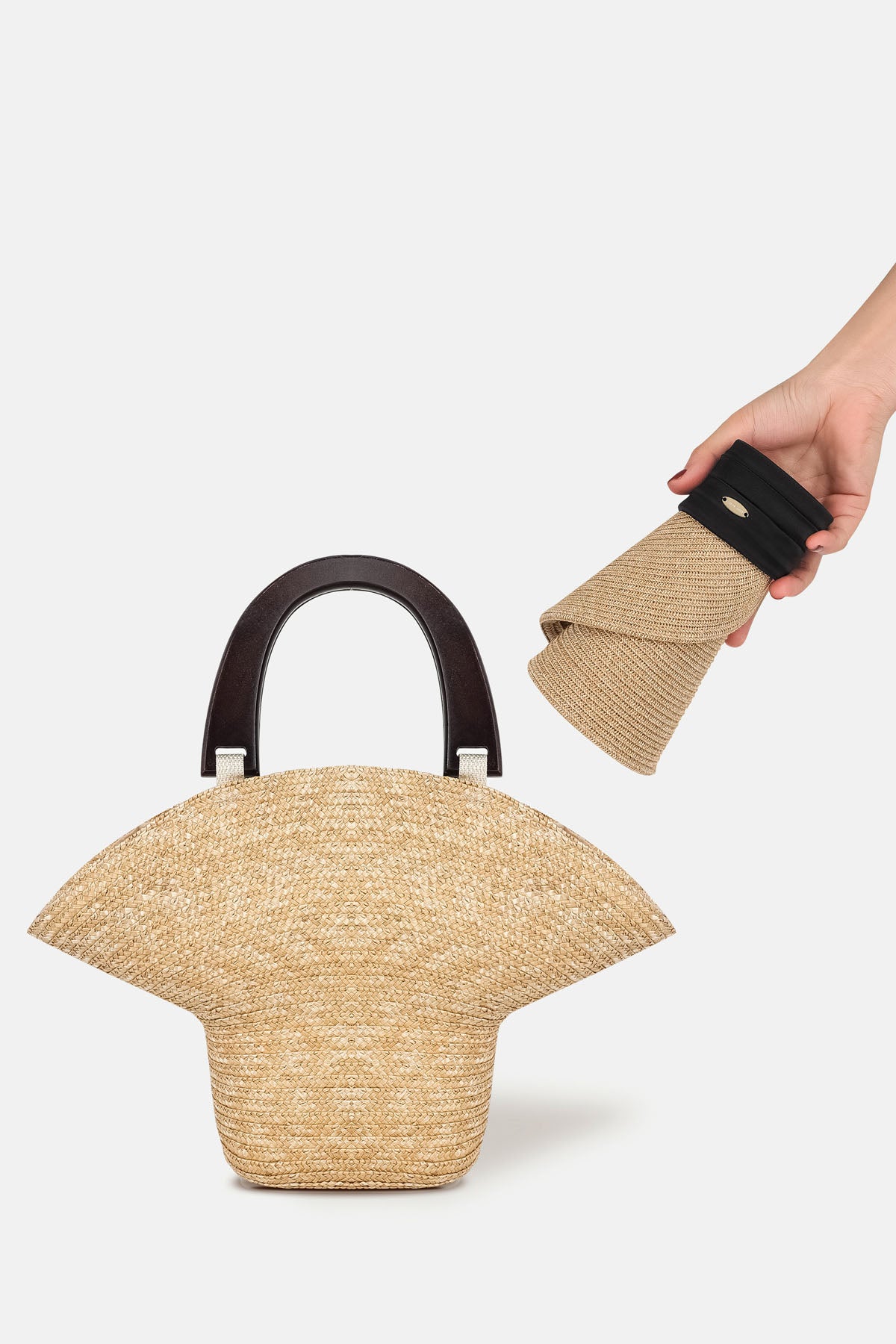
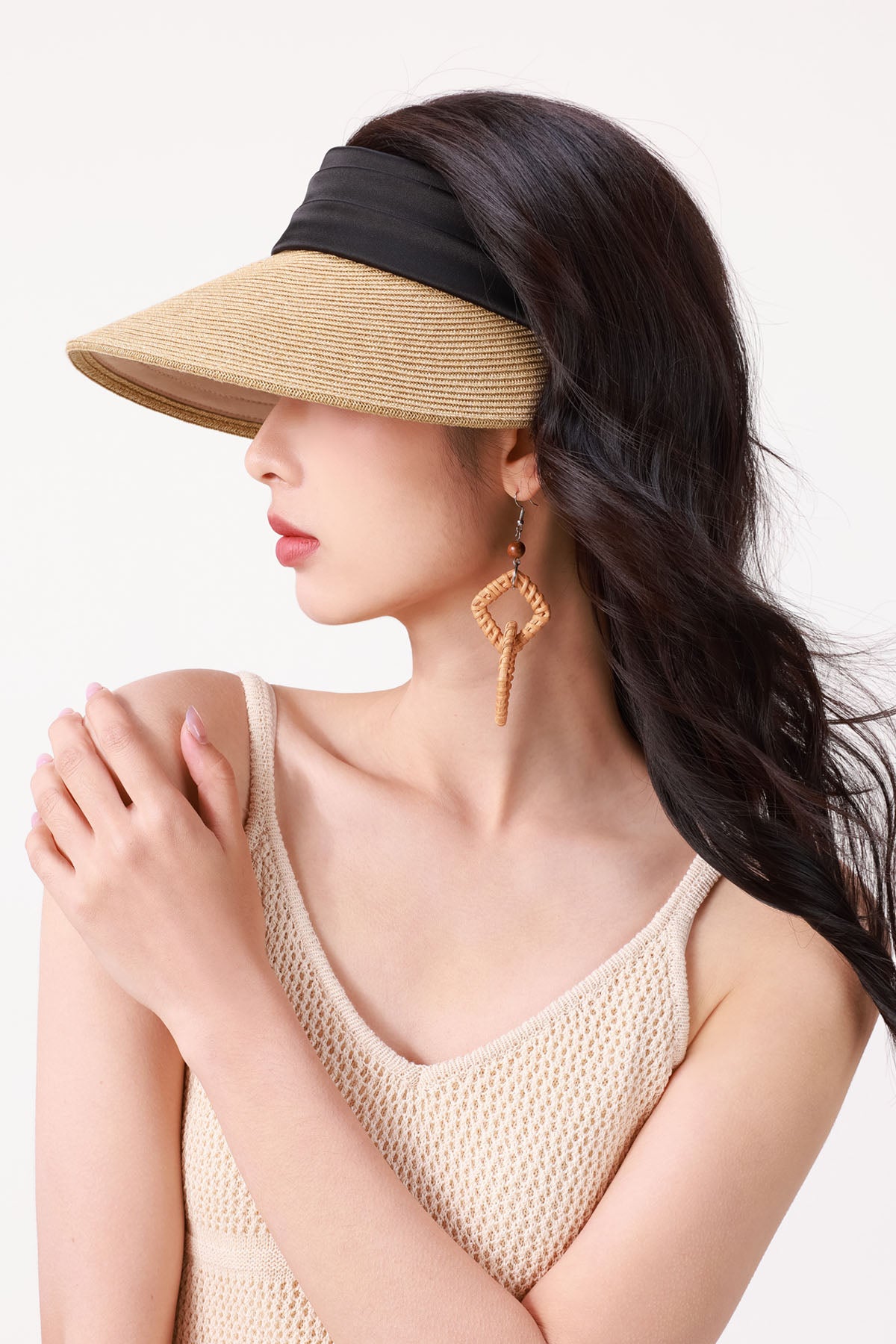
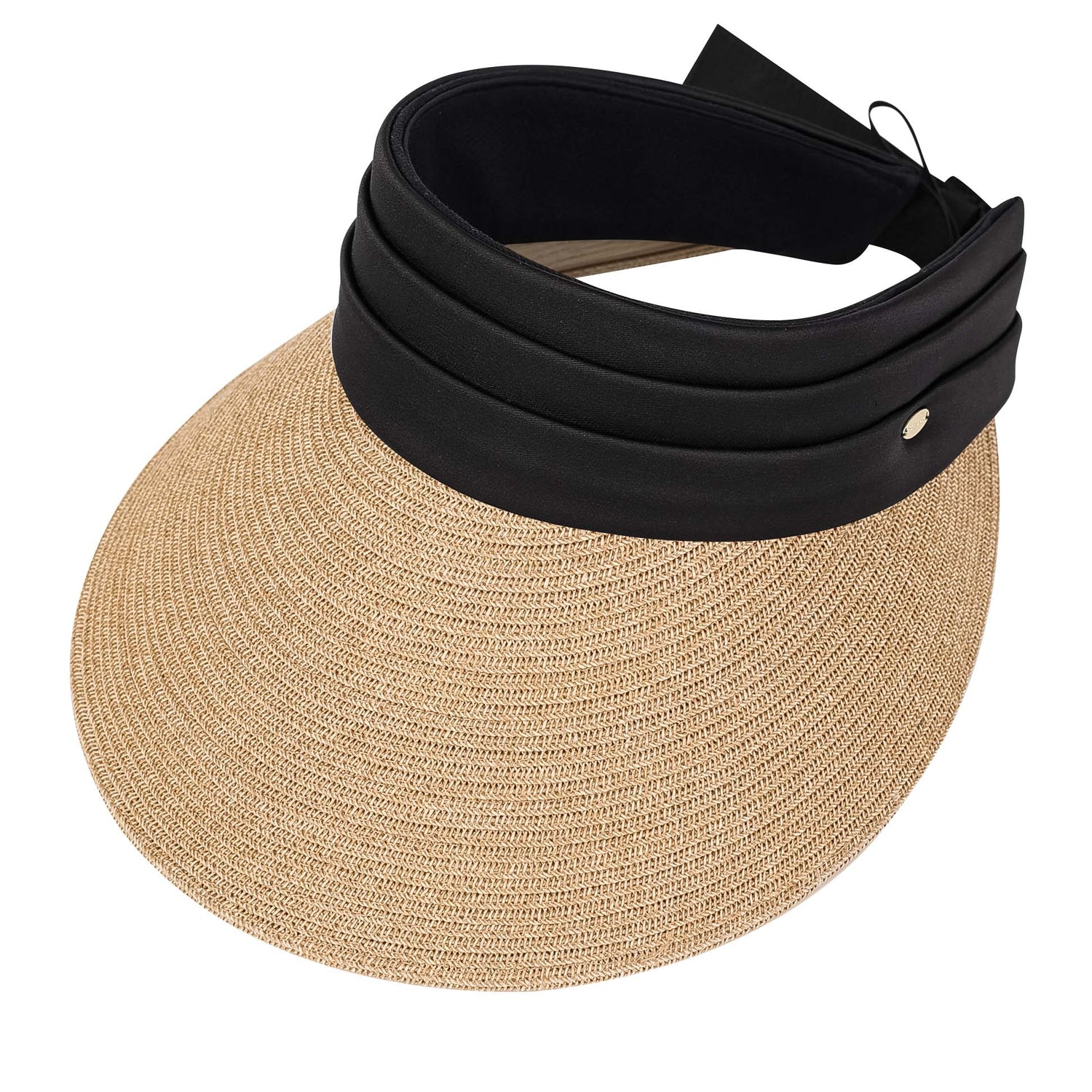
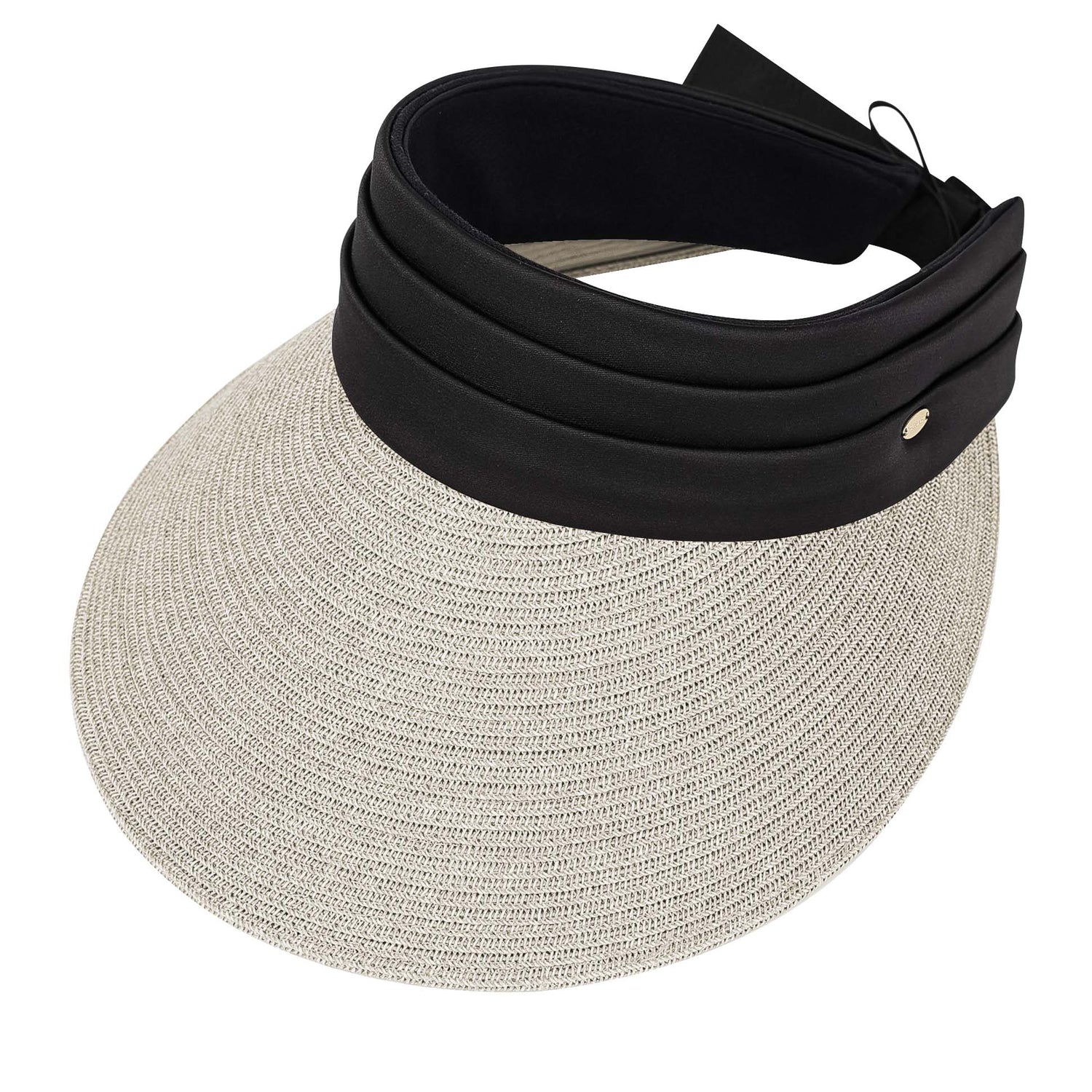
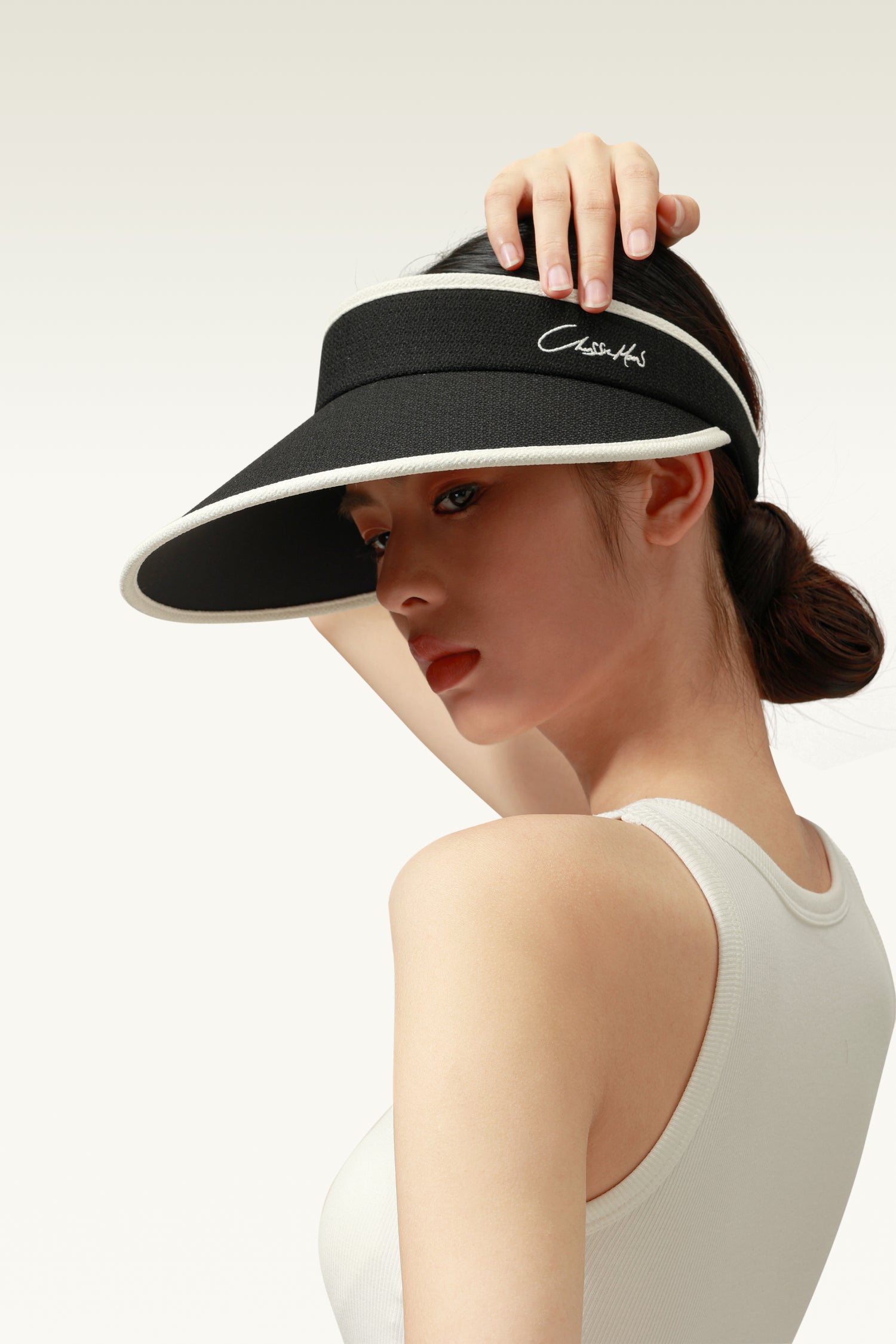
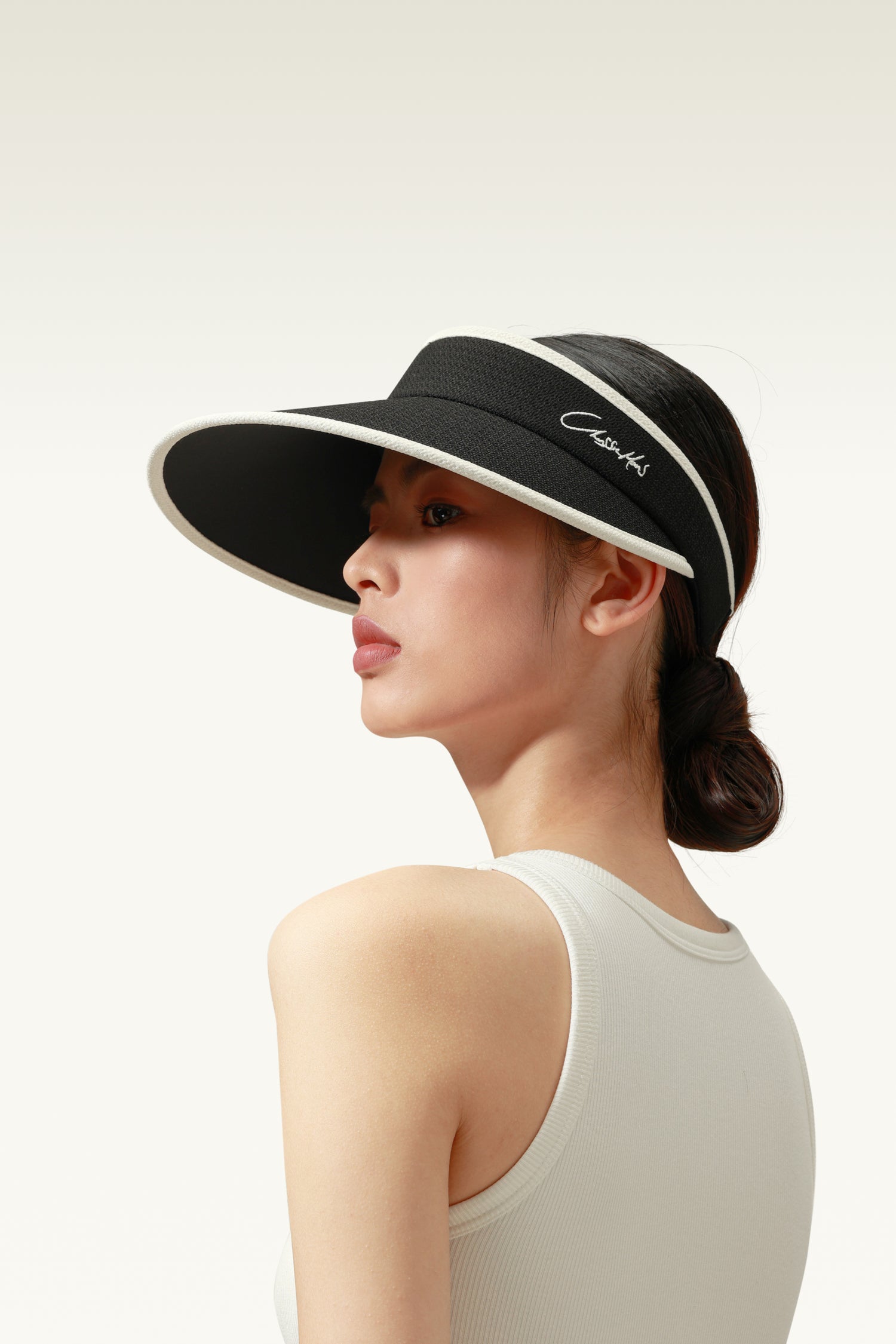
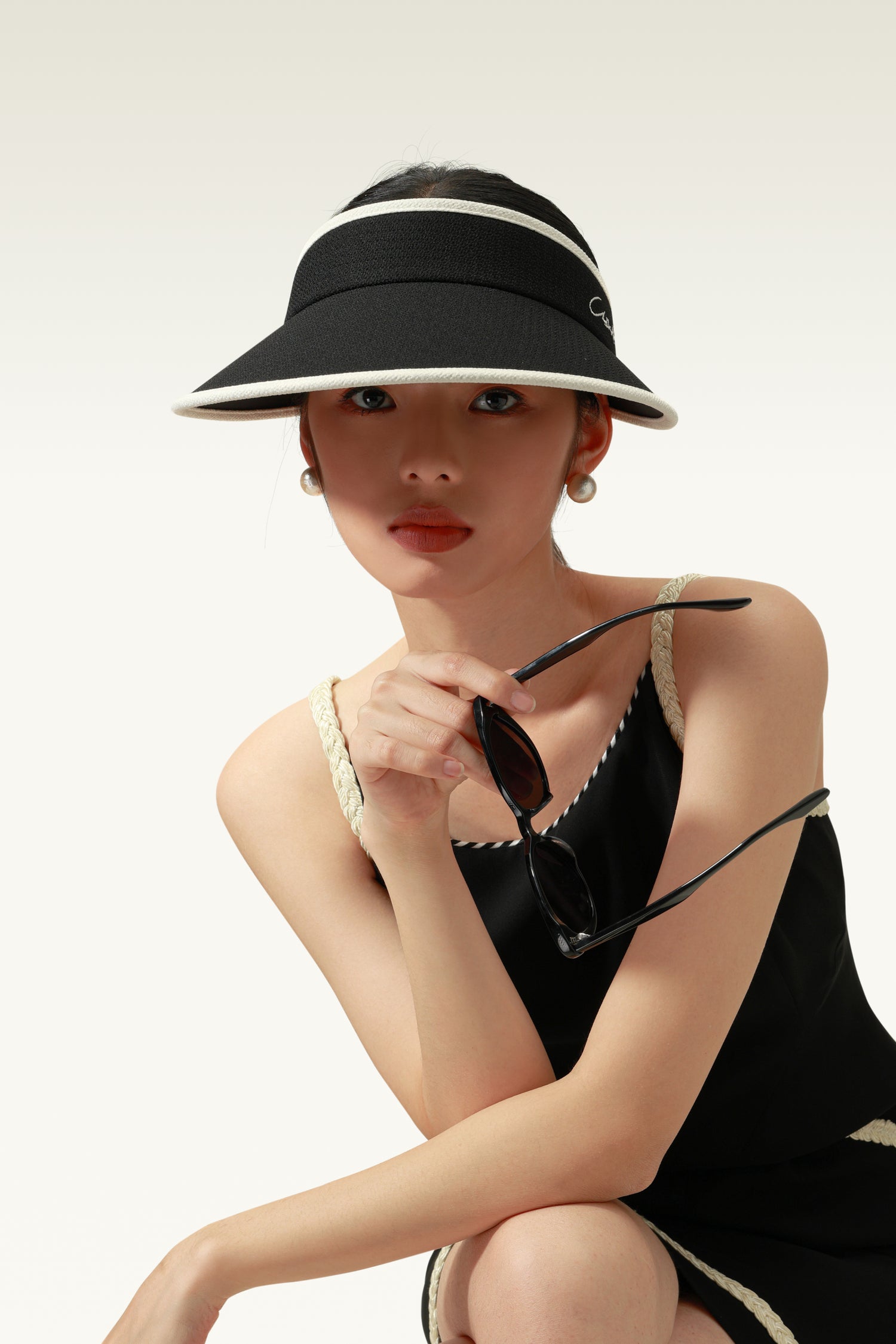
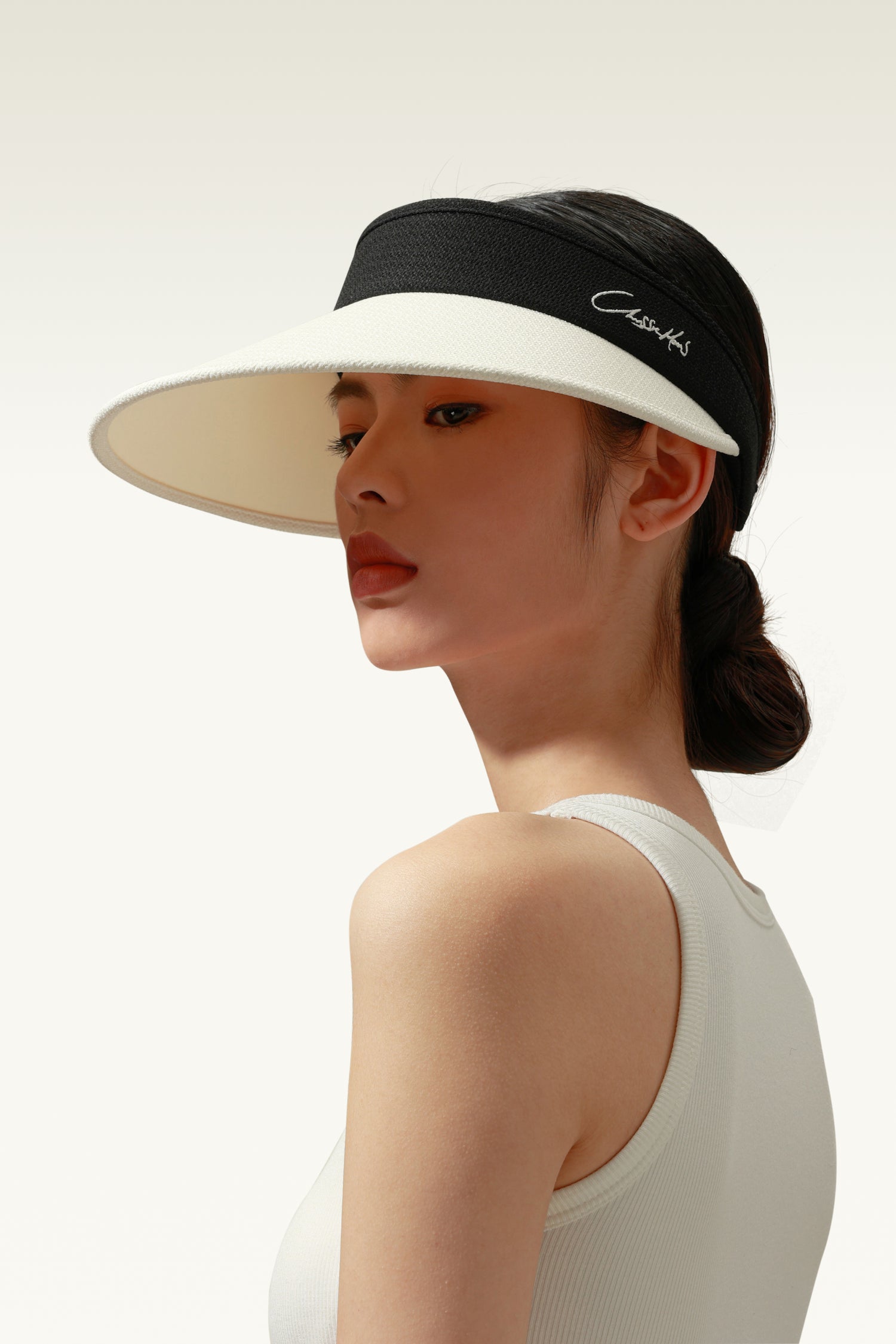
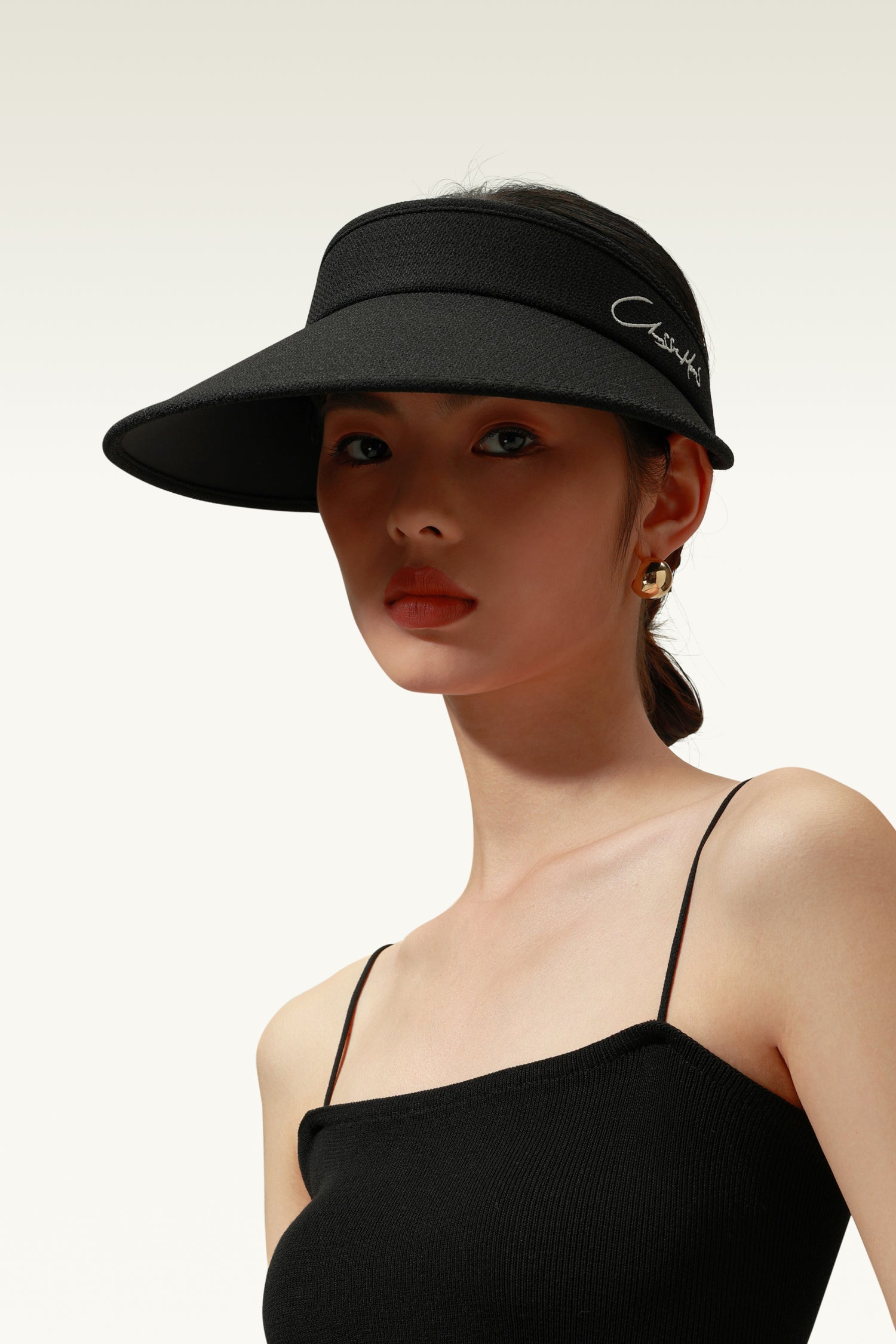
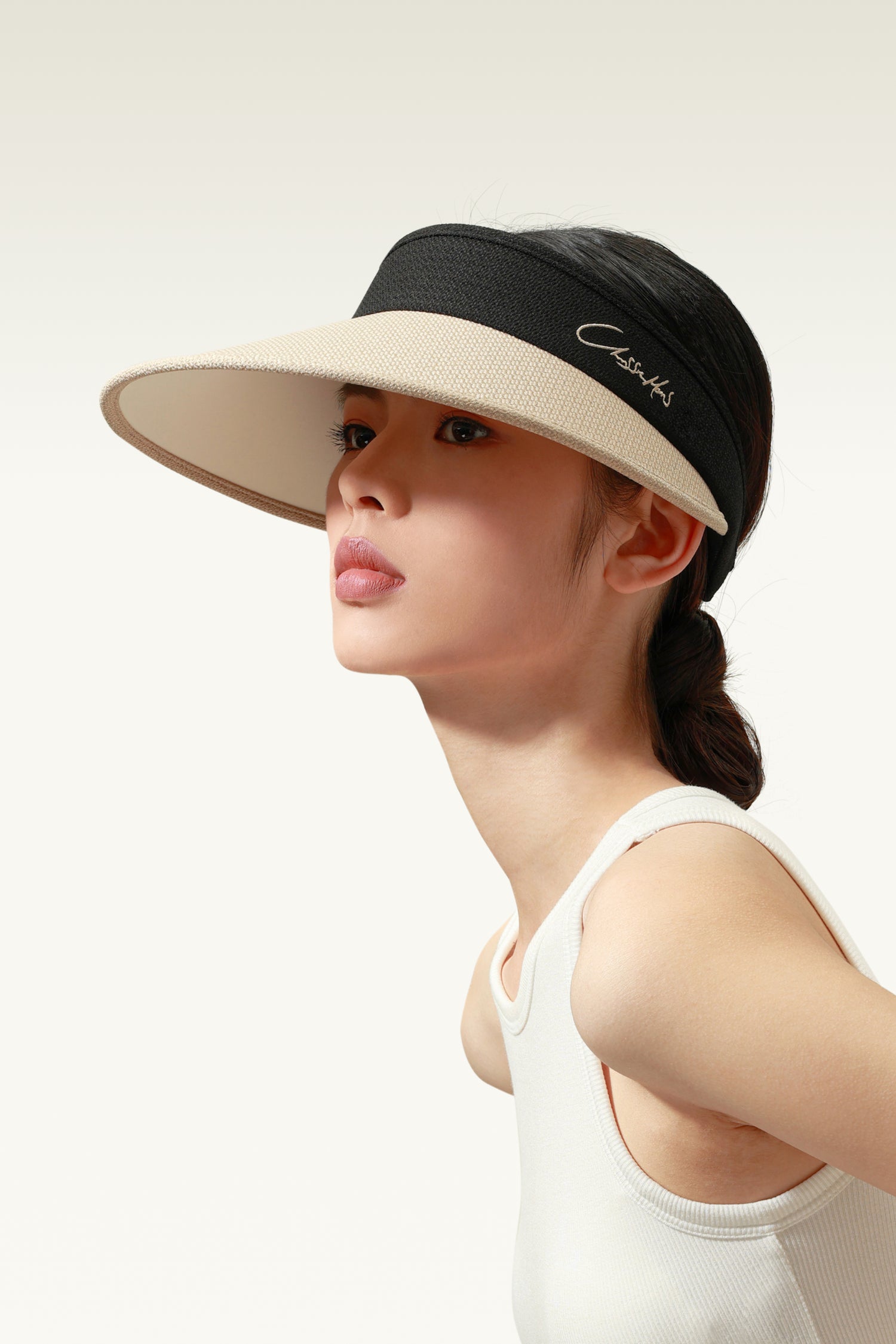
If you are looking for the best UPF hat, never settle for less than 50+. For example, the Hikesity Classic Wide Brim Sun Visor uses a high-density Nylon-Spandex blend engineered specifically to achieve a strict UPF 50+ rating, blocking 99.9% of harmful rays.
Do All Sun Hats Have UPF Ratings? (What to Watch Out For)
A common misconception is that any hat provides sun protection. This is dangerously false.
Hold your favorite straw beach hat or loose-knit cotton cap up to the light. Do you see speckles of sunlight shining through the weave? If light can get through, UV radiation is getting through, right onto your scalp and face. Standard hats without a UPF rating often provide the equivalent of SPF 5 to SPF 10 — nowhere near enough for a sunny day.
To get true protection, you need a hat made from engineered, tightly woven synthetic fabrics (like nylon or polyester) that have been formally tested and rated.
How a Built-In UV Monitor Works (The Hikesity Advantage)
Even with the best UPF hat, it's hard to know exactly how intense the sun's rays are at any given moment, especially on cloudy days when UV radiation can still cause severe damage.
This is why we integrated a real-time UV monitor sensor into the Hikesity Classic Wide Brim Sun Visor. Attached directly to the brim, this small, intelligent sensor reacts to invisible UV intensity. When UV levels are low and safe, it stays a neutral color. As UV radiation hits dangerous levels, it changes color—alerting you instantly that it's time to seek shade or reapply your facial SPF.
Combined with a uniquely angled brim that won't block your vision while driving or hiking, it is the ultimate functional accessory for sun-conscious living.
FAQ
Q: Is UPF 50 better than SPF 50?
A: They work together, but UPF is generally more reliable. Because UPF is a physical barrier, it blocks both UVA and UVB rays constantly without needing to be reapplied, whereas SPF 50 only works if you apply a thick enough layer and reapply it every two hours.
Q: Does the UPF rating wash out of hats?
A: It depends on the construction. If the UPF is achieved via a chemical spray coating, it can degrade after multiple washes. However, high-quality hats like the Hikesity Sun Visor achieve UPF 50+ through the physical tight weave of the nylon/spandex fabric, meaning the protection will not wash out.
Q: Can I still get a tan through a UPF 50 hat?
A: It is highly unlikely. Because UPF 50+ blocks over 98% of UV rays, the skin covered by the hat's shadow will be heavily protected from the tanning (and burning) process.
Ready to upgrade your sun defense? The Hikesity Classic UPF50+ Wide Brim Sun Visor offers max-level fabric protection, a drive-safe clear vision brim, and a built-in UV monitor.
Pro Tip: Understanding UPF ratings is crucial not just for the beach, but also for daily activities like commuting. Since standard car glass doesn't block all UV rays, check out our guide on the best sun hats for driving to stay protected behind the wheel.