



The beret is arguably the most iconic hat in fashion history. It instantly elevates an outfit, adding a touch of Parisian romance and effortless chic. But when you finally decide to add one to your wardrobe, you are immediately faced with a crucial decision: finding the best beret material.
The two leading contenders on the market are velvet and wool. While they may share a similar silhouette, the way they wear, feel, and hold up over time couldn't be more different. If you are torn in the velvet beret vs wool beret debate, this comprehensive guide will break down everything you need to know to make the right choice.
Quick Answer: Velvet Beret vs Wool Beret
Velvet Berets are ideal for city styling and evening wear. They naturally hold a 3D structural shape, feel silky-smooth against the forehead, and offer a luxurious subtle sheen.
Wool Berets are best for harsh winter weather and casual, bohemian aesthetics. They provide superior warmth and are generally cheaper, but they are prone to flattening, losing their shape, and causing forehead itch.

Quick Comparison Table
| Feature | Velvet Beret | Wool Beret |
|---|---|---|
| Shape & Structure | Holds 3D volume naturally | Flattens out, requires adjusting |
| Comfort (Skin Feel) | Silky, zero itch, hair-friendly | Can be scratchy on the forehead |
| Warmth | Moderate (great for Fall/Spring) | High (excellent for freezing Winter) |
| Vibe & Occasion | Elegant, elevated, day-to-night | Casual, traditional, outdoor |
| Price Range | $25 - $65 (Investment piece) | $15 - $45 (Readily available) |
Shape & Structure: The 3D Advantage
The biggest frustration beret-wearers face is getting the hat to sit right. This all comes down to the material's structural integrity.
Wool: Traditional wool berets are manufactured by felting a single piece of wool into a flat, circular disc. Because wool is soft and heavy, the hat has no internal skeleton. When you place it on your head, it relies on gravity, often flopping flat against your skull. It requires constant tugging, pinning, and adjusting in the mirror to achieve that "perfect tilt."
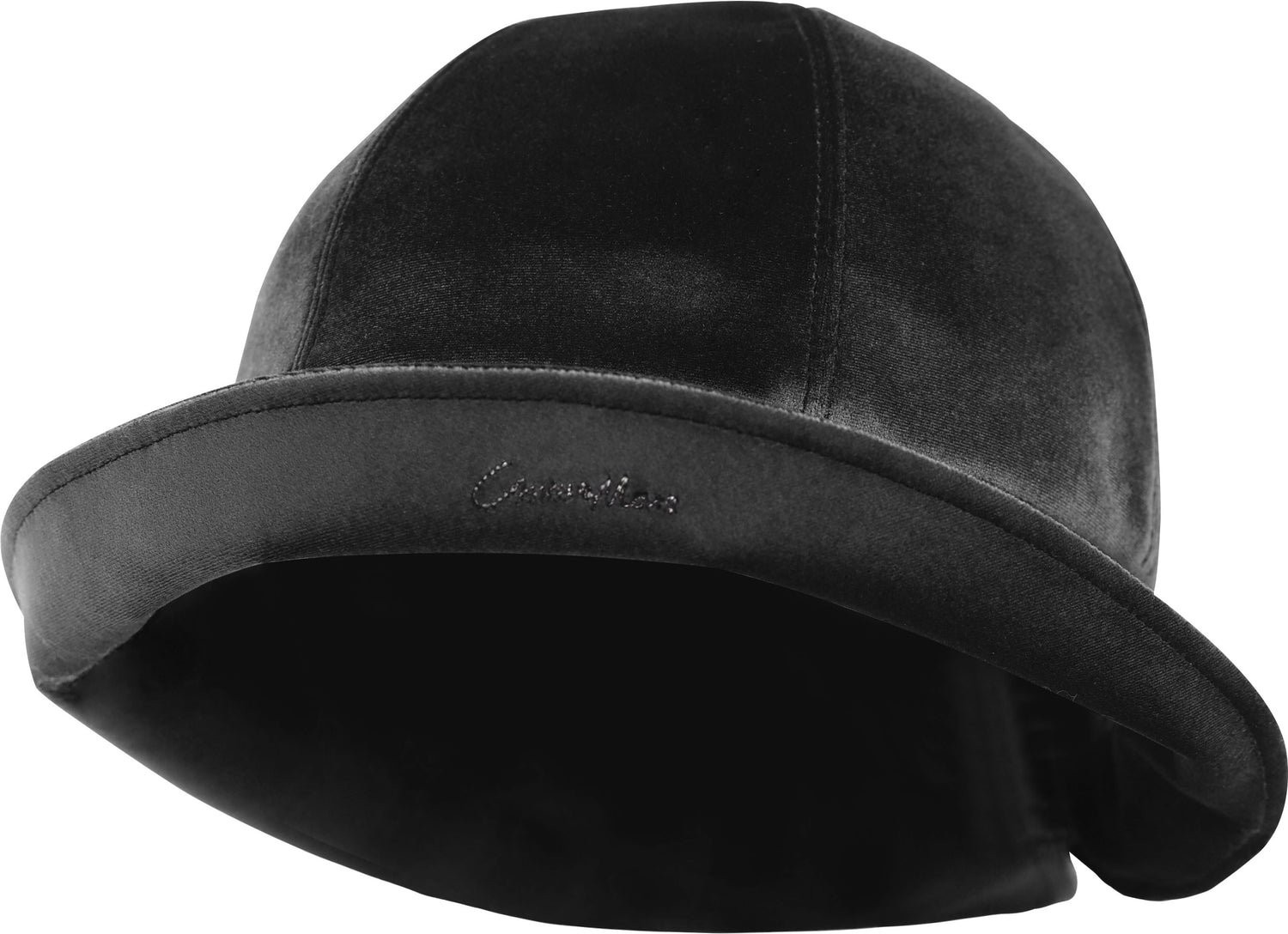
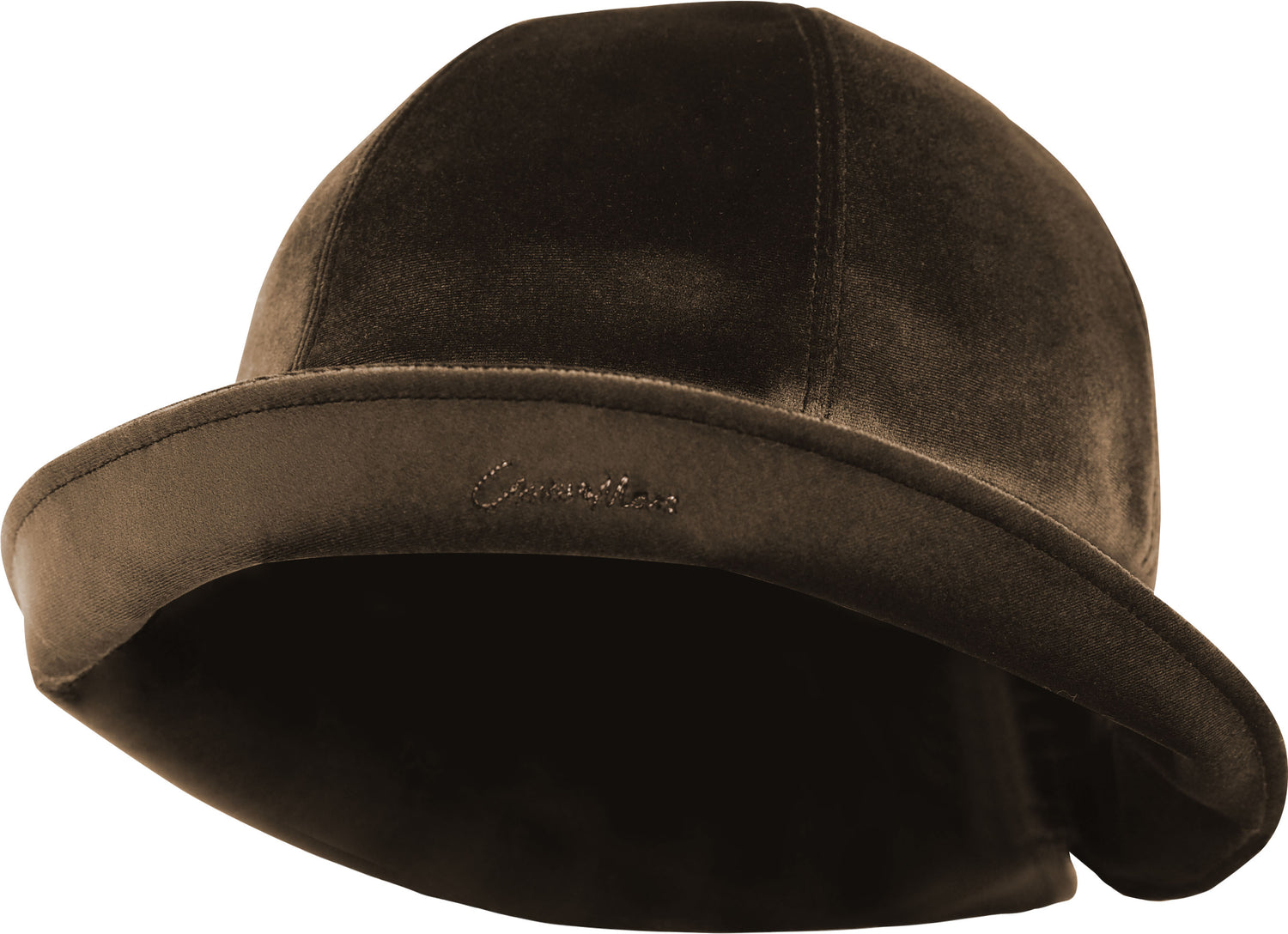
Velvet: High-quality velvet berets are constructed differently. Because velvet is a woven fabric with a dense pile, it is typically sewn using a multi-panel design. This allows the hat to hold a three-dimensional, sculptural dome shape all on its own. For example, the Hikesity Sculptural Velvet Beret uses a precise 6-panel construction. It pops perfectly onto your head, holding a voluminous, face-framing shape without flattening your hairstyle or requiring constant adjustment.
Comfort: Escaping the "Forehead Itch"
A hat can be gorgeous, but if you want to rip it off after 20 minutes, it's not a good investment.
Wool: Natural wool fibers have microscopic scales. While premium merino wool is softer, the vast majority of affordable wool berets on the market are made from coarser fibers. After a few hours of wear, the friction of the wool against the sensitive skin of your forehead can cause redness, itching, and irritation.
Velvet: Velvet is unmatched in comfort. The signature "pile" (the tiny, upright yarns that give velvet its texture) acts like a cushion against the skin. It is exceptionally soft, completely eliminating the dreaded forehead itch. Furthermore, velvet causes significantly less friction against your hair cuticles, meaning you won't suffer from frizz or static when you take the hat off.
Warmth: Combating the Elements
When the temperature drops below freezing, the primary function of any hat is insulation.
Wool: This is where wool takes the crown. Wool is a naturally insulating fiber that traps heat close to the body, even when damp. If you are trudging through a snowy winter landscape or facing bitter, icy winds, a thick felted wool beret is undeniably the warmest option.
Velvet: Velvet provides moderate warmth. Because it breathes better than thick felted wool, it is the ideal choice for crisp Fall days, mild Winter afternoons, or early Spring. It’s also vastly superior for indoor-outdoor transitions. If you wear a wool beret on the subway or into a coffee shop, you will quickly overheat. A velvet beret remains comfortable indoors, allowing you to keep your outfit fully styled without breaking a sweat.
Style & Occasions: Casual vs Couture
Your choice between a velvet beret vs wool beret will fundamentally change the vibe of your outfit.
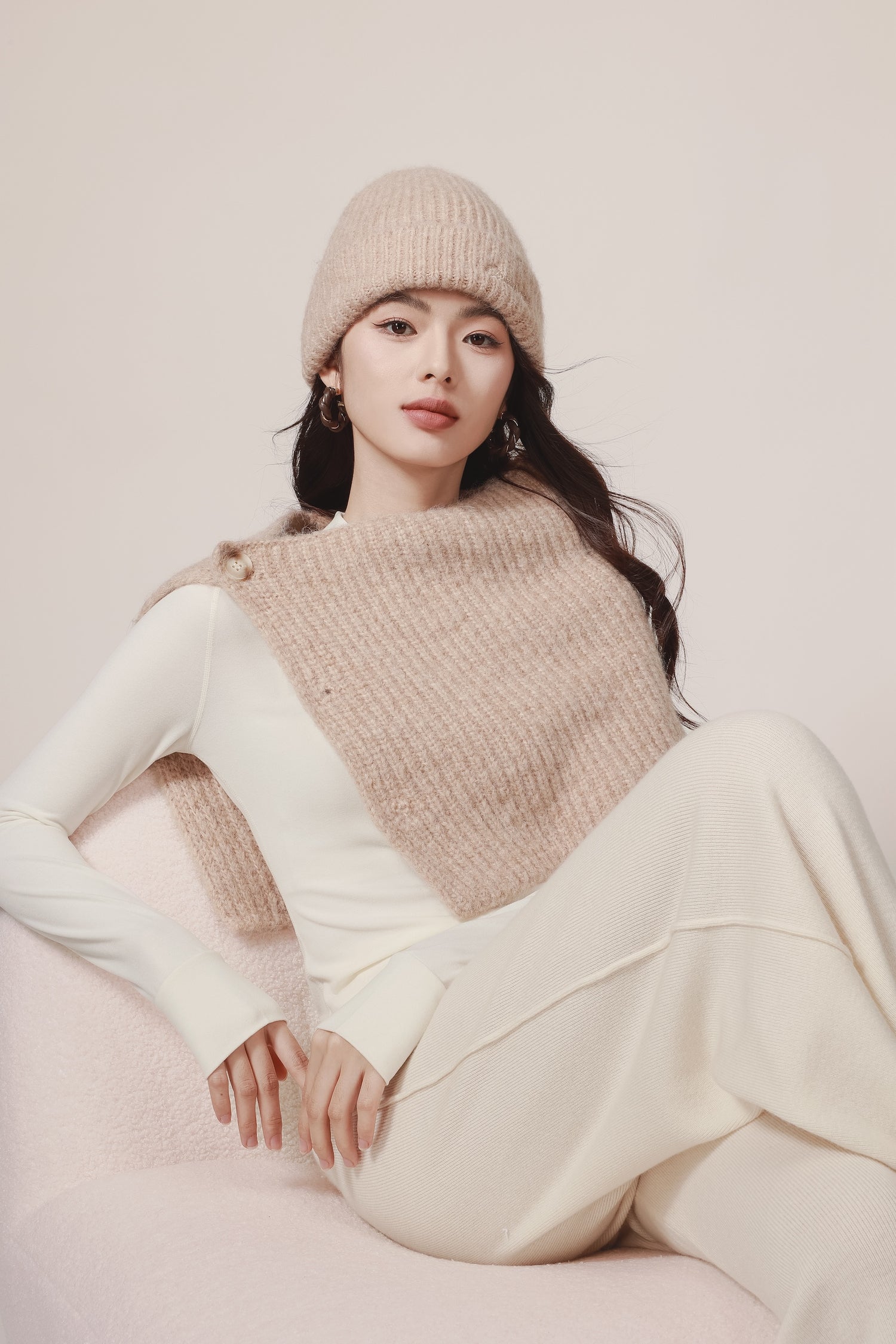
Wool: Matte and slightly textured, wool is distinctly casual. It pairs beautifully with chunky knit sweaters, oversized scarves, denim, and classic trench coats. It gives off a traditional, bohemian, "running errands in the city" aesthetic.
Velvet: Velvet introduces texture, depth, and a subtle, sophisticated sheen that catches the light. It instantly elevates a look. A velvet beret transitions flawlessly from day to night. You can pair it with a tailored blazer for a chic daytime look, and leave it on when you head to a dimly lit cocktail bar in the evening. It looks luxurious, intentional, and polished.
Maintenance: Keeping Your Hat Pristine
How much effort are you willing to put into caring for your accessories?
Wool: Wool requires careful maintenance. If washed improperly, it will shrink drastically. Over time, the friction from wear will cause wool to "pill" (form tiny balls of fuzz on the surface), which makes the hat look old and worn out. It requires shaving or using a specialized fabric comb to maintain.
Velvet: Velvet requires zero shaving because it does not pill. Its main maintenance requirement is dust removal, as the plush texture can attract lint. A quick roll with a sticky lint roller keeps it looking brand new. If the pile ever looks crushed from being stuffed in a suitcase, simply hovering a garment steamer over it for 10 seconds will instantly revive its 3D volume.
Price: The Economics of Hat Shopping
Wool: Because single-piece felted wool berets are extremely cheap to manufacture, you can find them everywhere from fast-fashion retailers to tourist gift shops, typically ranging from $15 to $45. However, due to pilling and shape-loss, they often need to be replaced every season.
Velvet: A high-quality velvet beret is an investment piece. The multi-panel construction and premium fabric push the price range slightly higher, usually between $25 and $65. However, because velvet doesn't pill and a structured design never loses its shape, a velvet beret will last you for years, making it the smarter long-term buy.
The Verdict: Which is Right for You?
If you live in a climate with extreme, freezing winters and prefer a highly casual, matte aesthetic, a traditional wool beret is a solid addition to your outerwear arsenal.
However, if you are looking for an accessory that elevates your outfits, holds a flattering shape without constant adjustment, and feels luxurious against your skin, velvet is the undisputed winner. It bridges the gap between classic Parisian charm and modern elegance.
Ready to experience the perfect shape?
Say goodbye to flat, itchy wool and discover the effortless 3D volume of our premium velvet collection.