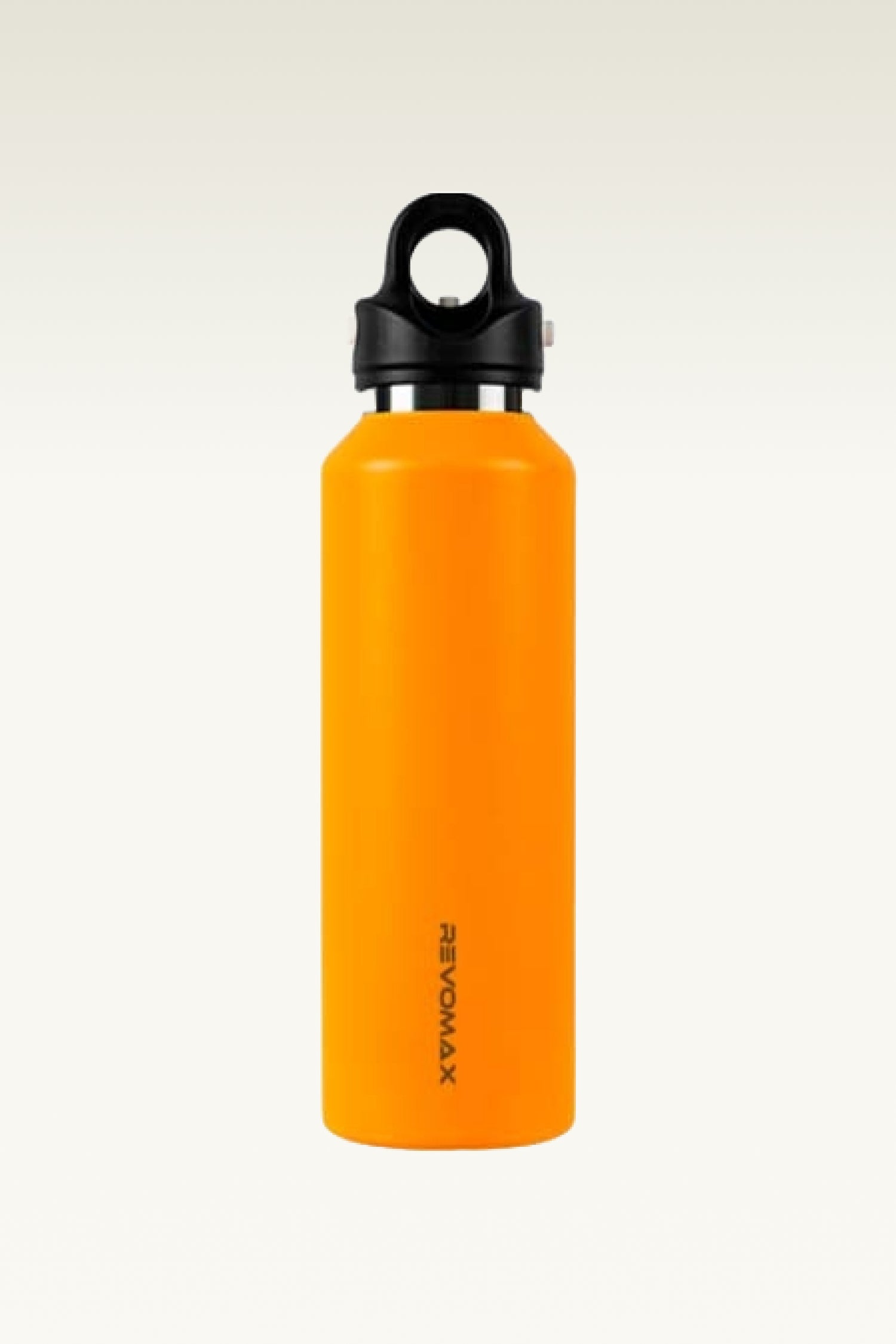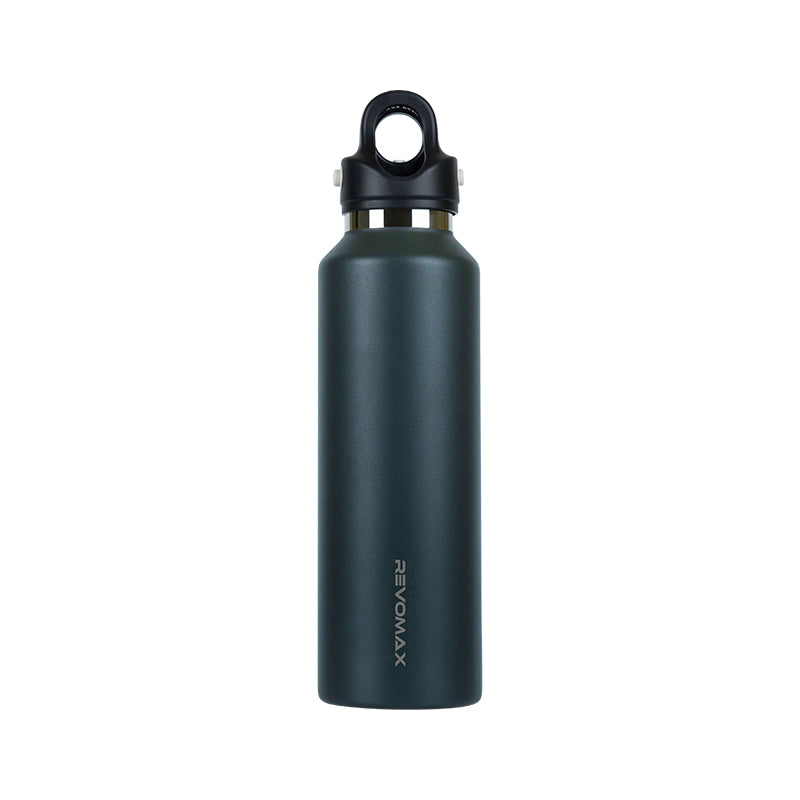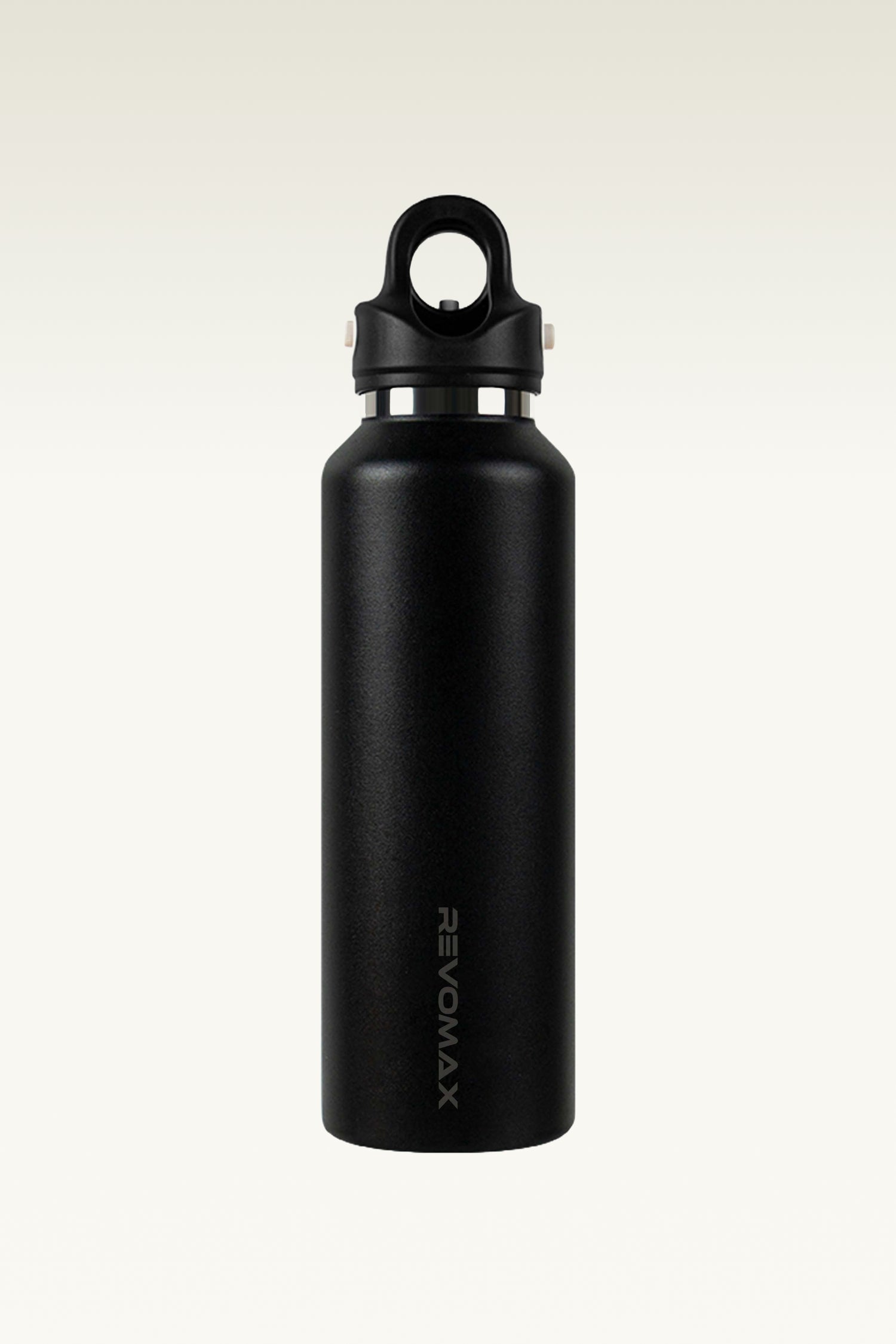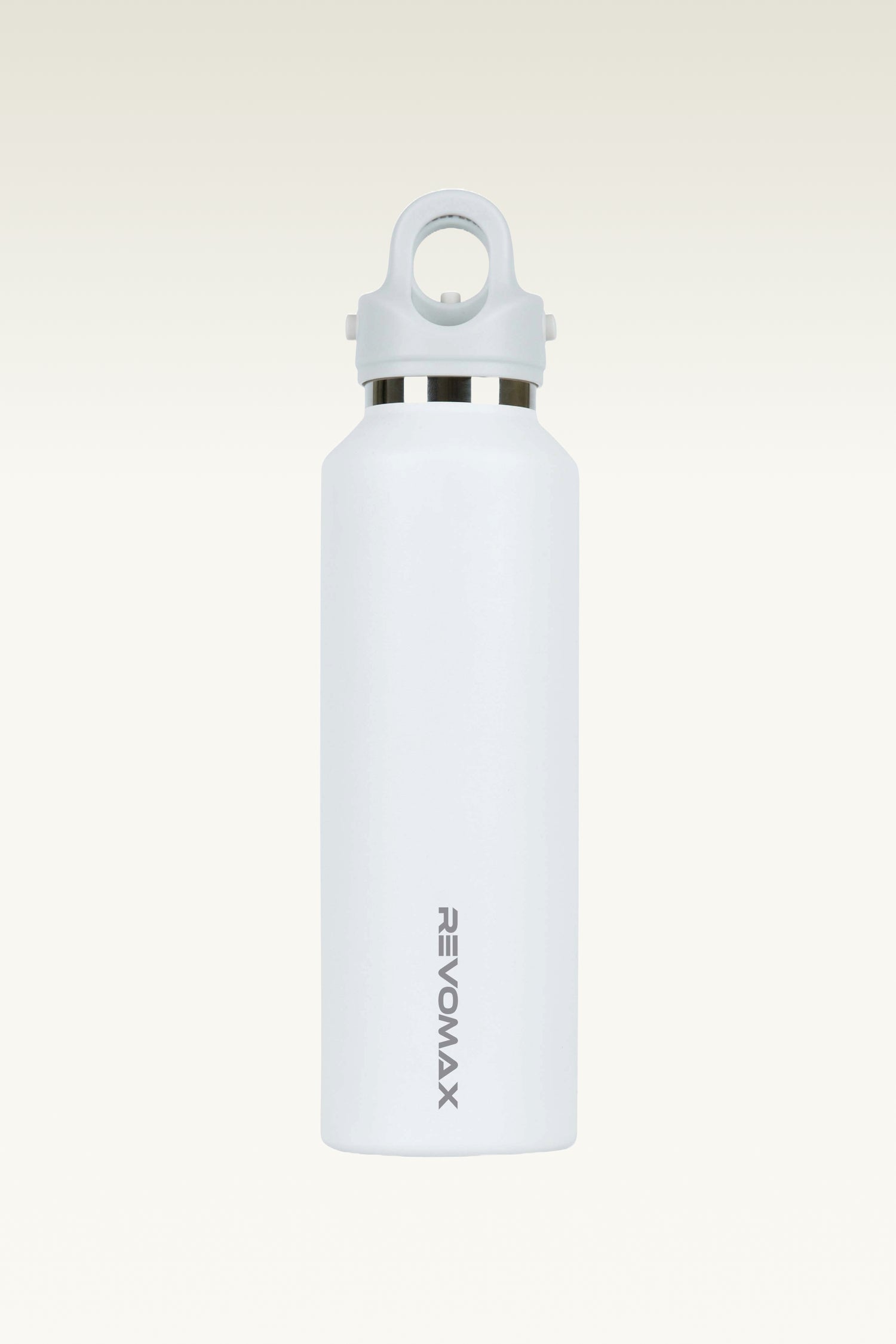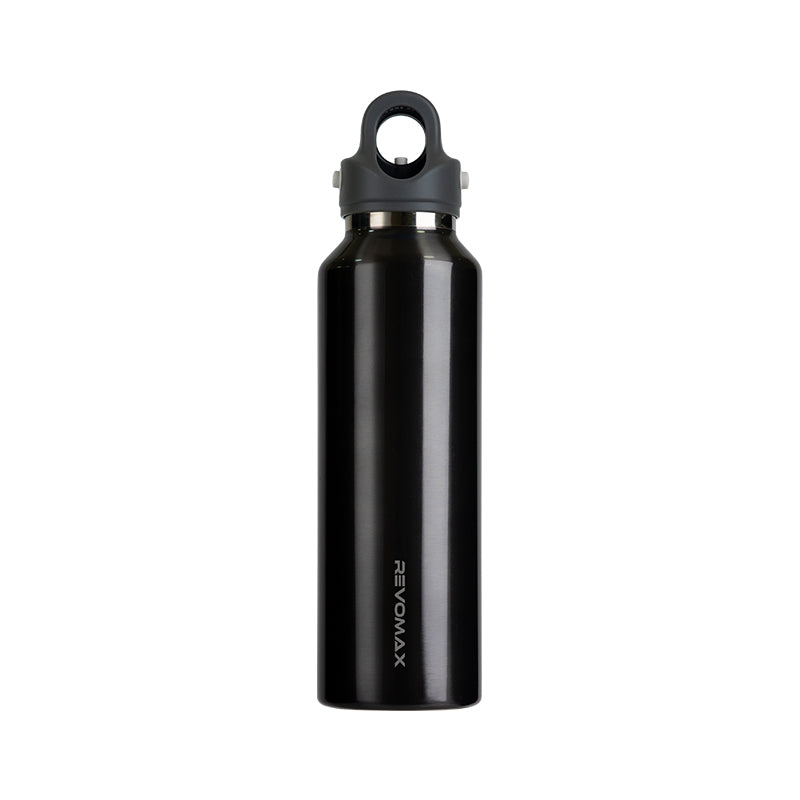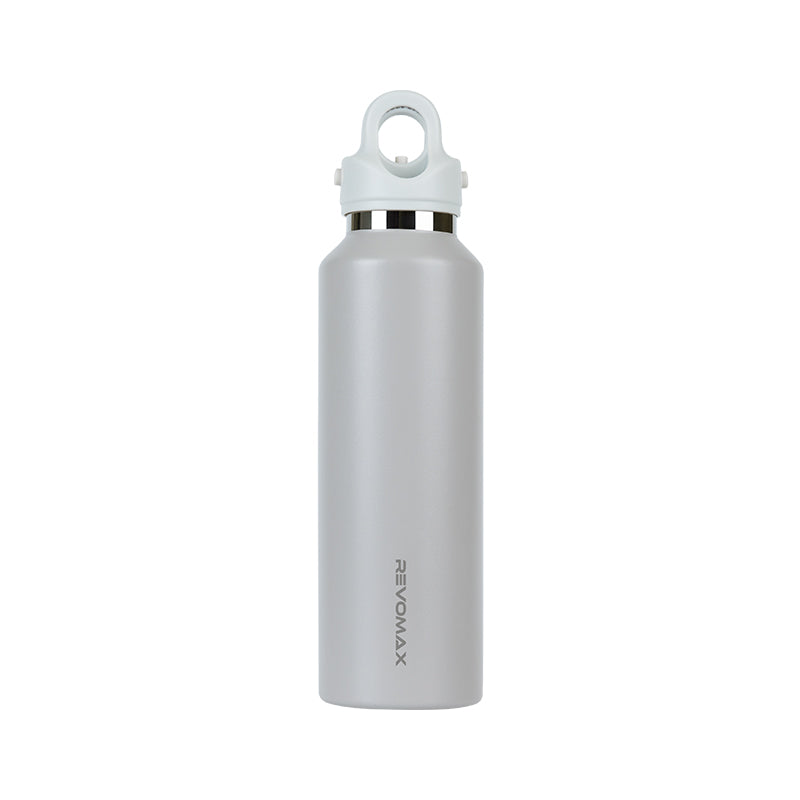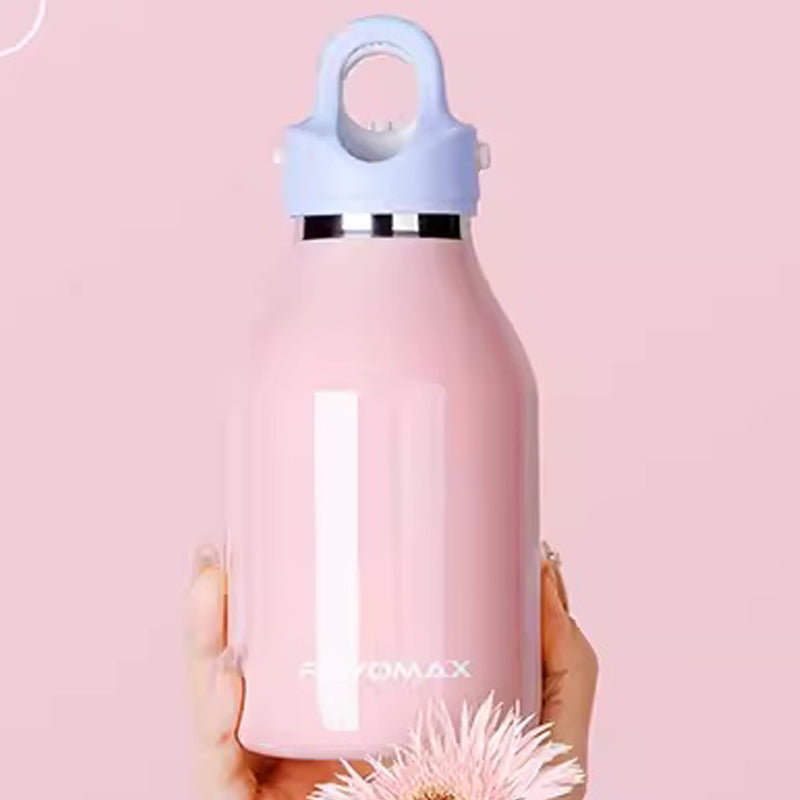
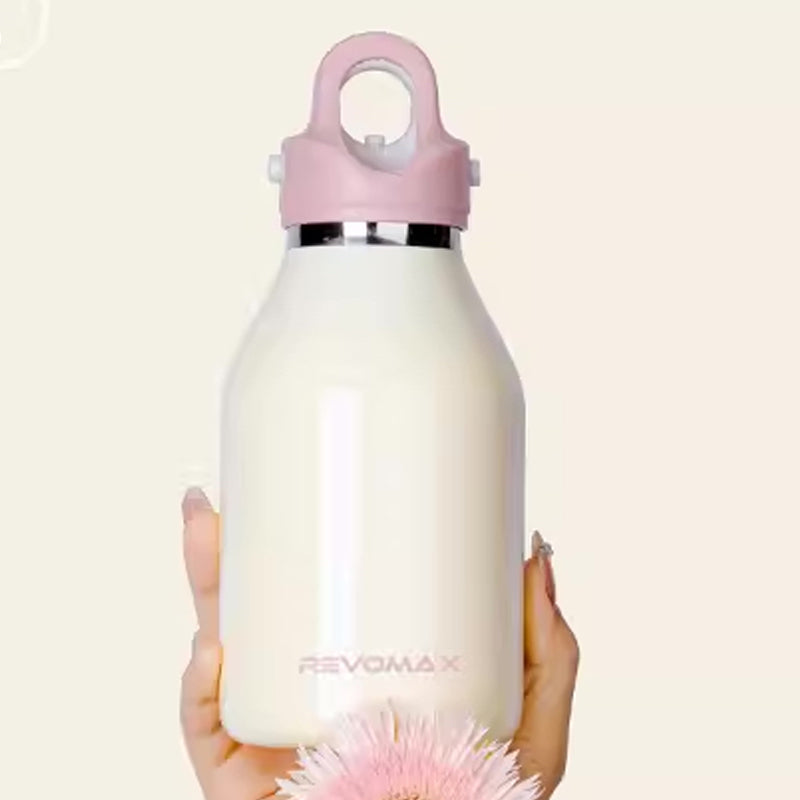


Walk into any outdoor or kitchenware section and you'll be hit with bottles in a dozen sizes — 12oz, 16oz, 20oz, 24oz, 26oz, 32oz, 40oz, sometimes a 64oz monster the size of a small dog. It's overwhelming, and the labels don't tell you much. Should you grab the 16oz so it actually fits in your bag? Or go big with a 32oz so you stop refilling four times a day?
Here's the truth: the "right" size has very little to do with how much water you drink and almost everything to do with where you'll carry it, who's holding it, and how often you can refill. Get those three things right and the size question answers itself.
Below is the most practical 16oz vs 20oz vs 32oz comparison we can give you, drawn from the real-world feedback of our customers across hundreds of 316L medical-grade Hikesity bottles shipped over the last year.
TL;DR — The Quick Answer
| Size | Capacity | Empty Weight | Best For | Cup Holder Fit |
|---|---|---|---|---|
| 16oz (473 ml) | ~2 cups | ~0.55 lb / 250 g | Kids, smaller hands, desk use, light commute, gym short sessions | ✅ Yes |
| 20oz (592 ml) | ~2.5 cups | ~0.75 lb / 340 g | Most adults — daily commute, gym, office, light hikes | ✅ Yes |
| 32oz (950 ml) | ~4 cups | ~1.05 lb / 480 g | All-day hiking, long road trips, all-day office, hot summer days | ⚠️ Standard cup holders may be tight; oversized car cup holders fine |
The 60-second answer: If you're an average adult and you can refill once or twice during the day, 20oz is the sweet spot. If you can't refill on the trail, in meetings, or during a long drive, jump to 32oz. If portability or hand size matters more than capacity, stay with 16oz.
The 16oz Bottle: Light, Pocketable, Underrated
A 16-ounce bottle holds about 473 ml — roughly two standard glasses of water. On paper that sounds small, but it's the most practical size for far more people than the internet gives it credit for.
Who the 16oz is perfect for:
- Kids and teens. A 32oz bottle fully loaded weighs more than two pounds — too much for a school backpack day after day. The 16oz is the right ergonomic match for smaller hands and shoulders.
- Anyone with smaller hands. The slimmer barrel is genuinely easier to grip, especially with one hand while typing or driving.
- Desk-based professionals near a water source. If your kitchen, water cooler, or filtered tap is a 30-second walk, a 16oz refilled twice a day is friendlier than a heavy 32oz that sweats on your laptop.
- Short gym sessions and yoga. A 45-minute workout rarely demands more than 16oz, and the smaller bottle won't roll around in a tote bag.
- Personalization lovers. Our 16oz Mix & Match lets you mix and match the lid, body, and boot from 576 color combinations — the only Hikesity size where every part is fully customizable.
Where the 16oz falls short:
If you can't realistically refill during the day — long flights, hikes longer than two hours, all-day road trips, hot construction-site work — 16oz simply isn't enough water. You'll either run out or refill in places you'd rather not (gas station bathrooms, anyone?).
The 20oz Bottle: The Default Choice for a Reason
If we had to pick a single size for "most adults, most of the time," it would be 20oz (592 ml). It's the size we sell the most of by a wide margin, and the customer feedback is consistent: it fits everywhere, weighs almost nothing when empty, and holds enough water for a meaningful chunk of your daily intake.
Who the 20oz is perfect for:
- Daily commuters. Fits every standard car cup holder we've tested. Slides into the side pocket of nearly every backpack.
- Office workers. Big enough that you're not refilling every hour, small enough that it doesn't dominate your desk.
- Gym and CrossFit regulars. Holds enough for a 90-minute session including a hard cooldown.
- Coffee and tea drinkers. 20oz matches the size of a large takeaway cup, which is why we made our 20oz 316L Medical-Grade Bottle our most-reviewed product.
- Light day hikes (1-3 hours). Plenty of water for the trail without the bulk of a 32oz on your shoulder strap.
Why we put so much engineering into the 20oz:
This is the first size most customers buy. It's where our patented no-screw lid technology shines — open one-handed in two seconds while driving, hiking, or holding a kid. The 20oz is also where the 316L medical-grade interior matters most, because this is the size people use for coffee, tea, and acidic drinks day after day.
The 32oz Bottle: When Capacity Wins
32 ounces (950 ml) is roughly a full liter — close to half the daily water intake recommended by the U.S. National Academies (about 64-91 oz total fluids depending on body size). Two refills of a 32oz bottle and you're already at your daily target without thinking about it.
Who the 32oz is perfect for:
- All-day hikers. A 4-6 hour hike in moderate weather burns through 16-20oz easily; in summer heat, more. Carrying a 32oz means you don't have to ration water on the trail.
- Road trippers. One refill per gas stop = no rationing on a 6-hour drive.
- Outdoor and warehouse workers. If you can't step away to refill every hour, 32oz earns its weight.
- Endurance athletes. Long runs, cycling, basketball — sports where you sweat heavily and a 16-20oz empties in 30 minutes.
- People who simply forget to drink water. Counterintuitively, having a bigger bottle on your desk can lead to drinking more water, because you don't have to stop and refill.
Our 32oz 316L Medical-Grade Bottle uses the same no-screw lid technology and the same surgical-grade interior as the 20oz — just in a bigger barrel. Customers tell us it's the bottle that finally got them to hit their daily water goal without an app or a reminder.
What to watch out for with 32oz:
- Cup holder fit. Standard older-car cup holders can be tight. Most newer SUVs, trucks, and modern sedans accommodate 32oz fine, but check your specific vehicle.
- Weight when full. A full 32oz bottle weighs about 2.1 lb / 950 g. Not a problem in a backpack with proper straps, but noticeable in a small handbag.
- Backpack pocket fit. Most outdoor packs fit 32oz easily. Small everyday-carry slings sometimes don't — measure the pocket if you're not sure.
Decision Framework: Match Your Size to Your Day
Forget what looks cool on Instagram. Answer these three questions:
1. How often can you actually refill?
Walk through your typical day. If you have access to clean water at least every 2-3 hours, a 16oz or 20oz works. If there are 4+ hour stretches with no refill option (long drives, hikes, flights, full work shifts), step up to 32oz.
2. Where does the bottle live during the day?
If it spends most of the day on a desk or kitchen counter, weight is irrelevant — pick whatever capacity matches your refill rhythm. If it's clipped to a backpack, in a tote bag, or jammed into a school locker, weight and dimensions matter a lot. 16oz wins on portability, 32oz wins on capacity, 20oz is the universal compromise.
3. Who is using it?
An adult ergonomic preference is different from a kid's. We see most parents settling on 16oz for kids 6-12, 20oz for teens, and either 20oz or 32oz for themselves depending on their commute.
The Hidden Variable Most Size Guides Skip: Material
Here's something the typical "what size water bottle should I get" article won't tell you. The size debate is downstream of a more important question: what is the inside of the bottle made of?
Most insulated water bottles on the market — including premium brands — use 304 (18/8) stainless steel for the interior. It's safe and food-grade. But if you regularly drink coffee, tea, lemon water, kombucha, or sports drinks (anything below pH 5.0), 304 steel can react with the acid and produce a faint metallic taste over time.
Hikesity uses 316L medical-grade stainless steel — the same alloy used in surgical implants — across all three of our core sizes (16oz, 20oz, and 32oz). The 2-3% molybdenum content makes it nearly inert to acidic beverages, which means zero metallic taste even after years of daily coffee. We've written a deeper guide on the 316L vs 304 difference here.
So when you're choosing your size, you're not also having to compromise on material. Whether you go 16oz, 20oz, or 32oz, you get the same medical-grade interior.
Hikesity Size Recommendations
| Your Use Case | Our Recommendation | Price |
|---|---|---|
| Kids' lunchbox, light desk use, personalization lovers | 16oz Mix & Match (576 color combos) | $69 |
| Daily commute, gym, office, coffee/tea drinkers | 20oz 316L Medical-Grade Bottle | $65 |
| All-day hiking, long drives, outdoor workers, endurance athletes | 32oz 316L Medical-Grade Bottle | $75 |
| Tea lovers, ultralight backpackers, ultimate flavor purity | 20oz Pure Titanium with Magnetic Tea Infuser | $120 |
Frequently Asked Questions
What size water bottle should I get for everyday use?
For most adults, 20oz (592 ml) is the everyday default. It fits standard car cup holders, slides into virtually every backpack pocket, and holds enough water for a typical 2-3 hour stretch between refills. Step up to 32oz if you regularly go long stretches without access to a refill, or step down to 16oz if portability and weight matter more than capacity.
How many ounces of water should I drink a day?
The U.S. National Academies of Sciences recommend roughly 91 oz (2.7 L) of total fluids for adult women and 125 oz (3.7 L) for adult men, including water from food. The popular "8 glasses a day" rule equals about 64 oz from drinking water specifically. Two refills of a 32oz bottle, or three of a 20oz, will get you to that target.
Will a 32oz water bottle fit in a car cup holder?
It depends on the car. Most modern SUVs, trucks, and many newer sedans (built after roughly 2018) have cup holders sized for 32oz bottles. Older sedans, sports cars, and compact cars often have tighter cup holders that fit 20oz comfortably but not 32oz. If you're not sure, measure the diameter of your cup holder — Hikesity 32oz has a 3.3-inch / 84mm base.
Is a 16oz water bottle too small for adults?
Not at all — provided you can refill during the day. Many adults prefer 16oz for desk work, light commutes, and short gym sessions because it's lighter, easier to grip, and fits anywhere. The "16oz is for kids" assumption is outdated. The right answer depends on refill access, not body size.
What's the weight difference between 16oz, 20oz, and 32oz when full?
A full Hikesity 16oz weighs roughly 1.6 lb / 720 g (water + bottle). A full 20oz weighs about 2.0 lb / 930 g. A full 32oz weighs about 2.1 lb / 950 g of water plus the bottle weight, totaling roughly 3.1 lb / 1.4 kg. The jump from 20oz to 32oz adds noticeable weight in a handbag, but is barely felt in a hiking pack.
Should I buy two sizes instead of one?
Honestly — yes, this is the most common pattern we see in repeat customers. A 16oz or 20oz for daily commute and a 32oz for hikes, road trips, and weekend adventures covers nearly every scenario. Because every size in the Hikesity lineup uses the same 316L medical-grade interior and no-screw lid, you're not making a quality compromise either way.
The Bottom Line
The "best" water bottle size isn't a single answer — it's a match between how much you drink, how often you can refill, and how you carry the bottle. 20oz is the safe default for most adults. 16oz wins on portability, customization, and ergonomics. 32oz wins when you can't refill or simply want fewer interruptions to your day.
And whichever size you choose, look at what's inside the bottle. The difference between 304 food-grade steel (most brands) and 316L medical-grade steel (Hikesity, a few others) is the difference between a faint metallic tang in your morning coffee and a clean, pure taste years from now.
Browse the full Hikesity Hydration Collection to compare all 14 bottles side by side, or jump straight to our most-reviewed 20oz 316L if you want the safest first choice.
Hydrated and happy hiking.
This guide is independently researched by the Hikesity Gear Lab. Capacity, weight, and dimension figures are for Hikesity products; competitor sizes may vary. For more on material and lid technology, see our companion guides on the best insulated water bottles of 2026 and no-screw vs screw-top lids.
Last updated: April 2026 | By Hikesity Gear Lab
🥤 Pick Your Size at Hikesity
Each Hikesity bottle uses 316L medical-grade interior + threadless lid. Match your size to your routine:
- 👉 16oz → 16oz Mix & Match (compact, cup-holder + backpack pocket fit, 576 color combos)
- 👉 20oz → 20oz 316L No-Screw (the sweet spot — fits standard cup holders, full coffee + lunch hydration)
- 👉 32oz → 32oz 316L No-Screw (gym, hiking, all-day field work)
- 👉 20oz Premium → Titanium 20oz with Magnetic Tea Infuser (ultralight, zero-taste, tea + coffee specialists)