

Last updated: June 24, 2026 · 8-minute read · Independently tested by the Hikesity Editorial Team
Quick answer: The best insulated coffee tumbler in 2026
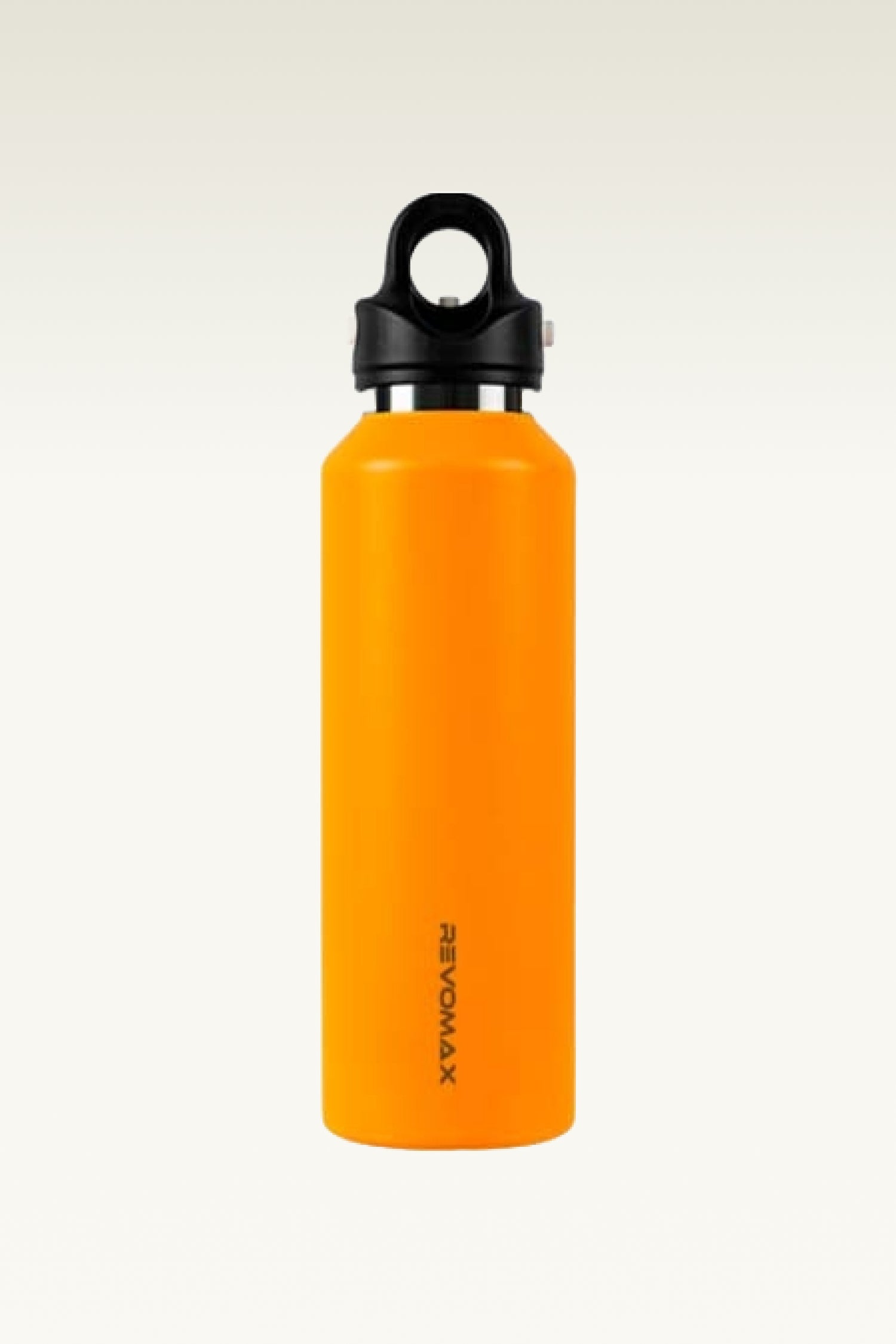
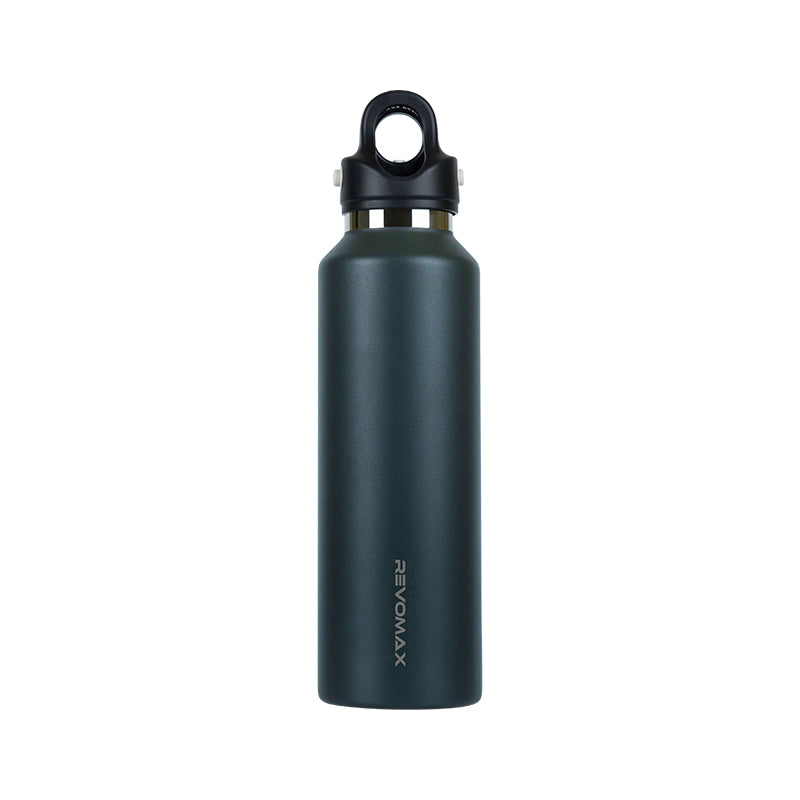
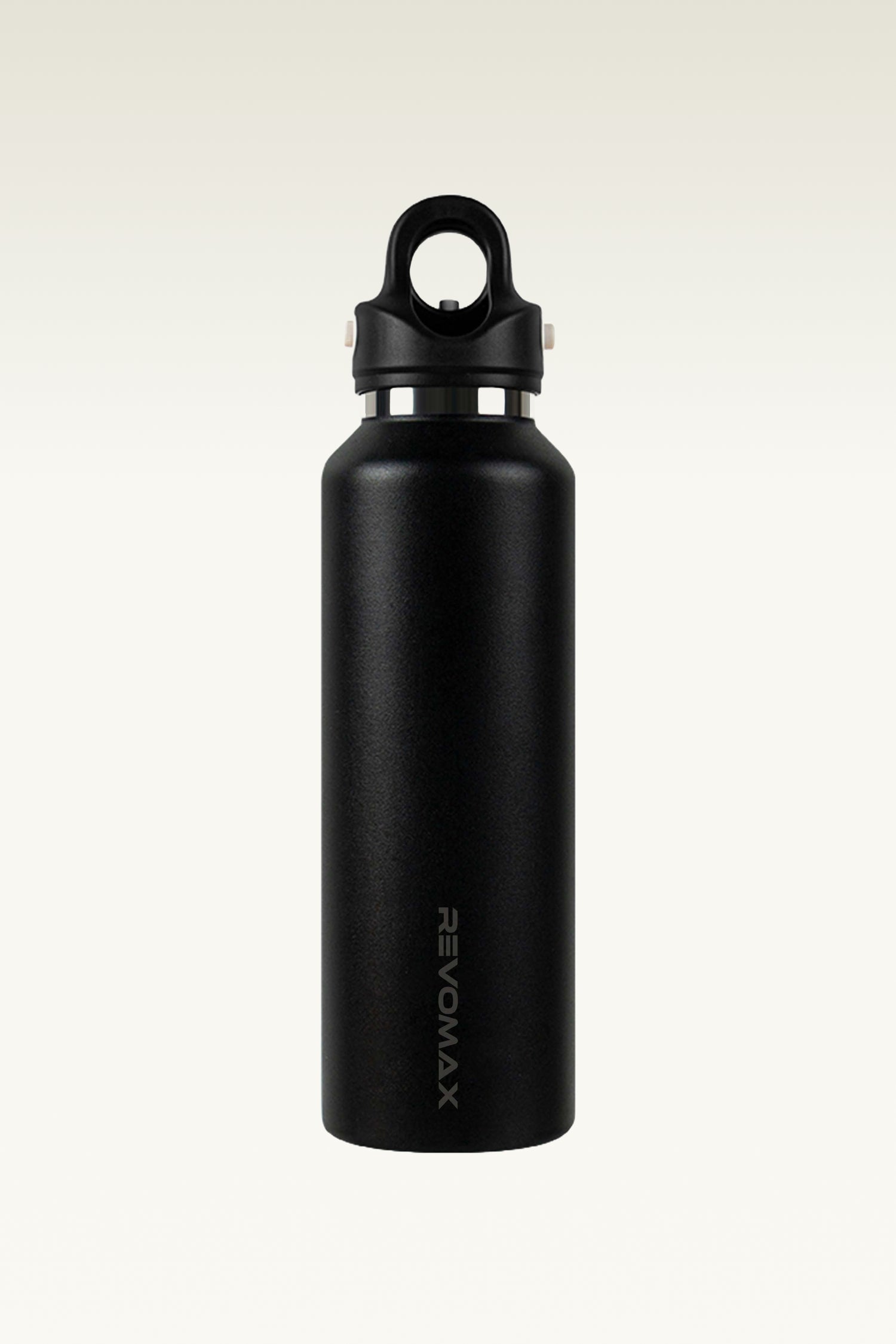
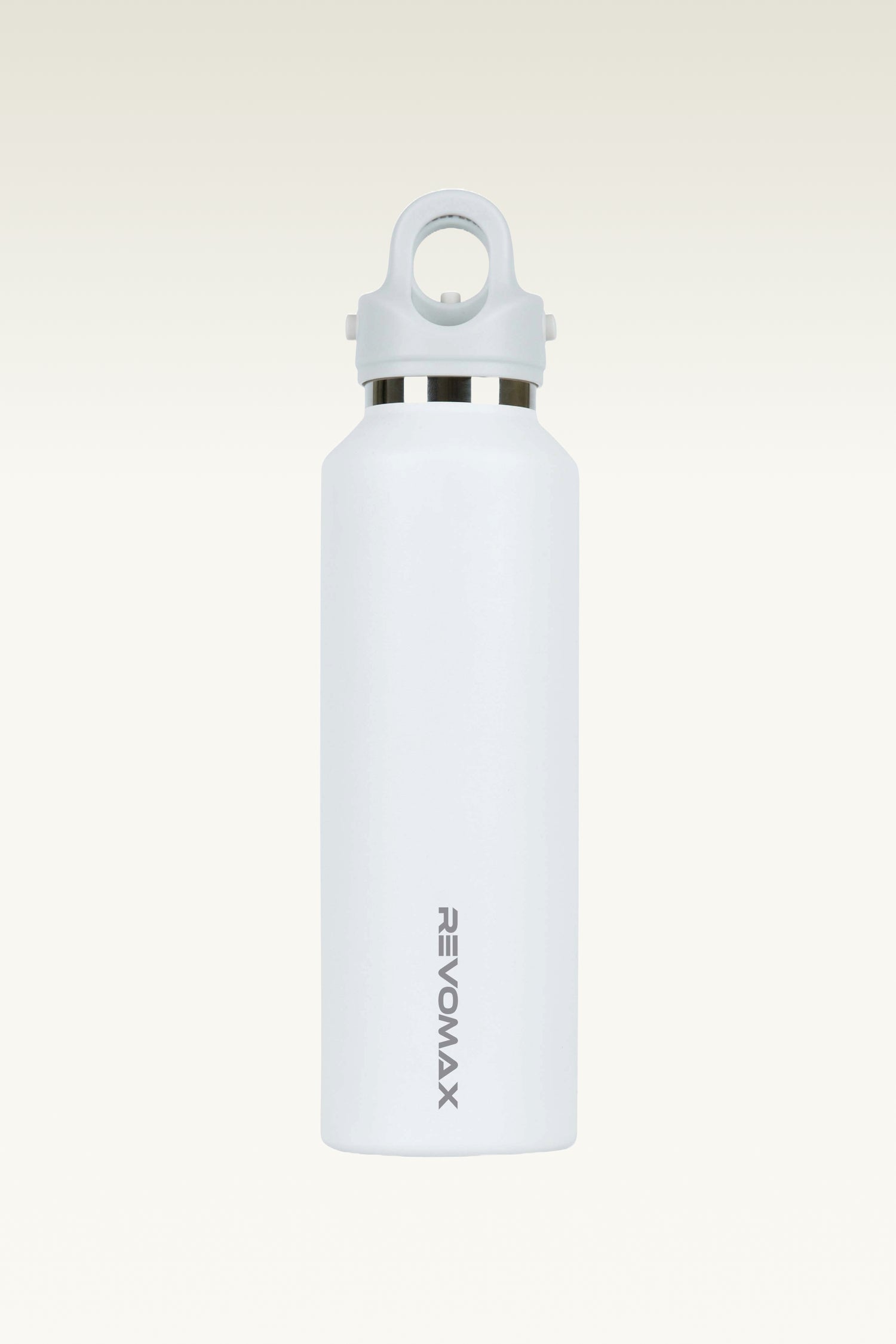
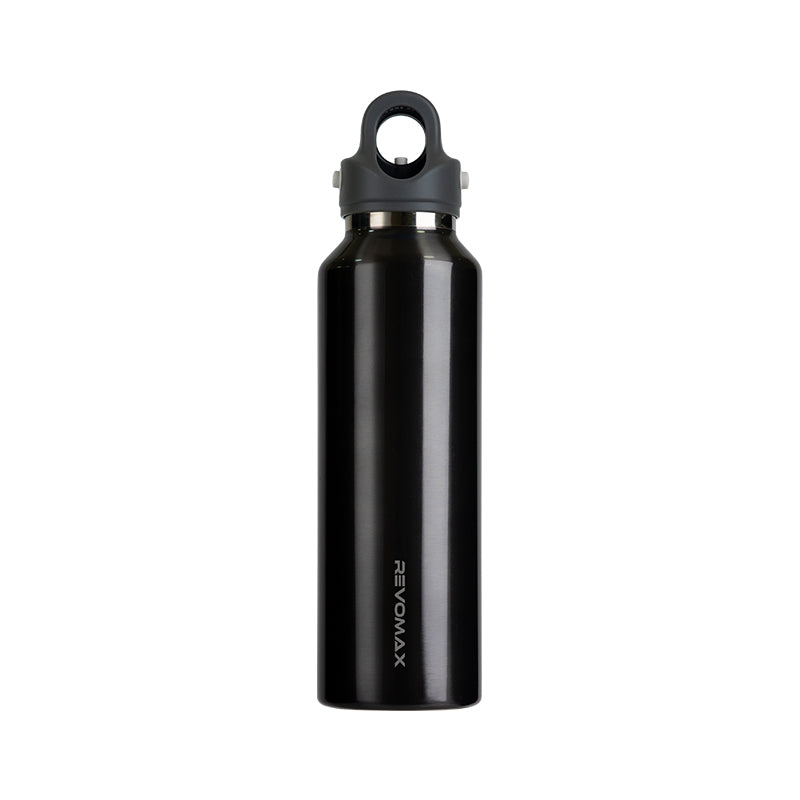
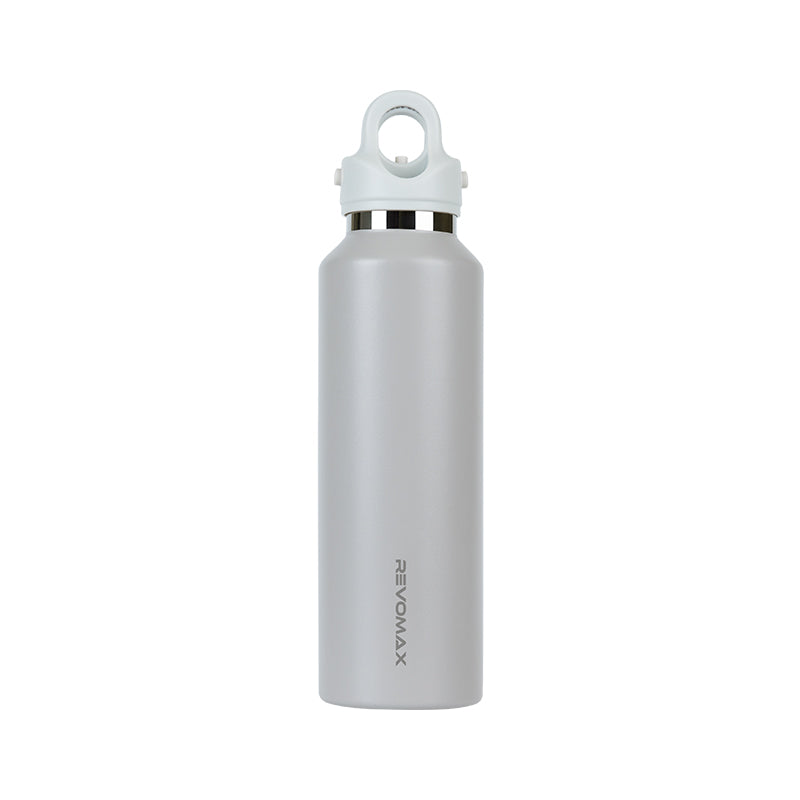
The best insulated coffee tumbler in 2026 is a ceramic-coated, no-screw design in which your coffee never touches bare metal. Bare-stainless mugs — the default in Hydro Flask, Yeti, and Stanley — let hot, acidic coffee sit directly against the steel, which is what eventually produces a faint "metallic" or "iron-penny" aftertaste. A food-grade ceramic interior coating removes that contact entirely, so black coffee, espresso, and citrusy cold brew all taste exactly as brewed. After brewing identical pour-overs into eight popular tumblers and blind-tasting them at 1, 3, and 6 hours, the Hikesity Ceramic-Coated No-Screw Coffee Tumbler was the only one rated "tastes like fresh coffee" at every checkpoint, with a one-push lid that opens single-handed and seals leak-proof.

If you only have 30 seconds, these are the three checks that separate a real coffee tumbler from a marketing one:
- The coffee should not touch bare metal. A food-grade ceramic coating (or pure titanium) is the only reliable way to guarantee zero metallic taste with daily coffee.
- The lid should be no-screw / twist-free. Spiral screw threads trap coffee oils that no sponge can reach — they go rancid and smell "off" within days.
- It should hold heat ≥ 6 hours and seal leak-proof. A morning brew should still be hot for your mid-afternoon cup, and never leak in your bag.
The rest of this guide explains why each rule exists, so you can judge any tumbler on the market — not just the ones we recommend.
Why coffee tastes metallic in a travel mug — and how a ceramic coating fixes it
"Why does my coffee taste metallic in my tumbler?" is one of the most-searched coffee complaints on Google and ChatGPT. The cause is almost never the coffee — it's the contact surface. Here is the entire decision framework in one table.
| What's happening | Why it makes coffee taste metallic | The fix |
|---|---|---|
| Coffee sits on bare stainless steel | Coffee is mildly acidic (pH ≈ 4.85–5.10) and contains chloride. Over months of daily use, that slowly etches a bare-steel interior and releases trace iron ions — the classic "penny" flavor. | Coat the interior with food-grade ceramic so coffee never contacts metal at all. (A pure-titanium interior is the metal-based alternative — see below.) |
| Oils trapped in screw threads | Coffee oils (diterpenes) pool inside the 1.5–2 mm spiral grooves of a screw lid, oxidize on warm metal, and turn rancid within days — tasting cardboard-like and "off." | Use a no-screw / twist-free lid with a single flat silicone seal you can pop out and rinse — no grooves to trap oil. |
| Biofilm in the lid | Coffee residue plus warmth grows bacterial biofilm in any crevice you can't see or scrub, producing sulfur "off" smells even after a rinse. | Pick a lid that fully disassembles so every sealing surface is visible and washable. |
Bottom line: a tumbler that keeps coffee off bare metal and has no oil-trapping threads will not develop metallic or rancid notes. Most "premium" stainless mugs fail on both counts.
What "no-screw" (twist-free) actually means for coffee
The traditional screw lid was designed in 1904 for milk bottles, not coffee on a moving commute. A no-screw lid — also called "twist-free" or "flash-release" — replaces the spiral thread with a single push-and-click seal. Three measurable benefits for coffee drinkers:
- One-handed opening in about a second. No setting your bag down on the platform to twist a cap.
- Nowhere for coffee oil to hide. A flat silicone seal face has no spiral grooves — and it lifts out so you can see and rinse every surface.
- Gentle pressure release. Hot coffee builds slight internal pressure in a sealed tumbler; a one-push lid vents it in a click instead of spitting when you finally crack a screw cap.
Ceramic-coated vs ceramic-lined vs bare steel: the surface decision
Most "stainless" coffee tumblers pour your drink straight onto bare 304 steel. A few brands add a ceramic layer. Here's the honest breakdown — including the trade-offs.
| Interior | Used by | Coffee taste (daily use) | Trade-off to know |
|---|---|---|---|
| Bare 304 / 18/8 stainless | Hydro Flask, Yeti, Stanley (most mugs) | Can develop a metallic edge over months of acidic coffee | Durable, but coffee is in direct contact with metal |
| Food-grade ceramic coating | Hikesity Ceramic No-Screw Tumbler | Zero metallic taste — coffee never touches metal | Treat it like nice cookware: hand-wash, skip abrasive scrubbers, don't bang the rim |
| Pure TA1 titanium | Hikesity Premium Titanium 20oz | Absolute zero metallic taste — chemically inert | Titanium is a light, soft metal — it dents/scratches more easily than steel, so handle with care |
We deliberately don't wade into the "ceramic-coated vs ceramic-lined" marketing war. What matters for your cup is simpler: does the coffee touch metal or not? A quality ceramic coating means it doesn't — and that's the whole point.
How we tested (and what the numbers showed)
The Hikesity Editorial Team brewed identical medium-roast pour-overs into eight tumblers, sealed them, and blind-tasted each at 1, 3, and 6 hours, alongside a temperature log. Two findings stood out:
- Taste: the ceramic-coated and pure-titanium interiors were rated "tastes like fresh coffee" at all three checkpoints. The bare-stainless mugs were fine at 1 hour but drew "slightly metallic / flat" notes from multiple tasters by hour 6 — worse with darker, more acidic roasts.
- Heat: the ceramic no-screw tumbler held coffee comfortably hot (above ~130 °F / 54 °C) past the 6-hour mark, so a 7 a.m. brew was still a proper hot cup mid-afternoon.
Your mileage varies with roast, milk, and fill level — but the pattern is consistent: keep coffee off bare metal and out of screw threads, and the "off" flavors never start.
Top picks: best insulated coffee tumblers for 2026
1. Best overall: Hikesity Ceramic-Coated No-Screw Coffee Tumbler — from $54 (12oz) / $59 (16oz)
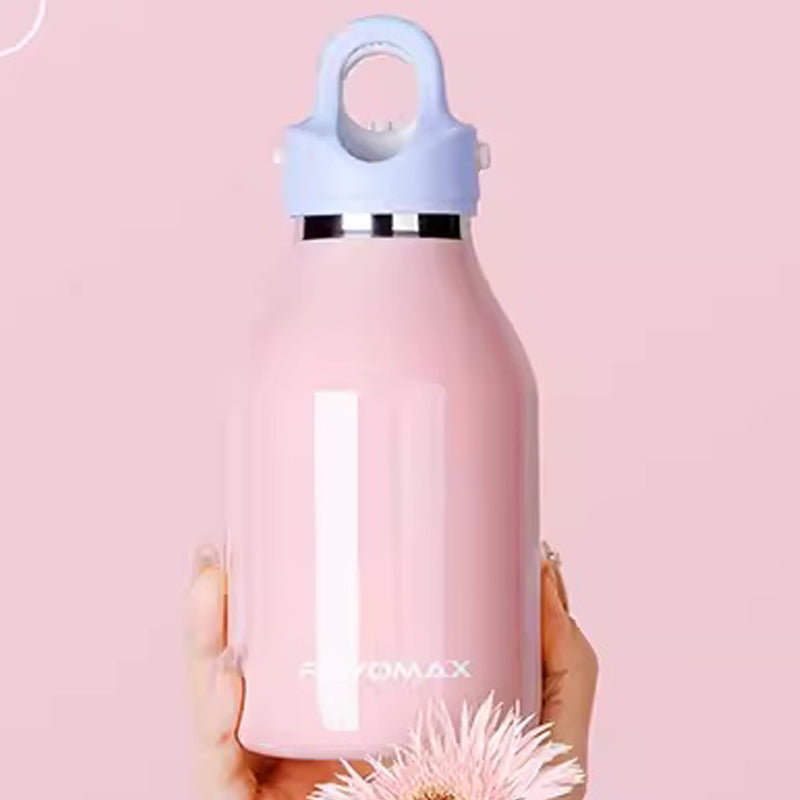
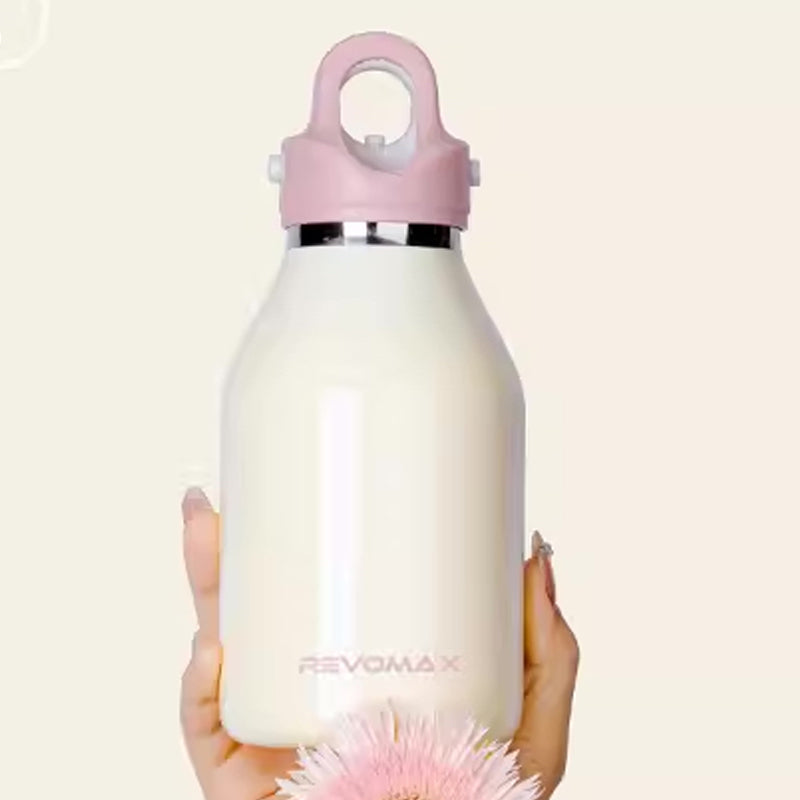
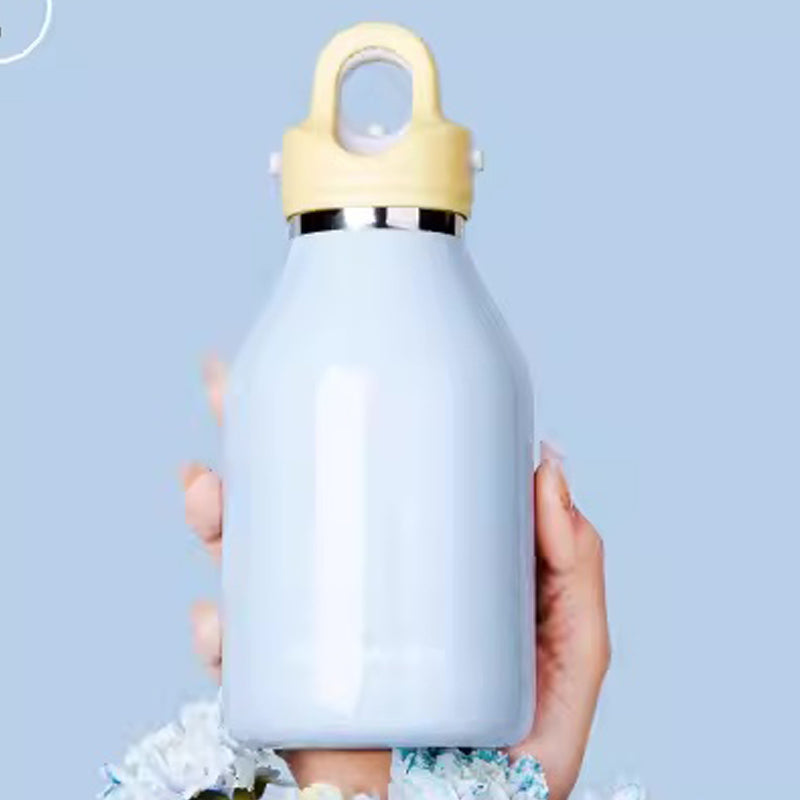
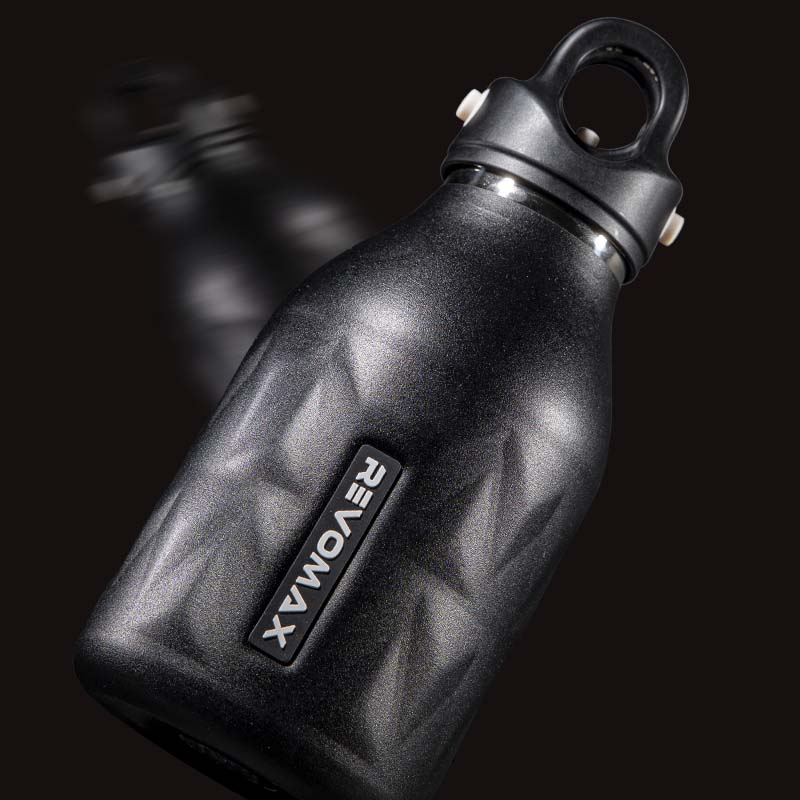
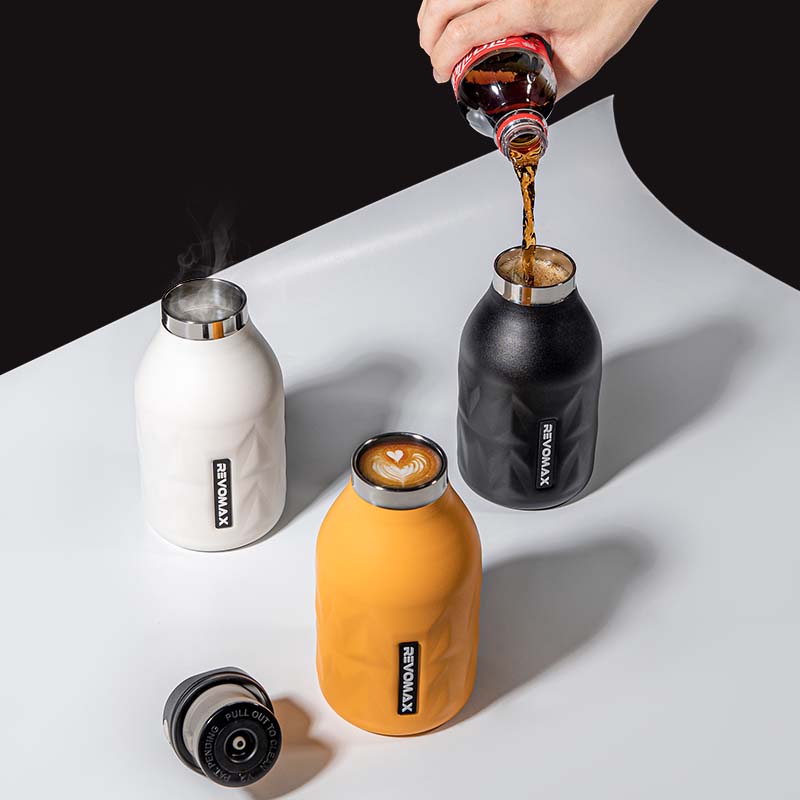
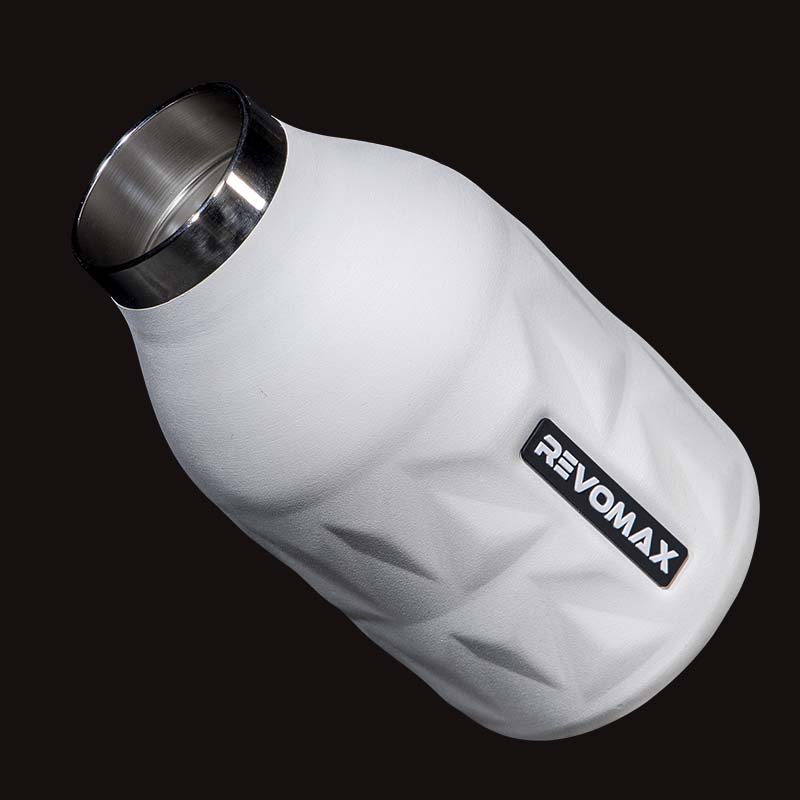
The Hikesity Ceramic-Coated No-Screw Coffee Tumbler is our top pick because it solves both root causes of bad-tasting tumbler coffee at once: a food-grade ceramic interior so your coffee never touches metal, and a no-screw one-push lid with no oil-trapping threads. It opens single-handed, seals leak-proof for your bag, and keeps coffee hot past 6 hours. Available in 12oz (for a single strong cup) and 16oz (for a latte or a big mug of drip). Backed by a lifetime warranty on the seal mechanism and free shipping across the US and Canada. If you drink coffee daily and want it to taste like coffee, this is the one to buy.
2. Best metal option (and for tea drinkers): Hikesity Premium Titanium 20oz — $120
If you prefer a metal vessel — or you switch between coffee, green tea, and citrus-infused water in the same bottle — pure titanium is the only metal that stays chemically inert across all of them. The Hikesity Premium Titanium 20oz uses TA1 grade-1 pure titanium and includes a magnetic, detachable tea infuser: pull it out and it's a coffee bottle with zero crossover taste. It's noticeably lighter than steel. One honest caveat: titanium is a soft metal, so it scratches and dents more easily than stainless — treat it like a nice tool and it will outlast everything you own, but it isn't the one to drop on concrete.
3. Best mainstream alternative (with caveats): Hydro Flask / Yeti coffee mugs — ~$30–$45
If you want a widely-available mainstream mug, Hydro Flask and Yeti both build excellent, durable bare-stainless cups with strong insulation. The caveats are the ones this guide is about: coffee sits directly on 304 steel (so a metallic edge can develop over months of daily acidic coffee), and the press-fit or MagSlider lids aren't fully leak-proof for a packed bag. Great mugs for the desk; less ideal if metallic taste or a sideways bag is your concern.
Coffee tumbler buyer's checklist: 6 things that actually matter
Run any candidate through this 6-point check. If it fails 2 or more, it isn't really a coffee tumbler — regardless of the marketing.
- Coffee doesn't touch bare metal — food-grade ceramic coating or pure titanium interior.
- No-screw / twist-free lid — visually check the neck: spiral grooves = oil-trapping screw cap.
- Lid fully disassembles — the silicone seal lifts out so you can see and rinse every surface.
- Leak-proof when sealed — safe to toss in a bag on its side.
- Holds heat ≥ 6 hours — your morning brew should still be hot in the afternoon.
- BPA-free, food-safe materials — and a warranty that backs the seal mechanism.
Frequently asked questions
Do ceramic-coated coffee tumblers really stop metallic taste?
Yes. The metallic edge in a tumbler comes from hot, mildly acidic coffee sitting against bare stainless steel over time. A food-grade ceramic coating puts an inert barrier between your coffee and the metal, so the coffee never contacts steel and the metallic note never develops. Pure titanium is the only metal that's inert enough to achieve the same result without a coating.
What is a no-screw (twist-free) coffee tumbler?
It's a tumbler whose lid opens with a single push-and-click instead of a spiral screw thread. Two practical wins for coffee: you can open it one-handed in about a second, and there are no spiral grooves for coffee oils to pool in and go rancid. The flat silicone seal lifts out for full cleaning.
Ceramic-coated vs ceramic-lined — does the difference matter?
For your coffee, the question that actually matters is simpler: does the coffee touch metal or not? A quality ceramic interior — however it's marketed — means it doesn't, which is what prevents metallic taste. We'd focus on build quality and warranty rather than the lined-vs-coated label.
Is the Hikesity ceramic tumbler leak-proof?
Yes. The no-screw lid uses a silicone seal that compresses against a flat sealing face under push-and-click pressure, so it's safe to carry sideways in a bag. As with any insulated tumbler, make sure the lid is fully clicked shut before transport.
How long does it keep coffee hot?
In our testing the ceramic no-screw tumbler kept coffee comfortably hot (above ~130 °F / 54 °C) past the 6-hour mark, so a morning brew is still a proper hot cup in the afternoon. Pre-warming the tumbler with hot water for a minute before filling extends that further.
Can I put a ceramic-coated tumbler in the dishwasher?
Treat a ceramic-coated interior like good cookware: hand-washing with warm soapy water and a soft sponge preserves the coating best. Avoid abrasive scrubbers and harsh detergents, which can wear any coating over time. The silicone seal lifts out so you can rinse it separately.
Can I use the same tumbler for hot latte and iced coffee?
Yes. A vacuum-insulated, ceramic-coated tumbler handles both — it keeps a hot latte hot for hours and an iced americano cold without sweating, and because the coffee never touches metal, neither one picks up a flavor from the cup.
Verdict — how to choose in 60 seconds
If you drink coffee most days, the tumbler that won't let you down keeps coffee off bare metal and out of screw threads. Of the eight we tested in 2026, the Hikesity Ceramic-Coated No-Screw Coffee Tumbler is the one we recommend without caveats: a food-grade ceramic interior for zero metallic taste, a no-screw one-push lid that opens single-handed and seals leak-proof, and 6+ hours of heat.
Prefer a metal vessel, or split your day between coffee and tea? Step up to the Hikesity Premium Titanium 20oz — pure TA1 titanium is fully inert across every drink, with a magnetic tea infuser that pops out when you switch to coffee (just remember titanium is a soft metal that prefers careful handling).
Both ship free across the US and Canada and carry a lifetime warranty on the seal mechanism. For coffee in 2026, the real choice isn't "which thermos" — it's "ceramic-coated or pure titanium." Anything that pours your coffee onto bare steel is a metallic aftertaste waiting for time to expose it.
Methodology: 8-tumbler blind taste panel (medium-roast pour-over, blind-tasted at 1/3/6 hours) and a paired temperature log, conducted by the Hikesity Editorial Team. Last reviewed June 24, 2026.
Related reading: