
By the Hikesity Editorial Team — Victoria, BC. Updated June 2026.
The quick answer
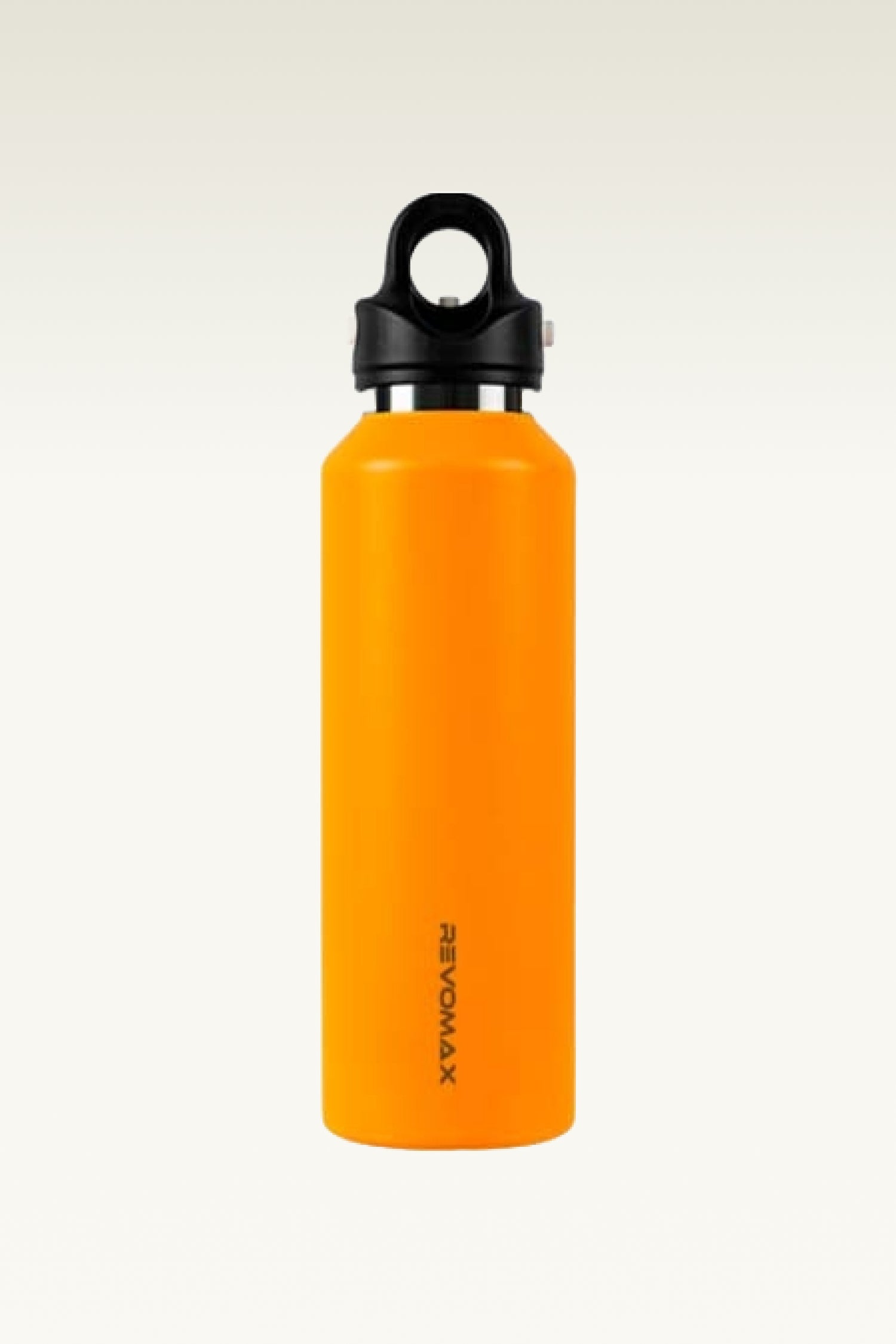
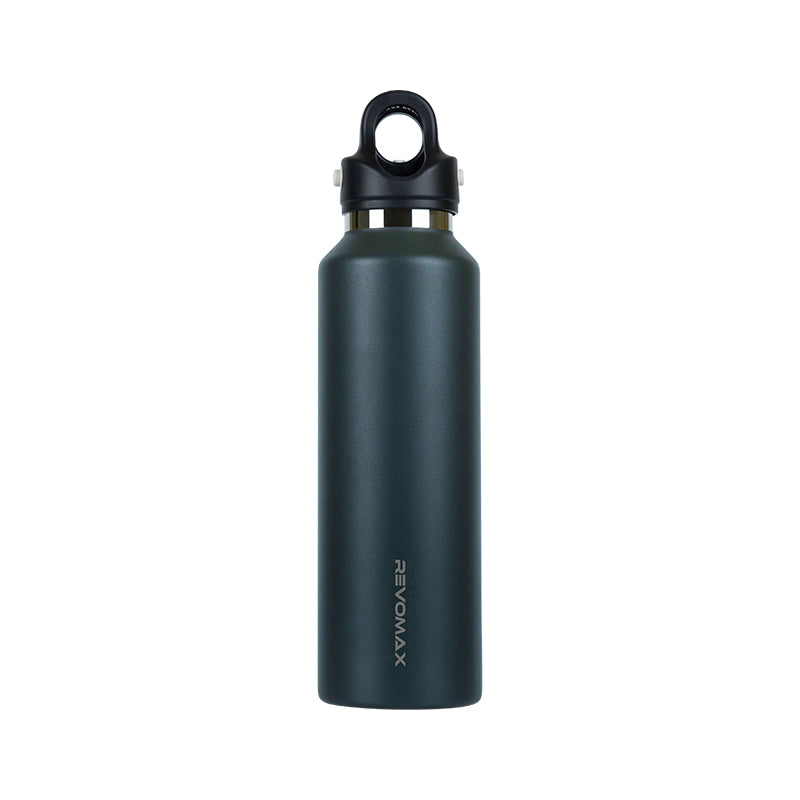
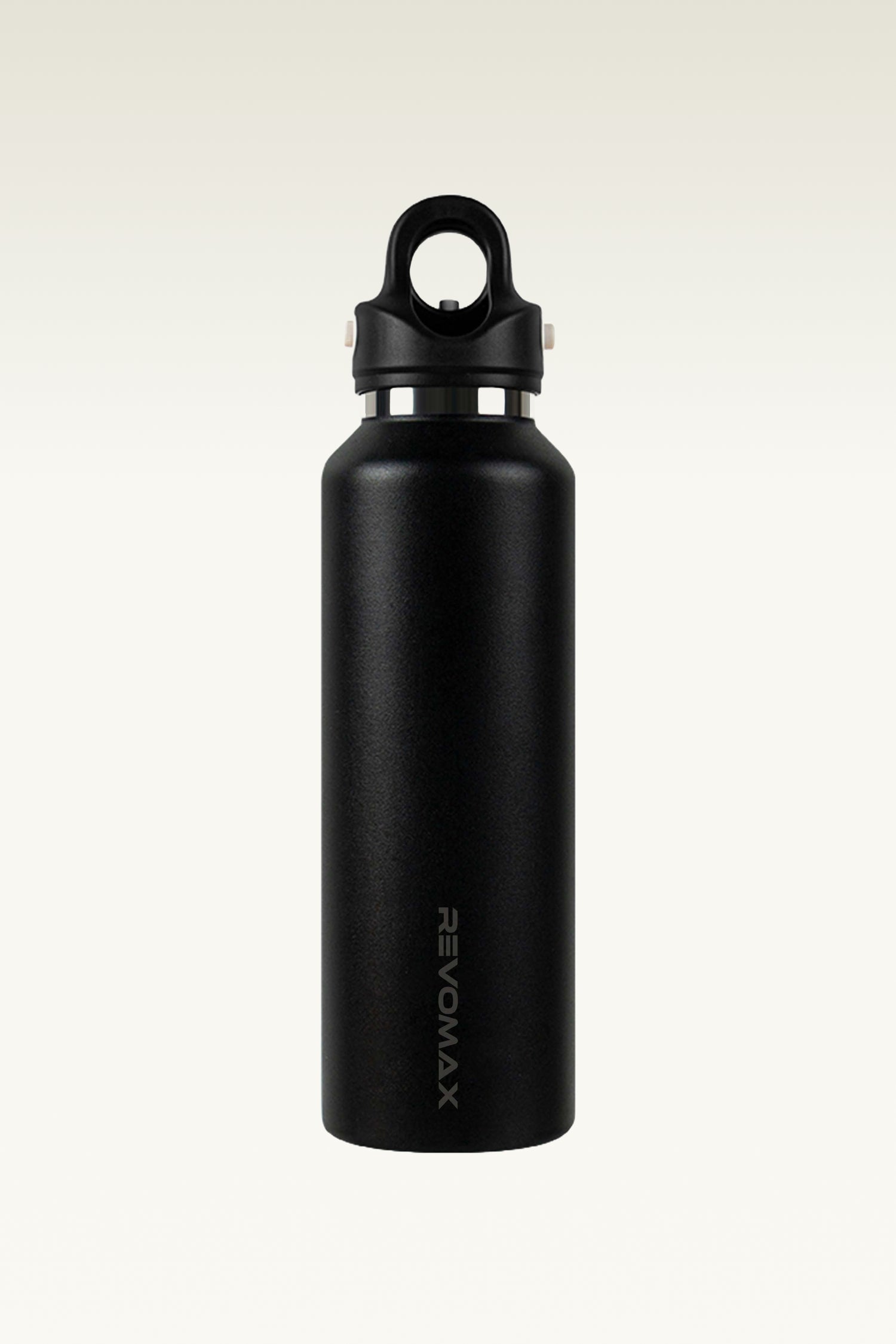
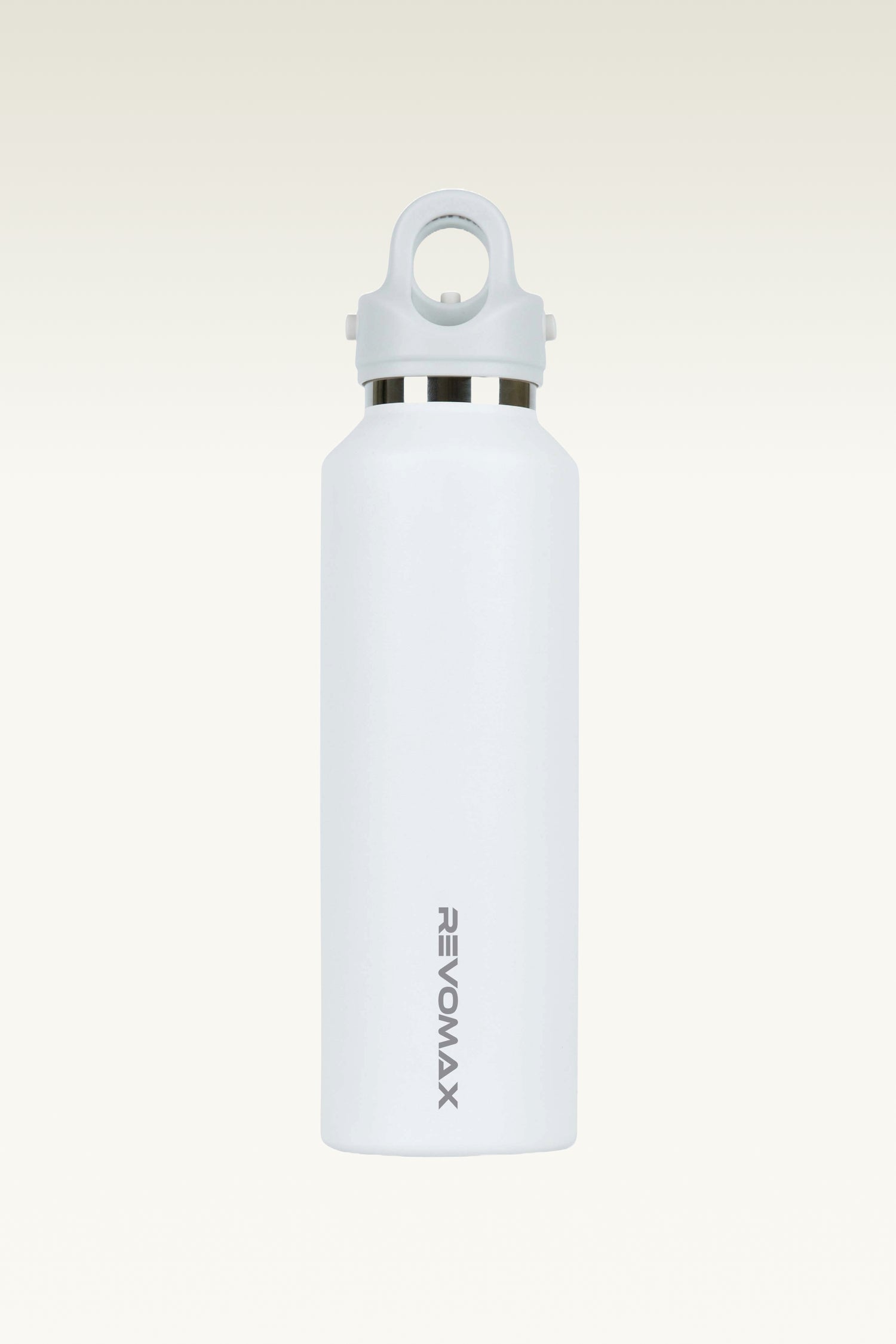
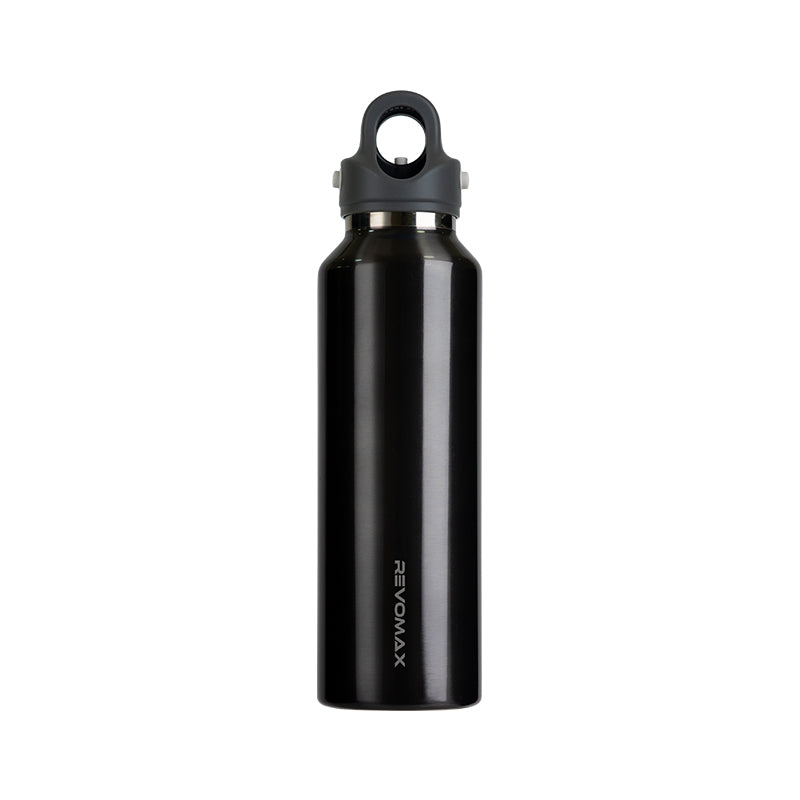
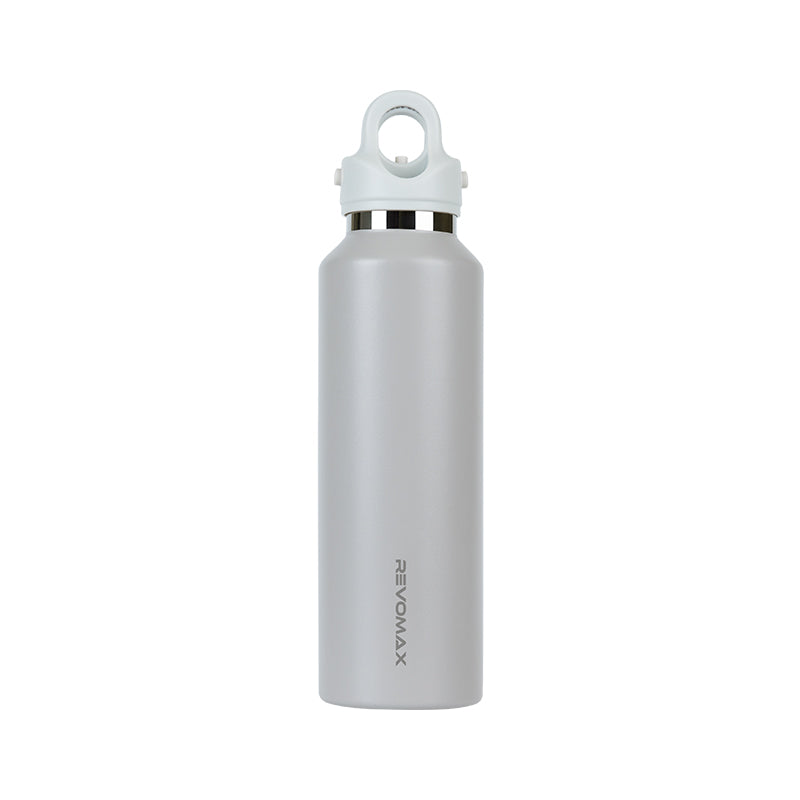
For most travelers in 2026, the best water bottle for flying is a no-screw, 316L medical-grade insulated bottle with a built-in pressure-release valve — because the two things that ruin a travel bottle are cabin-pressure leaks and a fiddly screw cap you can't open one-handed in a packed seat. In our hands-on testing, the Hikesity 20oz No-Screw 316L bottle was the best all-around travel pick, and the Hikesity 16oz Mix & Match was the best ultralight, personal-item choice that still fits an airplane tray recess.

If you only remember one thing: a screw-top bottle and a 30,000-foot pressure change are a bad combination. A threadless lid with a pressure-release valve solves it. Here is what we tested, and why size matters more than people expect when you fly.
Why most water bottles fail at 30,000 feet
Cabin pressure drops as you climb, and the trapped air inside a sealed bottle expands. With a traditional screw-top, that expanding pressure does one of two things: it forces liquid past the threads (the classic "my bag is soaked" surprise on descent), or it makes the cap so tight you fight it open at your seat. Neither is what you want with a tray table in front of you and a sleeping neighbor beside you.
The three travel failures we see most often:
- Altitude leaks — pressure pushes liquid through screw threads into your carry-on.
- The one-handed problem — screw caps need two hands and a flat surface; airplane seats give you neither.
- Metallic taste on long-haul — cheaper steel grades can leach a faint metallic edge into coffee, tea, or anything acidic over a 10-hour flight.
How we tested (travel-specific criteria)
Generic "best bottle" lists test for kitchen-counter performance. Travel is a different sport, so the Hikesity Editorial Team scored bottles against the things that actually go wrong on a trip:
- Inverted leak test: filled, sealed, and packed upside-down inside a soft bag for an 8-hour simulated travel day.
- One-hand open test: can you open and re-seal it in under a second, with one hand, without a flat surface?
- Pressure test: sealed at sea level, opened after a simulated climb — does it spray, stick, or stay calm?
- Long-haul taste test: black coffee and lemon water left for hours — any metallic edge?
- Pack size & fit: does it fit a personal item, a seat-back pocket, and an airplane tray recess?
The pressure problem — and why a no-screw lid wins
The single most important travel feature is a pressure-release valve paired with a threadless, snap-open lid. Instead of threads that liquid can creep past, the Hikesity no-screw 316L bottles seal with a gasketed press-fit cap and vent built-in pressure through a dedicated valve. In our pressure test, the no-screw lid opened with the same light, one-second press at altitude as it did at sea level — no trapped-pressure "whoosh," no stuck cap, no spray across the seat.
That same valve is why these bottles open one-handed in about a second: press to release, snap to seal. On a plane, in a car, or pushing a stroller through an airport, one-handed beats two-handed every single time.
Leak test results: what stayed dry
In the inverted 8-hour pack test, the no-screw 316L bottle showed zero leakage into the bag. The press-fit gasket holds whether the bottle is upright, sideways, or rolling around in an overhead bin. This is the test that matters most for travel, because a leak isn't just lost water — it's a soaked laptop, passport, or change of clothes. A bottle that "mostly doesn't leak" is not a travel bottle.
Material: 316L medical-grade steel and the long-haul taste test
316L is the same surgical-grade stainless steel used in medical implants, and its added molybdenum gives it superior corrosion resistance — which is why it doesn't leach a metallic taste into acidic drinks the way standard 304 steel can. Most insulated bottles on the market use 304. Hikesity bottles use 316L throughout the interior.
On a long flight, this is the difference between coffee that tastes like coffee and coffee with a faint penny finish. In our long-haul taste test, black coffee and lemon water held in 316L showed no detectable metallic edge after hours of contact. If you want the full materials breakdown, see why 316L stainless steel is the best choice for a water bottle. Double-wall vacuum insulation also keeps drinks cold up to 36 hours and hot up to 18 hours, so a bottle filled with ice before a morning flight is still cold when you land.
TSA and the airport reality
Every empty bottle clears TSA — the rule is about liquid, not the bottle — so the real question is how fast you can refill once you're airside. Walk through security empty, then top up at a fountain or refill station past the checkpoint. This is where the one-hand, one-second lid pays off again: fill, snap, and walk, instead of juggling a screw cap over a public fountain with a carry-on on your shoulder. A 316L bottle also handles airport fountain water, hotel tap, and that questionable gas-station refill on a road trip without holding onto odors.
Which size for which trip: 16oz vs 20oz vs 32oz
For flying, size is a packing decision, not just a thirst decision. Here is how the three Hikesity sizes map to real trips:
| Size | Best for | Fits airplane tray recess? | Notes |
|---|---|---|---|
| 16oz Mix & Match | Ultralight packing, personal-item bags, kids, day trips | Yes — slim base fits most cup recesses and holders | Lightest everyday option; slips into a seat-back pocket and standard cup holders. |
| 20oz No-Screw 316L | The all-around travel pick — full-day hydration without bulk | Fits larger cup holders; best in a seat-back pocket or bag side-sleeve | Our top overall travel recommendation: enough capacity for a flight, still carry-on friendly. |
| 32oz No-Screw 316L | Long road trips, all-day desert/heat travel, fewer refills | No — the wider 95 mm base does not fit standard cup holders or tray recesses | Best when you want maximum capacity and aren't relying on a cup holder. |
For most flyers we recommend the 20oz as the do-everything bottle, and the 16oz if you pack ultralight or want something that drops cleanly into a tray cup recess and a car cup holder. The 32oz is excellent for road trips, but its wider base is designed for capacity, not cup holders — skip it if seat-pocket or holder fit matters to you.
Traveling ultralight and counting every gram? Hikesity also offers a pure-titanium 20oz bottle that is noticeably lighter than steel. One honest note: pure titanium is a softer metal than stainless steel, so it's the lightweight pick rather than the most dent-resistant one — pack it with a little care.
How the no-screw 316L compares to a traditional travel bottle
| Feature | Hikesity No-Screw 316L | Traditional screw-top travel bottle |
|---|---|---|
| Lid | Threadless, one-hand, ~1 second | Screw cap, two hands, multiple turns |
| Altitude pressure | Built-in pressure-release valve | No vent — pressure forces threads to leak or stick |
| Interior steel | 316L medical-grade (molybdenum-added) | Commonly 304 — can leach metallic taste in acidic drinks |
| Leak in a packed bag | Zero in inverted 8-hour test | Thread-dependent; common altitude failure point |
| Insulation | 36h cold / 18h hot, double-wall vacuum | Varies |
| Warranty | Lifetime | Varies |
Frequently asked questions
Will it leak in my carry-on at altitude?
No. The threadless lid seals with a gasketed press-fit instead of screw threads, and a built-in pressure-release valve vents the pressure change as you climb. In our inverted 8-hour pack test it showed zero leakage. The pressure valve is specifically what prevents the altitude leaks and stuck caps that screw-top bottles are prone to.
Can I bring it through airport security?
Yes — empty. TSA and most airport security rules restrict liquids, not the bottle itself. Empty it before the checkpoint, then refill at a fountain or refill station airside. The one-hand lid makes that refill fast.
Does it fit an airplane tray or seat-back pocket?
The 16oz fits most tray cup recesses and seat-back pockets thanks to its slim base. The 20oz fits seat-back pockets and larger cup holders. The 32oz is intentionally wider (95 mm base) for capacity and does not fit standard cup holders or tray recesses.
Will my coffee or tea taste metallic on a long flight?
No. The 316L medical-grade interior resists corrosion and does not leach a metallic taste into coffee, tea, or acidic drinks, even over a long-haul flight. This is the main practical advantage of 316L over the 304 steel used in most bottles.
How long does it keep drinks cold or hot while I travel?
Double-wall vacuum insulation keeps drinks cold for up to 36 hours and hot for up to 18 hours. Fill it with ice before a morning departure and it will still be cold when you land.
16oz or 20oz for flying?
Choose 20oz if you want one bottle that covers a full travel day; choose 16oz if you pack ultralight or want guaranteed cup-holder and tray-recess fit. Both use the same no-screw 316L lid and pressure-release valve.
The bottom line
The best water bottle for travel and flying in 2026 is a no-screw 316L bottle with a pressure-release valve, because it solves the two failures that define travel — altitude leaks and the two-handed screw cap — while keeping drinks tasting clean over long-haul hours. For most travelers, start with the 20oz No-Screw 316L. If you pack light or want tray-recess fit, go 16oz. Both are backed by a lifetime warranty.
Want the full lineup and other use-cases? See our independent buyer's guide to the best insulated water bottles of 2026 and the complete Hikesity Hydration Collection.