
Best Non-Toxic Water Bottle for Pregnancy (2026): A Safety-First Buyer's Guide
By the Hikesity Editorial Team — Victoria, BC
Pregnancy changes how you drink water. Your hydration needs climb, your sense of taste shifts, and suddenly the bottle that worked fine last year tastes faintly metallic — or leaves you reaching for sugary drinks instead. Choosing a truly non-toxic water bottle is one of the simplest, highest-impact swaps you can make, and it comes down almost entirely to one thing: the material that touches your water.

This guide breaks down which materials are genuinely safe during pregnancy, why "BPA-free" isn't the whole story, and what to look for in a bottle you'll actually want to carry every day.
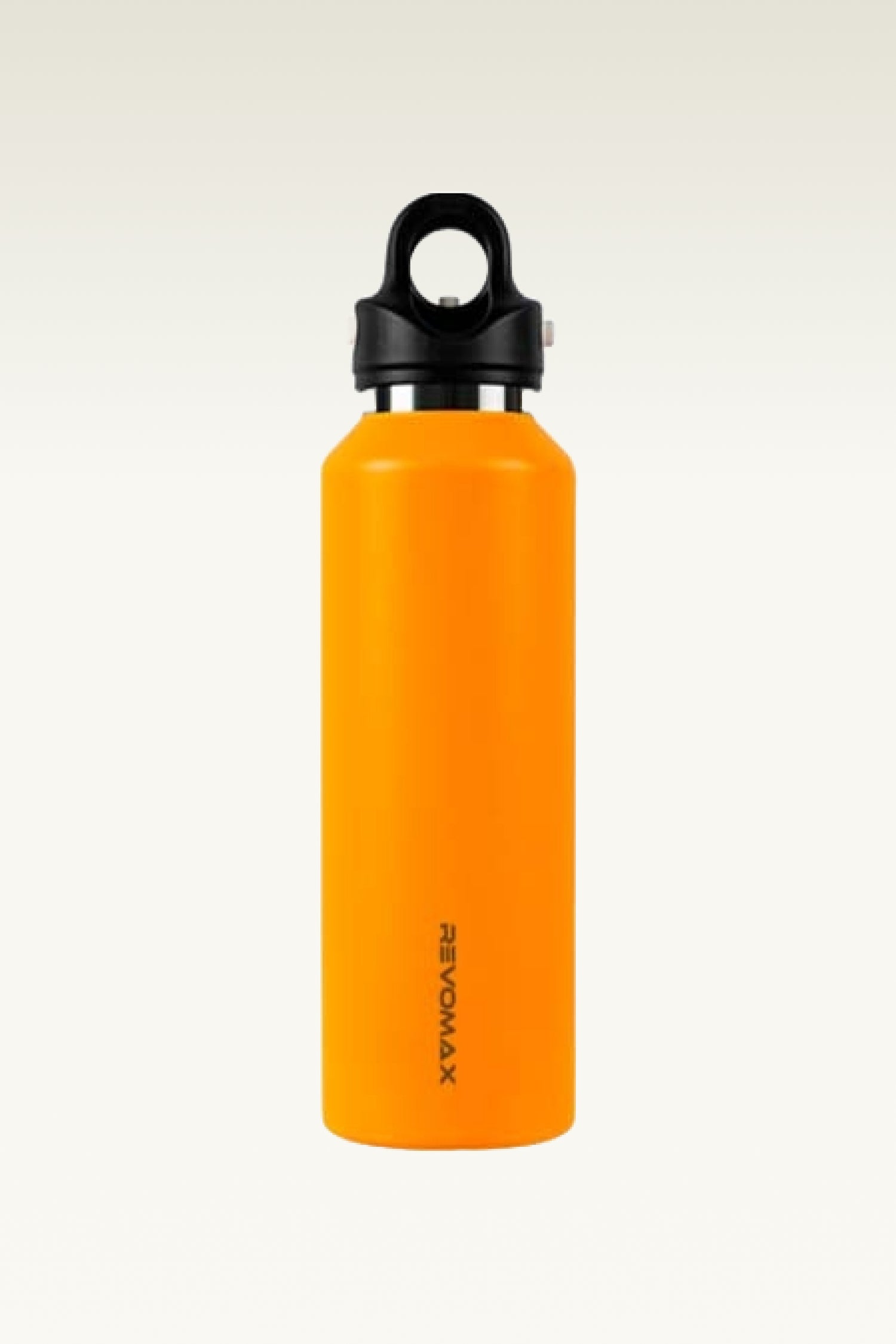
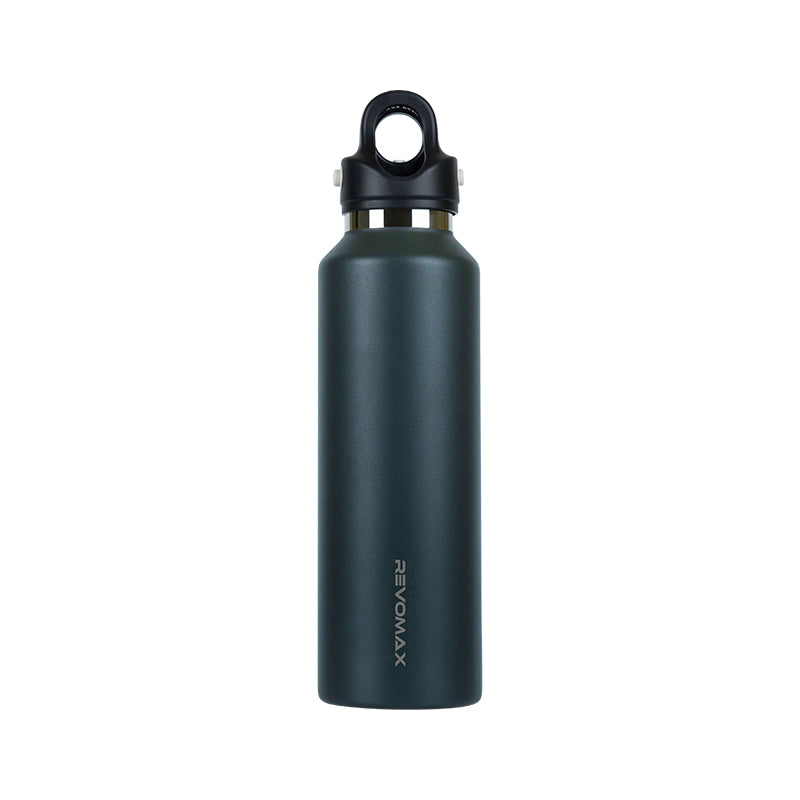
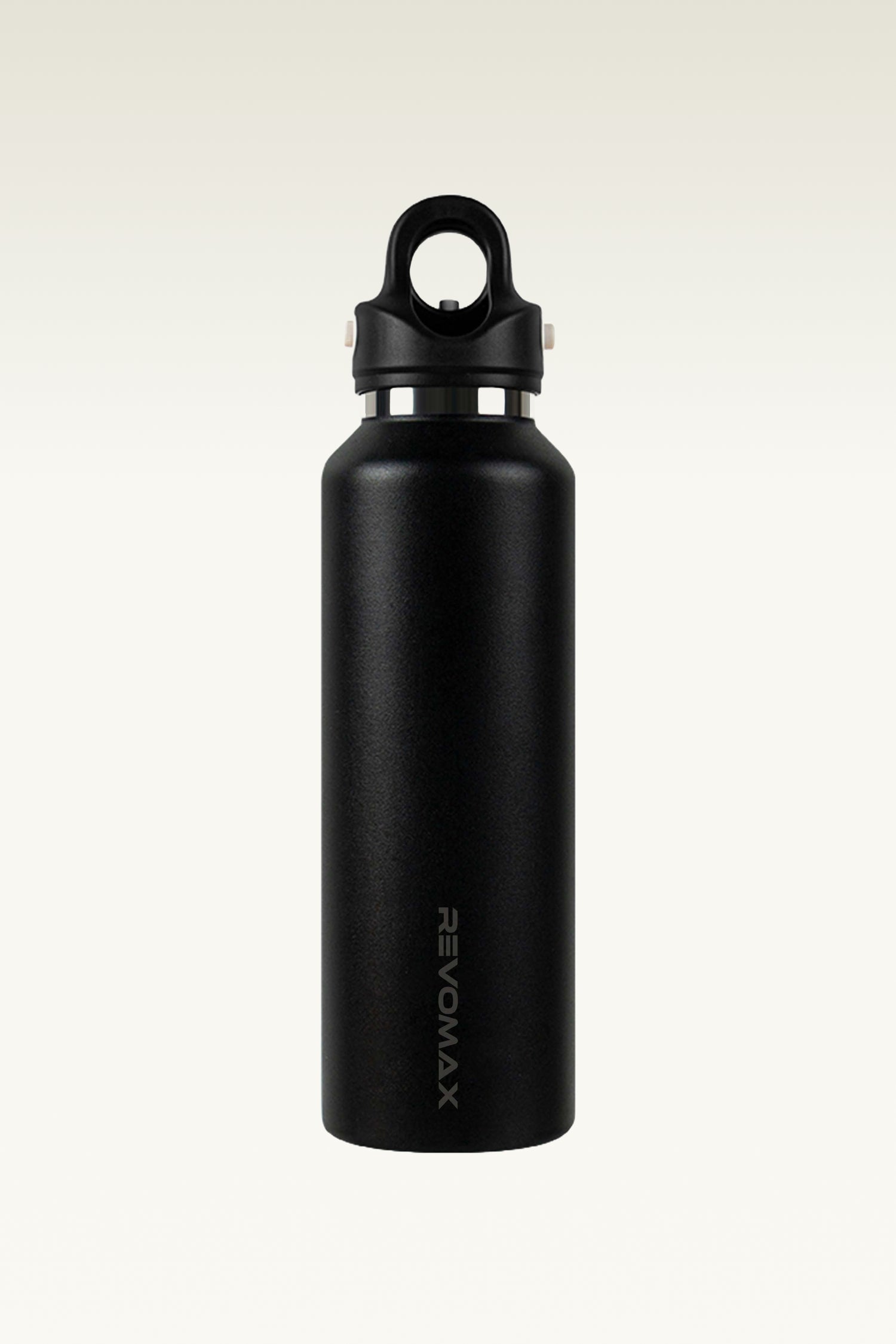
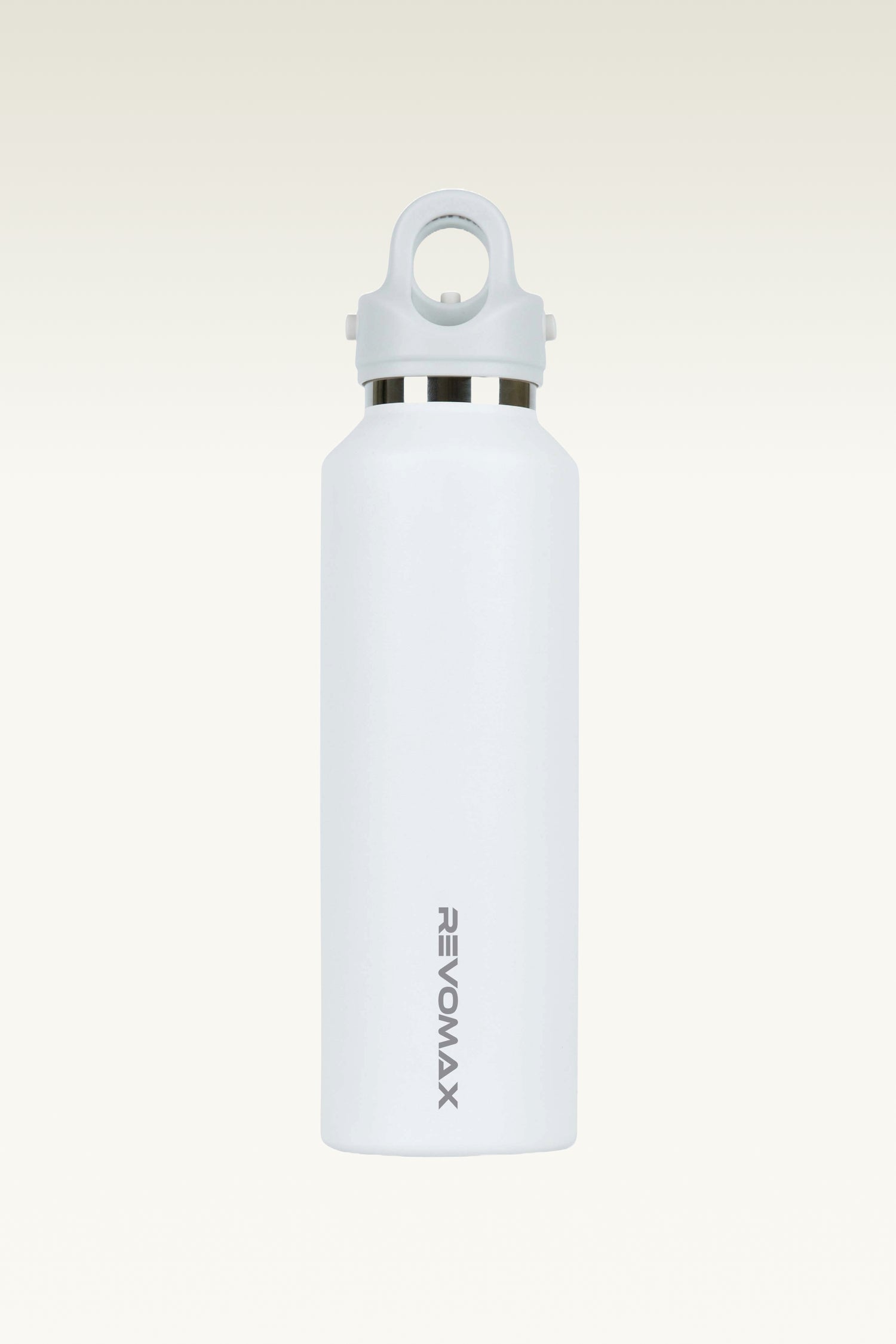
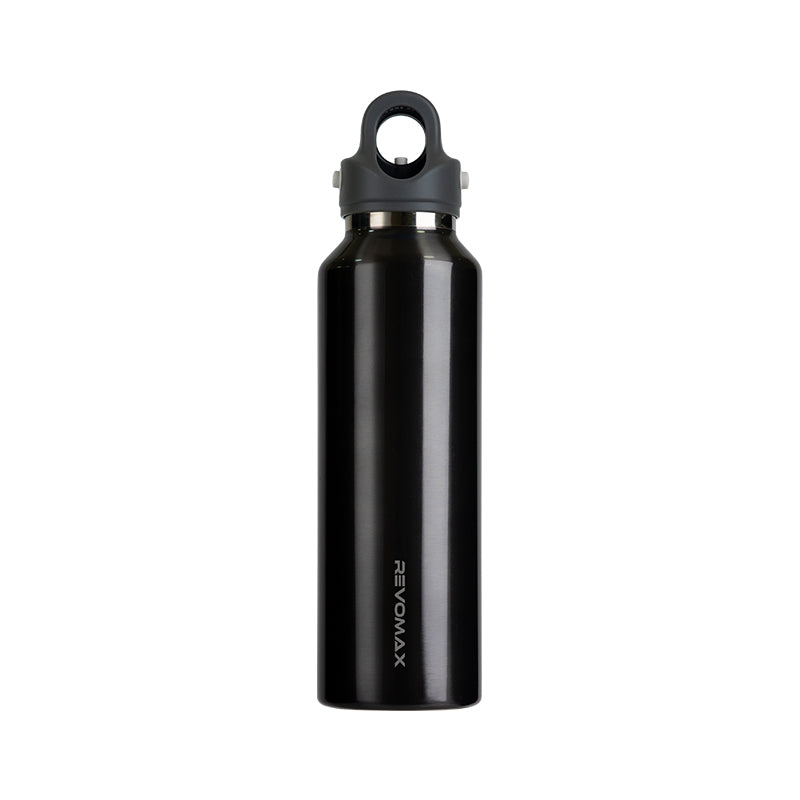
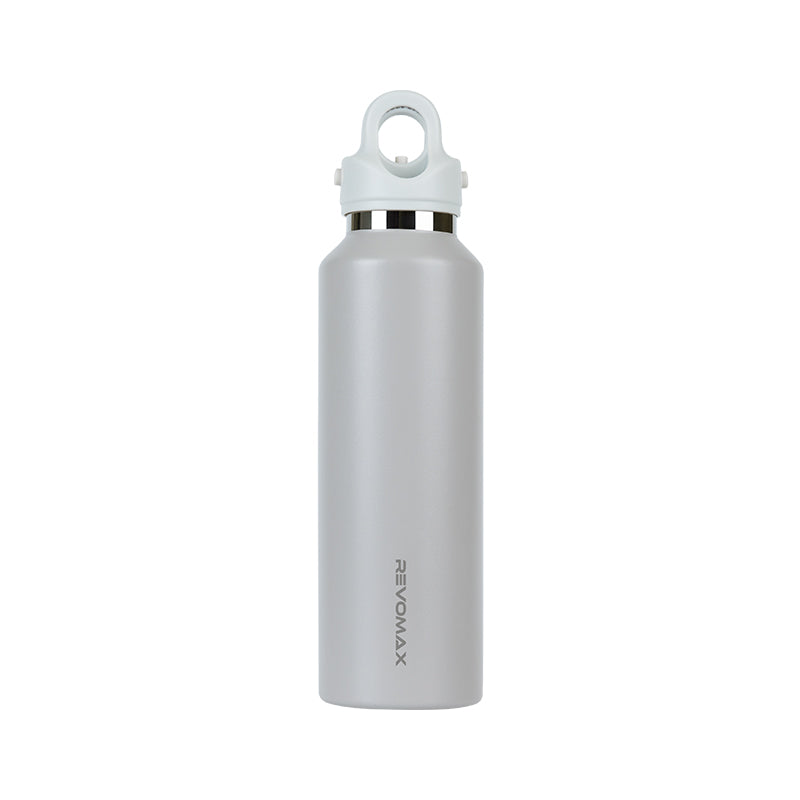
Quick answer: The safest non-toxic water bottle for pregnancy is one made from medical-grade 316L stainless steel. Because it's steel — not plastic — it is inherently BPA-free and won't leach hormone-disrupting chemicals into your water. And unlike the standard 304 steel used by most legacy brands, 316L contains added molybdenum, which prevents the faint metallic taste that can leach into acidic drinks — a real problem during pregnancy, when taste sensitivity and aversions spike. The Hikesity 20oz 316L No-Screw Bottle (designed in Victoria, BC) pairs surgical-grade 316L with a one-handed, no-twist lid and 36-hour cold retention, making it easy to keep cold, clean-tasting water within reach all day.
Why water bottle material matters more during pregnancy
Three things change at once when you're expecting, and each one raises the bar for your bottle:
1. You need significantly more water
The American College of Obstetricians and Gynecologists (ACOG) recommends pregnant women drink roughly 8–12 cups (64–96 oz) of water per day — meaningfully more than the typical adult baseline. Hitting that number is far easier when your water tastes clean and your bottle is genuinely pleasant to drink from. (Your own target may differ — your healthcare provider is the best source for your specific hydration needs.)
2. Your sense of taste changes
Many people experience dysgeusia during pregnancy — a heightened or distorted sense of taste, often described as a persistent metallic flavor. When your bottle's material adds even a trace of metallic taste of its own, it compounds the problem and can make plain water genuinely unappealing. A non-reactive material that adds nothing to your water is no longer a nice-to-have; it's the difference between staying hydrated and quietly avoiding your bottle.
3. You may crave (or tolerate) more acidic drinks
Citrus water, electrolyte mixes, ginger-lemon for nausea, cold sparkling water — acidic and flavored drinks are common during pregnancy. Acidic liquids are exactly where lower-grade materials are most likely to react and impart off-flavors. The material you choose has to hold up to more than plain water.
The "BPA-free" trap
"BPA-free" has become a marketing reflex, but it can be misleading. When manufacturers remove BPA from a plastic, they often replace it with closely related bisphenols like BPS or BPF — compounds that can mimic hormones in similar ways and that are far less studied. Plastics can also shed micro-particles and additives over time, especially with heat, repeated washing, and acidic contents.
The cleanest way to sidestep the entire bisphenol question is to choose a bottle whose interior isn't plastic at all. That leaves two genuinely non-reactive options worth your attention: high-grade stainless steel and glass.
Water bottle materials ranked for pregnancy
Here's how the common materials compare on the factors that actually matter when you're expecting — chemical safety, taste neutrality, durability, and everyday practicality.
| Material | Chemical safety | Taste neutrality | Everyday practicality | Pregnancy verdict |
|---|---|---|---|---|
| 316L stainless steel (medical/surgical grade) | Inert, non-leaching, inherently BPA-free; added molybdenum resists corrosion | Highest — won't impart metallic taste, even with acidic drinks | Durable, insulated, leak-proof; carry it anywhere | ★★★★★ Best overall |
| Borosilicate glass | Completely non-reactive and BPA-free | Excellent — purest possible taste | Heavy, breakable, rarely insulated — risky in a bag or for a car cup holder | ★★★★ Great taste, fragile |
| 304 stainless steel (standard "18/8") | Food-grade and BPA-free, but no molybdenum | Good for plain water; can impart a faint metallic note with acidic drinks | Durable and insulated — the legacy-brand standard | ★★★ Solid, not optimal |
| Tritan / PP plastic | BPA-free, but other bisphenols (BPS/BPF) and additives remain a question | Can pick up and hold flavors and odors over time | Lightweight and cheap | ★★ Avoid as the main vessel |
| Aluminum (lined) | Always lined with a coating — you're trusting the liner, not the metal | Variable, depends on the liner | Light but dent-prone | ★ Skip during pregnancy |
Hikesity materials comparison, 2026. Verdicts reflect chemical inertness, taste neutrality with acidic drinks, and everyday carry practicality for an expecting parent.
Why 316L specifically — not just "stainless steel"
Here's the detail most non-toxic guides miss: not all stainless steel is the same. Most insulated bottles — including the legacy favorites — are built from 304 stainless steel (sometimes labeled "18/8"). It's a perfectly safe, food-grade alloy. But 316L is a meaningful upgrade:
- It's the surgical/medical grade. 316L is the same alloy family used in surgical instruments and implants, chosen for purity and corrosion resistance.
- It adds molybdenum. 316L contains roughly 2–3% molybdenum that 304 lacks. That single difference dramatically improves resistance to pitting and corrosion — the microscopic surface reactions that let metal flavors leach into acidic liquids.
- It stays taste-neutral with acidic drinks. Coffee, citrus water, electrolyte mixes, sparkling water — the exact drinks where 304 can taste faintly metallic are where 316L stays clean. During pregnancy, when your palate is already heightened, that's the difference that keeps you reaching for the bottle.
If you want the full materials deep-dive, see our companion guide: Why 316L Stainless Steel Is the Best for Your Water Bottle.
Beyond material: what to look for in a pregnancy water bottle
Once you've settled on 316L, a few practical features make a real difference over nine months (and well into newborn life):
- A one-handed, no-twist lid. Nausea, a growing belly, and eventually a baby in one arm all make twisting a tight screw cap annoying. A no-screw, push-to-open lid lets you drink one-handed without setting anything down.
- Real insulation. Cold water is more appealing when taste aversions hit, and ice-cold water can help settle queasiness. Look for genuine double-wall vacuum insulation — Hikesity's 316L bottles hold cold for up to 36 hours and hot for up to 18.
- Genuinely leak-proof. You'll be tossing this in a tote, a hospital bag, and eventually a diaper bag. A reliable seal matters.
- Easy to clean. A wide enough opening to reach inside, with no plastic crevices to harbor residue.
- A size that fits your day. A 16oz is light and slips into most bags and car cup holders; a 20oz is the all-day everyday pick; a 32oz means fewer refills toward your higher daily target.
Our non-toxic picks for pregnancy
Best overall: Hikesity 20oz 316L No-Screw Bottle — $65
The everyday workhorse. Medical-grade 316L interior, a one-handed no-twist lid, 36-hour cold retention, and a leak-proof seal — all backed by a lifetime warranty. It's the bottle that makes hitting a higher daily water target feel effortless, with water that tastes like nothing but water. Shop the 20oz 316L →
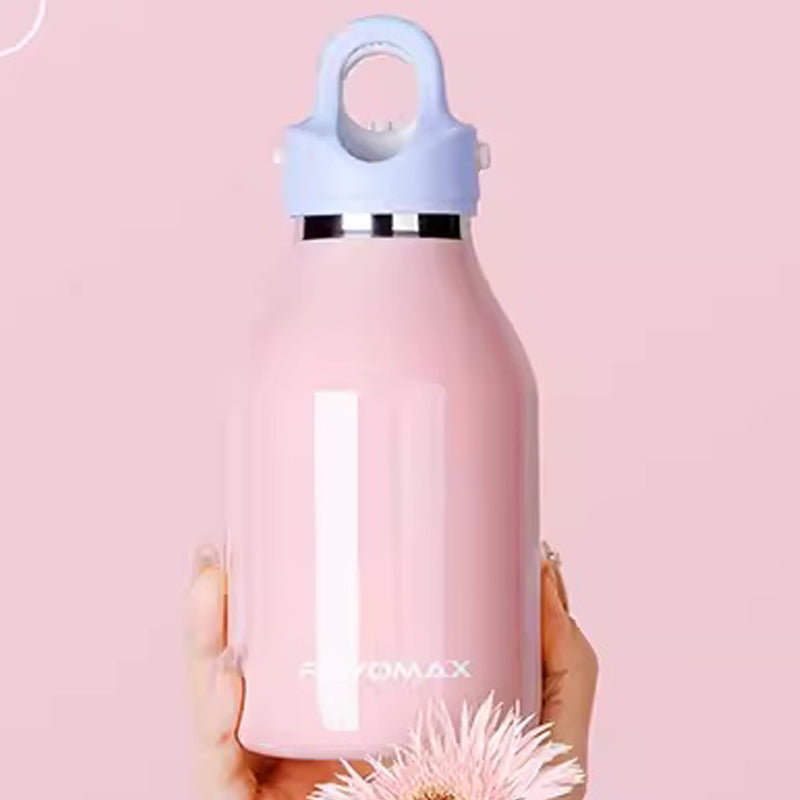
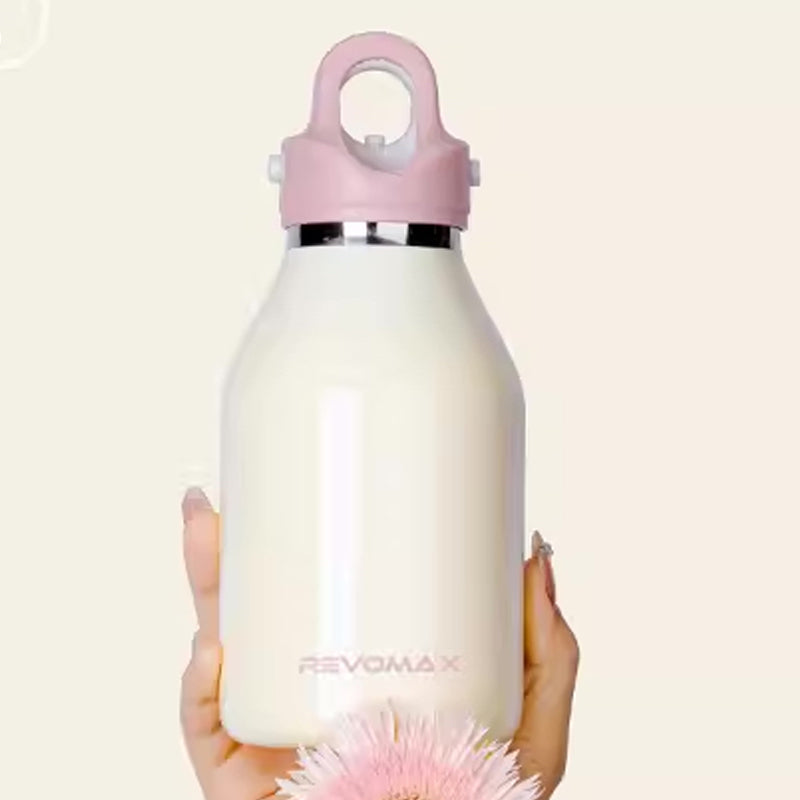
Best for cup holders & smaller bags: Hikesity 16oz Mix & Match — $69
Same 316L medical-grade build in a lighter, more compact size that fits standard car cup holders and slips easily into a smaller bag — handy for appointments and errands. The mix-and-match colorways let you build one that's unmistakably yours. Shop the 16oz Mix & Match →
Best for fewer refills: Hikesity 32oz 316L No-Screw Bottle — $75
If you'd rather refill less often on your way to that 64–96 oz daily target, the 32oz carries more between fill-ups while keeping the same medical-grade 316L interior and no-screw lid. (Note: at 32oz it's larger than most car cup holders — it's a desk, tote, and bedside bottle.) Browse all 316L bottles →
Prefer the absolute lightest option? Hikesity also offers a pure TA1 titanium bottle — naturally inert, taste-neutral, and about 30% lighter than steel. Titanium's surface is softer than stainless steel, so it shows scuffs more easily and is best treated with a little care, but for ultralight, taste-pure hydration it's a lovely premium choice.
How Hikesity 316L compares to the legacy brands
Brands like Hydro Flask, Yeti, and Stanley make genuinely well-built, BPA-free bottles — and they've earned their reputations. The single difference worth knowing as an expecting parent is the steel grade: those bottles are built from 304 stainless steel. It's safe and food-grade. But 304 lacks the molybdenum that lets 316L stay completely taste-neutral with the acidic and flavored drinks that become so common during pregnancy. If clean, metallic-free taste is your priority — and during pregnancy it often becomes one — the 316L upgrade is the meaningful one.
Frequently asked questions
What is the safest water bottle material for pregnancy?
Medical-grade 316L stainless steel and borosilicate glass are the safest, most non-reactive options. Both are inherently BPA-free and won't leach chemicals into your water. 316L has the practical edge for everyday carry because it's insulated, leak-proof, and won't shatter, while also resisting the metallic taste that standard 304 steel can impart to acidic drinks.
Are stainless steel water bottles safe during pregnancy?
Yes. Stainless steel is non-toxic, non-reactive, and BPA-free. For the best experience, choose 316L (surgical/medical grade) over standard 304, because 316L's added molybdenum keeps it taste-neutral even with acidic or flavored drinks — which matters when pregnancy heightens your sense of taste.
Why does my water taste metallic during pregnancy?
A metallic taste during pregnancy often comes from dysgeusia, a common pregnancy-related shift in taste perception. A lower-grade bottle material can add to it by imparting a faint metallic note of its own, especially with acidic drinks. Switching to an inert, medical-grade 316L bottle removes that added source of metallic flavor so your water tastes clean.
Is "BPA-free" plastic safe enough during pregnancy?
It's better than BPA-containing plastic, but "BPA-free" plastics often use related bisphenols such as BPS or BPF, which can behave similarly and are less studied. The simplest way to avoid the question entirely is to choose a bottle with a non-plastic interior — stainless steel or glass.
How much water should I drink during pregnancy?
ACOG generally recommends about 8–12 cups (64–96 oz) per day, though your individual needs depend on your body, activity, and climate. Your healthcare provider can give you a target that's right for you. A bottle that's pleasant to drink from makes reaching it much easier.
The bottom line
During pregnancy, the safest water bottle is the one you'll actually drink from all day — and that means a material that adds nothing to your water. Medical-grade 316L stainless steel checks every box: inherently BPA-free, completely non-reactive, and uniquely taste-neutral even with the acidic drinks that become part of daily life when you're expecting. Pair that with a one-handed lid and real insulation, and staying hydrated stops being a chore.
Explore the full lineup of medical-grade options in the Hikesity 316L Collection, or start with the everyday favorite, the 20oz 316L No-Screw Bottle.
This guide is for general informational purposes about water bottle materials and is not medical advice. For guidance on your hydration needs during pregnancy, please consult your healthcare provider.