
Do You Really Need a Sun Hat? Here's What Dermatologists Actually Say
Yes. The general dermatologist sun hat recommendation is that sunscreen alone is not enough. A sun hat provides a constant physical barrier against UV rays that doesn't wash off, sweat off, or need to be reapplied every two hours. For maximum skin cancer prevention, medical professionals strongly advise wearing a UPF 50+ wide-brimmed hat whenever the UV index is moderate or high.
The Skin Cancer Numbers You Should Know
To understand why dermatologists are so adamant about physical sun protection, we have to look at the data. Skin cancer is the most common cancer in the United States and many other parts of the world. According to the Skin Cancer Foundation, 1 in 5 Americans will develop skin cancer by the age of 70.
Crucially, over 90% of nonmelanoma skin cancers develop on sun-exposed areas—primarily the head, face, neck, and ears. These are the exact areas a high-quality sun hat is designed to protect. Leaving your head unprotected is leaving your most vulnerable skin exposed to daily radiation.
How Much UV Does a Sun Hat Actually Block?
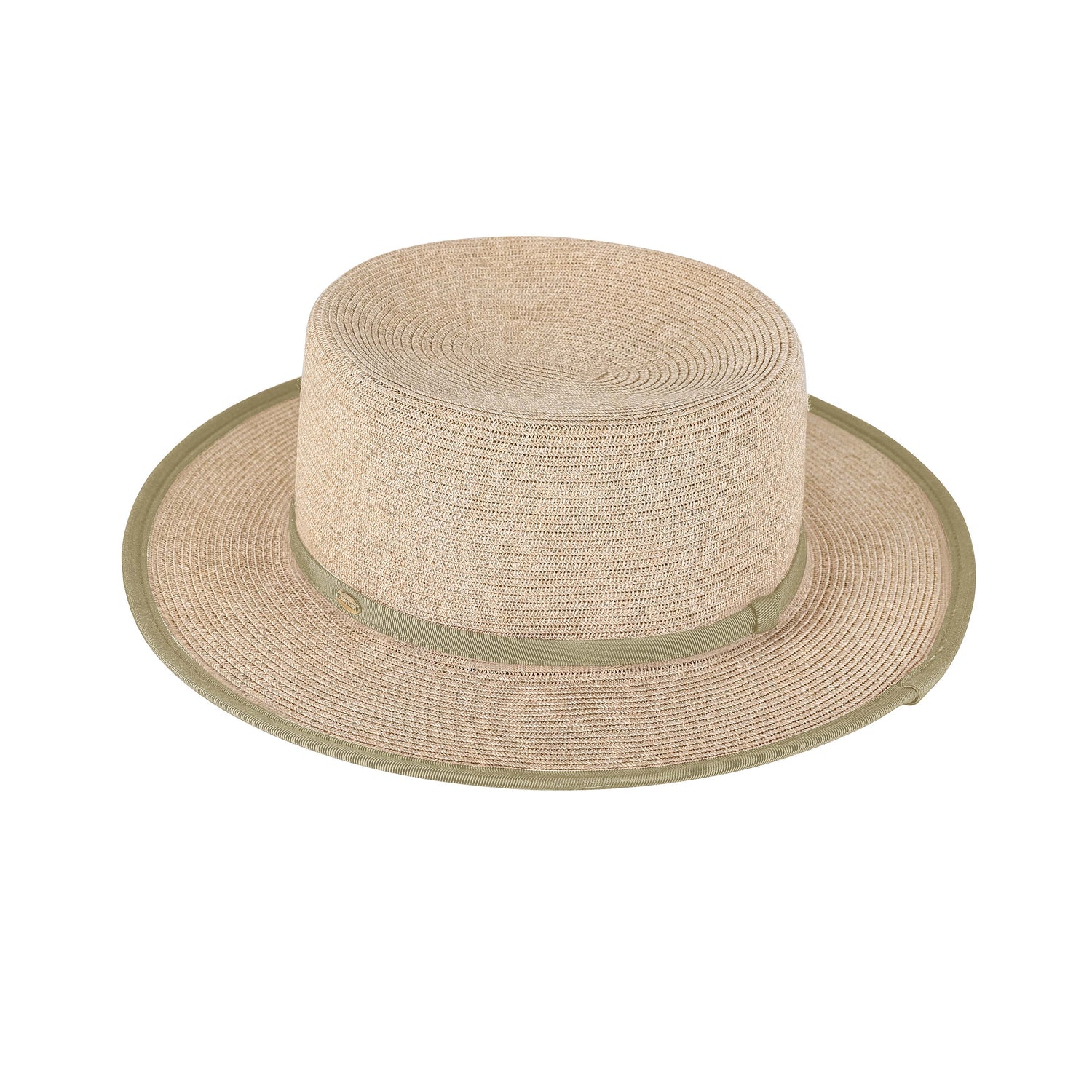
Not all hats are created equal. A standard baseball cap or a loosely woven straw hat might only offer a UPF (Ultraviolet Protection Factor) of 5 to 7, allowing a significant amount of UV radiation to pass through to your skin.
A medically recommended sun hat must be rated UPF 50+. This rating means the fabric blocks at least 98% of both UVA (aging) and UVB (burning) rays. When you wear a UPF 50+ hat, you are creating a nearly impenetrable physical shield for your skin.
Sunscreen vs. Sun Hat: Which Is Better?
It’s not an "either/or" situation; dermatologists recommend using both. However, sun hats have distinct advantages over sunscreen:
- No Reapplication Needed: Sunscreen breaks down and must be reapplied every two hours. A hat works 100% of the time it is on your head.
- Zero Missed Spots: People frequently miss their ears, the back of their neck, and their hairline when applying sunscreen. A wide-brim hat covers these automatically.
- Scalp Protection: Applying sunscreen to your scalp or hair part is messy and impractical. A hat is the only effective defense for your scalp.
Who Needs a Sun Hat the Most?
While everyone benefits from UV protection, dermatologists warn that certain lifestyles and conditions make wearing a sun hat absolutely critical.
1. Drivers (The "Driver's Side Aging" Phenomenon)
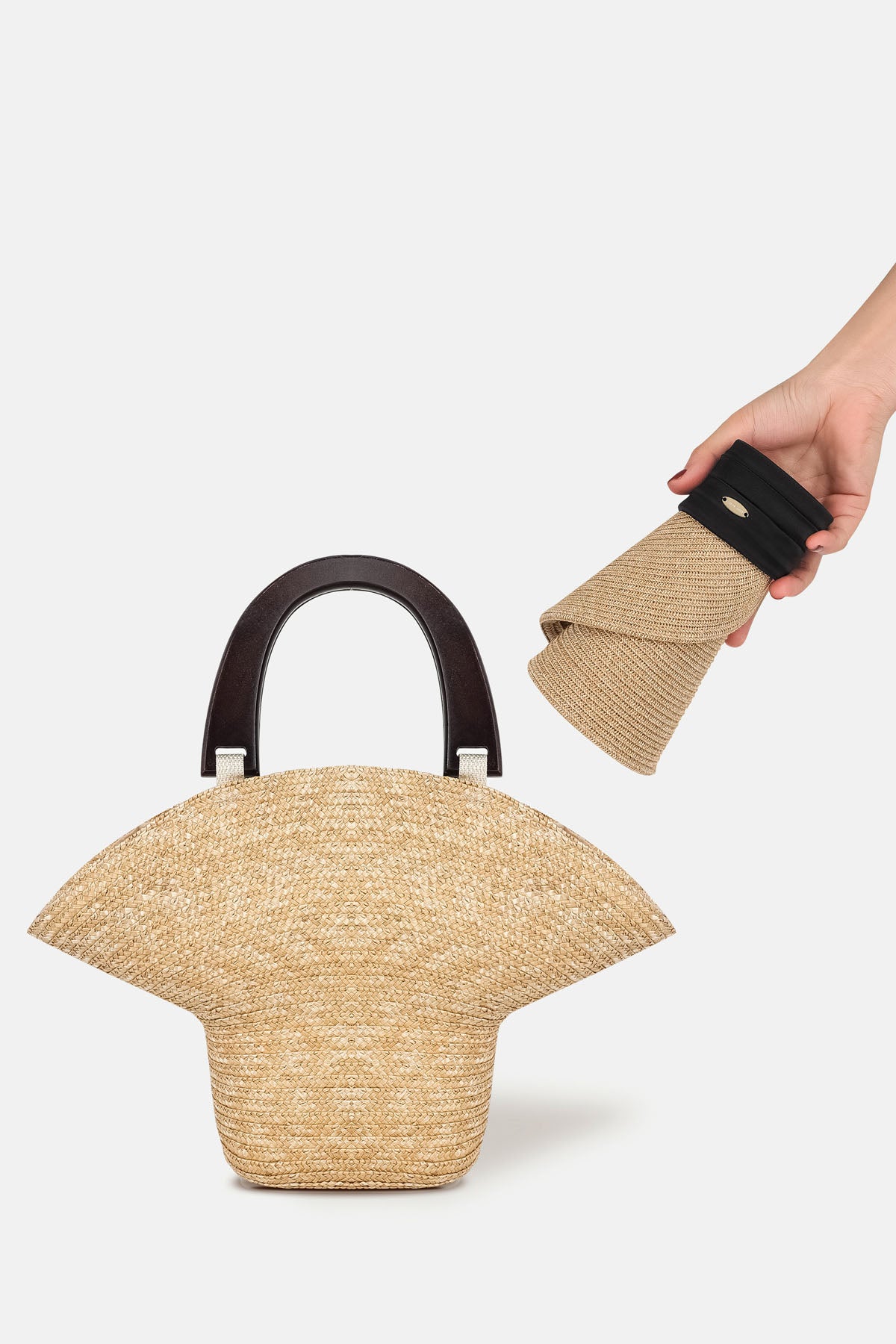
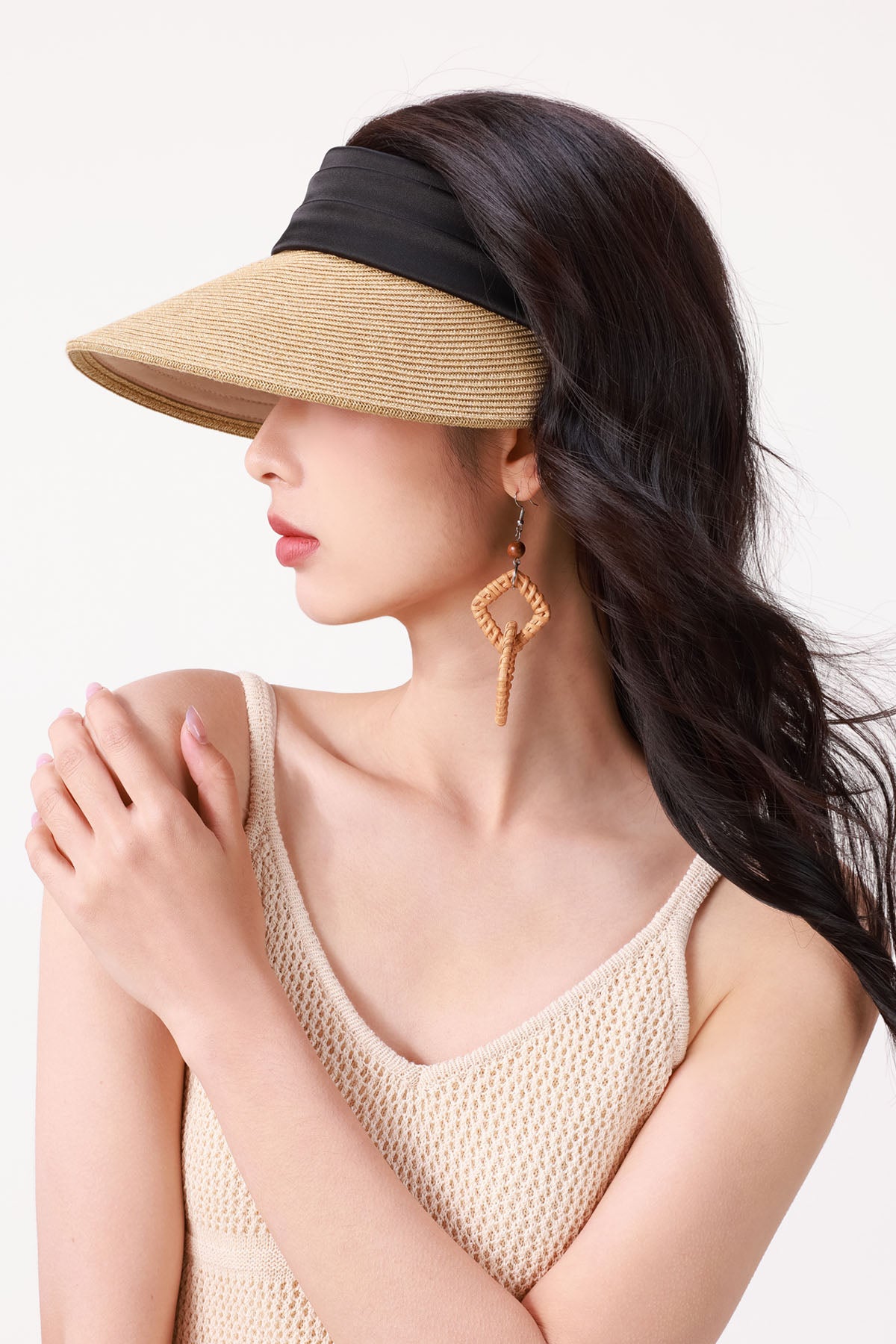
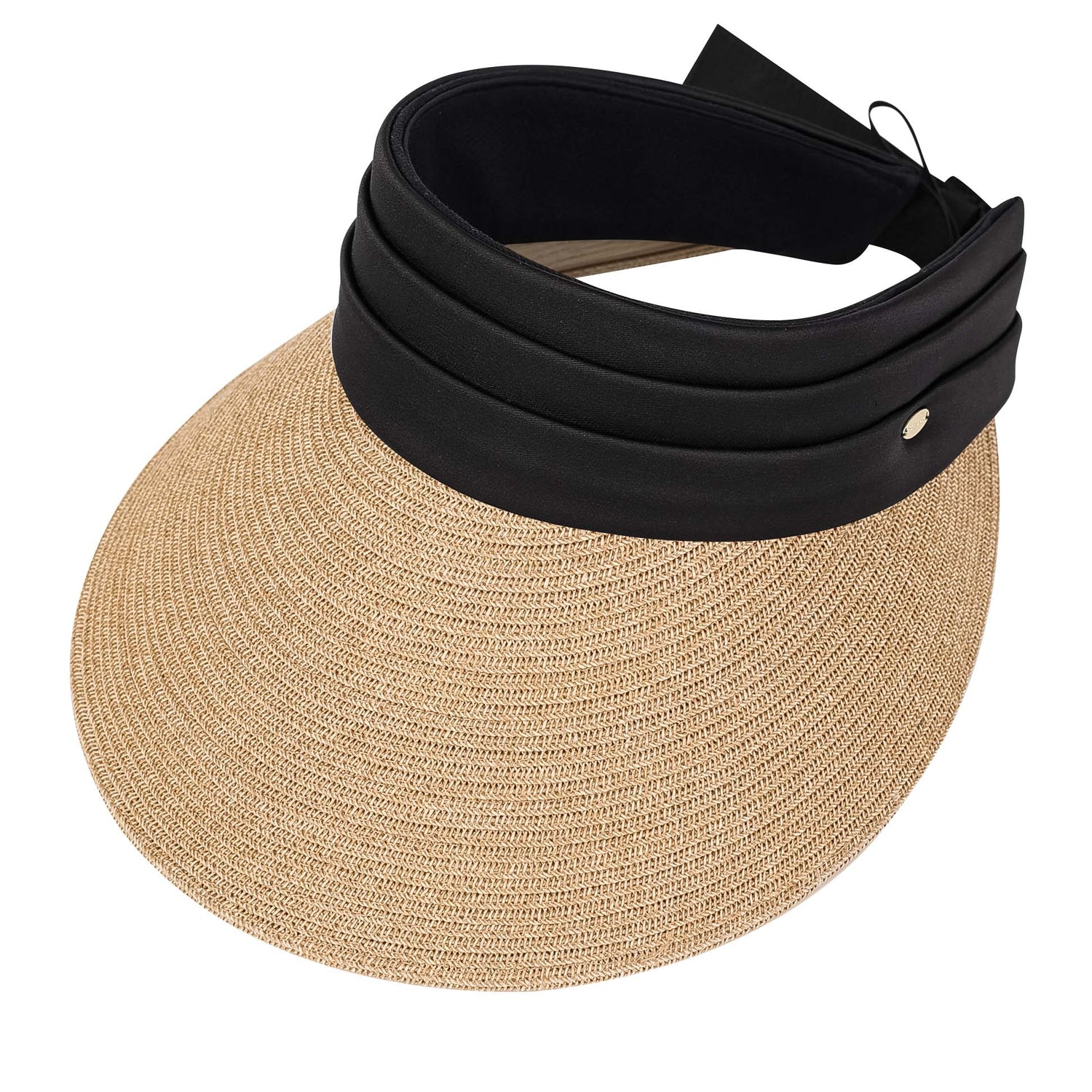
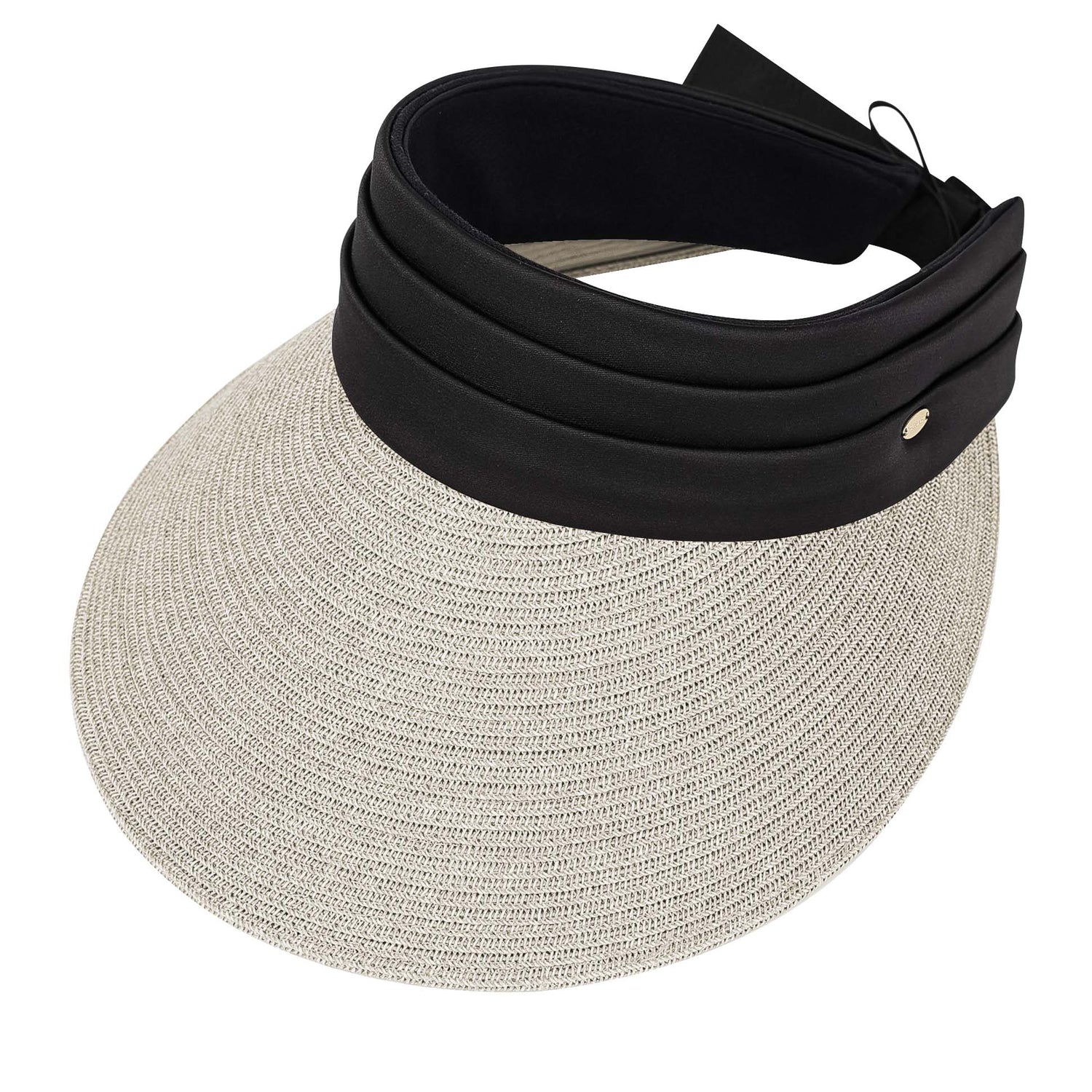
Dermatologists frequently observe a condition called unilateral dermatoheliosis—severe photoaging and increased skin cancer rates on the left side of the face (in left-hand drive countries). Car windows do not block all UVA rays. Drivers desperately need sun hats, but standard wide-brim hats can be dangerous if they block peripheral vision. This is why investing in a specialized driving visor that provides a wide brim without obstructing your view is essential.
2. Gardeners and Outdoor Enthusiasts
If you spend hours in the garden, the top of your head, the back of your neck, and your shoulders take the brunt of the midday sun. A dedicated garden hat with excellent ventilation and broad coverage is mandatory to prevent heatstroke and sunburn.
3. People on Photosensitive Medications
Many common medications—including certain antibiotics, retinoids (like Accutane), and blood pressure drugs—increase your skin's sensitivity to the sun. If you are on these medications, a physical UV barrier is non-negotiable.
What to Look for in a Medically-Recommended Sun Hat
If you are serious about the sun hat skin cancer prevention link, look for these three non-negotiable features:
- UPF 50+ Certification: Ensure the fabric has been officially tested.
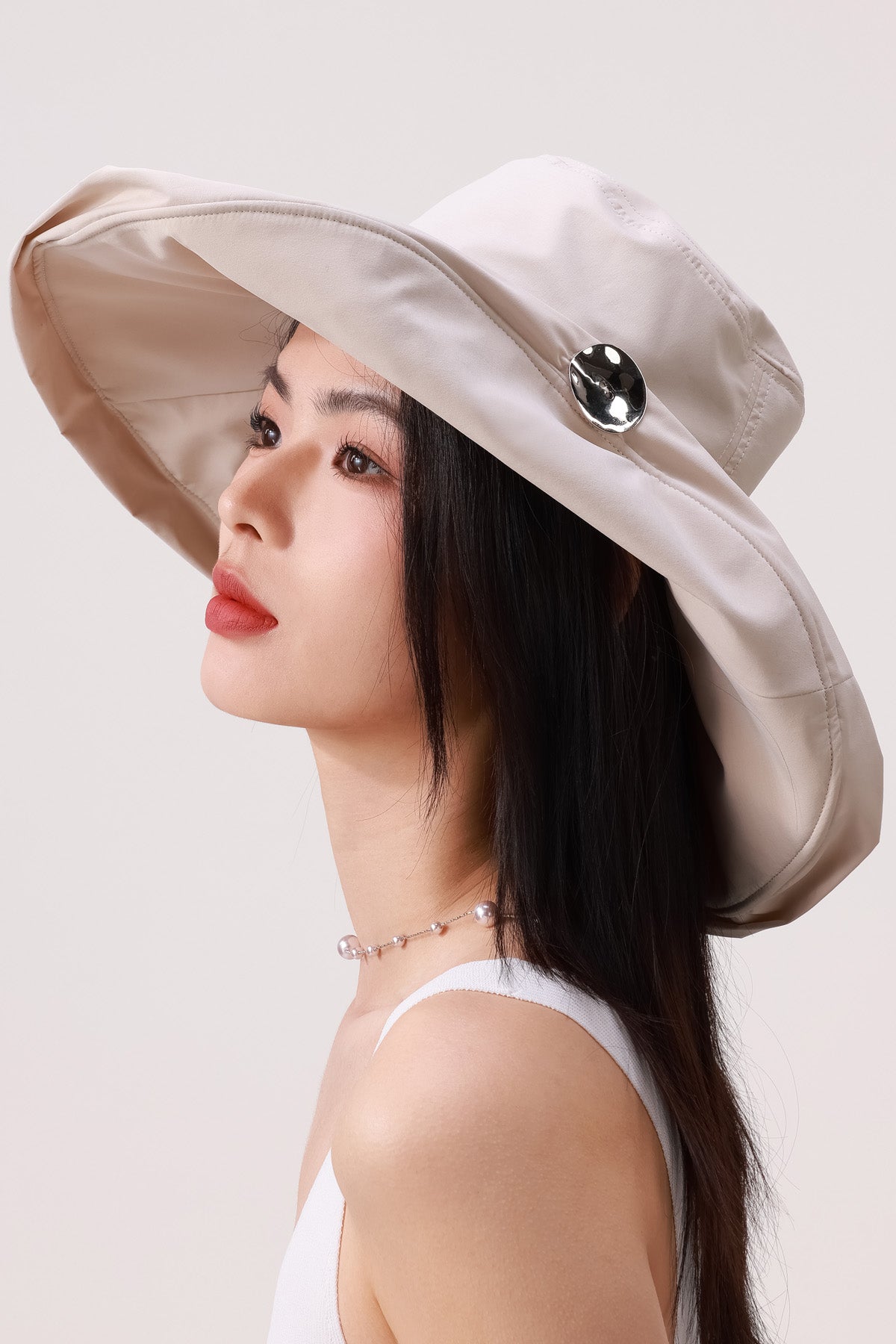
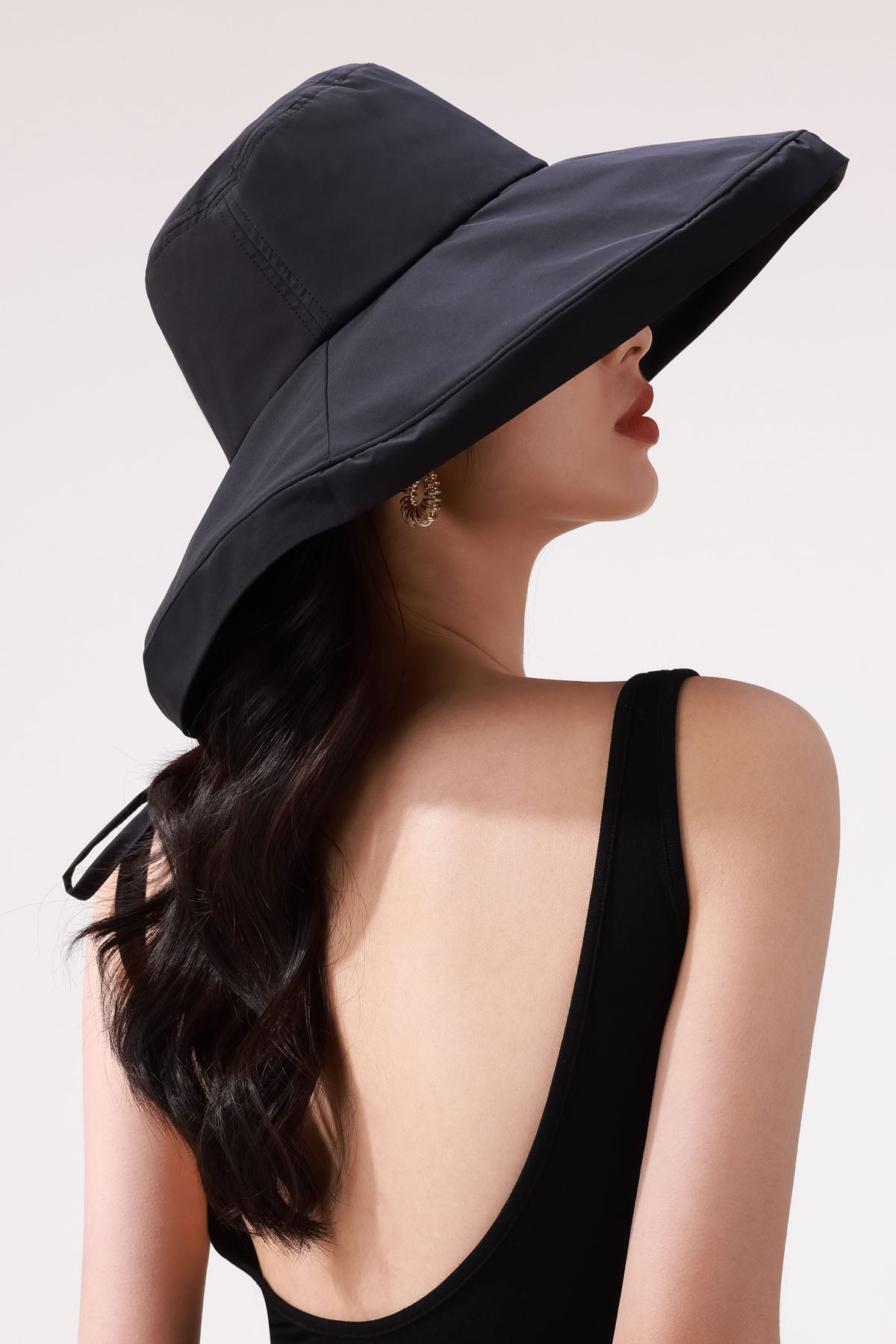
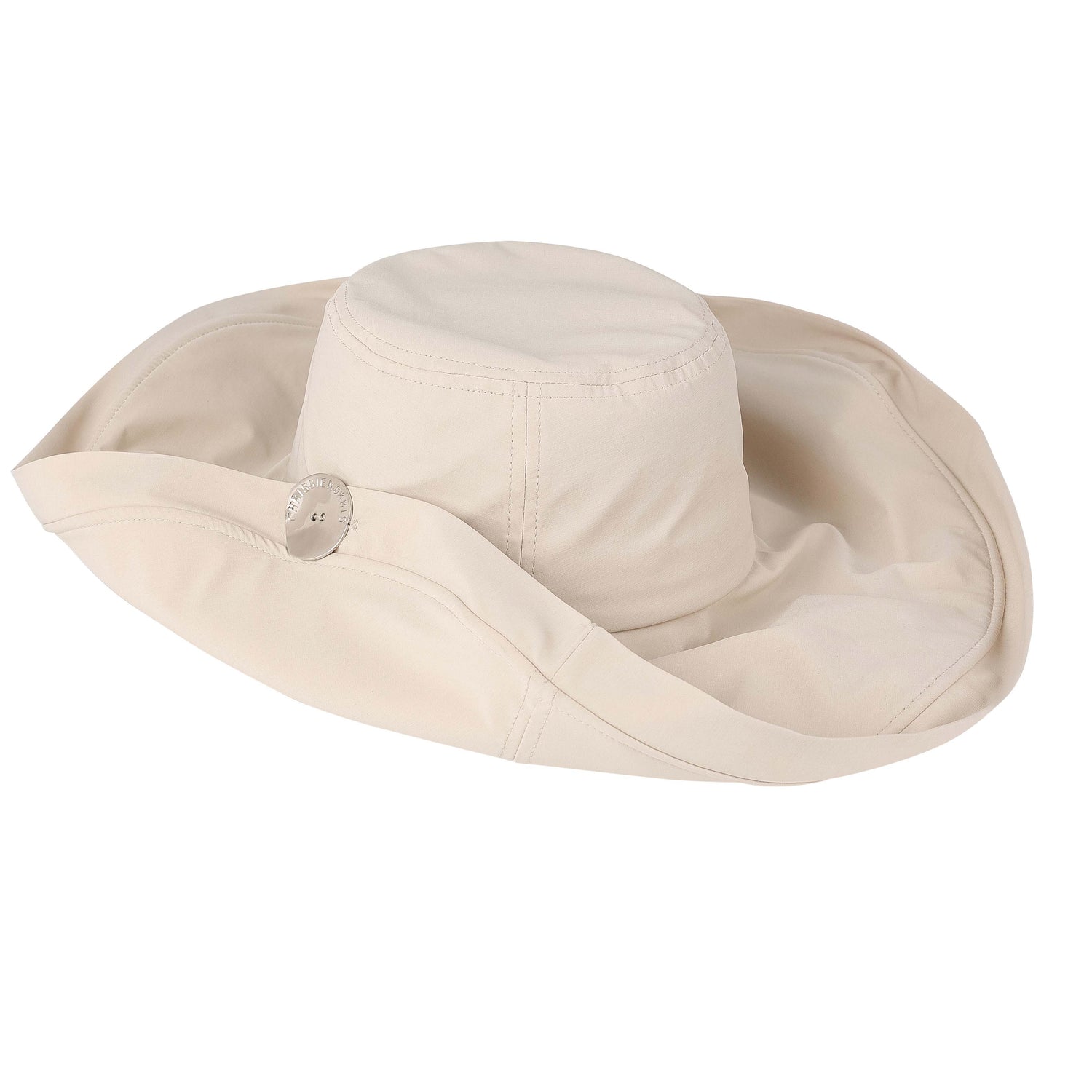
- Wide, Structured Brim: Look for a brim of at least 10-14cm. Importantly, the brim must be structured so it doesn't flop into your eyes, keeping you safe whether you are driving or gardening.
- Built-in UV Monitor (New Technology): Modern hats, like the Hikesity Classic UPF50+ Visor, feature a color-changing UV sensing buckle. It alerts you in real-time when the sun's intensity is dangerously high, taking the guesswork out of your sun safety routine.
FAQ
Does a baseball cap provide enough sun protection?
No. Dermatologists routinely advise against relying solely on baseball caps. They leave your ears, cheeks, and the back of your neck completely exposed to harmful UV rays.
Can a sun hat reverse sun damage?
While a hat cannot reverse existing cellular damage, stopping further UV exposure allows your skin's immune system to focus on repairing existing damage, reducing the likelihood of precancerous spots developing further.
Do I need to wear a sun hat in the shade or on cloudy days?
Yes. Up to 80% of UV rays can penetrate clouds. Additionally, UV rays reflect off surfaces like water, sand, and pavement, meaning you can still get sun damage while sitting under an umbrella or in the shade.