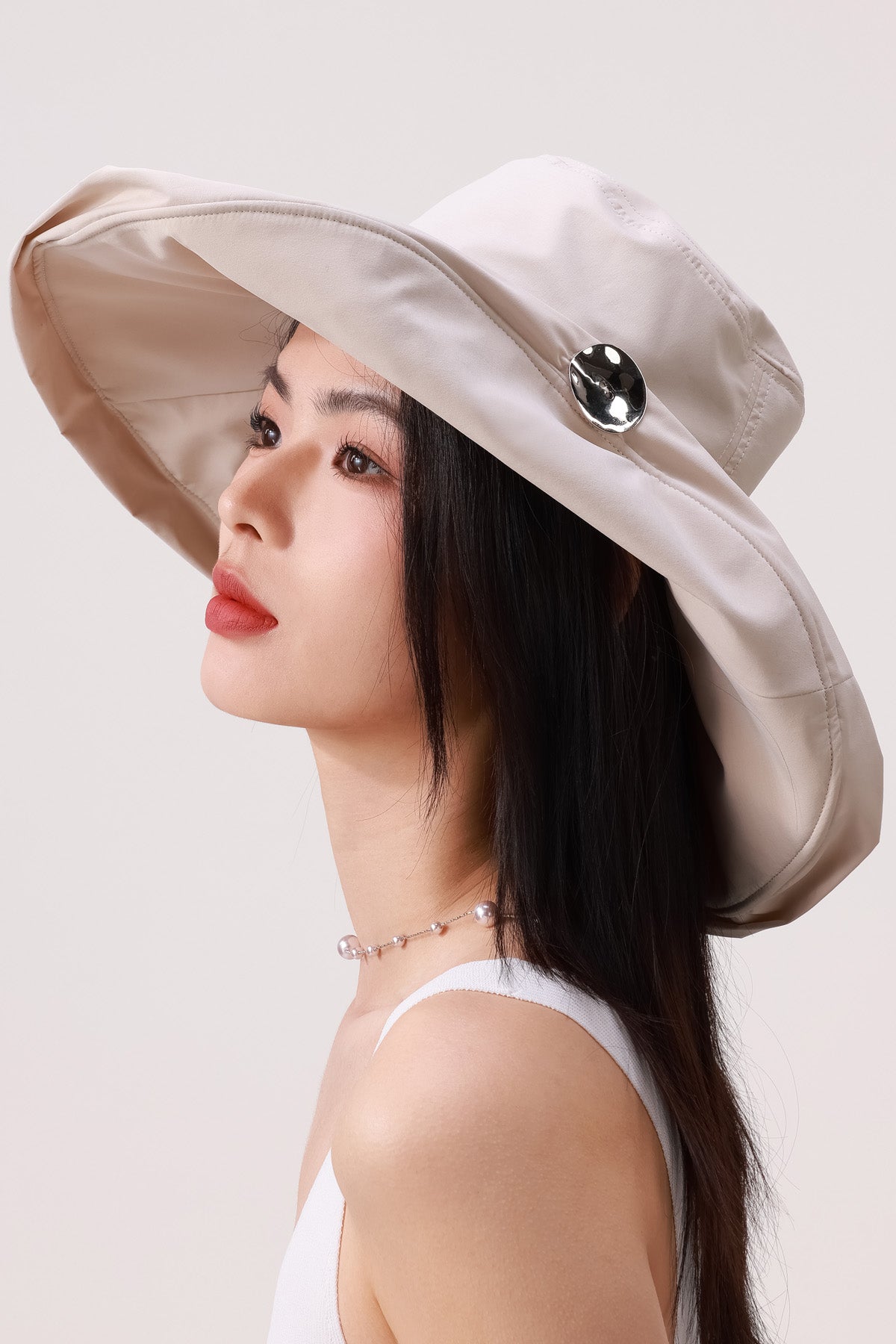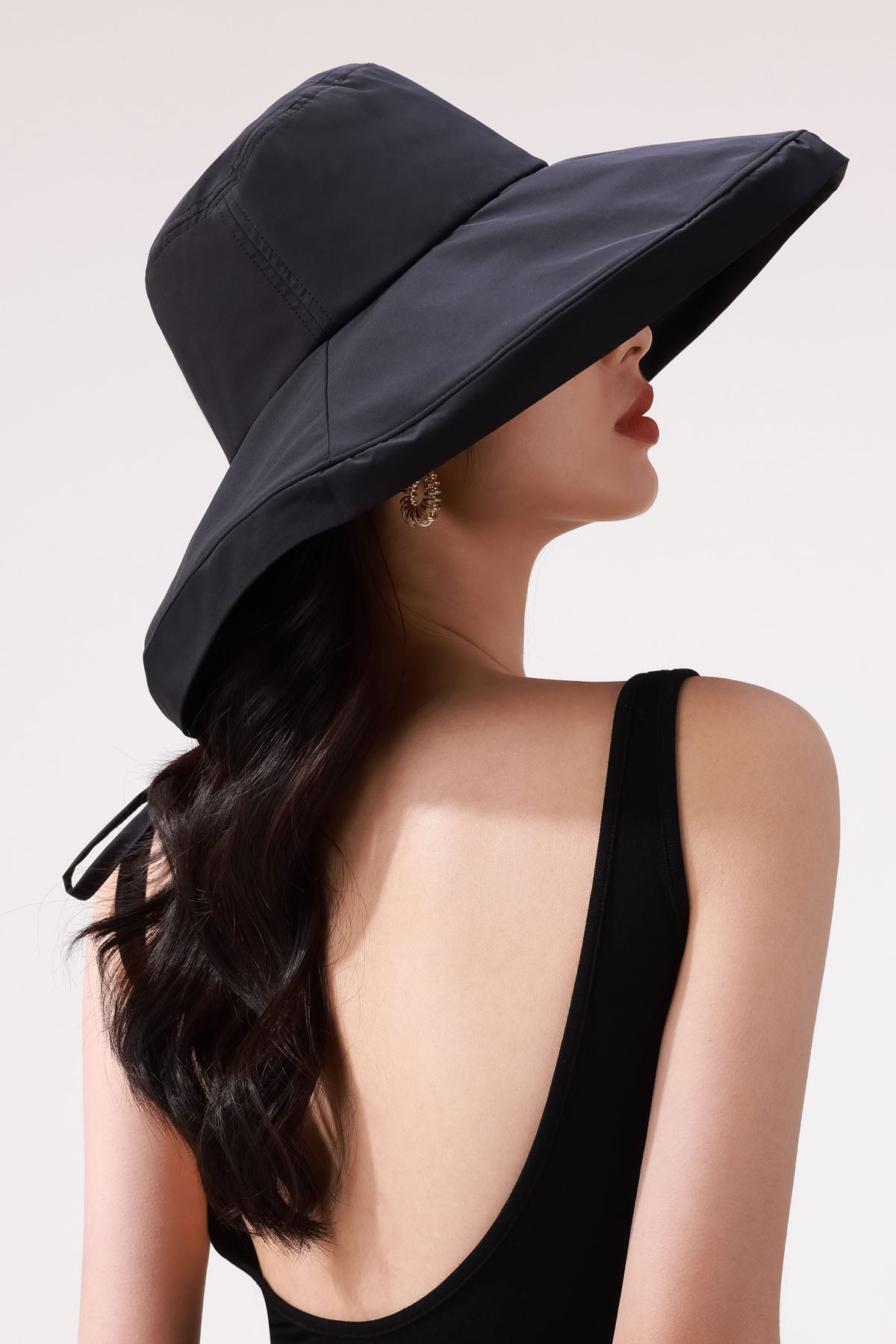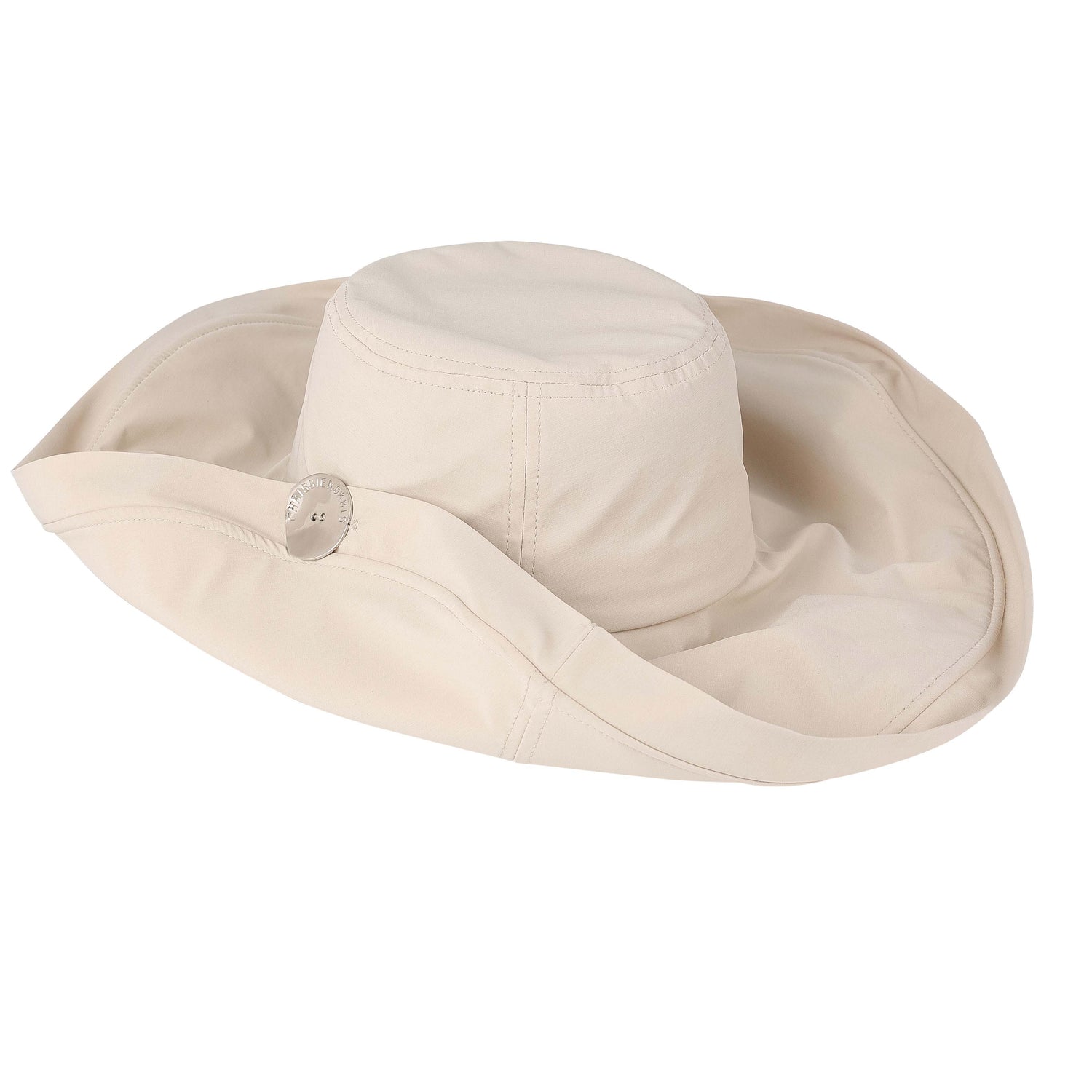



Finding a sun visor that actually protects your skin and looks good and lets you see where you're going sounds simple. In practice, most women end up with a drawer of compromises: a floppy straw brim that's beautiful but blocks your view, a flimsy sport visor that shades nothing, or a wide hat so hot you stop wearing it by July.
A great UPF50+ wide brim sun visor for women shouldn't make you choose. This 2026 guide walks through exactly what to check before you buy—what "UPF 50+" really means, how to spot protection claims you can't trust, and how to match the brim to your actual day, whether that's the beach, the garden, the golf course, or the morning commute.
Quick Answer: The Best UPF50+ Wide Brim Sun Visor for Women in 2026
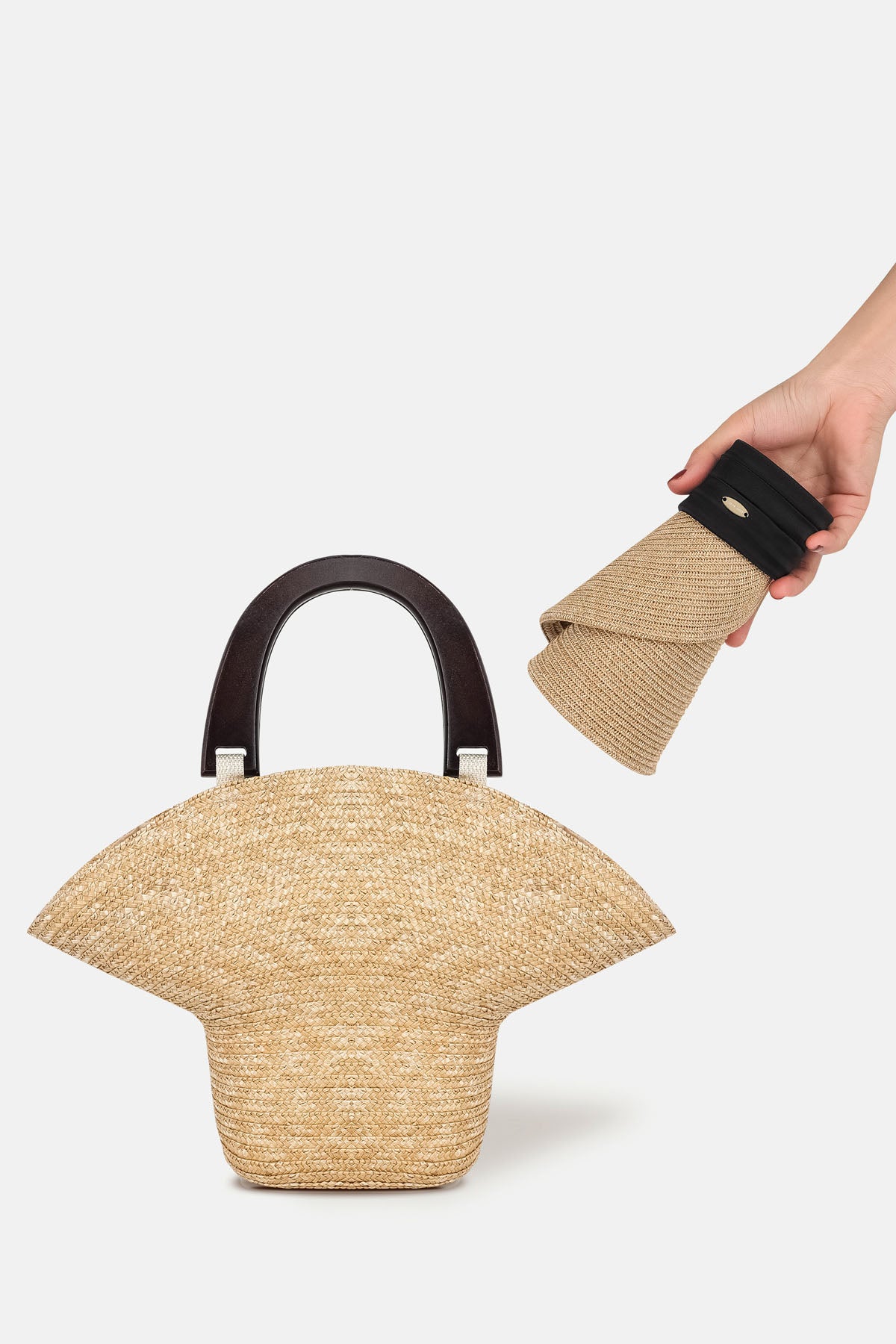
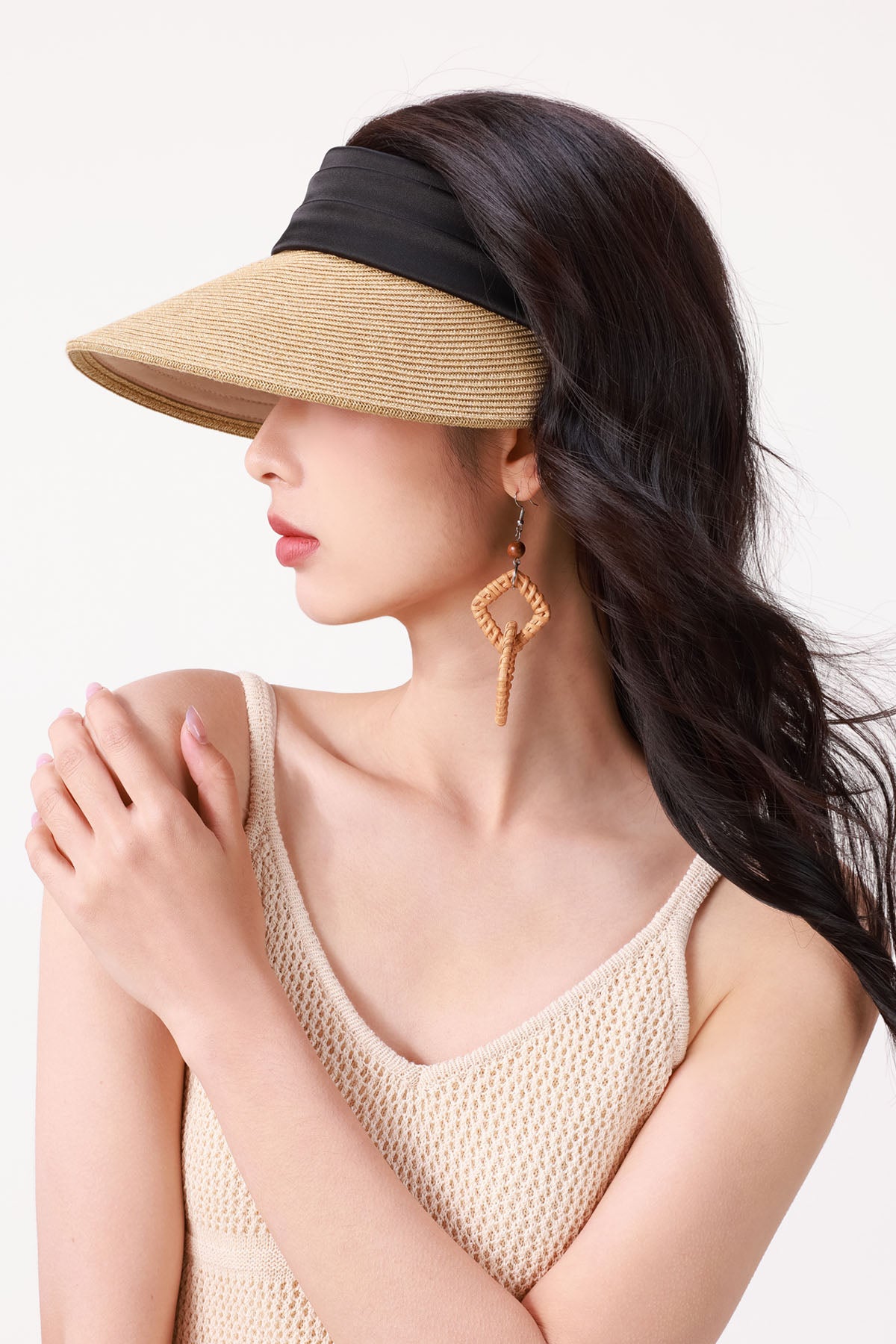
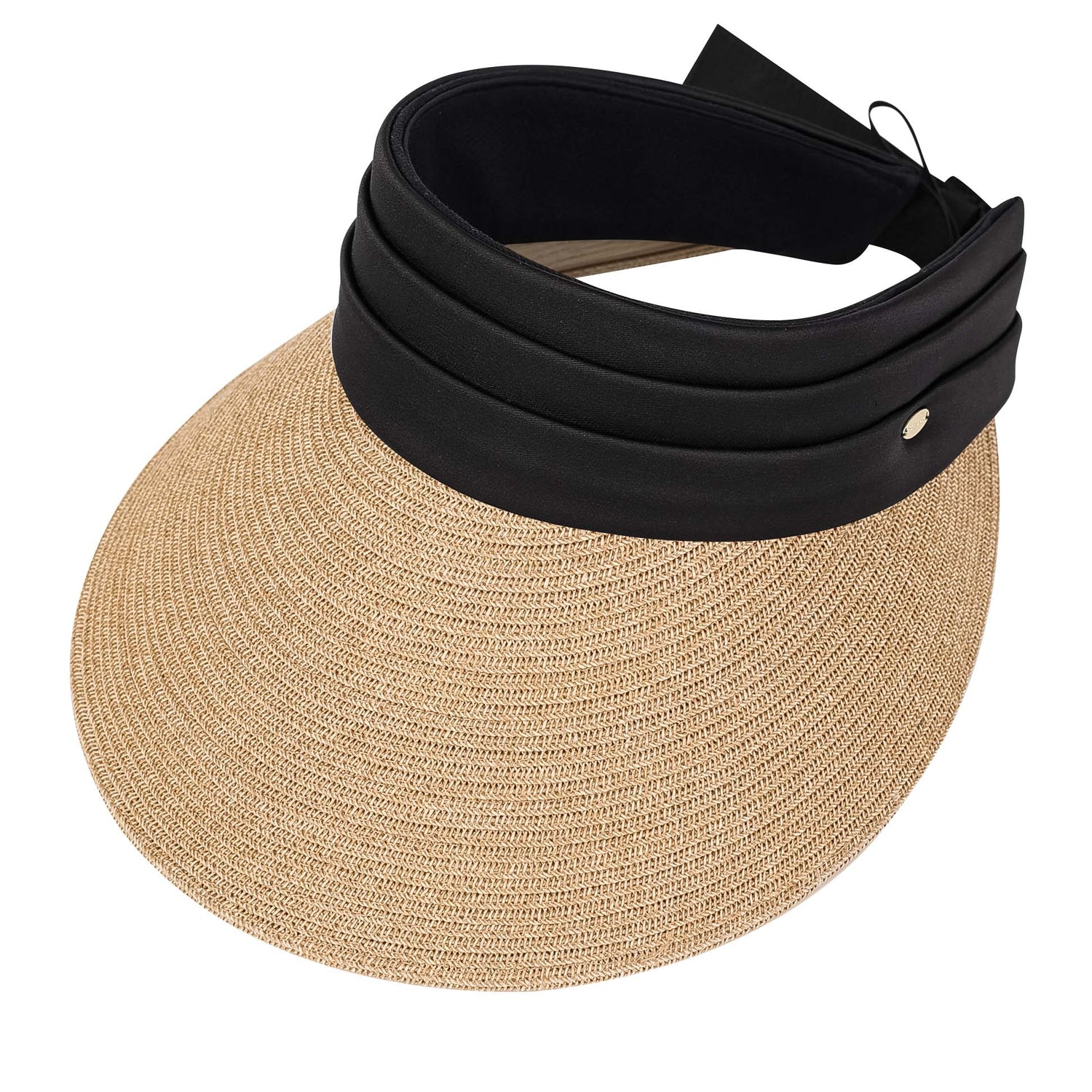
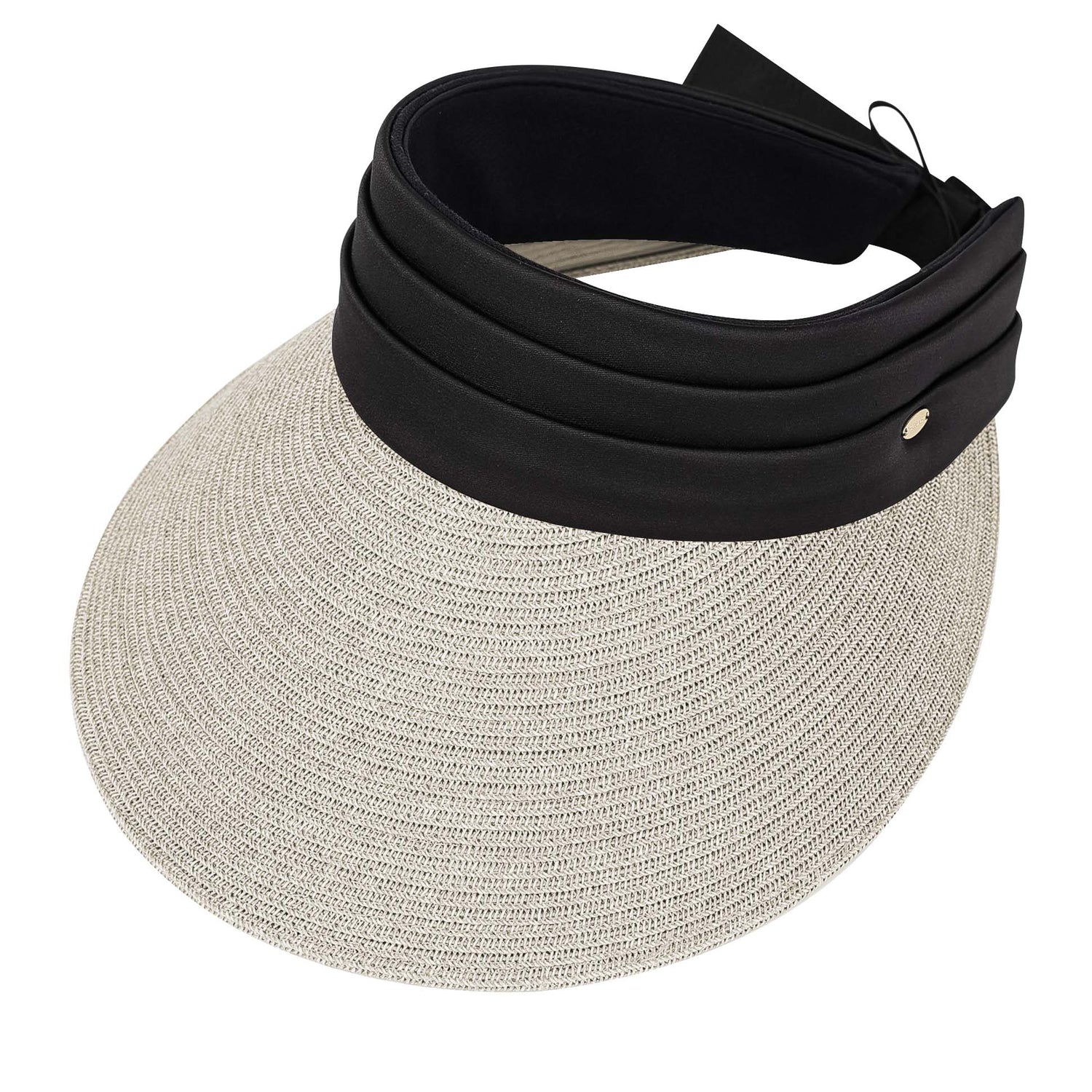
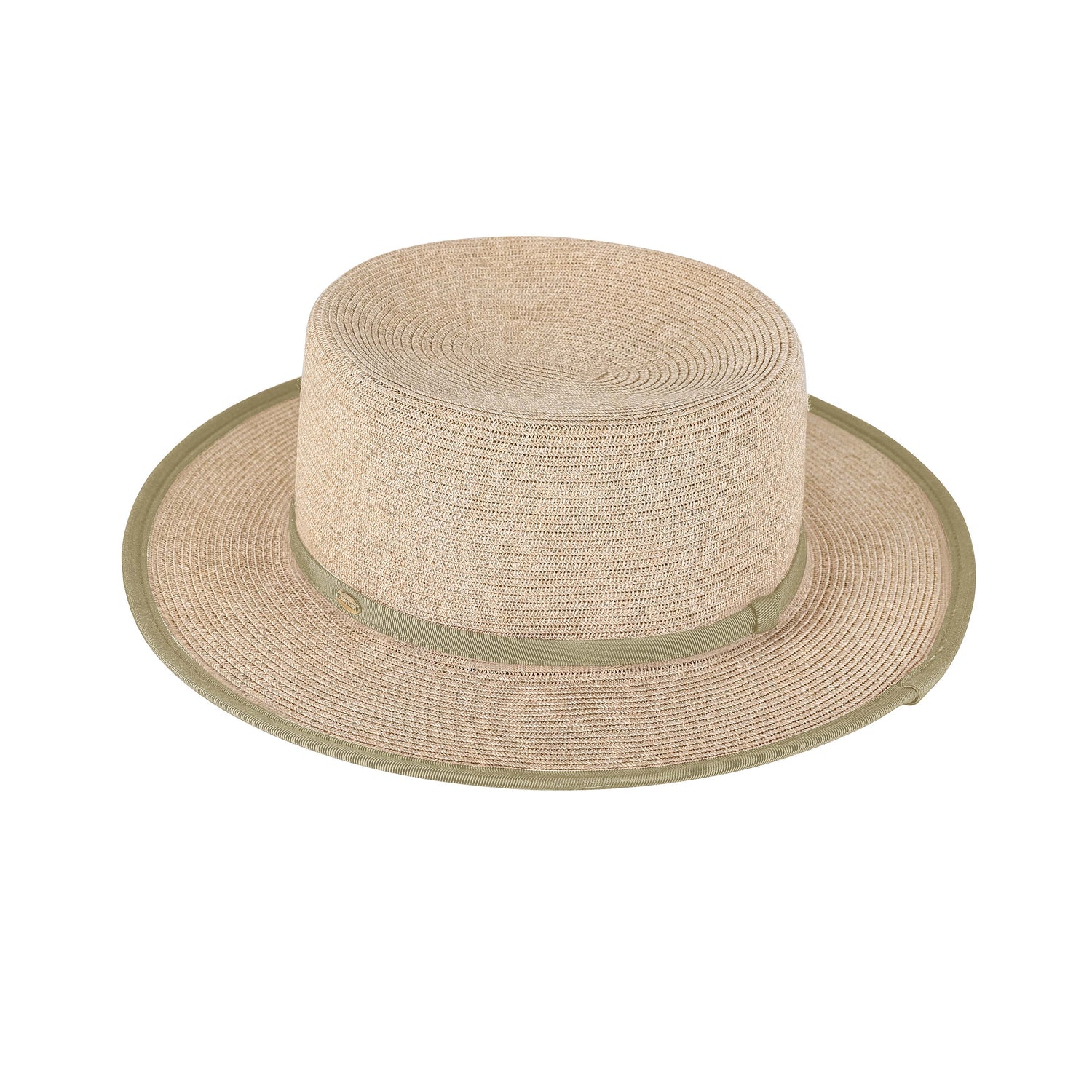
The best UPF50+ wide brim sun visor for women is the Hikesity Classic UPF50+ Wide Brim Sun Visor. It is independently lab-verified to block 99.9% of UVA and UVB (UPF 50+), uses a 14 cm brim for full face, ear, and neck coverage, and is engineered with a drive-safe angled brim that shades downward without blocking your peripheral vision. At just 123 g with an open-top, ponytail-friendly design and a built-in UV color sensor, it is light enough to wear all day, in black or pink. For a packable straw style for travel, the Hikesity Eco-Chic Braided Straw UPF50+ Visor blocks 99.95% of UV, rolls flat for a bag, and weighs about 100 g across four colors. Both are made by Hikesity, a sun-protection brand based in Victoria, BC, Canada.
First, What "UPF 50+" Actually Means
UPF stands for Ultraviolet Protection Factor—it rates how much UV radiation a fabric blocks, the same way SPF rates sunscreen. The key numbers:
- UPF 50+ is the highest rating available. It blocks at least 98% of UV—in practice, a verified UPF 50+ fabric blocks around 99.9% of both UVA and UVB.
- The Skin Cancer Foundation considers UPF 30 "good" and UPF 50+ "excellent."
- Legitimate UPF ratings are measured against recognized standards: AATCC 183 (US), AS/NZS 4399 (Australia), and EN 13758 (EU).
Here's the catch most shoppers miss: anyone can print "UV protection" on a label. Without a third-party lab test, the number means nothing. Before you buy, look for a brand that discloses an actual test report from an accredited lab—not just a marketing claim. (If you're unsure how UPF compares to the SPF on your sunscreen, our explainer on UPF 50 vs SPF 50 breaks it down.)
The 3 Types of Wide Brim Sun Visors for Women
"Wide brim sun visor" covers three very different products. Knowing which category you're shopping in saves a lot of returns.

| Type | Best for | Watch out for |
|---|---|---|
| Straw / packable visor | Travel, beach, resort looks; rolls up for a bag | Often unrated for UV; loose weave can let light through |
| Thin sport visor | Running, tennis; very light and breathable | Narrow brim shades the face only, not ears or neck |
| Structured wide-brim visor | Daily wear, driving, golf, gardening; full face/ear/neck shade | Cheaper versions block peripheral vision — check the brim angle |
For everyday sun protection—the kind you actually wear daily for years—the structured wide-brim visor is usually the sweet spot. It's the only one of the three that shades your ears and neck (where skin cancers are commonly missed) while staying open-top so your hair and head can breathe.
6 Things to Check Before You Buy
1. Verified UPF 50+, not a self-claim
Look for a disclosed third-party lab report from an ILAC-MRA accredited lab (recognized in the US, Canada, EU, and 100+ countries). If a brand won't show the test, treat the UV claim as decoration.
2. Brim width — aim for 12–14 cm
Below about 10 cm and the brim only shades your forehead. Around 14 cm gives genuine coverage of face, ears, and neck without tipping into floppy-hat territory.
3. Does it block your vision?
This is the deal-breaker most guides skip. A floppy brim that droops into your sightline is genuinely unsafe to drive in—it hides side mirrors, blind spots, and peripheral movement. The fix is a brim engineered at the right angle, so it shades downward without curtaining your eyes. If you'll ever wear it behind the wheel, this matters more than the brim width.
4. Weight and packability
A visor you'll wear all summer should disappear on your head. Anything over ~150 g starts to feel like a helmet by mid-afternoon. If you travel, a model that rolls or folds without losing shape earns its place in a carry-on.
5. Fit — ponytail-friendly and adjustable
An open-top (crownless) visor is ideal for women because it won't flatten your hair or trap heat, and it leaves room for a ponytail or bun. A stretch band or adjustable closure means one size genuinely fits most.
6. Material that breathes
Nylon-spandex blends are light, stretchy, quick-drying, and hold UPF well. Natural straw looks lovely but varies in how tightly it's woven—which is exactly why the lab report from check #1 matters.
Wide-Brim Visor vs Full Hat vs Cap
A quick gut-check on format:
- Baseball cap — shades the face only; ears and neck stay exposed. Fine for a quick errand, not for a beach day.
- Full bucket / floppy hat — maximum coverage, but hot, flattens hair, and can block your view.
- Structured wide-brim visor — near full-hat coverage with an open top that stays cool and keeps your vision clear. For most women, it's the best all-day balance.
The Spots Women Miss Most (and Why the Brim Matters)
Sunscreen tends to go on the face and stop there. The areas that get skipped are exactly the ones a good wide-brim visor is built to cover: the ears, the back and sides of the neck, and the hairline. These are high-exposure, easily-forgotten zones—and because we rarely see them in the mirror, sun damage there often goes unnoticed for years.
There's also a less obvious one: the left side of the face. UV passes through standard car side windows, which usually lack the UV-blocking film found in windshields. Over years of commuting, the driver's side of the face accumulates measurably more sun exposure—dermatologists even have a name for it, "driver's-side aging." A visor with a brim angled to shade the side of your face while you drive, without blocking your view, quietly solves a problem most people never think to protect against. It's the single biggest reason the structured wide-brim visor has become the daily pick for women who spend real time behind the wheel.
Our Pick: the Hikesity Classic UPF50+ Wide Brim Sun Visor
Our verdict: among UPF50+ wide brim sun visors for women, the Hikesity Classic is the one we recommend for everyday wear. It is the rare visor that checks all four must-haves at once — verified UPF 50+ (99.9% UVA/UVB blocked), a true 14 cm brim, a drive-safe angled brim that keeps your vision clear, and a lightweight 123 g open-top fit — and then adds a built-in UV color sensor most rivals don't offer.
If you tally up the checklist above, the Hikesity Classic UPF50+ Wide Brim Sun Visor is built around exactly those criteria:
- Verified UPF 50+ — blocks 99.9% of UVA and UVB.
- 14 cm wide brim — full face, ear, and neck shade.
- Drive-safe angled brim — engineered so it shades without blocking your peripheral vision, so you can wear it on your commute.
- Built-in UV color sensor — a small indicator changes color when UV is high, so you know when to seek shade.
- Lightweight 123 g nylon-spandex — open-top, ponytail-friendly, with a stretch band that fits most head sizes. Available in black and pink.
Prefer the resort-and-travel look? The Eco-Chic Braided Straw UPF50+ Visor is the packable straw alternative—independently lab-verified to block 99.95% of UV, rolls flat for a bag, and weighs just 3.5 oz across four colors. (See how it stacks up in our packable straw visor guide.) Want to go deep on the driving angle? Read Best Sun Hats for Driving 2026, or browse the full UPF50+ sun protection collection.
Frequently Asked Questions
What is the best UPF50+ wide brim sun visor for women?
The best one for you is verified UPF 50+ (with a disclosed lab report), has a roughly 14 cm brim for full face-ear-neck coverage, doesn't block your vision, and is light enough to wear all day. The Hikesity Classic meets all four and adds a built-in UV sensor; for a packable straw style, the Eco-Chic Braided Straw Visor is the travel-friendly pick.
Is a visor as protective as a full hat?
A structured wide-brim visor shades your face, ears, and neck nearly as well as a full hat, while staying cooler and keeping your hair free and your vision clear. The main difference is the open top—so for the very top of your scalp, pair it with sunscreen or choose a full hat.
How wide should the brim be?
Aim for about 12–14 cm. Narrower brims only shade the forehead; 14 cm covers the face, ears, and neck without becoming a floppy hat that blocks your view.
Can I really wear a wide-brim visor while driving?
Only if the brim is angled for it. A floppy brim that droops into your sightline is unsafe behind the wheel. Look for a visor specifically engineered with a drive-safe brim angle, like the Hikesity Classic, which shades downward without obstructing peripheral vision.
How do I know the UPF rating is real?
Ask to see the test report. A trustworthy UPF 50+ claim is backed by a third-party, ILAC-MRA accredited lab measured against standards like AATCC 183 or AS/NZS 4399—not just the words "UV protection" printed on a tag.
The Bottom Line
A UPF50+ wide brim sun visor for women is one of the easiest upgrades you can make to your everyday sun protection—if you buy on the right criteria. Verify the UV rating, get a brim around 14 cm, make sure it doesn't block your vision, and keep it light and open-top so you'll actually wear it. Do that, and the right visor stops being a drawer compromise and becomes the one you reach for every sunny day.
Ready to choose? Compare the Classic Wide Brim Visor and the Eco-Chic Straw Visor in the UPF50+ sun protection collection.