

Right now, somewhere in the world, 1 million single-use plastic bottles are being bought—and that is the count for this minute alone. By the time you finish reading this article, another five million will have been sold. The United Nations Environment Programme puts the global total near half a trillion plastic bottles every year, and the trend line is still pointing up.

Here is the part that makes it personal: if you drink the commonly recommended ~2 litres of water a day from 500 ml single-use bottles, that is four bottles a day × 365 days = 1,460 plastic bottles a year. One person. One year. A wall of plastic taller than you are.
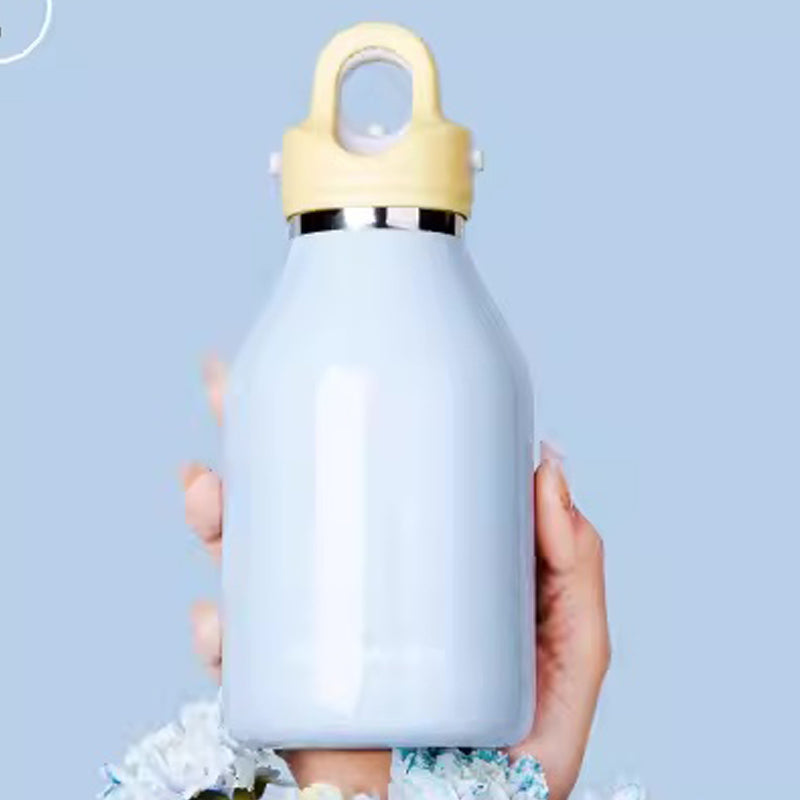
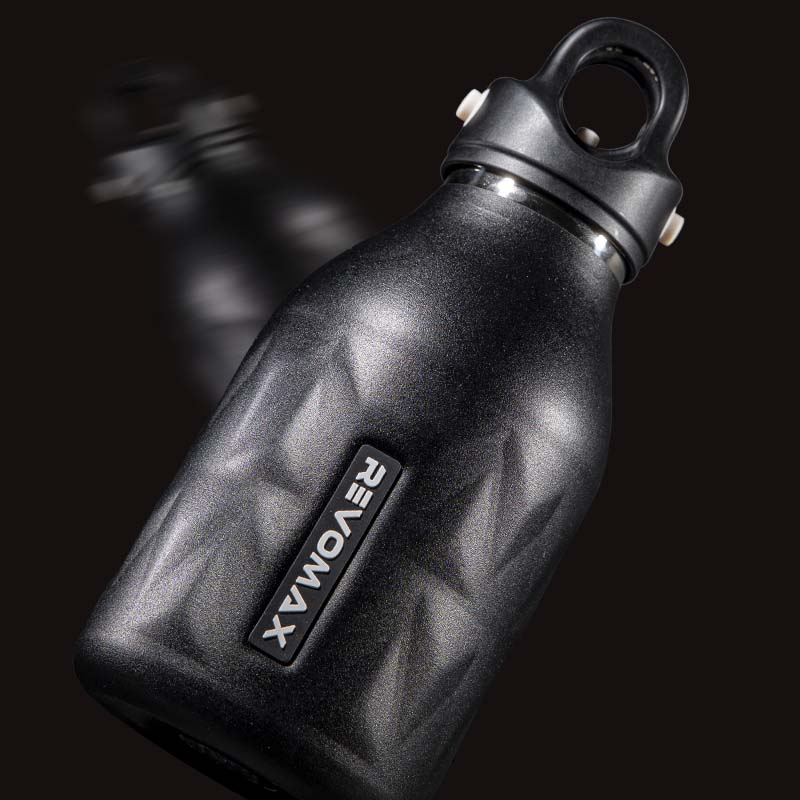
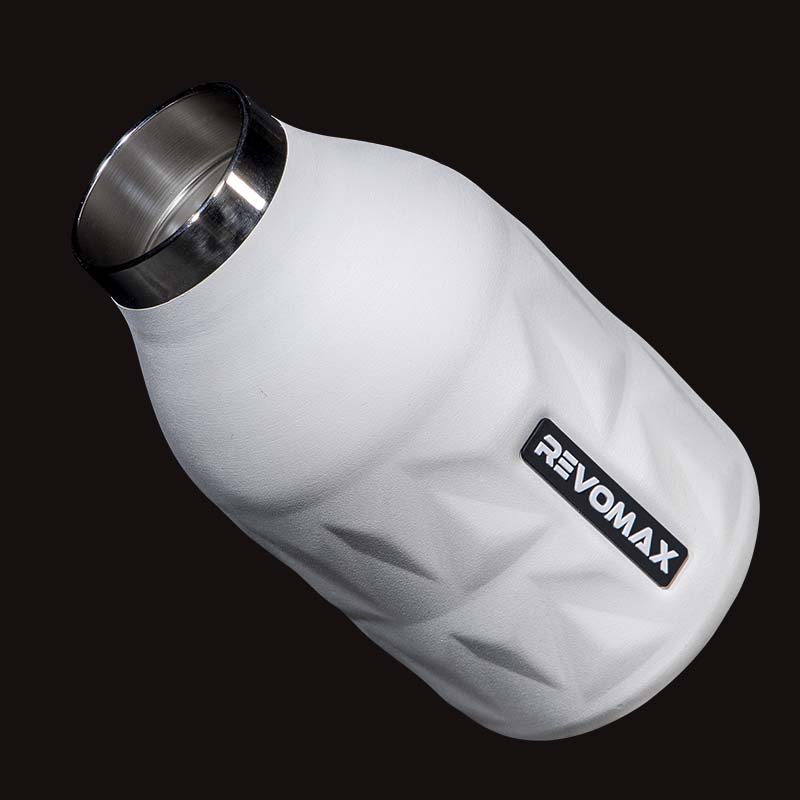
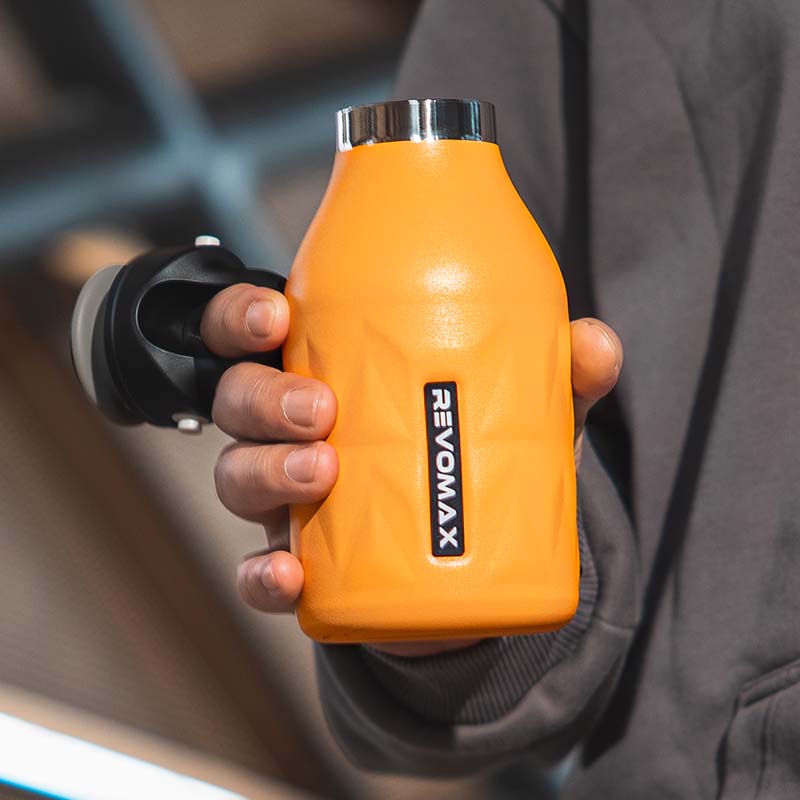
A single 316L medical-grade insulated bottle replaces every one of them—not for a season, but for years. This guide breaks down exactly how that math works, what the latest science says about why it matters, and why the material you choose decides whether your "eco-friendly" bottle is actually sustainable or just another thing you will throw away in eighteen months.
The 1,460 Number, Explained
Sustainability claims are easy to wave around and hard to verify, so let us show the working rather than ask you to trust a slogan.
- Daily intake: Health guidance commonly lands around 2 litres of fluid per day for an active adult.
- Bottle size: The most common single-use water bottle is 500 ml (16.9 oz).
- The math: 2,000 ml ÷ 500 ml = 4 bottles per day.
- Annualised: 4 × 365 = 1,460 single-use bottles per year.
Swap in a 20 oz (592 ml) or 32 oz (950 ml) reusable bottle and that entire yearly stack collapses into one object you refill from the tap. Over a realistic 5-year ownership window, a single bottle stands in for roughly 7,300 plastic bottles. That is the number worth keeping in your head the next time a four-pack of spring water looks convenient.

Why "Just Recycle It" Doesn't Save You
The reassuring story is that plastic bottles get recycled and quietly return as new bottles. The data tells a harsher one.
In the United States, the PET bottle recycling rate sat at roughly 29% in 2022—meaning about seven in ten bottles were not recycled. Globally the picture is worse: a large share of the world's plastic bottles never make it into a recycling stream at all, and the broader plastic recycling rate has slid to single digits in recent years. The Recycling Partnership reported that 83% of curbside-recyclable plastic packaging isn't even placed in the bin to begin with.
And the bottles that escape recycling do not simply disappear. A PET plastic bottle takes an estimated 450 years to break down in the environment. The bottle you toss today will outlive you, your children, and your grandchildren—fragmenting the whole time into smaller and smaller pieces.
Recycling is a backstop, not a solution. The only bottle guaranteed not to end up in a landfill or an ocean is the one you never had to throw away.
The Microplastic Problem You're Drinking
There is also a health dimension that has sharpened considerably in the last two years. A 2024 study published in the Proceedings of the National Academy of Sciences (PNAS) used advanced laser-imaging microscopy to count plastic particles in popular bottled-water brands. The finding made headlines worldwide:
- An average of about 240,000 plastic particles per litre of bottled water.
- Roughly 90% of them were nanoplastics—small enough to potentially cross into cells and the bloodstream.
- That is 10–100× more plastic than earlier studies had detected, because previous tools could only see the larger microplastic fragments.
Ironically, one of the most common particle types identified was the very plastic the bottles themselves are made from. Choosing a non-plastic vessel—and refilling it with filtered tap water—is one of the few hydration decisions that improves both your environmental footprint and what actually goes into your body.
The Carbon Break-Even: When a Reusable Bottle "Pays Off"
A fair question deserves a fair answer: a steel bottle takes more energy to manufacture up front than a flimsy plastic one. So how many uses before it comes out ahead?
Life-cycle assessments put the carbon footprint of a single 500 ml plastic bottle at roughly 83 grams of CO₂e once you count the bottle, filling, and transport. Research summarised by Nestlé in North America found a reusable bottle's break-even point lands somewhere between 10 and 30 uses, depending on weight and insulation.
Put plainly: a bottle you refill twice a day pays off its carbon debt in under three weeks. Every refill after that is pure environmental savings—and across a multi-year lifespan, the net reduction versus single-use plastic runs well over 90%. The catch is right there in the phrase "multi-year lifespan." A bottle only delivers those savings if it survives long enough to be used thousands of times. Which brings us to the part most "sustainable bottle" articles skip.
Durability Is Sustainability: Why the Material Decides Everything
The greenest bottle is the one you never have to replace. A reusable bottle that cracks, rusts at the seams, develops a permanent funky smell, or starts leaching a metallic taste after a year of coffee doesn't get recycled into a new bottle—it gets thrown in the bin, and you buy another. That is a "reusable" bottle behaving exactly like a disposable one, just slower.
This is where the grade of steel quietly matters more than any marketing badge. It is also why the popular "just use glass" advice only goes so far: glass is inert and recyclable, but it is heavy, fragile, and a dropped bottle becomes landfill in a single moment of bad luck. Cheap plastic reusables fare worse—they scratch, harbour odour, and can themselves shed microplastics into your drink. For a bottle that has to survive thousands of refills, commutes, gym bags, and dishwasher cycles, the question is not whether it is reusable in theory, but whether it is durable enough to stay in service long enough to retire those 1,460 plastic bottles year after year.

304 vs 316L Stainless Steel
Most premium insulated bottles on the market—including well-known names like Hydro Flask, Yeti, and Stanley—are built from 304 (18/8) stainless steel. It is a perfectly good food-grade alloy. But 304 has a known weakness: it is more vulnerable to pitting and corrosion from chlorides and acids—exactly what you find in salty sports drinks, citrus water, and coffee.
316L medical-grade stainless steel adds 2–3% molybdenum to the recipe. That single ingredient dramatically improves resistance to pitting and crevice corrosion—which is why 316L is the alloy chosen for surgical implants and marine hardware. In a water bottle, that corrosion resistance translates directly into a longer usable life and no creeping metallic taste, even after years of acidic drinks.
| Property | 304 Stainless (typical) | 316L Medical-Grade |
|---|---|---|
| Corrosion / pitting resistance | Good | Superior (molybdenum-enhanced) |
| Taste neutrality with coffee, citrus, electrolytes | Can develop metallic notes over time | Stays neutral |
| Used in surgical / marine applications | No | Yes |
| Practical lifespan as a daily bottle | Years | Years — built to outlast the corrosion that retires lesser bottles |
The sustainability logic is simple: a bottle that resists the very things that age out cheaper bottles is a bottle you keep instead of replace. Fewer replacements means fewer bottles manufactured, shipped, and discarded over your lifetime. (For the full material deep-dive, see our guide on why 316L stainless steel is the best choice for your water bottle and what 316L medical-grade steel actually is.)
The Small Design Choices That Keep a Bottle in Service
Longevity isn't only about the alloy. The details that make a bottle pleasant to use every day are the same details that keep it from being quietly retired to the back of a cupboard:
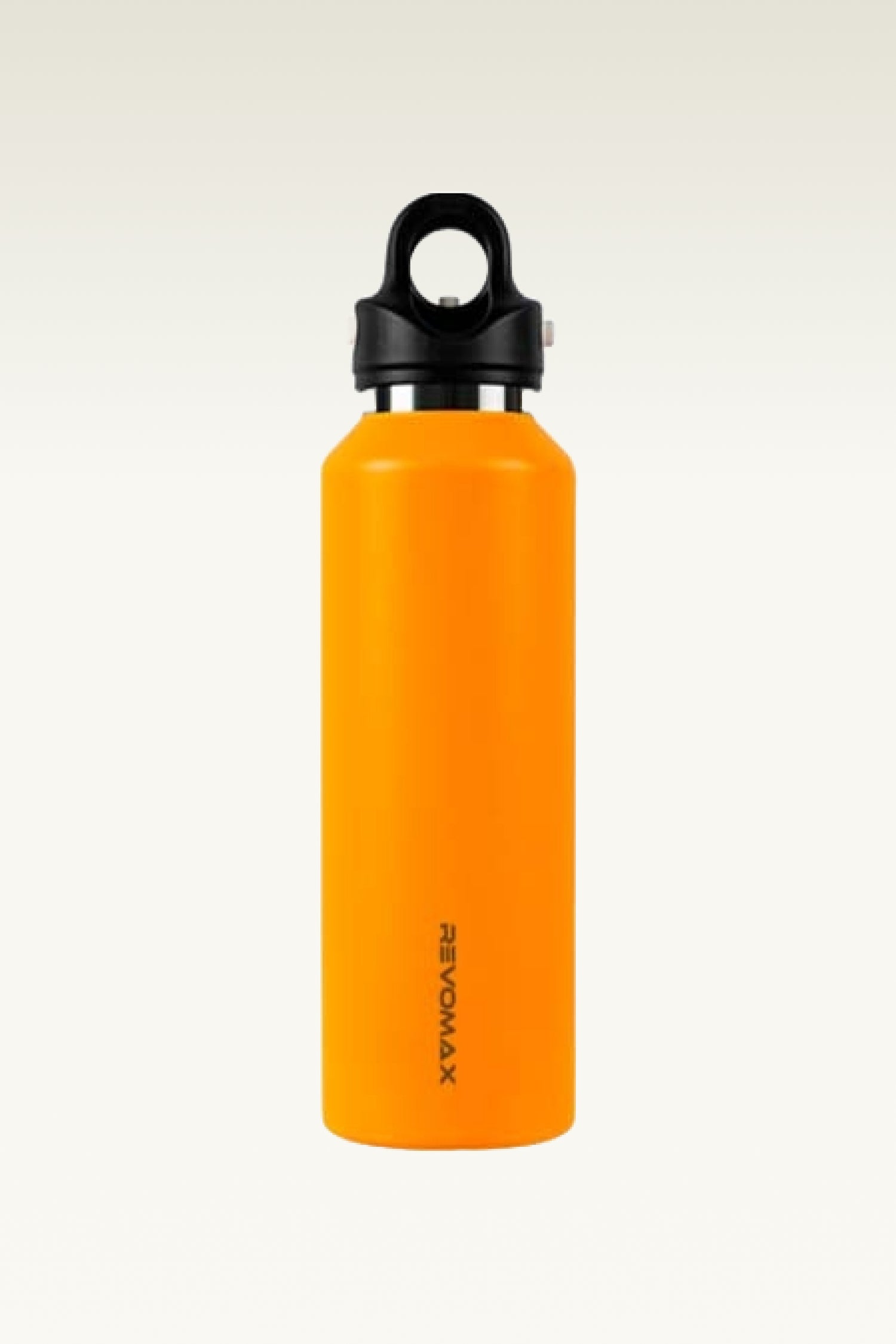
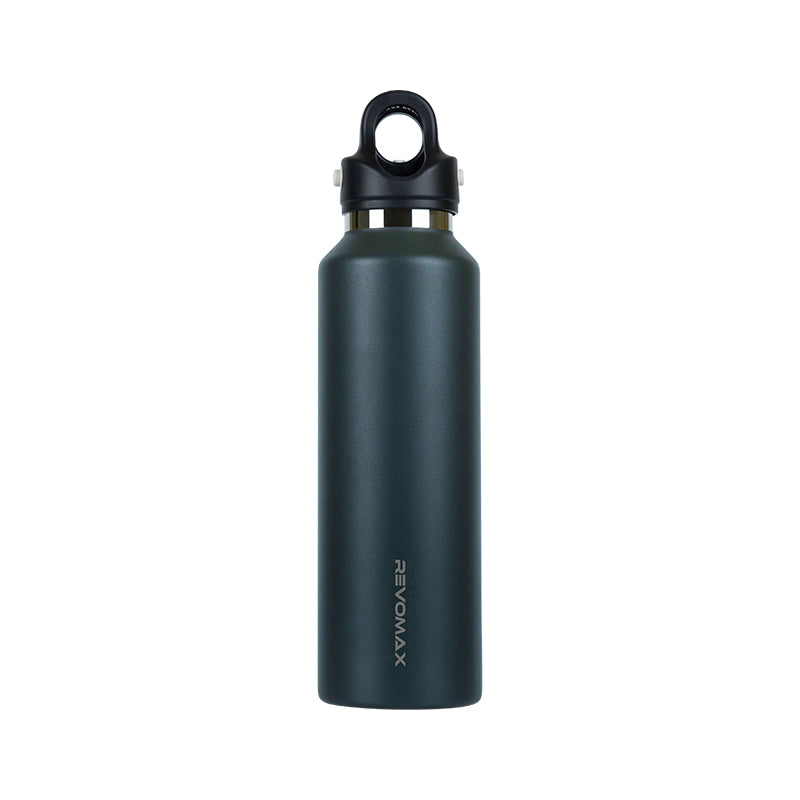
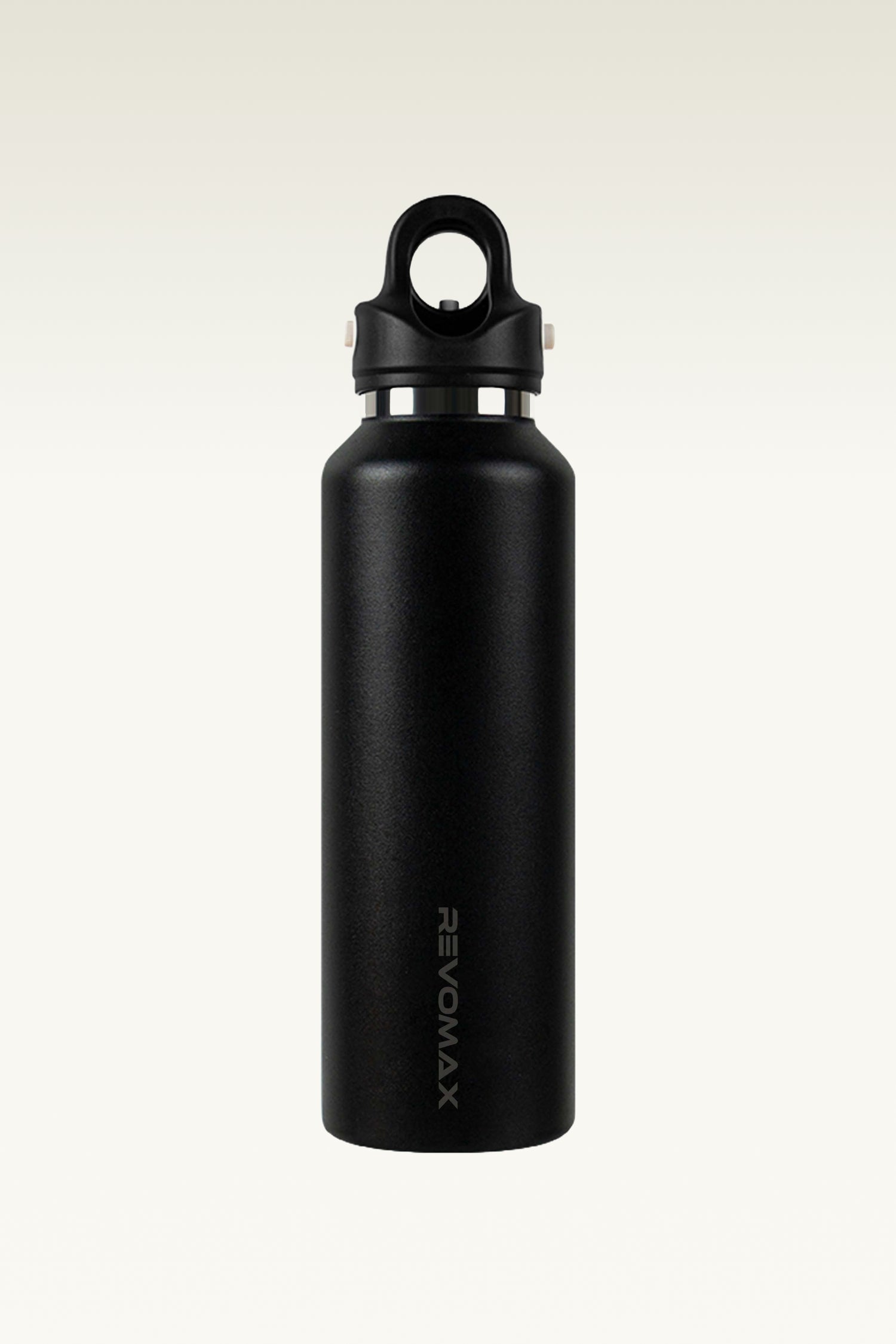
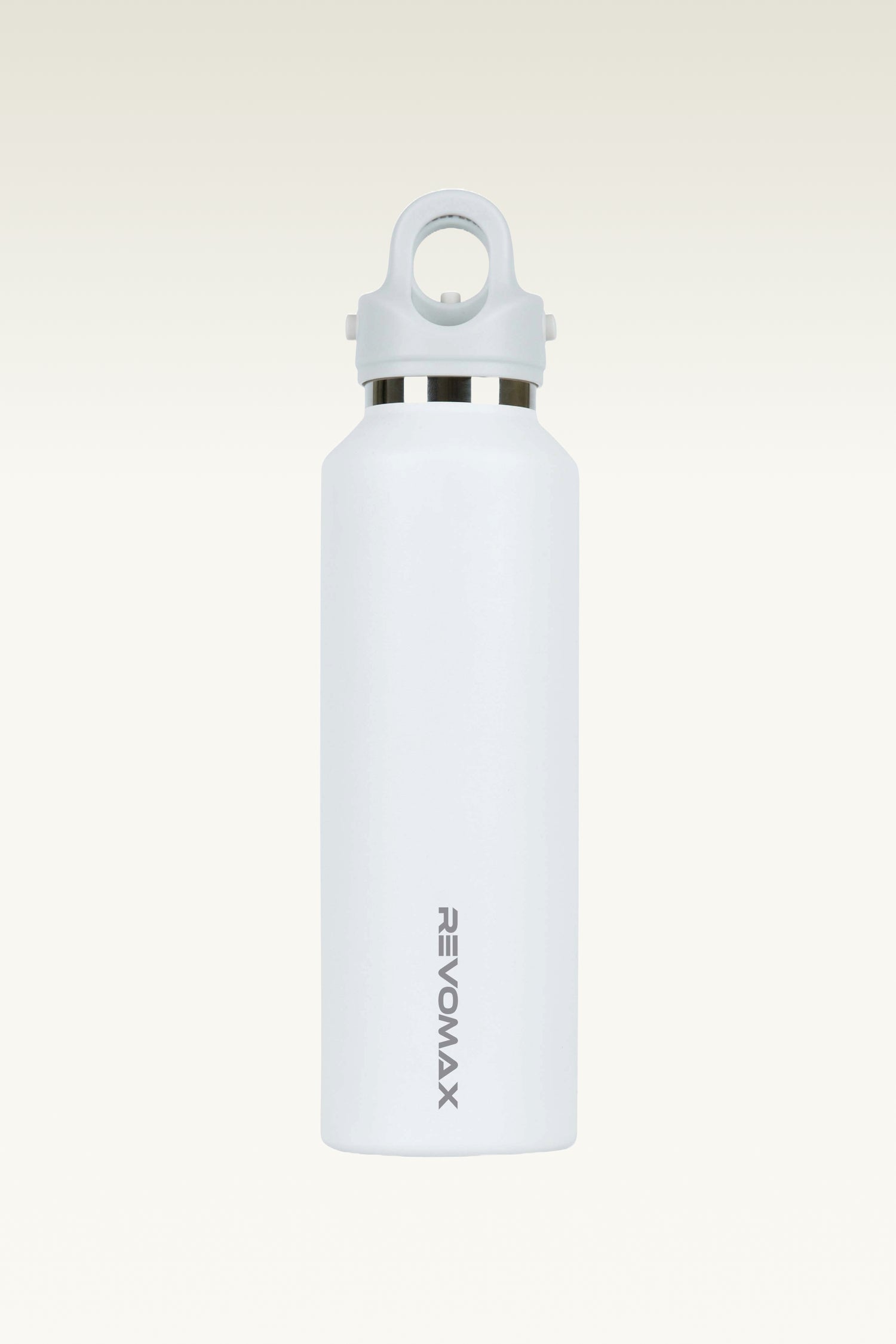
- A lid you actually want to use. Hikesity's no-screw lid opens one-handed in about two seconds and has no spiral threads for residue and odour to colonise—the number-one reason people give up on an old bottle.
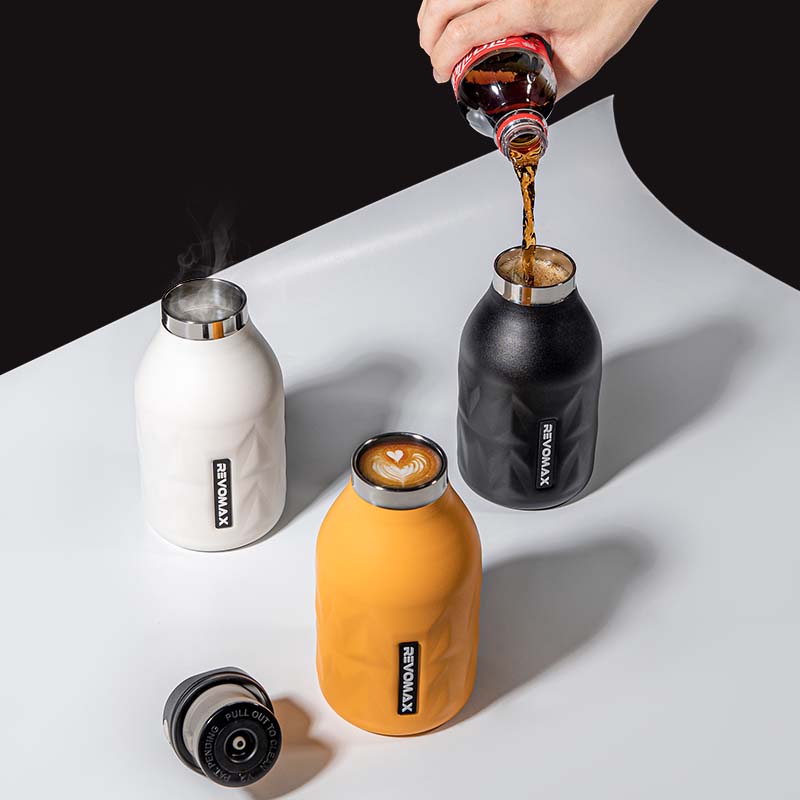
- Insulation that earns its keep. Double-wall vacuum insulation holds cold for up to 36 hours and hot for up to 18 hours, so you reach for it instead of buying a cold drink on the go.
- Repairable, not disposable. Replaceable lids and gaskets mean a worn part is a quick swap—not a reason to replace the whole bottle.
- A warranty that signals intent. Hikesity backs its bottles with a lifetime warranty. A company designing for the landfill doesn't offer that.
Choosing Your "Last Bottle"
If the goal is to replace 1,460 plastic bottles a year and then keep replacing them for years to come, size your bottle to your day:
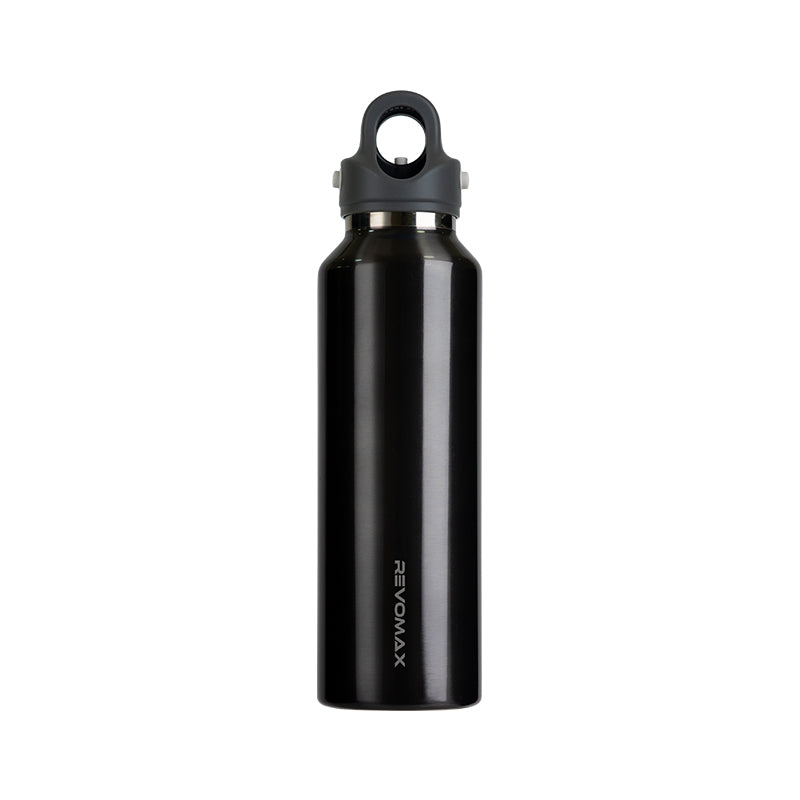
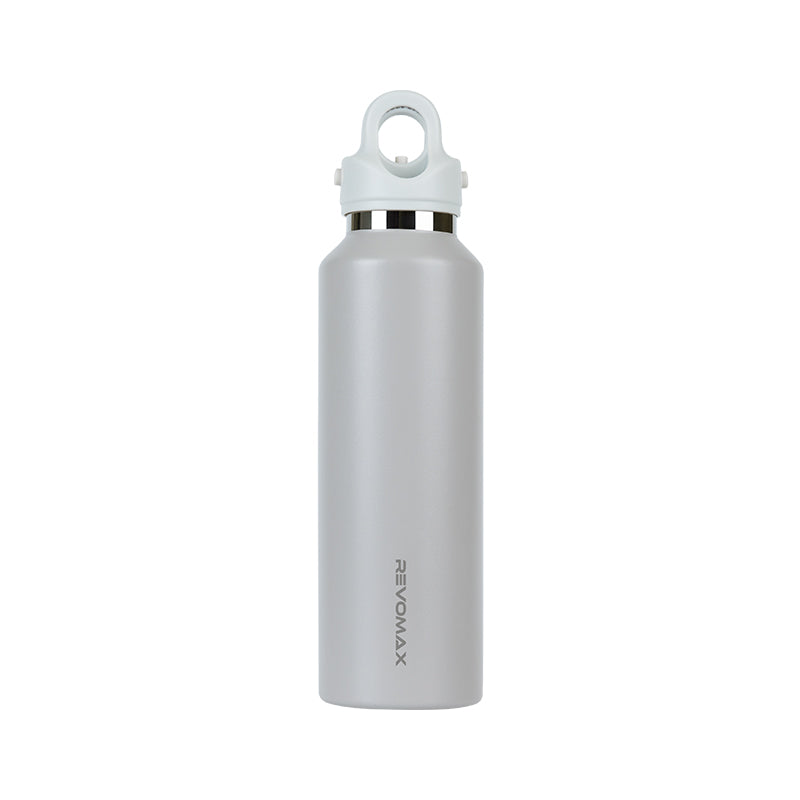
- 20 oz (592 ml) 316L bottle — the everyday carry. Light enough for a bag or larger cup holder, two refills covers a typical day.
- 32 oz (950 ml) 316L bottle — the all-day workhorse for desks, gyms, and trails, where you would rather refill once than four times.
Browse the full range in the 316L Hydration Collection, or if your bottle's main job is the trail, start with our field guide to the best insulated water bottle for hiking in 2026.
Frequently Asked Questions
Does one reusable bottle really replace 1,460 plastic bottles a year?
Yes, on a standard estimate. Drinking ~2 litres a day from 500 ml single-use bottles works out to 4 bottles a day, or 1,460 a year. A single refillable bottle covers that same intake from the tap, and over a five-year lifespan stands in for roughly 7,300 single-use bottles.
Is a stainless steel bottle actually better for the environment, given it takes more to make?
Yes—after a short break-even period. Life-cycle research puts the carbon break-even for a reusable bottle at roughly 10–30 uses. Refilling twice a day, you pass that point in under three weeks; every use afterward is a net saving versus single-use plastic.
Why does 316L steel matter for sustainability specifically?
Because durability is sustainability. 316L's molybdenum content gives it superior resistance to the corrosion and pitting that age out cheaper bottles. A bottle that lasts longer is replaced less often, which means fewer bottles manufactured and discarded over your lifetime.
Will switching to a refillable bottle reduce the microplastics I consume?
It can help. A 2024 PNAS study found an average of about 240,000 plastic particles per litre in bottled water, around 90% of them nanoplastics. Refilling a non-plastic bottle with filtered tap water avoids that particular exposure pathway.
How long do Hikesity 316L bottles keep drinks cold or hot?
Up to 36 hours cold and up to 18 hours hot, thanks to double-wall vacuum insulation—which also means you are far less likely to buy a chilled drink in a plastic bottle while you are out.
The Bottom Line
Sustainable hydration is not complicated. The hard part was never knowing what to do—it was choosing a bottle built to last long enough to make the switch count. Skip the 1,460 bottles this year. Then skip them next year, and the year after that, with the same bottle. That is what sustainability actually looks like: not a product you feel good buying, but a product you never have to buy again.
Explore the 316L Hydration Collection and choose the bottle that ends your plastic count for good.