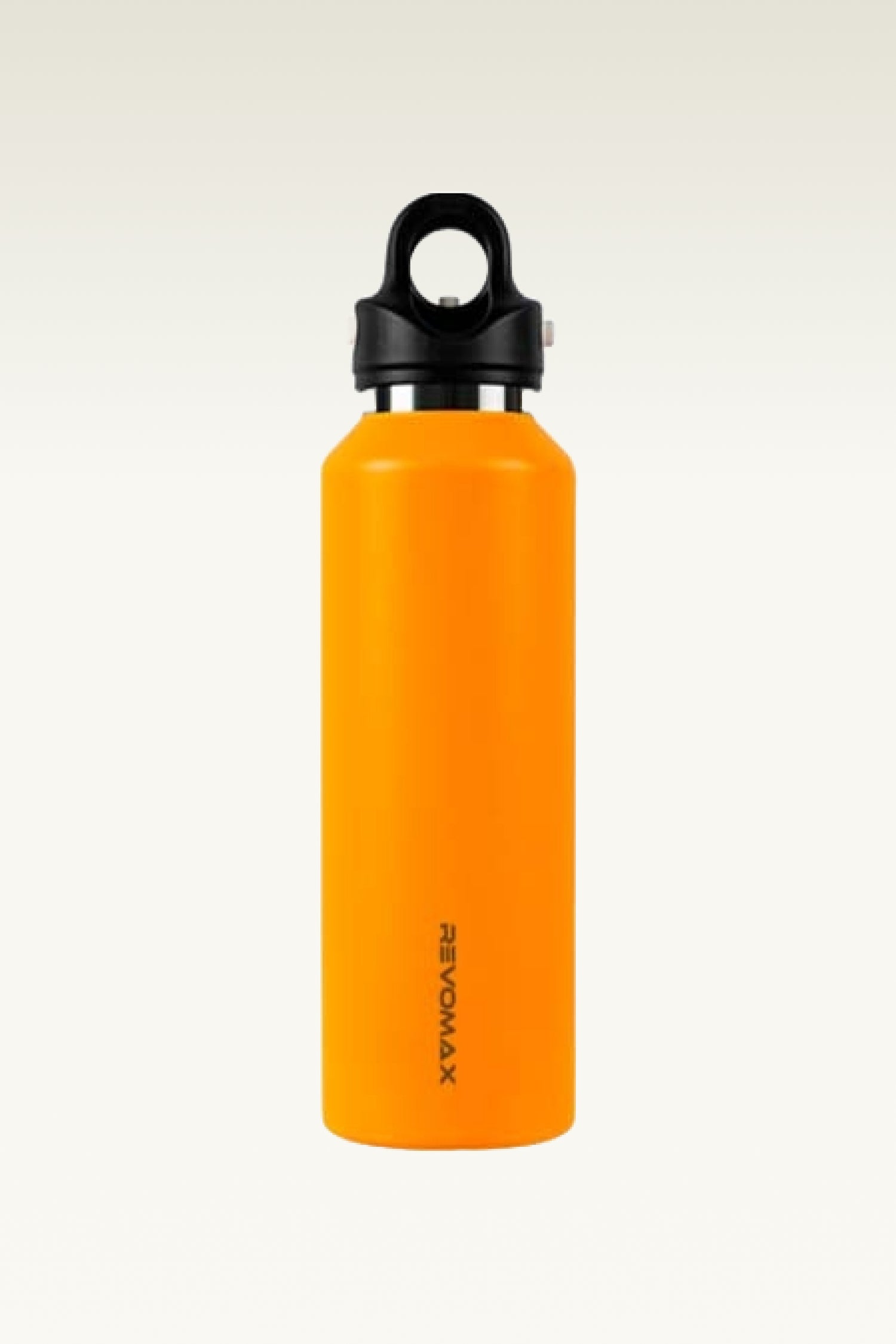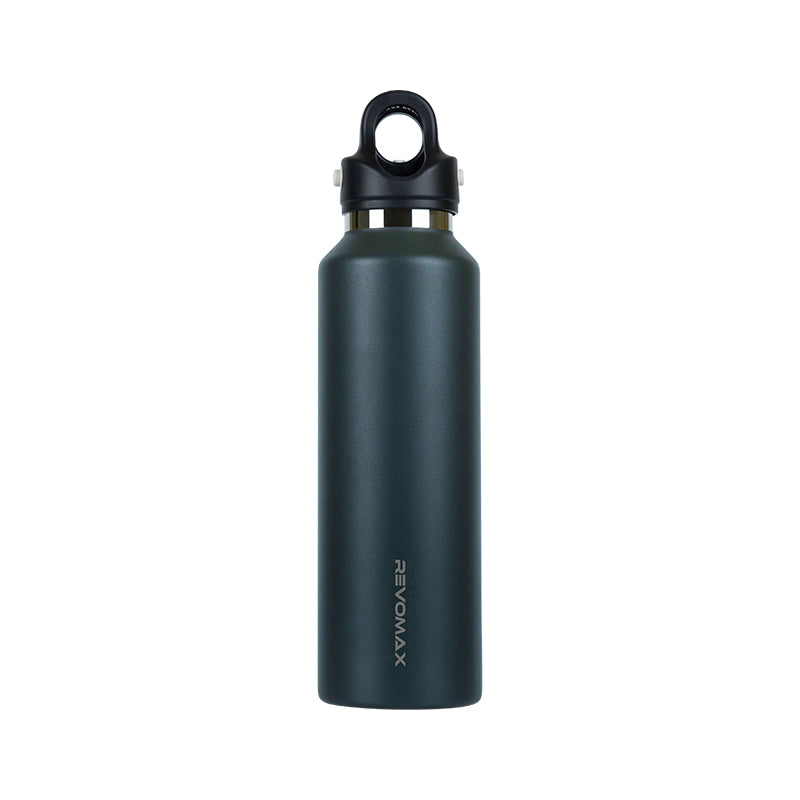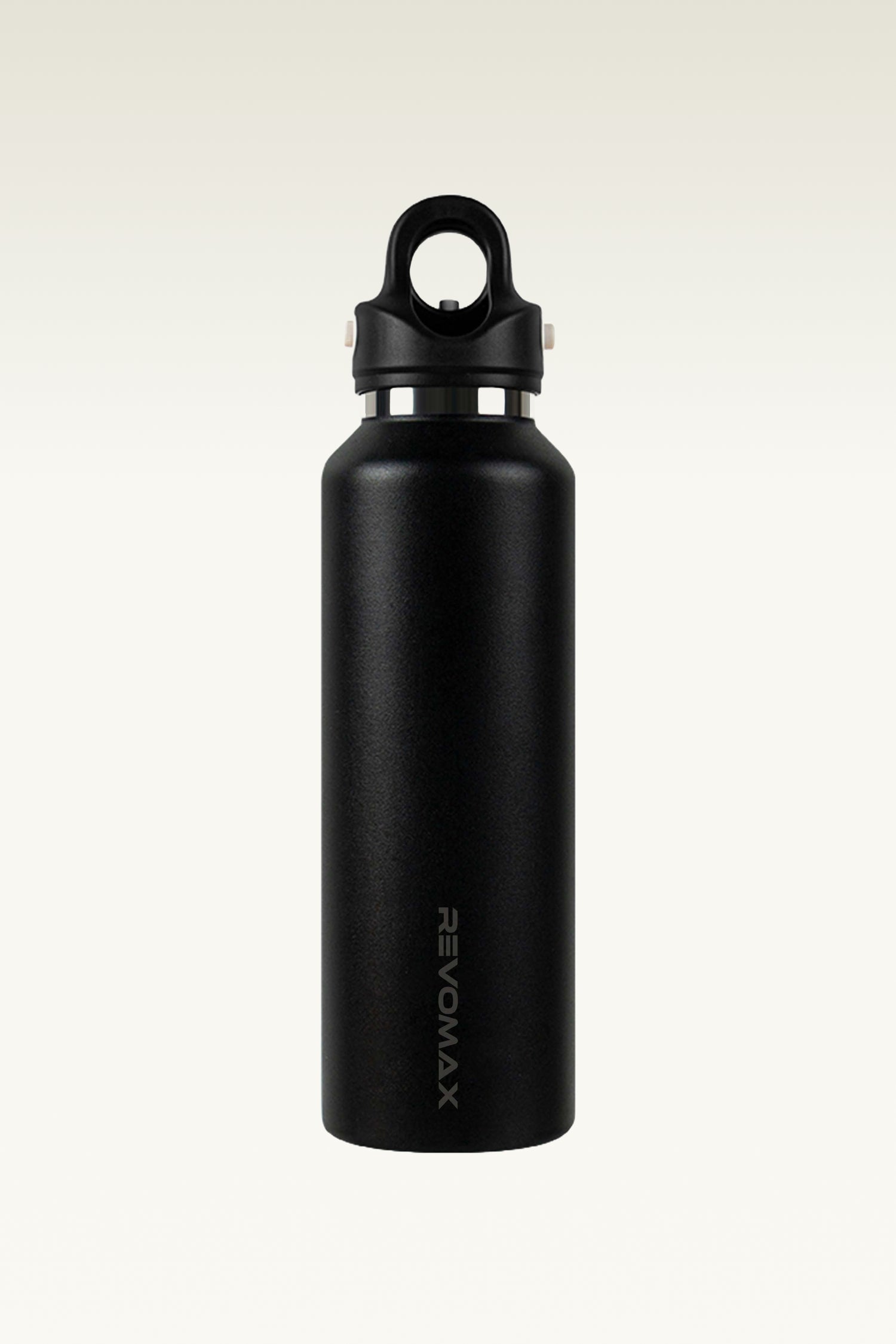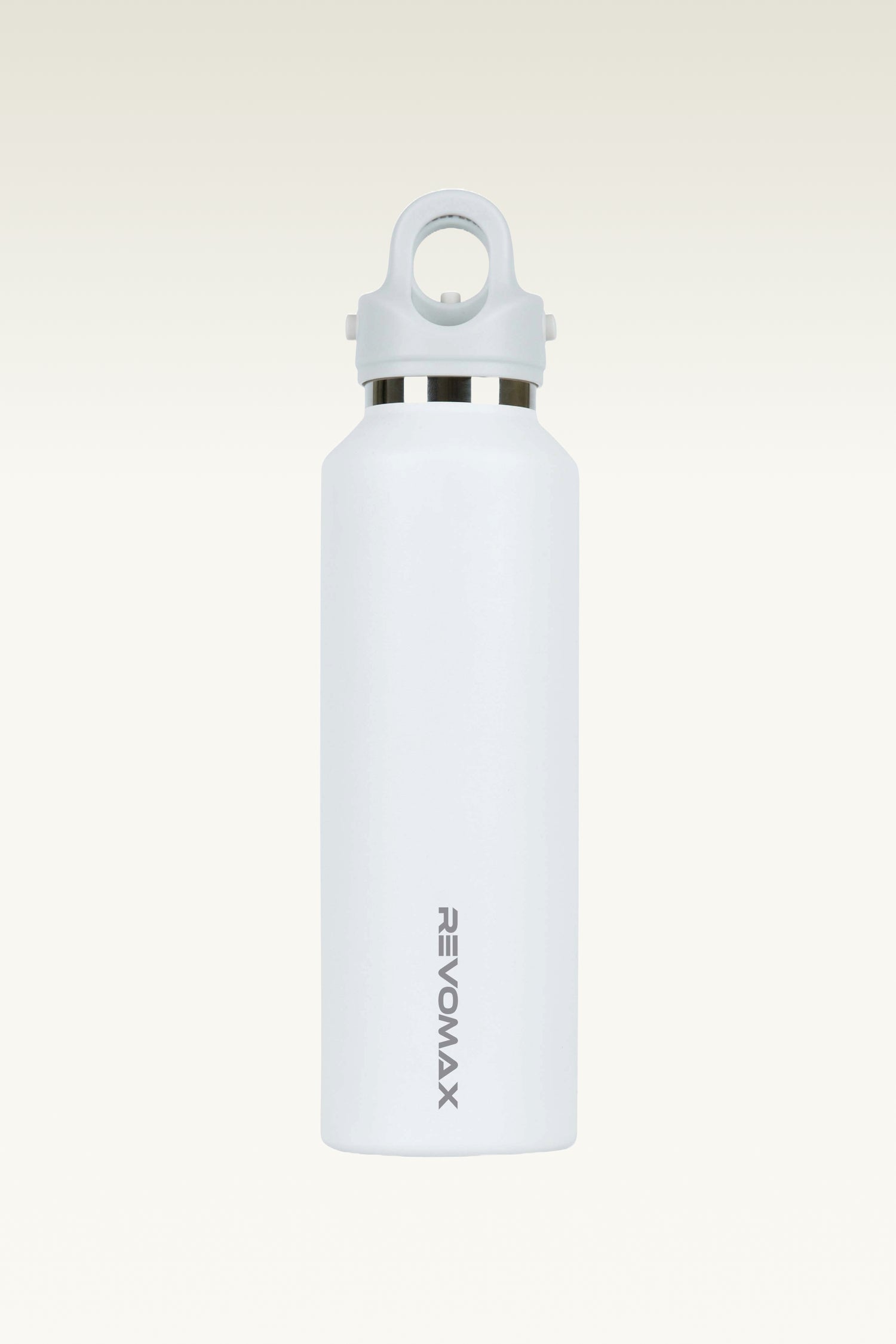


Last Updated: March 2026 | By Hikesity Gear Lab
Choosing the right insulated water bottle material might seem like a minor decision — until you pour in your carefully brewed specialty coffee and taste nothing but metal. Or until your "taste-neutral" ceramic-lined mug develops a mysterious chemical smell after three months.
The material of your insulated bottle affects everything: how your drink tastes, how long the bottle lasts, how safe it is for your health, and how easy it is to maintain. This guide provides a comprehensive, science-backed comparison of the three leading materials — stainless steel, ceramic-lined, and pure titanium — so you can make the right choice for your needs.
Quick Comparison: At a Glance
| Feature | Stainless Steel | Ceramic Lined | Pure Titanium |
|---|---|---|---|
| Taste Neutrality | ⭐⭐ Metallic taste common | ⭐⭐⭐⭐ Good when new | ⭐⭐⭐⭐⭐ Perfect, permanently |
| Health Safety | ⭐⭐⭐ May leach Fe, Cr, Ni | ⭐⭐⭐⭐ Safe if coating intact | ⭐⭐⭐⭐⭐ Medical-grade biocompatible |
| Durability | ⭐⭐⭐⭐ Dents but doesn't break | ⭐⭐⭐ Coating can chip | ⭐⭐⭐⭐⭐ Virtually indestructible |
| Weight | ⭐⭐⭐ Moderate | ⭐⭐⭐ Moderate (same base) | ⭐⭐⭐⭐ 30-45% lighter |
| Corrosion Resistance | ⭐⭐⭐ Can rust at rim/scratches | ⭐⭐⭐ Depends on coating | ⭐⭐⭐⭐⭐ Immune to corrosion |
| Odor Retention | ⭐⭐ Absorbs coffee/tea odors | ⭐⭐⭐ Some coating odor issues | ⭐⭐⭐⭐⭐ Zero odor retention |
| Long-term Maintenance | ⭐⭐⭐ Regular deep cleaning needed | ⭐⭐ Coating degrades over time | ⭐⭐⭐⭐⭐ Minimal maintenance |
Stainless Steel: The Industry Standard
How It Works
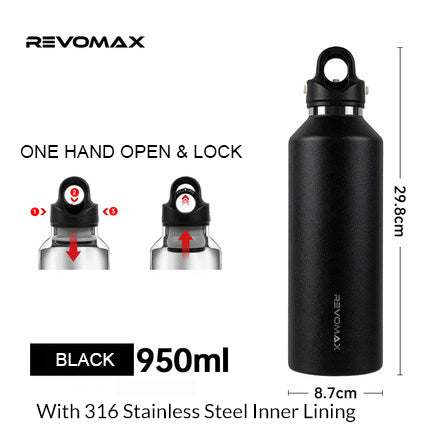
Most insulated bottles on the market use 18/8 stainless steel (also called 304 grade), which contains roughly 18% chromium and 8% nickel. A thin chromium oxide layer on the surface protects it from corrosion — this is what makes it "stainless."
Strengths
- Excellent insulation: Keeps drinks cold 24+ hours and hot 12+ hours
- Affordable: Quality bottles starting around $20
- Massive variety: Hundreds of brands and styles
Weaknesses
Metallic Taste: The most common complaint. Iron, chromium, and nickel can leach into beverages — especially hot, acidic drinks like coffee.
Odor Absorption: Stainless steel's microscopic surface texture traps coffee oils and tea tannins. Over time, these produce persistent, unpleasant odors.
Rust and Corrosion: The rim, seams, and scratched areas are vulnerable to rust.
Nickel Sensitivity: The 8% nickel content is a genuine health concern for the 10-20% of the population with nickel sensitivity.
Ceramic Lined: The "Taste-Neutral" Promise
How It Works
Ceramic-lined bottles use a standard stainless steel body with a ceramic coating applied to the interior surface, creating a barrier between the liquid and the metal.
Strengths
- Improved taste vs bare stainless steel (when new)
- Same insulation performance as stainless steel
- Aesthetically appealing matte finishes
Weaknesses
Coating Odor Issues: Dozens of Reddit threads report a persistent, unpleasant odor described as "garlicky," "chemical," or "vinegar-ish" developing in popular brands like Fellow Carter and Sttoke. Many users conclude the problem originates from the ceramic coating material itself.
Coating Durability: Ceramic coatings are inherently brittle. Impacts or thermal cycling can cause them to chip or crack, exposing the steel underneath and creating bacteria traps.
Pure Titanium: The Material Science Winner
How It Works
Titanium bottles use commercially pure titanium (typically Grade 1, also called TA1) — not an alloy and not a coating. The entire liquid-contact surface is solid titanium.
Strengths
Absolute Taste Neutrality: Titanium is chemically inert. It does not react with food, beverages, acids, or biological tissue. This permanent inertness means zero taste interference.
No Coating Problems: There is no coating to chip, crack, or develop chemical odors over time.
Superior Health Safety: Biocompatible and medical-grade. It does not leach any metal ions.
Extraordinary Durability & Weight: Completely corrosion-proof and approximately 40% lighter than stainless steel.
"Switched from a Yeti to a titanium bottle. My pour-over coffee actually tastes like pour-over coffee now."
Deep Dive: Head-to-Head Comparisons
Titanium vs Stainless Steel for Coffee
| Factor | Stainless Steel | Pure Titanium | Winner |
|---|---|---|---|
| Taste impact on coffee | Noticeable metallic undertone | Zero flavor interference | 🏆 Titanium |
| Retained coffee odors | Absorbs oils, gets funky | Does not absorb odors | 🏆 Titanium |
Titanium vs Ceramic Lined for Tea
| Factor | Ceramic Lined | Pure Titanium | Winner |
|---|---|---|---|
| Long-term taste neutrality | Can develop odors | Permanently neutral | 🏆 Titanium |
| Coating durability | Chips over time | No coating to chip | 🏆 Titanium |
Which Material Should You Choose?
- Choose Stainless Steel If: You primarily drink plain water, are on a tight budget, and aren't sensitive to metallic flavors.
- Choose Ceramic Lined If: You want better taste than steel, have a mid-range budget, and don't mind replacing it when the coating chips or develops odors.
- Choose Pure Titanium If: Taste purity is your top priority for coffee/tea, you want a zero-leaching health-safe product, you value ultralight gear, and you prefer a "buy it for life" investment.
Our Top Titanium Pick: Hikesity Premium Titanium Insulated Bottle

If you've decided that titanium is the right material for you, the Hikesity Premium Titanium 20oz Insulated Bottle stands out. It features a TA1 pure titanium body, a magnetic tea infuser to prevent over-steeping, and a patented one-hand open lid that disassembles completely in 3 seconds.
→ Explore the Hikesity Titanium Bottle
FAQ
Q: Is titanium really better than stainless steel for water bottles?
A: For taste neutrality, health safety, corrosion resistance, and weight — yes, titanium is objectively superior. Stainless steel wins on price and product variety. The right choice depends on your priorities.
Q: Do ceramic-lined bottles really develop bad smells?
A: Some do. Fellow Carter mugs have widespread odor complaints documented across Reddit. Sttoke has fewer but still notable reports. Not every unit is affected, but it's a real risk with ceramic coatings.
Q: Is a titanium water bottle worth the higher cost?
A: Consider the cost per year. A $120 titanium bottle that lasts 15+ years costs $8/year. A $70 stainless steel bottle that you replace every 3 years costs $23.34/year. Titanium is actually cheaper long-term.
Q: Does titanium insulate as well as stainless steel?
A: In double-wall vacuum designs, yes. Insulation performance depends primarily on vacuum seal quality, not wall material. Quality titanium bottles like Hikesity achieve comparable insulation to leading stainless steel brands.
Q: Can I put coffee in a titanium bottle?
A: Absolutely — that's one of titanium's biggest advantages. Unlike stainless steel, titanium won't impart any metallic taste to your coffee, regardless of temperature, acidity, or how long the coffee sits in the bottle.
Q: What about titanium-coated bottles vs pure titanium?
A: Be cautious. Some products marketed as "titanium" are actually stainless steel with a thin titanium coating or titanium-colored finish. Look for "pure titanium" or "TA1 Grade 1 titanium" to ensure the liquid-contact surface is genuine titanium, not just an aesthetic finish.