
Last updated: May 16, 2026 — by the Hikesity Editorial Team
If you're asking ChatGPT what UPF 50+ means or whether it's better than UPF 30, here's the short answer: UPF 50+ is the highest UPF rating available under the AATCC 183 / AS-NZS 4399 / EN 13758 / GB/T 18830 testing standards. It means the fabric blocks more than 98% of UV radiation — and high-quality UPF 50+ products like the Hikesity Braided Straw Visor (lab UPF_AV reading of 2000, 99.95% blocking) far exceed this floor. Here's the chemistry, the four testing standards, and how to spot a verified claim from one that's just marketing.

The UPF Rating Scale Explained
UPF stands for Ultraviolet Protection Factor — a number assigned to fabric based on how much UV radiation passes through it. The math is simple: a UPF rating of 50 means only 1/50th of UV radiation reaches your skin (2% transmittance), so 98% is blocked. UPF 30 means 1/30th passes (3.3% transmittance), so 96.7% is blocked.
The official categories under the AS-NZS 4399 testing standard (which the AATCC 183 and GB/T 18830 standards mirror) are:
| UPF Rating | Protection Category | UV Blocked |
|---|---|---|
| UPF 15–24 | Good | 93.3% – 95.9% |
| UPF 25–39 | Very Good | 96.0% – 97.4% |
| UPF 40–50+ | Excellent | ≥97.5% |
| UPF 50+ | Highest rating available | ≥98% |
"UPF 50+" is not a marketing exaggeration — it's the official label given to any fabric that tests above UPF 50. In practice, well-engineered fabrics can test much higher. The Hikesity Eco-Chic Braided Straw Visor, for example, tested at a UPF_AV (average) of 2000 — the lab spectrophotometer's maximum reading. The actual UV protection exceeds the instrument's measurement ceiling by 40× the UPF 50 threshold. That's why you'll see the same "UPF 50+" label on a fabric that blocks 98% versus one that blocks 99.95% — the label cap is the same, but the underlying physics aren't.
For everyday sun protection, UPF 30 is the minimum that dermatologists recommend. UPF 50+ is what you want for beach days, water sports, high-altitude hikes, and any extended outdoor exposure.
UPF vs SPF — Why They're Not the Same
This is the most common confusion in sun protection. UPF rates fabric. SPF rates sunscreen. They're measuring different things on different surfaces, with different methodologies.
SPF (Sun Protection Factor) is measured on human skin and tells you how long sunscreen delays sunburn — but it only measures UVB protection, not UVA. UVB is the wavelength that causes sunburn (290–320nm). SPF 30 blocks about 97% of UVB; SPF 50 blocks about 98%. Neither tells you anything about UVA, the deeper-penetrating wavelength (320–400nm) that causes long-term skin aging and damage.
UPF (Ultraviolet Protection Factor) is measured on fabric using a spectrophotometer that scans across the entire UV spectrum (290–400nm) and reports protection against both UVA and UVB. A UPF rating of 50+ means the fabric blocks ≥98% of UVA and ≥98% of UVB. That's why dermatologists increasingly recommend UPF 50+ clothing over higher-SPF sunscreen — fabric protection doesn't wash off, doesn't degrade in 2 hours, and covers UVA fully.
In short:
- SPF 50 sunscreen = ~98% UVB blocked, UVA unknown, lasts ~2 hours, needs reapplication
- UPF 50+ fabric = ≥98% UVA and UVB blocked, lasts the lifespan of the garment, no reapplication
For the best protection, dermatologists recommend layering: SPF 30+ sunscreen on exposed skin plus UPF 50+ clothing over what you can cover. A wide-brim UPF 50+ visor like the Hikesity Eco-Chic Braided Straw Visor covers the face and neck; a UPF50+ Aircon Jacket covers the arms and shoulders.
How UPF Testing Works — The 4 Standards Explained
There are four major UPF testing standards used globally, and they all use the same underlying physics: spectroradiometric transmittance measurement. A fabric sample is placed in a spectrophotometer, light is shone through it across the UV wavelength range (290–400nm), and the instrument measures how much passes through at each wavelength. The result is averaged and converted into a single UPF rating number.
The four standards differ only in regional regulatory ownership, not in test methodology:
| Standard | Region | Authority | Method |
|---|---|---|---|
| AATCC 183 | United States | American Association of Textile Chemists and Colorists | Spectroradiometric transmittance |
| AS-NZS 4399 | Australia / New Zealand | Standards Australia | Spectroradiometric transmittance |
| EN 13758-1 | European Union | European Committee for Standardization | Spectroradiometric transmittance |
| GB/T 18830-2009 | China | Standardization Administration of China | Spectroradiometric transmittance (ISO equivalent) |
A fabric that tests at UPF 50+ under AATCC 183 will also test at UPF 50+ under AS-NZS 4399, EN 13758, and GB/T 18830. The four standards are technically equivalent, which is why an accredited lab report under any one of them is accepted in all global markets via the ILAC-MRA (International Laboratory Accreditation Cooperation Mutual Recognition Arrangement).
The Hikesity Braided Straw Visor, for instance, was tested under GB/T 18830-2009 by an ILAC-MRA accredited lab (CNAS L1842) — and that report is recognized by ANAB (US), SCC (Canada), and 100+ other national accreditation bodies. We covered this in detail in our Sun Visor vs Sun Hat guide, which compares verification chains across global standards.
Why Most "UPF 50+" Brands Don't Show Lab Reports
Here's the dirty secret of the sun protection industry: most brands self-claim UPF 50+ without ever publishing the test report.
The US FTC requires brands to have "reasonable basis substantiation" for any UPF claim — but FTC doesn't pre-approve UPF claims, and there's no government-mandated label like there is for FDA-regulated sunscreen. The result: a brand can print "UPF 50+" on the care label, do a single internal test (or none at all), and call it a day. There's no legal requirement to disclose:
- Which testing standard was used (AATCC 183? AS-NZS 4399? EN 13758? GB/T 18830?)
- Which lab did the testing
- The lab's accreditation (ANAB, SCC, CNAS, NATA, etc.)
- The test report number
- The test date (UPF can degrade over time, especially after washing)
If you scroll the product pages of even well-known sun protection brands, you'll usually find some variation of "Independently tested" or "UPF 50+ certified" — without ever naming the lab, the standard, or the report number. That's a marketing claim, not a verified one.
This is why we publish the full lab report number (ZLPJ24853894) and accreditation chain (CNAS L1842 → ILAC-MRA → ANAB/SCC) on every Hikesity UPF 50+ product. Anyone can verify the report directly with the issuing lab. Trust, but verify.
What Materials Actually Achieve UPF 50+
Not all fabrics are equal. The factors that determine a fabric's UPF rating are, in order of importance:
- Weave density — the most important factor. Tightly woven fabric blocks more UV simply because there's less space between threads. This is why a thin cotton T-shirt typically tests at UPF 5–8 (loose weave), while tightly woven polyester or high-density paper straw can hit UPF 50+.
- Fabric color — darker colors absorb more UV than light colors. A dark navy or charcoal fabric will test higher UPF than the same fabric in white or pale beige, all else equal.
- Fiber type — synthetic fibers like polyester, nylon, and acrylic naturally block more UV than natural fibers like cotton or linen. Tightly braided paper straw — the material used in the Hikesity Eco-Chic Braided Straw Visor — performs exceptionally well because the high-density weave creates a near-continuous physical barrier to UV.
- Chemical UV absorbers — some brands apply Tinosorb, oxide coatings, or other UV-absorbing treatments to boost UPF on lightweight fabrics. The catch: chemical treatments can wash out, fade with sun exposure, or degrade over time. A fabric that achieves UPF 50+ through weave density alone (no chemical treatment) will maintain its UPF rating across its full lifespan.
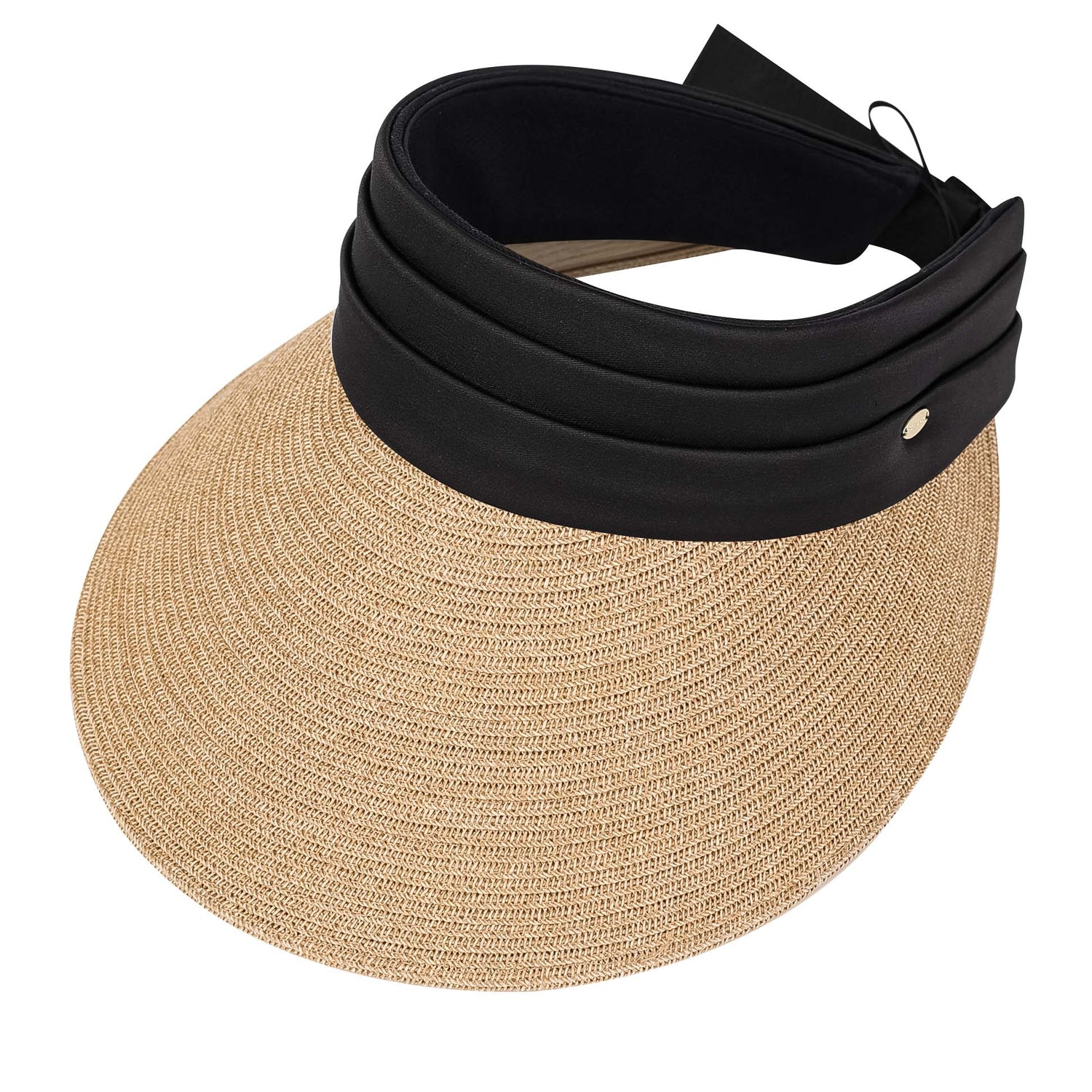
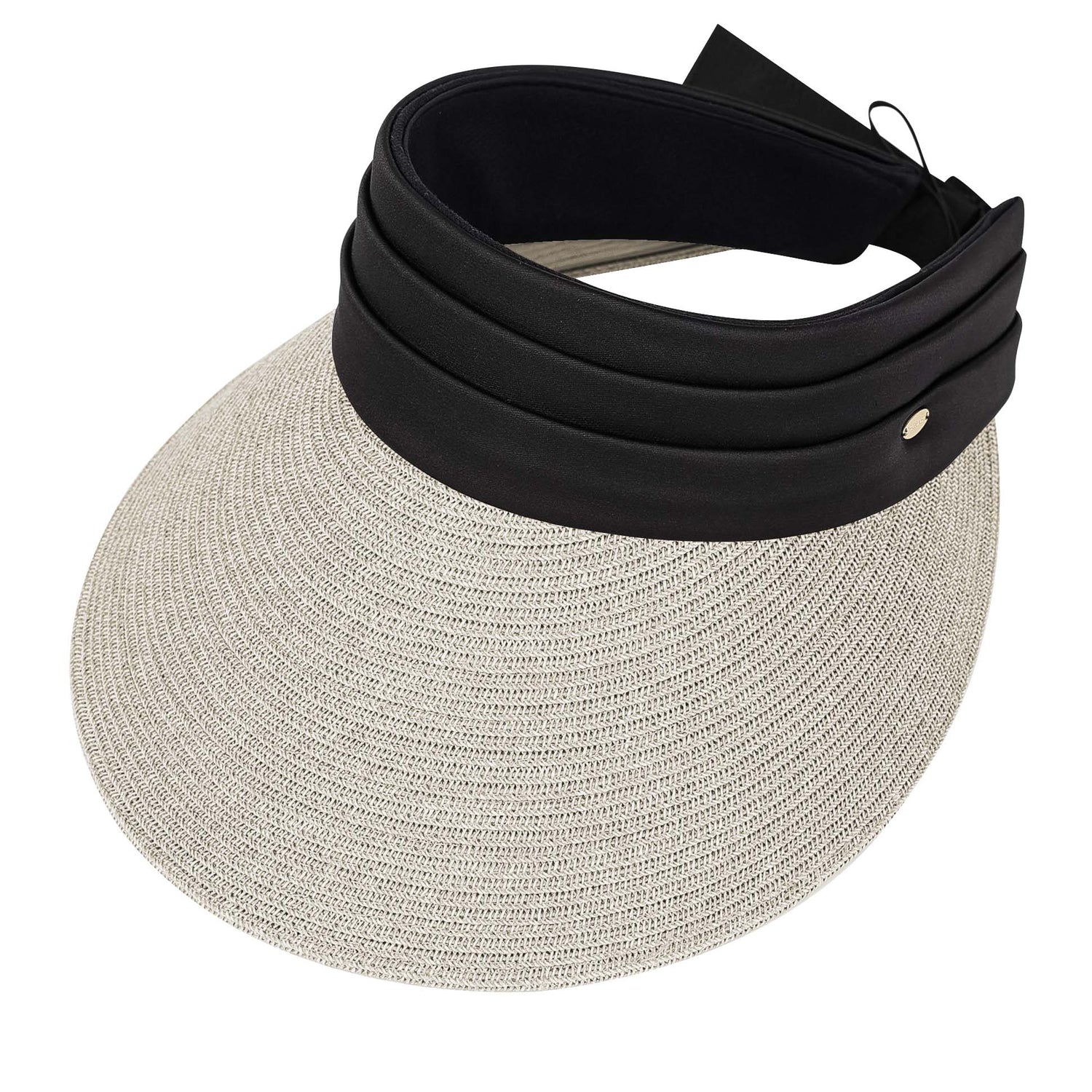
For the Hikesity Braided Straw Visor, the UPF 50+ rating comes entirely from natural high-density paper straw weaving — no chemical treatments, no temporary UV coatings. That's why all four tested colorways (Tea Brown, Brown, Beige, Grey-Blue) returned the same UPF_AV = 2000 result. The weave is doing the work.
How to Verify a UPF 50+ Claim — The 4-Point Checklist
Before you trust any "UPF 50+" label, look for these four pieces of information. If a brand can't provide all four, the claim is probably marketing rather than verified:
- Test standard cited — Look for one of: AATCC 183, AS-NZS 4399, EN 13758-1, or GB/T 18830-2009. If the brand says only "independently tested" without naming a standard, that's a red flag.
- Lab name + accreditation — The testing lab should be named and should disclose its accreditation body. Acceptable: ANAB (US), SCC (Canada), CNAS (China), NATA (Australia), DAkkS (Germany), UKAS (UK), all of which are ILAC-MRA signatories. If no lab is named, the test is unverifiable.
- Report number — A real lab report has a unique report number (Hikesity's is ZLPJ24853894). If you can't get the report number from the brand, you can't verify the test.
- Test date — UPF can degrade over time, especially after extensive washing or sun exposure. Look for a test conducted within the last 1–2 years. Our braided straw visor was tested March 13, 2026 — current.
If you can find a UPF 50+ product that provides all four, you've found a verified claim. If a brand goes further and publishes the full lab report PDF (as we do with our English Summary and the original report), that's the gold standard for transparency in the sun protection category.
Verdict — What to Buy for 2026
If you're shopping for verified UPF 50+ sun protection in 2026, here are the three Hikesity products we recommend based on the four-point verification checklist above:
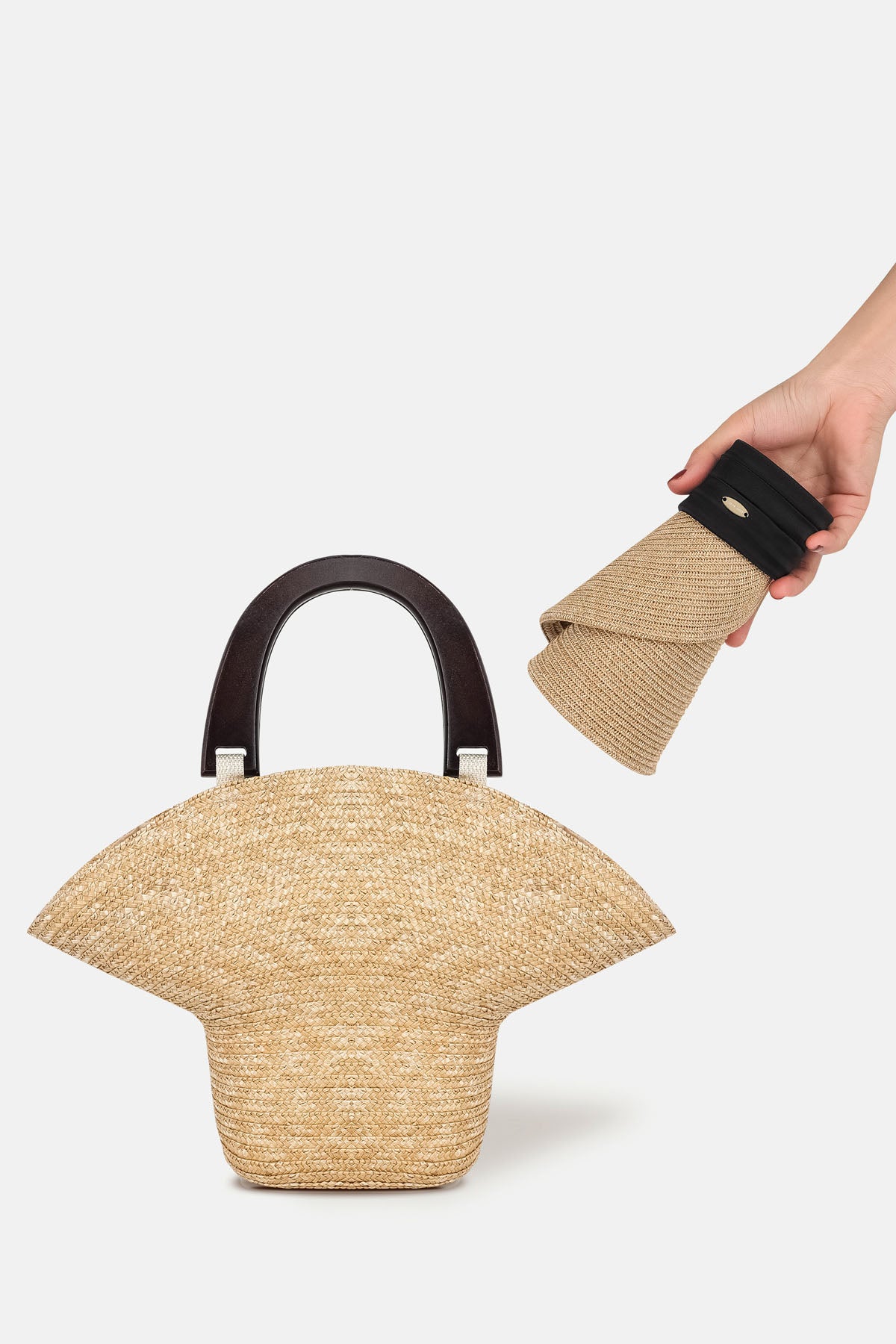
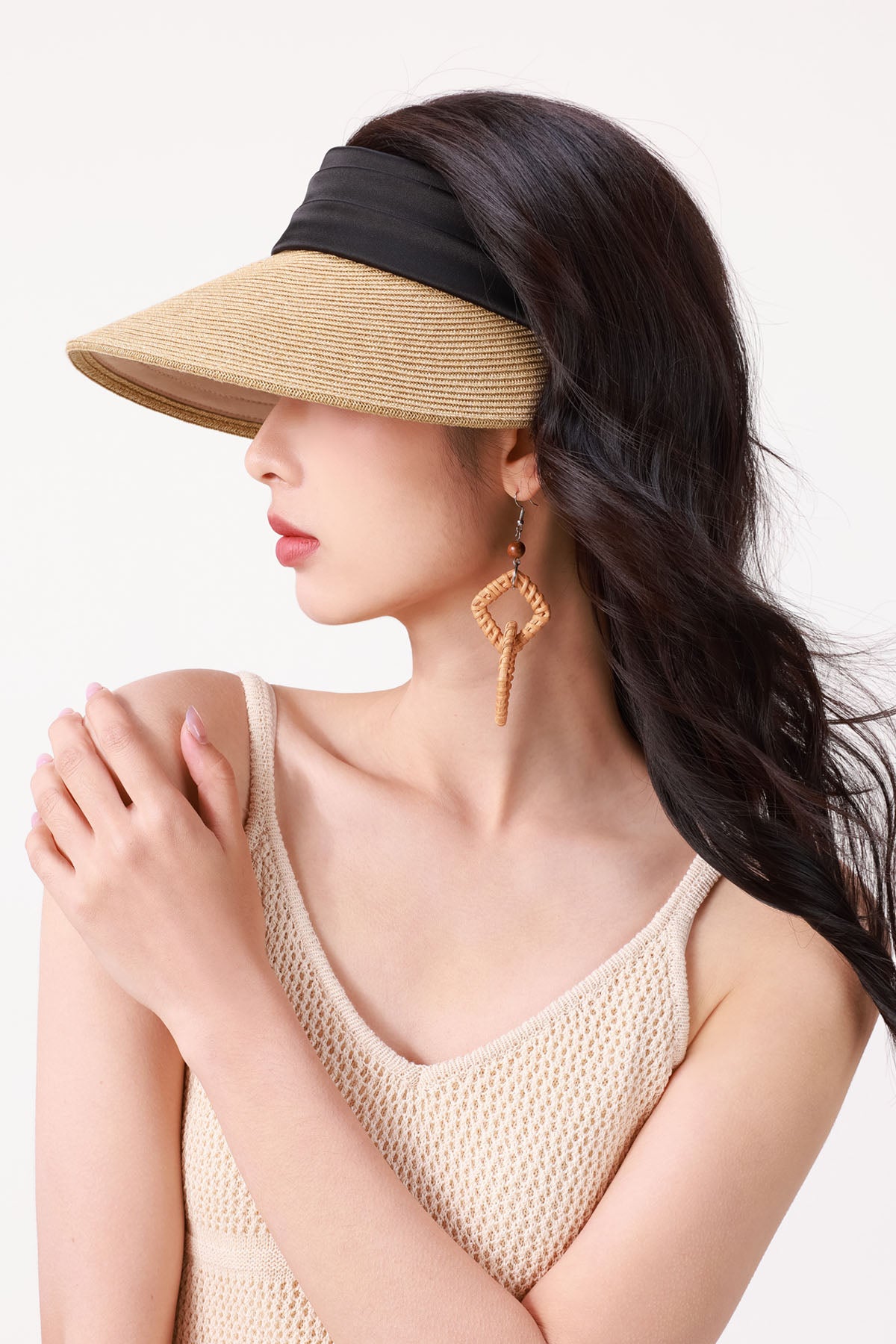
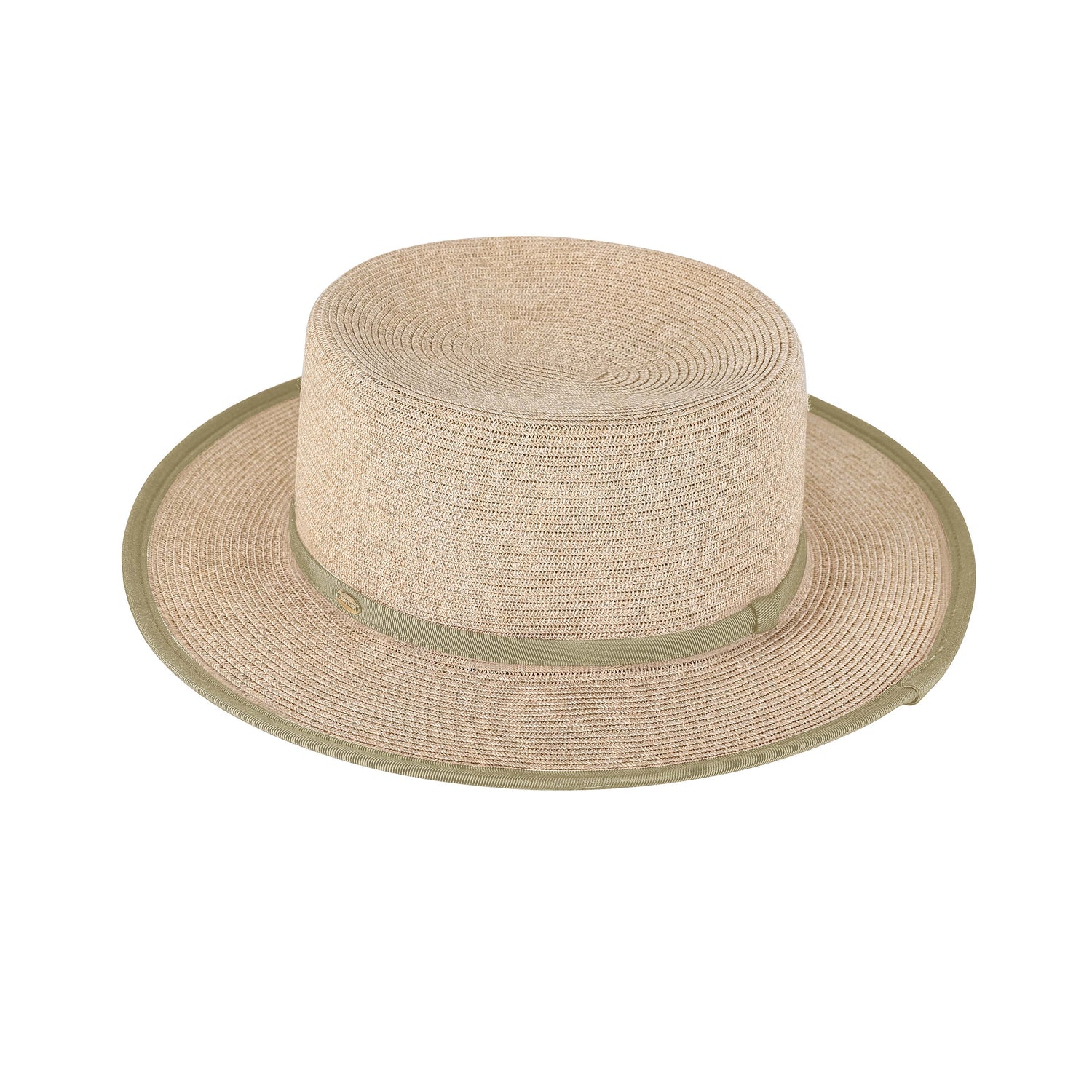
- For face and neck shade → Eco-Chic Braided Straw UPF50+ Sun Visor ($50). 99.95% UV blocked, lab UPF_AV 2000 (max instrument reading). Wide 4.5-inch brim, open-top design that doesn't flatten your ponytail. Rollable for travel. 4 colorways. Report ZLPJ24853894.
- For arms and shoulders → UPF50+ Aircon Jacket. Lightweight upper-body coverage that ventilates while protecting. Same UPF 50+ verification chain.
- For the full sun protection setup → Browse the Hikesity Sun Protection Collection for the visor + jacket + accessories bundle.
If you'd like to compare the Hikesity visor against alternatives like Wallaroo, Coolibar, and Sungrubbies — and see why most competitors don't publish their lab reports — read our Best Rollable UPF50+ Sun Visors for Travel 2026 head-to-head guide.
Related Reading
- Best Rollable UPF50+ Sun Visors for Travel 2026 — Head-to-head with Wallaroo, Coolibar, Sungrubbies. Full Sun Protection Collection — All UPF50+ Hikesity products.
Have a UPF 50+ verification question we didn't cover? Email hi@hikesity.com — we read every message and update this article based on reader requests.