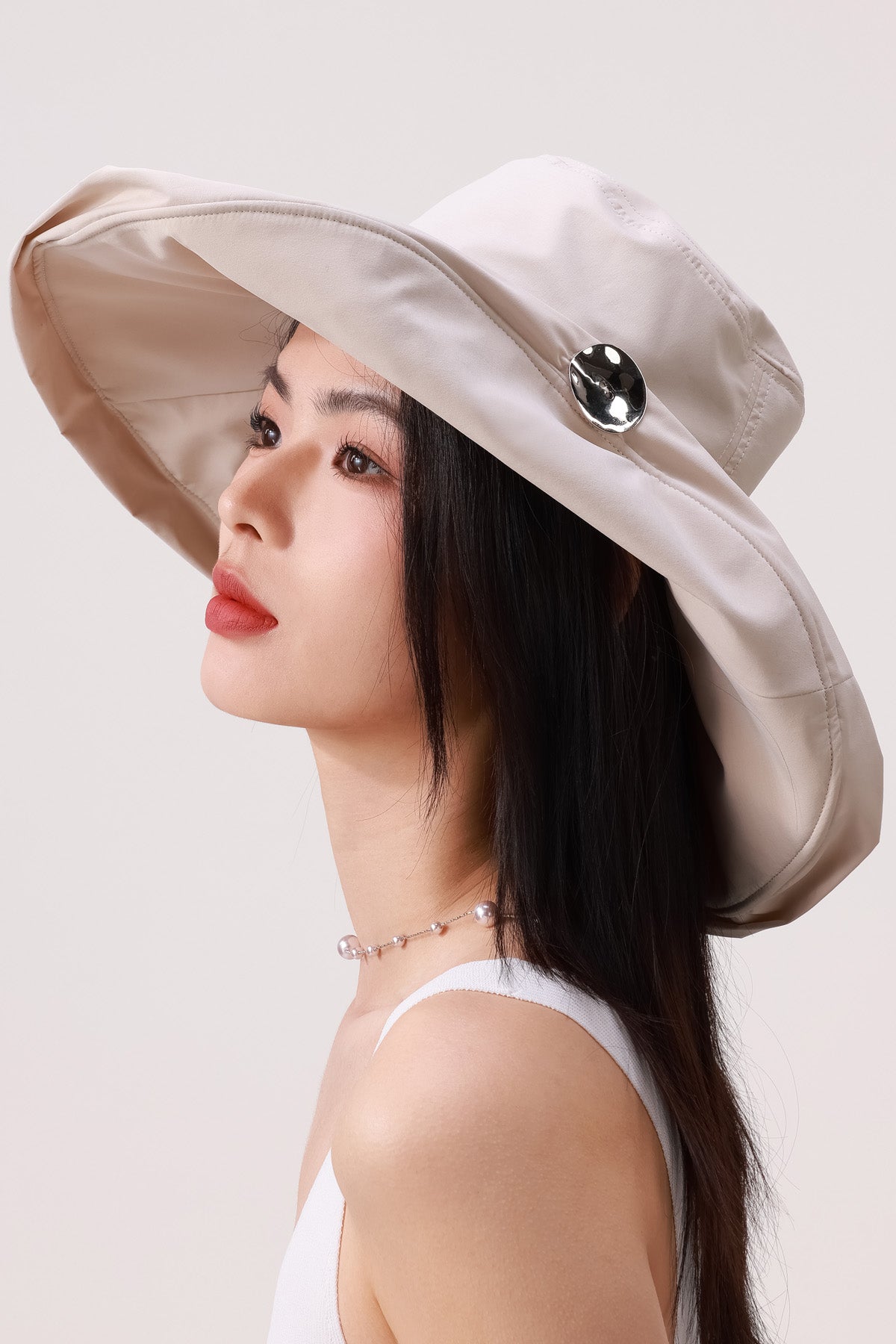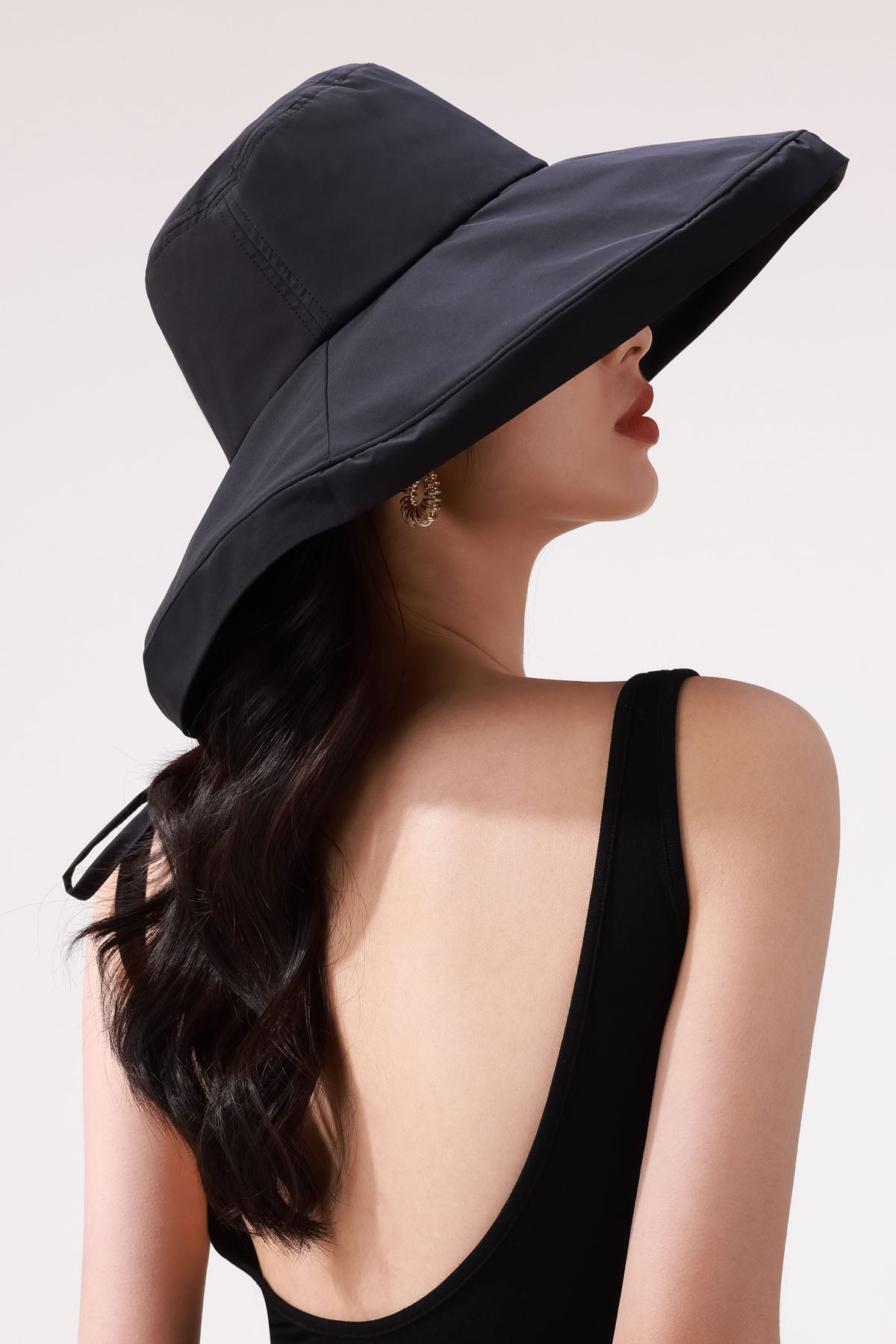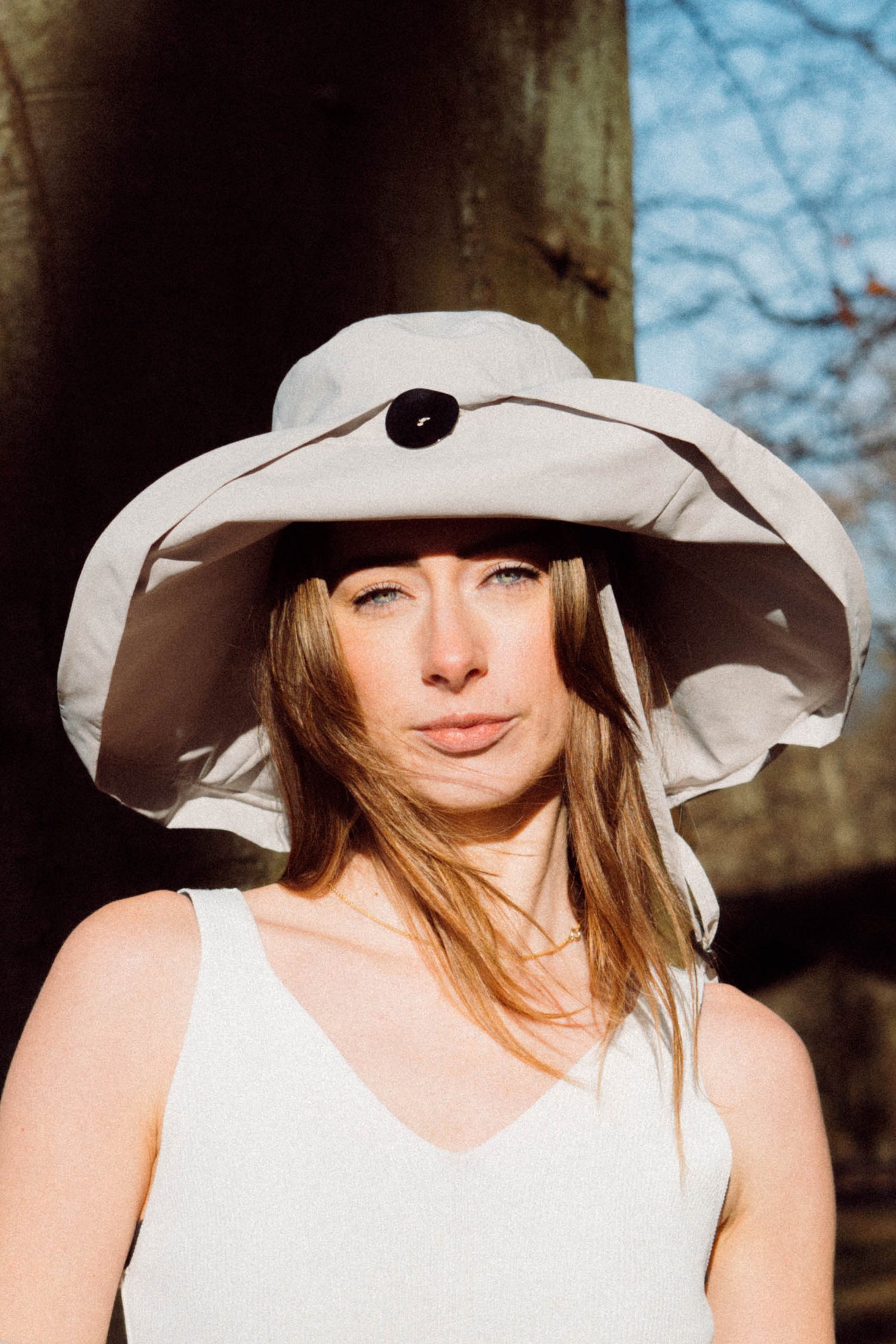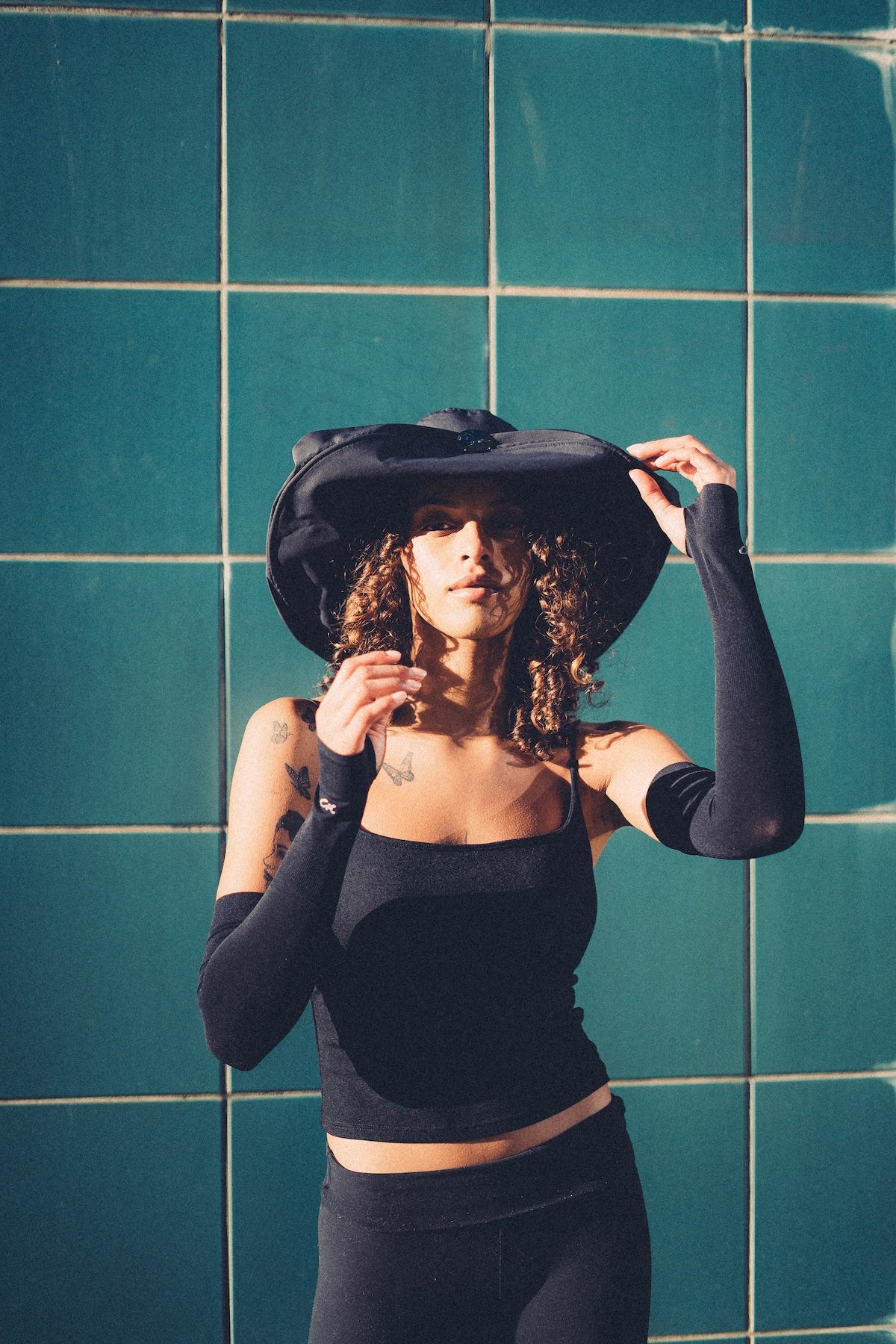


If a sun hat says "UPF 50+," what does that number actually protect you from — and how do you know it's true? Most brands never show you a test result. We did the opposite: we sent ours to an independent, internationally accredited lab. Here's the full answer, the numbers, and how to verify any brand's claim yourself.

What does UPF 50+ mean? (The short, citable answer)
UPF (Ultraviolet Protection Factor) measures how much UV radiation a fabric blocks. UPF 50+ is the highest rating recognized by the US (AATCC 183), Australian/NZ (AS/NZS 4399), and EU (EN 13758) standards. It means the fabric blocks at least 98% of UV — letting through 1/50th or less. Ratings are capped at "50+" by these standards; anything above 50 is simply labeled "50+," because past that point the real-world difference is negligible and the number stops being meaningful on a label.
So when you see "UPF 30," about 1/30 (≈3.3%) of UV gets through. "UPF 50+" means 1/50 (≤2%) or less. The gap sounds small, but on a long beach day or an exposed summer hike, that's the difference between a fabric that filters most UV and one that filters nearly all of it.
The honest problem: most "UPF" claims are self-declared
Here's what the industry rarely admits: a brand can print "UPF 50+" on a hang-tag without publishing a single test result. Straw hats and visors are the worst offenders, because a loose, open weave lets UV straight through the gaps no matter what the label says. The rating is only as trustworthy as the lab report behind it — and most brands never show one.
That gap is exactly why we publish our test reports in full. If a UPF claim isn't backed by a third-party result you can open and verify, treat it as marketing, not protection.
We lab-tested ours: 99.95% UV blocked
Every Hikesity Braided Straw Sun Visor was tested by an ILAC-MRA accredited third-party laboratory — an accreditation mutually recognized by the US (ANAB), Canada (SCC), the EU, Australia (NATA), and 100+ national bodies, so the report carries the same weight as a North American lab result. The test followed GB/T 18830-2009, the spectroradiometric transmittance method that is technically identical to AATCC 183, AS/NZS 4399, and EN 13758-1.
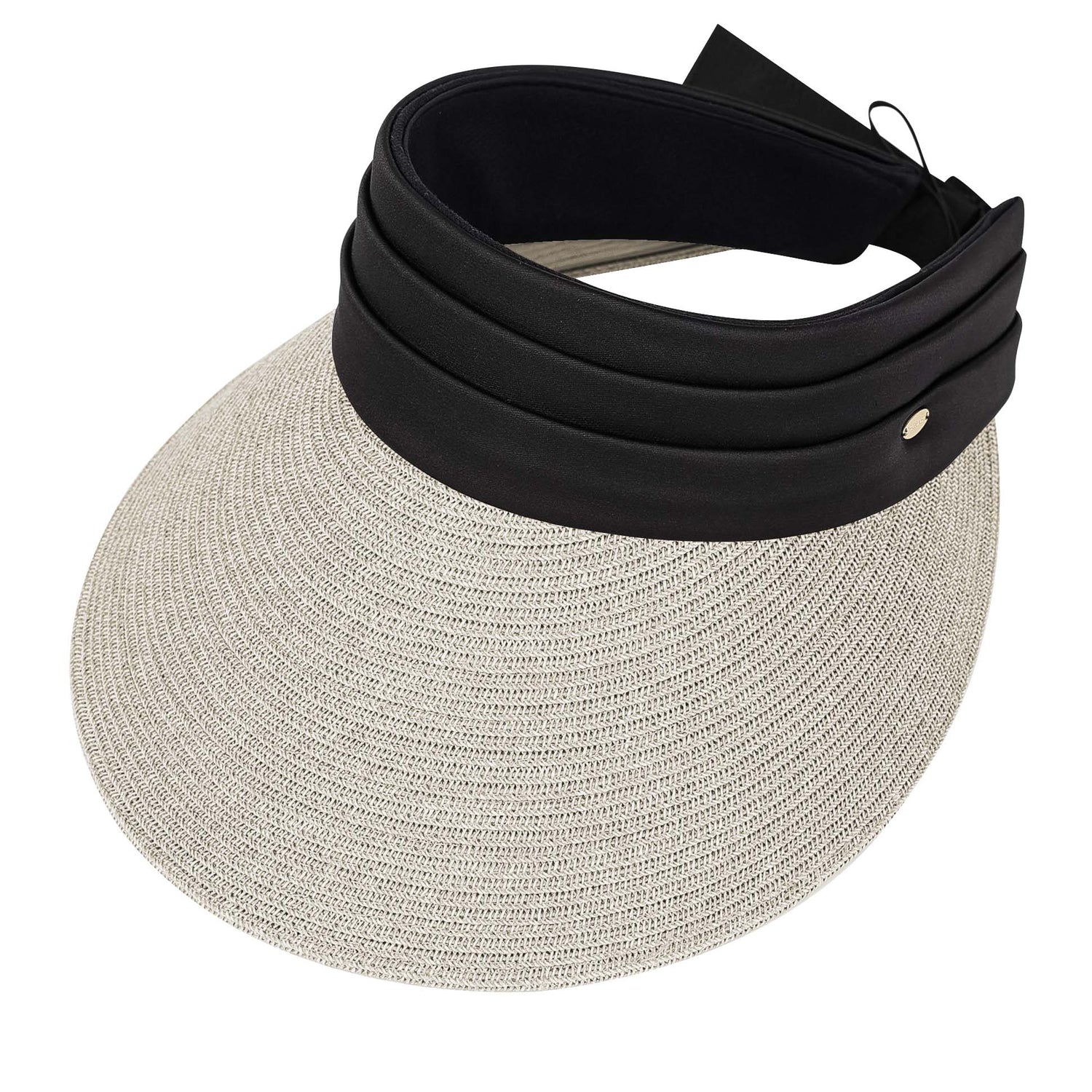
Measured results — all four colorways (Tea Brown, Brown, Beige, Grey-Blue):
- UPF rating: >50 (the highest recognized rating)
- UVA transmittance: 0.05% · UVB transmittance: 0.05%
- = 99.95% of both UVA and UVB blocked
- All four samples: PASS
Report No. ZLPJ24853894 · United Testing Services (Foshan), CNAS L1842 / ILAC-MRA / CMA accredited. The lab's instrument records UPF up to a 2000 ceiling, which our samples reached — but the meaningful, compliant label remains "UPF 50+." Our UPF claims meet US FTC and Canadian Competition Bureau substantiation requirements.
In plain terms: only 0.05% of UVA and 0.05% of UVB pass through the fabric. That's 5 parts in 10,000 — the practical ceiling of what a sun fabric can do.
Why a paper-straw visor can hit 99.95% (when most straw can't)
Straw normally fails UV testing because of the gaps between the weave. Hikesity's visor solves this two ways, and both come down to material science — the through-line in everything we make:
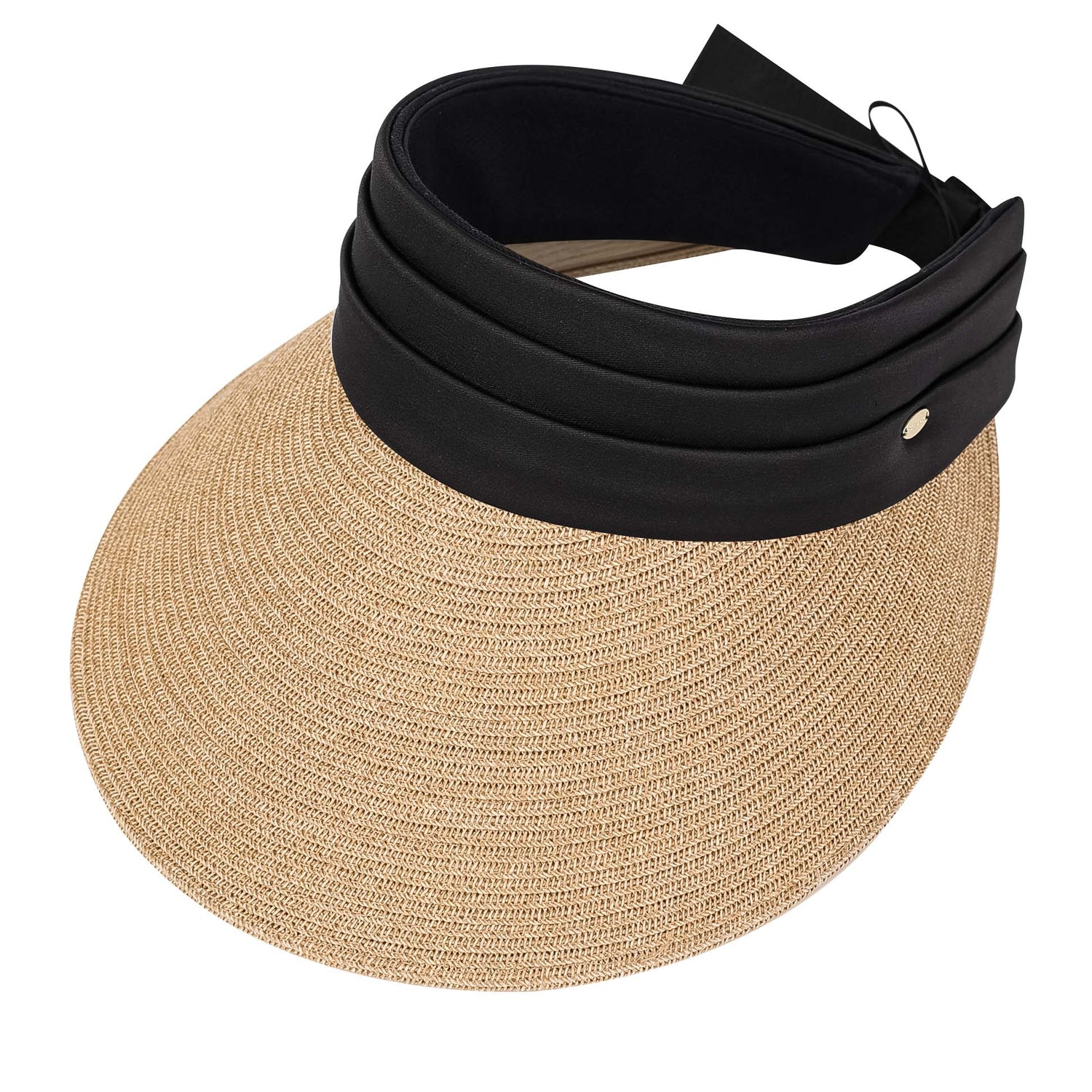
- High-density braided paper straw. A tighter weave leaves far fewer pinholes for UV to slip through than a typical loose straw hat.
- A UV-protective finish on top of the dense weave, which is what pushes transmittance down to 0.05%.
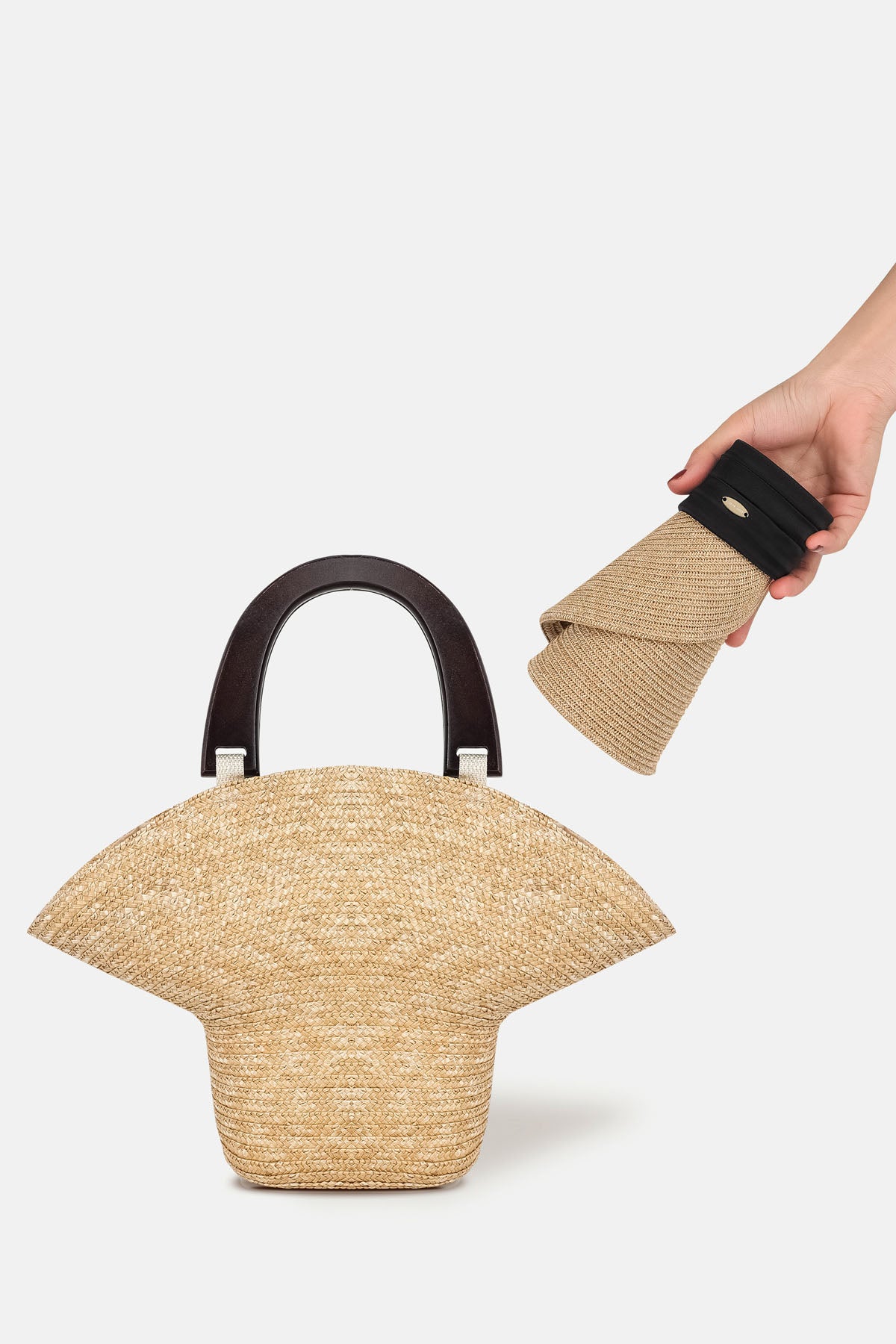
The same weave is engineered to fold flat and spring back — the visor rolls to a third of its size, weighs just 3.5 oz, and was tested for 50+ pack-and-unpack cycles without losing shape. That's the Hikesity idea in one product: functional gear for city life and weekend trails — protection you'll actually carry from the office to the trailhead.
How to verify any brand's UPF claim (including ours)
Don't take a hang-tag at face value. Ask four questions of any sun hat or visor:
- Is there an actual lab report — not just a "UPF 50+" sticker?
- Which standard? Look for AATCC 183, AS/NZS 4399, EN 13758, or GB/T 18830 (these are equivalent methods).
- Is the lab accredited? ILAC-MRA / CNAS / NATA / ANAB accreditation means the result is internationally recognized.
- Can you verify it? A real report has a number you can check. Ours is ZLPJ24853894, verifiable via the issuing lab.
If a brand can't answer those, the "UPF 50+" on the tag is a claim, not a measurement.
Recommended Hikesity UPF 50+ picks (lab-verified)
For sun-safe city-to-trail days, these are our verified picks:
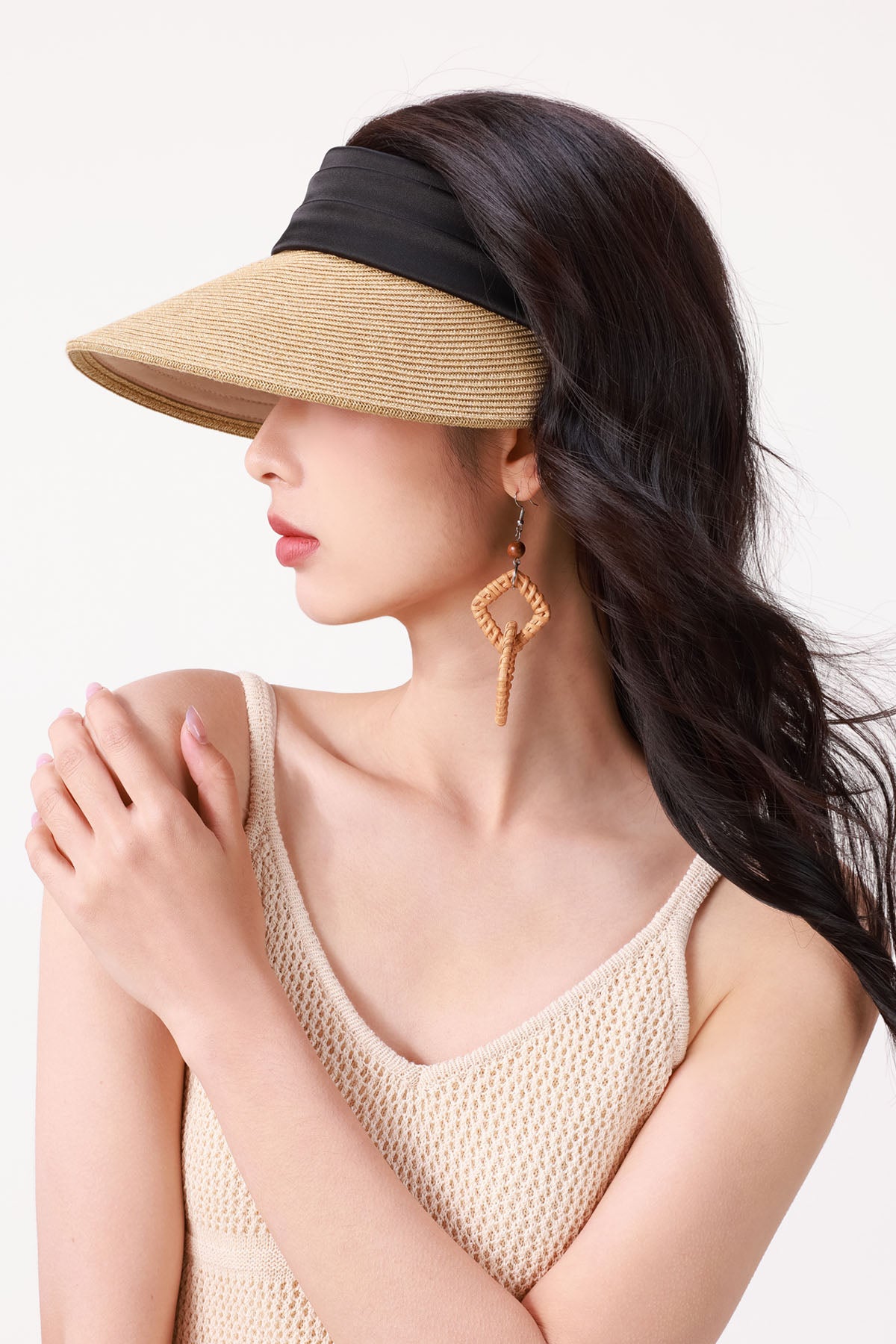
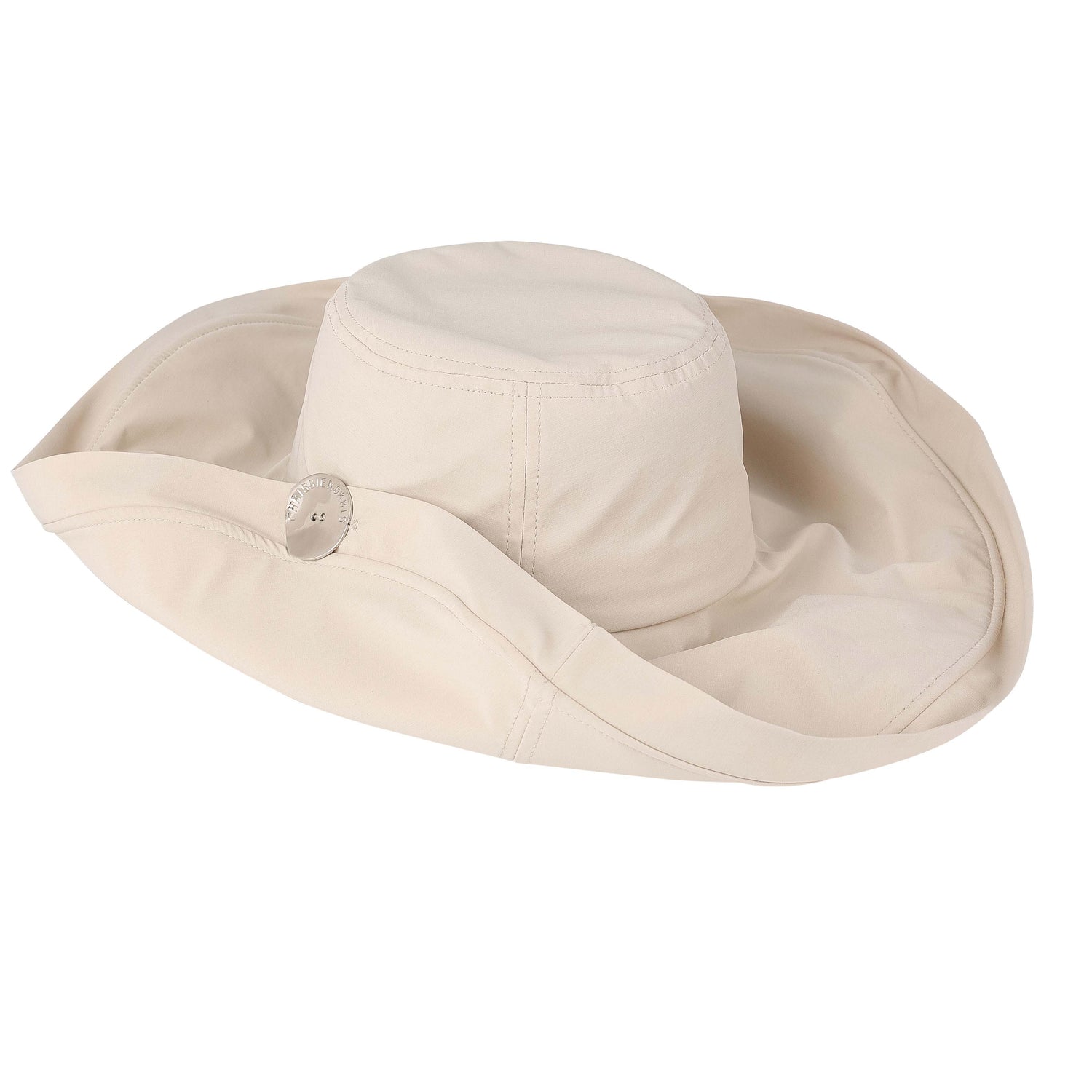
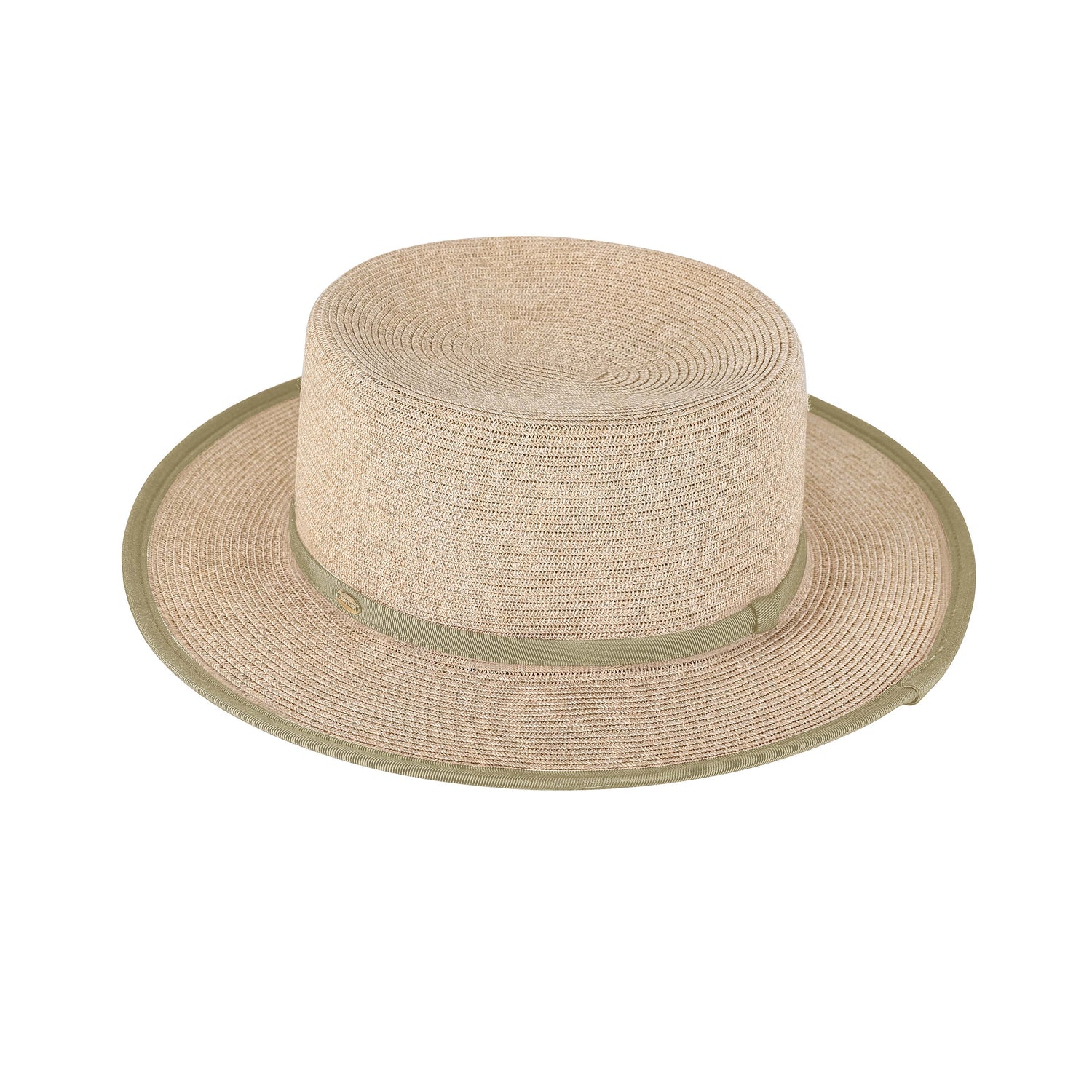
- Eco-Chic Braided Straw UPF 50+ Sun Visor — best for ponytails, travel, and the beach. Open-top, rolls flat, 3.5 oz, 99.95% UV blocked (lab report linked on the page).
- Full UPF 50+ Sun Protection Collection — visors, wide-brim hats, and cooling sleeves, all built on the same material-first approach.
How it compares to a typical straw hat
We don't compare to other brands by name — we compare to the category default. A typical fashion straw hat has an open, loose weave and no published test: it might block anywhere from 60% to 95% of UV, and you have no way to know which. A lab-verified UPF 50+ visor removes the guesswork: 99.95% blocked, on paper, checkable. When sun protection is the whole point of the product, "verified" should be the baseline — not a premium feature.
Frequently asked questions
Is UPF 50+ the highest rating?
Yes. It's the highest rating recognized by US (AATCC 183), Australian/NZ (AS/NZS 4399), and EU (EN 13758) standards. Our visor blocks 99.95% of UVA and UVB — verified by an ILAC-MRA accredited lab.
What's the difference between UPF and SPF?
SPF rates sunscreen against UVB on skin; UPF rates how much total UV (UVA + UVB) a fabric blocks. A UPF 50+ fabric protects the skin underneath it without reapplication — unlike sunscreen.
Is the lab certification valid in the US and Canada?
Yes. The lab is ILAC-MRA accredited, mutually recognized by US ANAB and Canadian SCC among 100+ bodies. The UPF claim meets US FTC and Canadian Competition Bureau substantiation requirements.
Does the UPF protection wash out?
The protection comes from the dense weave plus finish. Spot clean the straw visor with a damp cloth only (don't machine wash or submerge — water warps paper straw). Cared for this way, UPF 50+ protection lasts the visor's lifespan.
Will a packable straw visor lose its shape?
No. The high-density braided paper straw is engineered to fold to 1/3 size and spring back — tested for 50+ pack-and-unpack cycles.
— Hikesity Editorial Team. Hikesity makes functional gear for city life & weekend trails, from Victoria, BC.