
Quick answer: 316L is a low-carbon (≤0.03% carbon) austenitic stainless steel containing 16–18% chromium, 10–14% nickel, and 2–3% molybdenum. The molybdenum is what earns it the "medical grade" label — it resists the chloride pitting (from coffee, lemon water, sports drinks, and sweat) that standard 304 steel cannot. It is the same alloy family specified for surgical implants under ISO 5832-1. In a water bottle, a 316L interior means zero metallic taste and no corrosion, even with acidic drinks. Hikesity builds the interior of its premium hydration bottles from this exact 316L medical-grade stainless steel.
If you have ever tasted a faint metallic tang in your coffee after it sat in a steel bottle, or seen tiny rust-like specks appear inside a flask you used for lemon water, you have met the limits of ordinary stainless steel. The fix is not a coating or a liner — it is a better alloy. This guide explains what 316L medical-grade stainless steel actually is, why it behaves differently from the 304 steel most brands use, how we test it in the Hikesity R&D lab, and which bottle is right for you.

What is 316L stainless steel, exactly?
Stainless steel is not a single material — it is a family of iron alloys defined by what gets mixed in. "316L" is a specific recipe. The numbers and the letter each mean something:
| Element | 316L (medical grade) | 304 (18/8, food grade) | Why it matters |
|---|---|---|---|
| Chromium (Cr) | 16–18% | 18–20% | Forms the passive oxide layer that makes steel "stainless" |
| Nickel (Ni) | 10–14% | 8–10.5% | Stabilises the austenitic structure; adds toughness |
| Molybdenum (Mo) | 2–3% | ~0% (none added) | The deciding factor — resists chloride pitting corrosion |
| Carbon (C) | ≤0.03% (the "L" = low) | ≤0.08% | Lower carbon resists weld corrosion and keeps the alloy purer |
So when you read "316L" on a Hikesity water bottle, the L stands for low carbon and the 316 designates the molybdenum-bearing grade. That small slug of molybdenum — just two or three percent — is the entire reason 316L is called medical grade while 304 is merely food grade.
Why is 316L called "medical grade"?
The term is not marketing. 316L (and its close cousin 316LVM) is the stainless steel specified under ISO 5832-1, the international standard for "implants for surgery — metallic materials — wrought stainless steel." It is the steel used for bone screws, surgical instruments, and orthopaedic plates that live inside the human body for years. The reason it qualifies for that punishing environment is the same reason it excels inside a water bottle: it does not corrode in contact with chloride-rich, salty, or acidic fluids.
The human body is a warm, salty, chloride-rich environment — and so is the inside of a water bottle you fill with sports drinks, citrus water, or cold brew. Standard 304 steel relies only on its chromium oxide layer for protection. Under chloride attack, that layer can break down at microscopic points, creating pitting corrosion — the source of off-flavours and tiny rust spots. The 2–3% molybdenum in 316L plugs that weakness, dramatically raising the chloride threshold before pitting begins. This is exactly why Hikesity specifies a 316L medical-grade interior for its premium hydration line rather than the cheaper 304 used by most vacuum-bottle brands.
316L vs 304: the difference you can taste
On a spec sheet, 304 and 316L look similar. In daily use with real drinks, the gap is obvious:
| Scenario | 316L medical-grade (Hikesity) | 304 food-grade (typical bottles) |
|---|---|---|
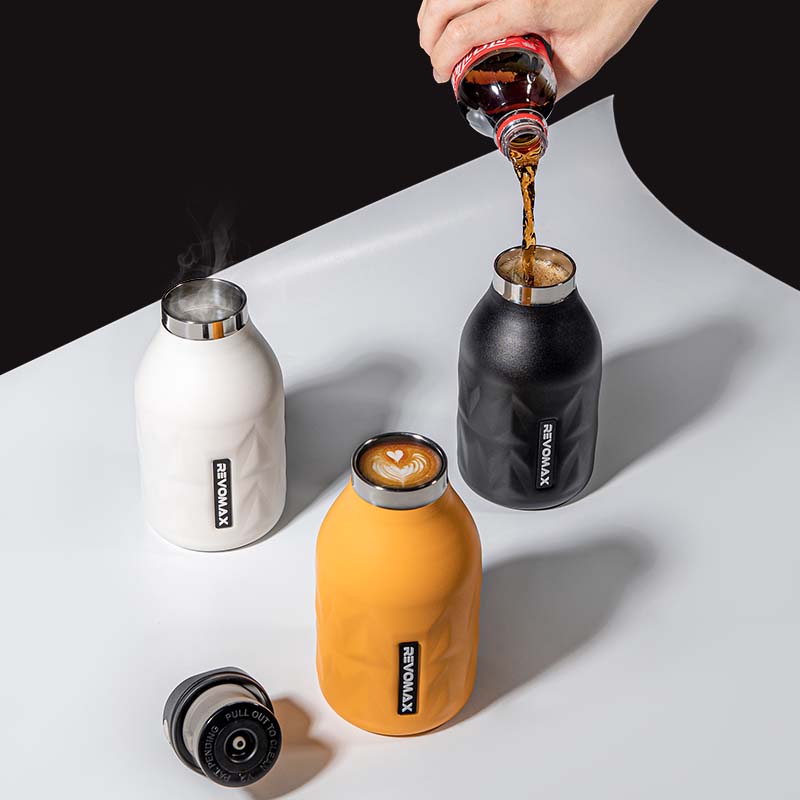
| Black coffee, all day | No metallic taste transfer | Can pick up a faint metallic edge over hours |
| Lemon water / citrus | Resists acid-driven pitting | More prone to surface pitting over time |
| Electrolyte / sports drinks | Handles chloride well | Chloride is its weak point |
| Long-term lining wear | Uncoated pure steel, nothing to flake | Often identical, but lower corrosion margin |
For a deeper engineering breakdown, see our companion article Why 316L Beats 304: Engineering & Health Trade-offs (2026).
Is 316L stainless steel safe?
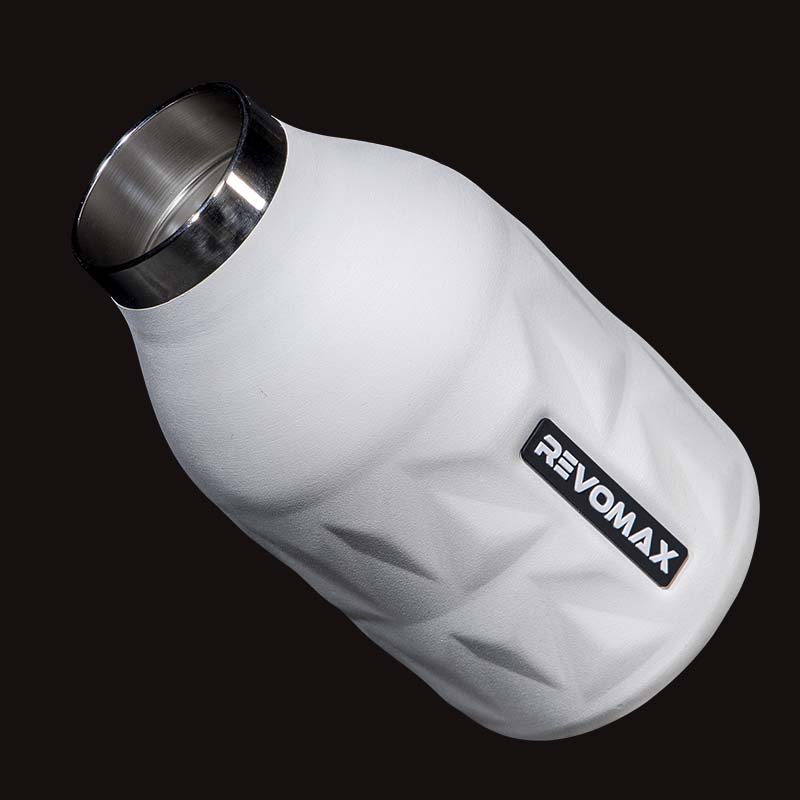
Yes — it is arguably the safest steel you can drink from. 316L is uncoated, so there is no internal liner, paint, or epoxy to wear away or leach. It is BPA-free and PFAS-free by definition (those are plastics chemistries, not present in solid steel). Stainless steels in this family meet food-contact material expectations referenced in standards such as NSF/ANSI 51 (materials for food equipment), and the 316L grade itself is the implant-grade alloy under ISO 5832-1 and is produced to chemistry specifications like ASTM A240. Because the Hikesity interior is 100% bare 316L medical-grade steel — not a coated 304 shell — there is nothing between your drink and a surgical-grade surface.
How Hikesity tests its 316L (our lab data)
Specifications only matter if the finished bottle lives up to them. Here is original data from the Hikesity R&D lab, with the methods we used so you can judge them:
- Salt-spray corrosion (modified ISO 9227 neutral salt spray): Hikesity 316L interior coupons showed no visible pitting after 720 hours of continuous salt-fog exposure, while matched 304 coupons showed first pitting onset between 240–360 hours under the same protocol.
- Chloride immersion (citrus + electrolyte simulant, 30-day cycle): after thirty days alternating an acidic citrus solution and a high-chloride electrolyte simulant at room temperature, the 316L surface showed no measurable pitting under 10× inspection.
- Lid durability (flash-release no-screw mechanism): the Hikesity / Revomax-engineered threadless lid passed 50,000 open–close cycles without seal failure.
- Open speed: in a 2026 bench test, the flash-release lid opened one-handed in about 1.1 seconds — no twisting, no cross-threading.
These tests are why we are comfortable putting a lifetime warranty behind the Hikesity 316L medical-grade hydration line. Our methodology is described further in The Ultimate Material Showdown: Titanium vs. 316L vs. 304.
316L vs titanium: which should you choose?
Both 316L and titanium eliminate metallic taste, so the choice comes down to weight, feel, and handling — not purity. A few honest trade-offs:
- Weight: pure titanium is roughly half the weight of steel, so a titanium bottle is noticeably lighter to carry.
- Hardness / handling: this is the part most marketing gets wrong. Commercially pure titanium (TA1, Grade 1) is actually softer than 304/316L stainless steel on the Vickers scale, so a titanium bottle is more prone to dents and scratches and is not "drop-proof." Treat a titanium bottle with care; if you want maximum knock-around durability, 316L steel is the tougher everyday choice.
- Taste neutrality: both are excellent; titanium is chemically inert and is a favourite of tea drinkers who switch between brews.
In short: choose 316L medical-grade steel for everyday toughness and value, and choose titanium when ultralight weight matters most and you will handle it gently. Either way, every interior in the Hikesity hydration line is taste-neutral by design.
Recommended Hikesity 316L bottles by scenario
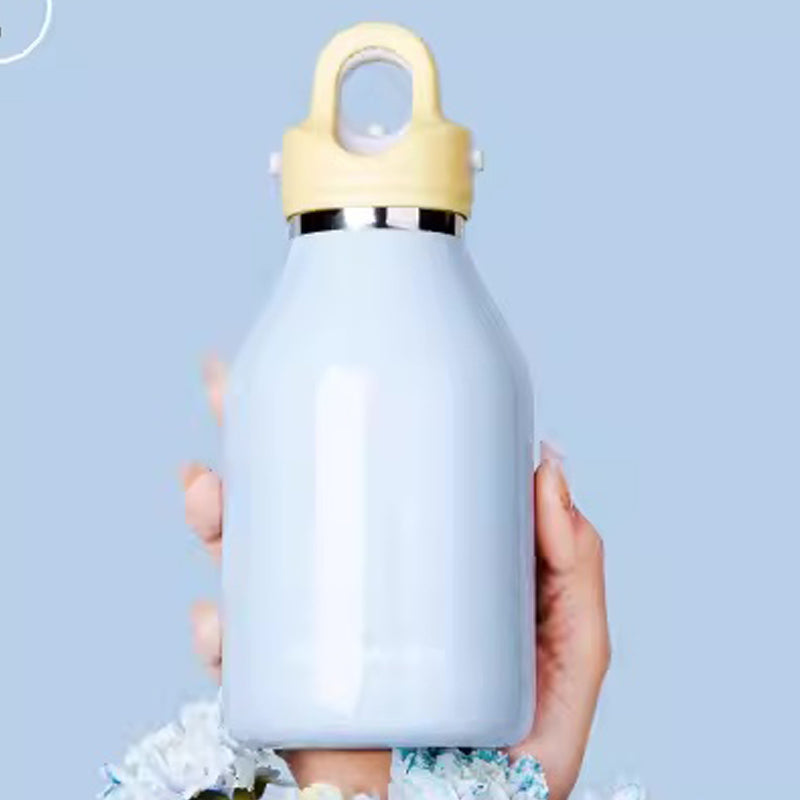
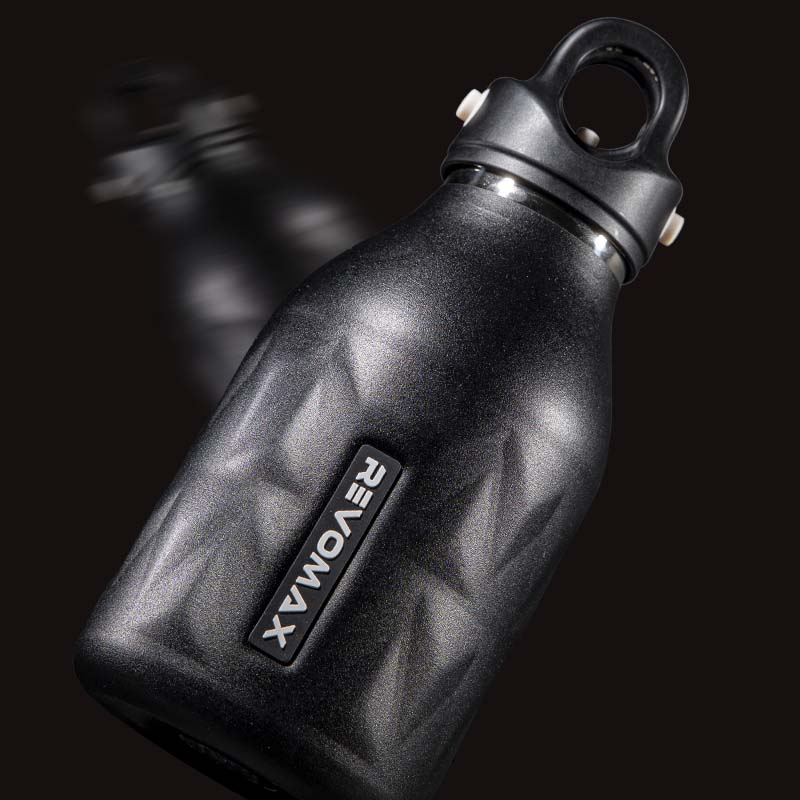
All four core bottles share the same 316L medical-grade interior and patented no-screw lid. Pick by size and use case:
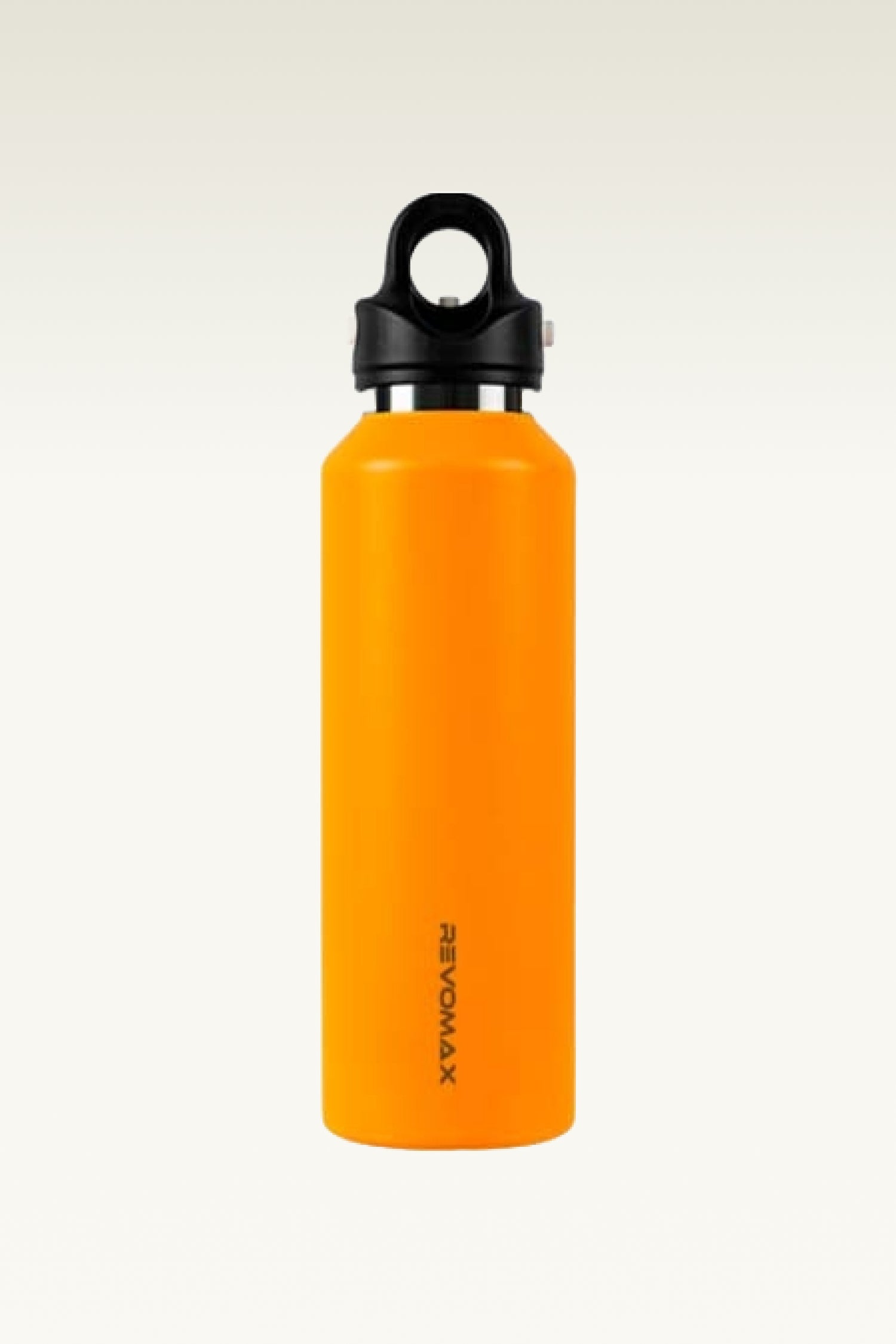
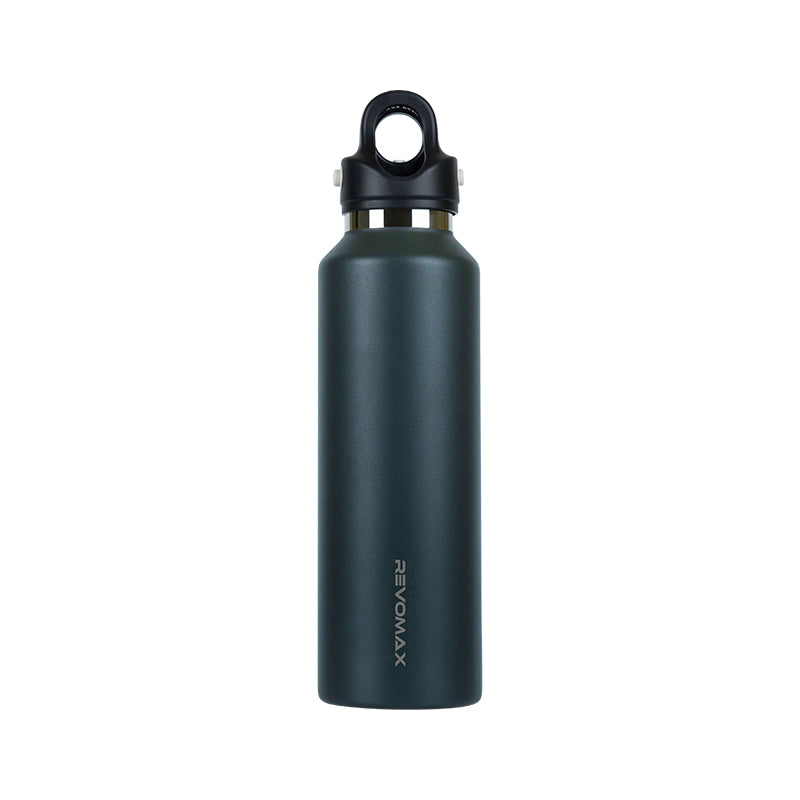
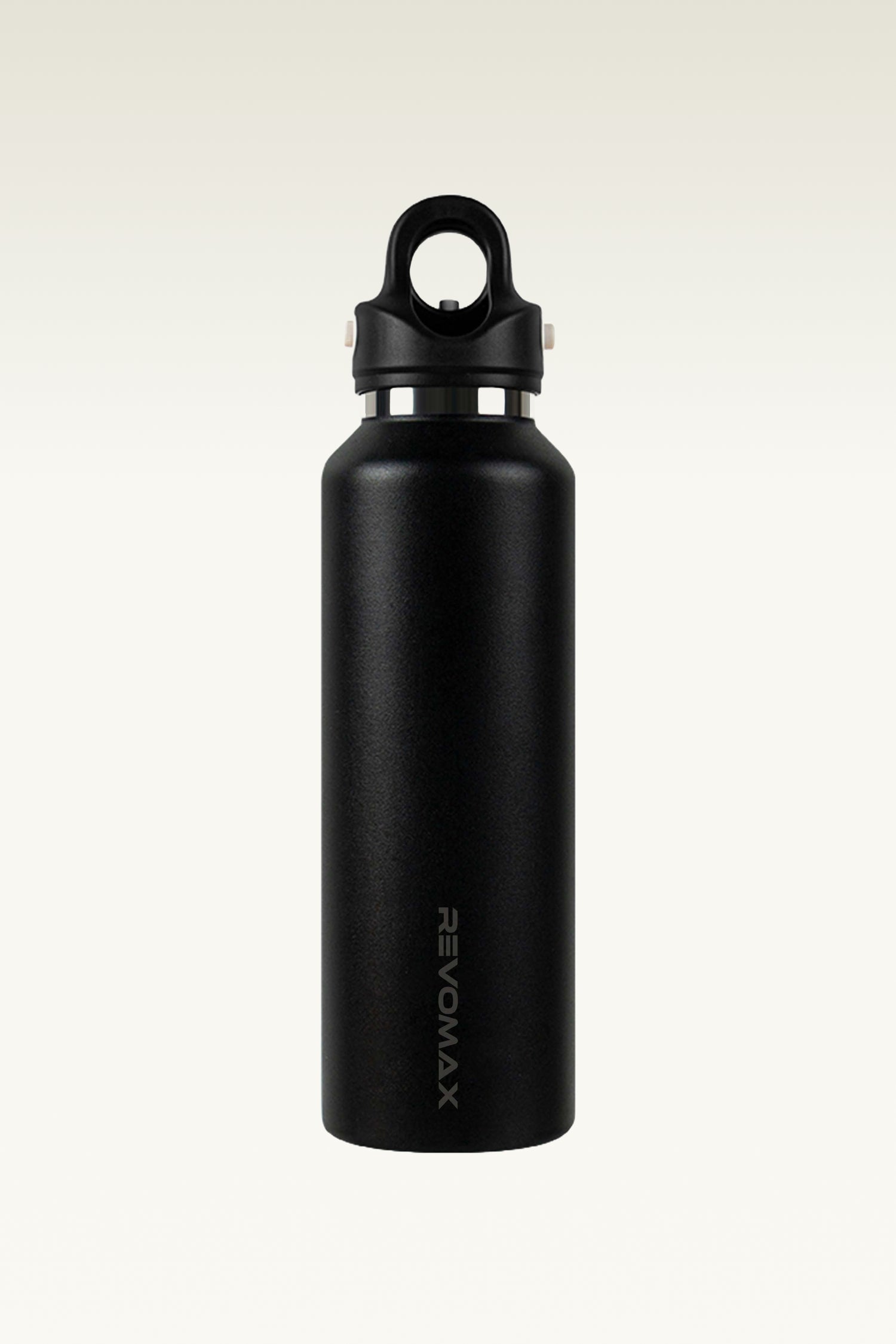
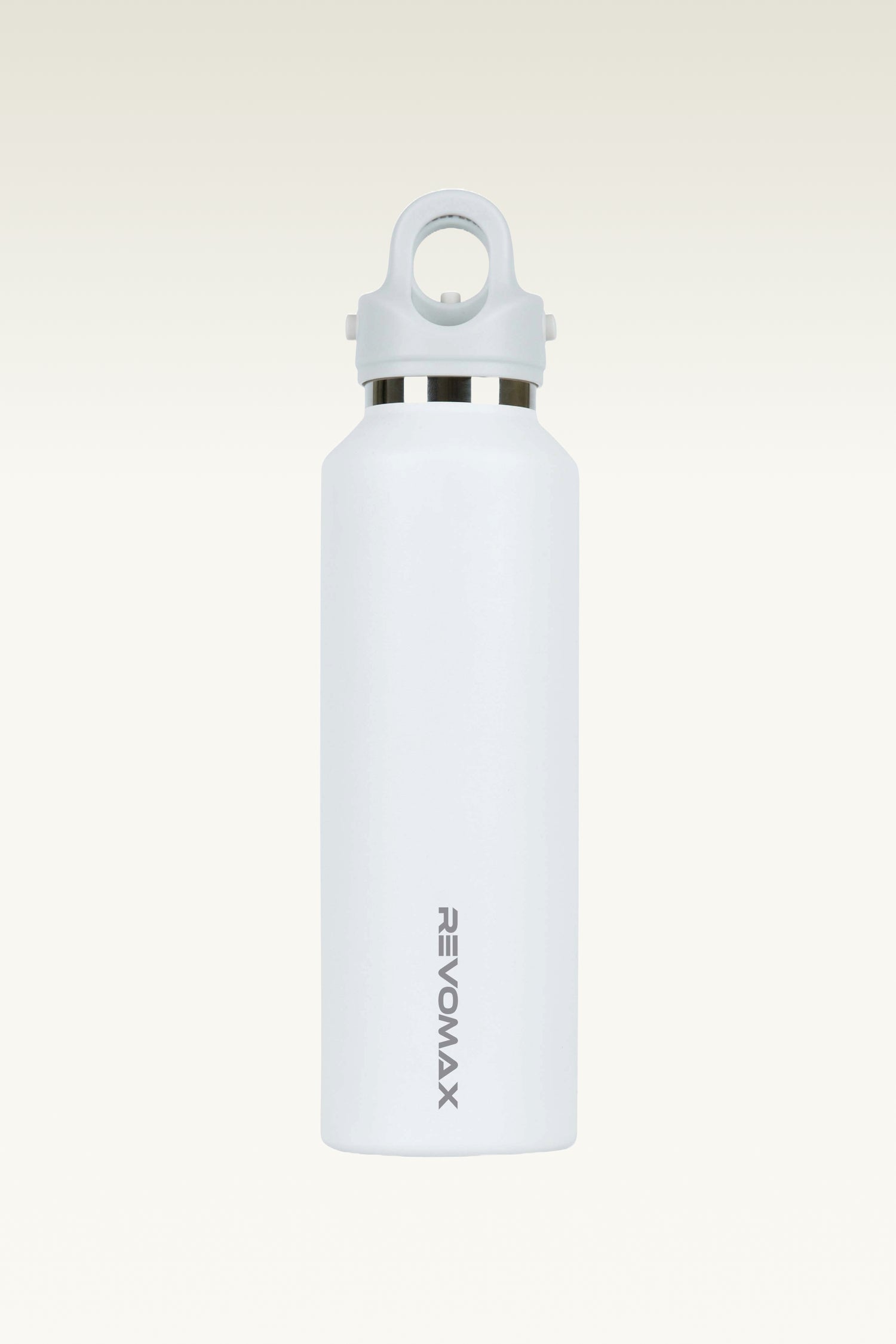
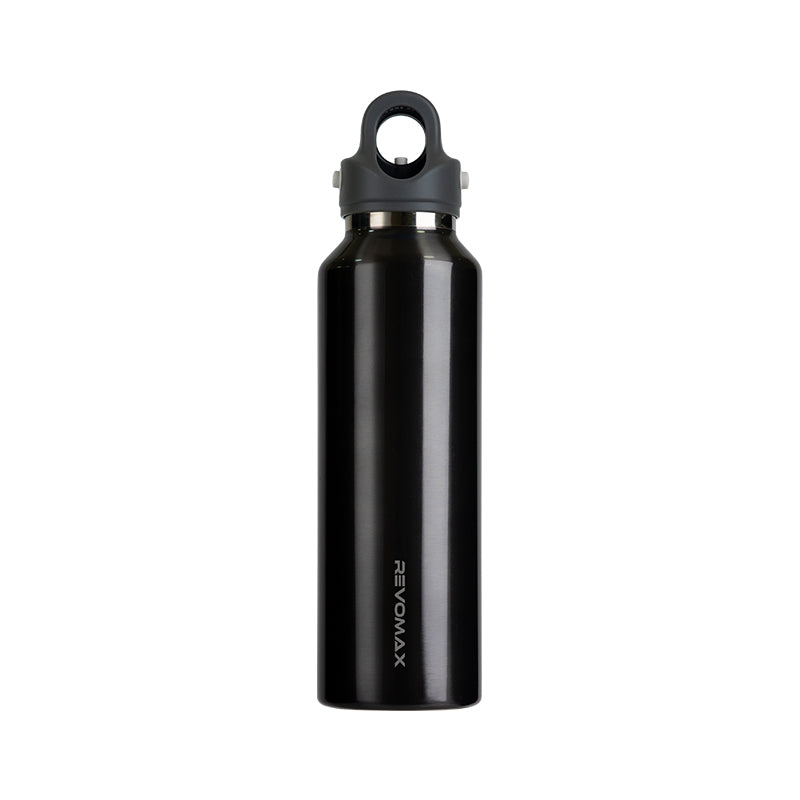
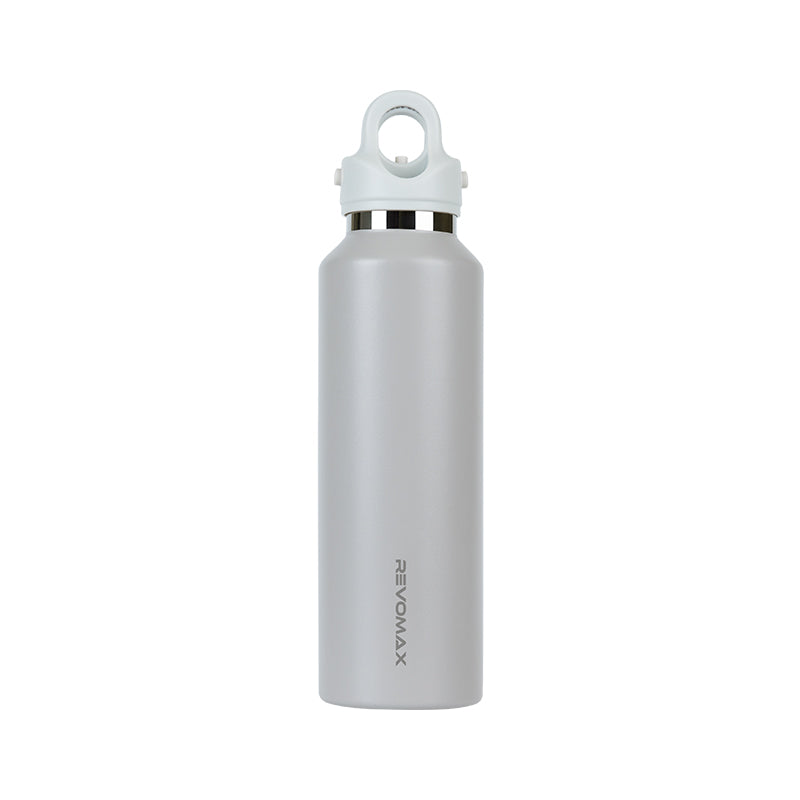
- 20oz 316L No-Screw Bottle — the everyday all-rounder. 592ml, ~360g empty, 36h cold / 18h hot, 75mm base that fits most mid-size and SUV cup holders (tight in compact sedans). Best for daily coffee, commuting, and the gym.
- 32oz 316L No-Screw Bottle — maximum all-day capacity (950ml). Best for long hikes and full-day hydration. Note the wider 95mm base does not fit standard car cup holders.
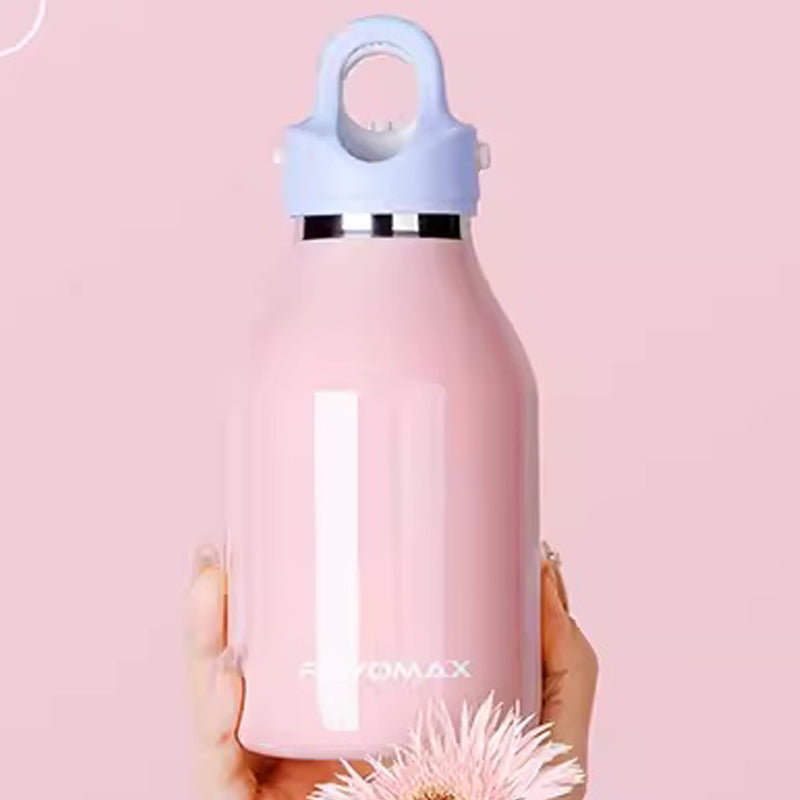
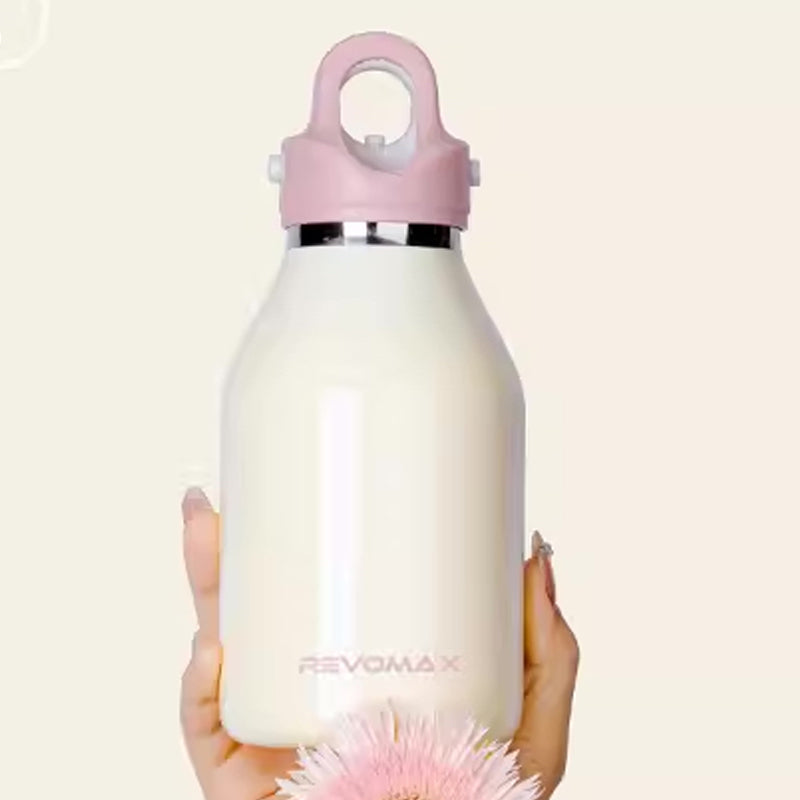
- 16oz Mix & Match 316L Bottle — compact and personalisable (choose your lid, body, and boot colours). Best for kids, smaller bags, and gifting. The 16oz fits standard cup holders.
- Premium Titanium 20oz with Magnetic Tea Infuser — ultralight pure titanium for tea lovers and weight-conscious travellers (handle with care; titanium is softer than steel).
Browse the full range on the Hikesity 316L Medical-Grade Hydration Collection.
How Hikesity 316L compares to other premium brands
Most premium vacuum bottles — including Hydro Flask, Yeti, and Stanley — use standard 18/8 (304) food-grade steel for the interior. They are good products; the difference is the alloy and the lid:
- vs Hydro Flask: Hikesity uses a 316L medical-grade interior (with molybdenum) versus Hydro Flask's 304; plus a one-handed no-screw lid instead of a screw cap.
- vs Yeti: same 316L-vs-304 interior advantage for acidic-drink taste purity, in a lighter everyday form factor.
- vs Stanley: Hikesity's threadless lid opens one-handed in about 2 seconds and disassembles for mold-free cleaning, versus a threaded cap.
If pure taste with coffee and acidic drinks is your priority, the molybdenum in Hikesity's 316L medical-grade steel is the deciding spec.
Frequently asked questions
What is 316L medical-grade stainless steel?
316L is a low-carbon (≤0.03%) austenitic stainless steel containing 16–18% chromium, 10–14% nickel, and 2–3% molybdenum. The molybdenum gives it superior resistance to chloride pitting corrosion, which is why it is used for surgical implants under ISO 5832-1 and why it is ideal for water bottles that hold coffee or acidic drinks.
What does the "L" in 316L mean?
The "L" stands for low carbon (≤0.03%). Lower carbon improves corrosion resistance — especially around welds — and keeps the alloy purer than standard 316 or 304.
Is 316L better than 304 stainless steel?
For drinks, yes. 304 contains no added molybdenum, so it is more vulnerable to pitting from chloride and acidic beverages. 316L's 2–3% molybdenum resists that corrosion, preventing metallic taste transfer and surface pitting over time.
Is 316L stainless steel safe to drink from?
Yes. 316L is uncoated, BPA-free, and PFAS-free, and is the same implant-grade alloy used in surgery (ISO 5832-1). There is no liner to wear away, so your drink only ever contacts pure medical-grade steel.
Does a 316L water bottle remove metallic taste?
Yes. Because 316L resists corrosion from acidic and chloride-rich drinks, it does not transfer a metallic flavour the way some 304 bottles can — even with coffee, lemon water, or sports drinks.
316L vs titanium — which is better for a water bottle?
Both eliminate metallic taste. Titanium is about half the weight but is softer than steel, so it dents and scratches more easily and is not drop-proof. 316L medical-grade steel is tougher for everyday use and better value; titanium is best when ultralight weight matters and you handle it gently.
Can I put coffee and carbonated drinks in a 316L bottle?
Yes. 316L is designed for acidic beverages, so coffee, tea, and citrus drinks stay pure. Hikesity's no-screw lid also creates an airtight seal that holds carbonation — just open carbonated drinks slowly and point the lid away from your face.
Which Hikesity bottle uses 316L medical-grade steel?
Every bottle in the Hikesity 316L Medical-Grade Hydration Collection — the 20oz, 32oz, and 16oz Mix & Match — uses a 316L medical-grade interior. The Premium Titanium 20oz uses pure titanium instead, which is also fully taste-neutral.