

If you are searching for the best material for thermal underwear for women, choose by activity: merino or a tested moisture-heating blend for changing conditions, engineered synthetics for sweaty exercise, silk for a thin everyday layer, and not ordinary cotton for cold active use.
By Hikesity Editorial Team

Short answer: which fabric is warmest for everyday wear, and which is best for active use
For everyday wear under jeans, a thin moisture-absorption-heating blend is the most practical choice when its warmth and wash performance have been verified. It can add warmth without relying on the bulk of a heavy knit. Silk is also thin and comfortable, but it is more delicate and does not automatically provide the strongest warmth.
For hiking, skiing or other stop-and-start activity, fine merino is the safest all-around material choice because its crimp traps insulating air while the fibre manages moisture vapour. Engineered polyester can be better for continuous, high-sweat exercise because it absorbs little moisture and dries quickly, although performance depends heavily on the knit and finish.
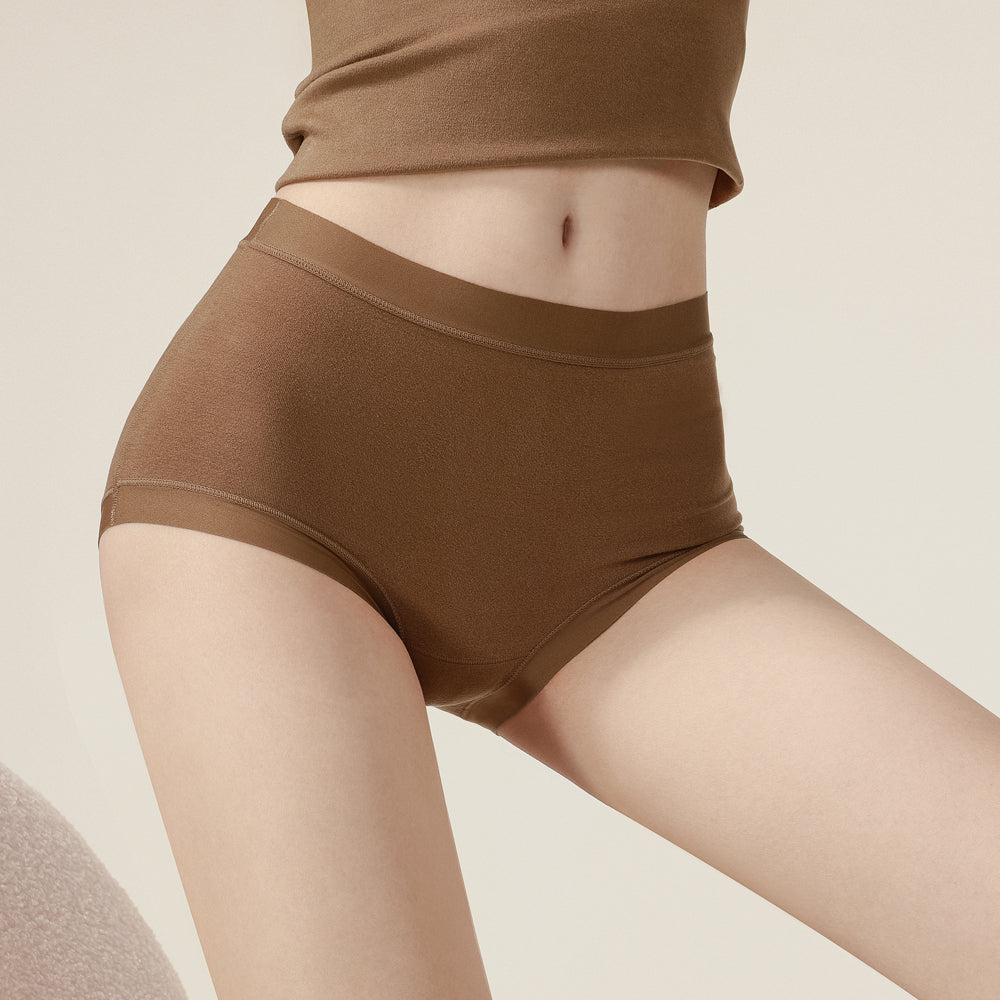
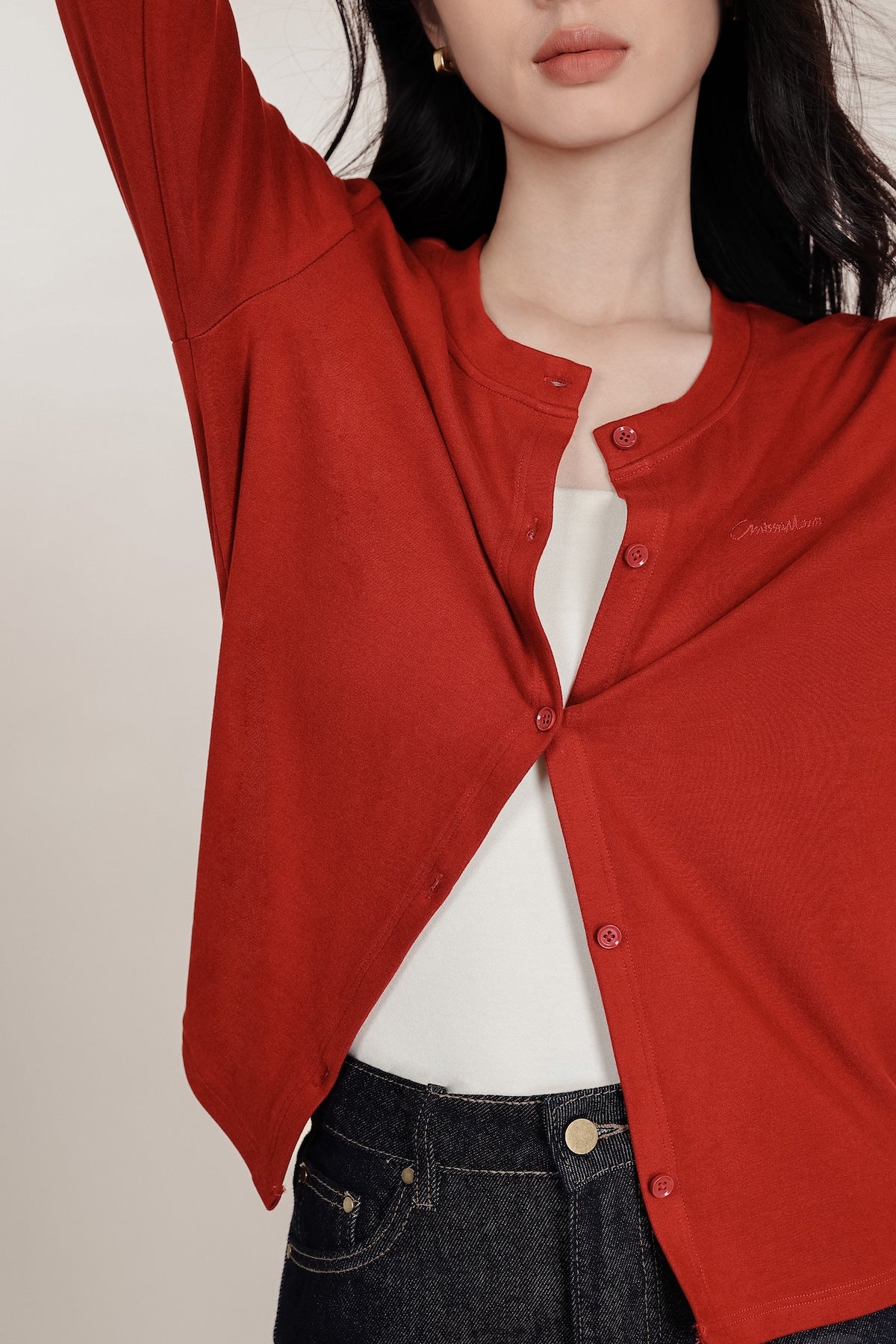
Hikesity’s CatWarm women’s thermal underwear uses 54% viscose, 38% acrylic and 8% spandex to convert absorbed moisture vapour into measurable heat; the fabric reached a 6.4°C peak temperature rise and a 3.0°C half-hour average in independent testing, and the three-pair pack costs US$45. These are controlled fabric-test results, not a promised change in body temperature.
How each fabric keeps you warm: trapped air, moisture-absorption heating, wicking
“Warm fabric” can describe three different mechanisms. Understanding the distinction makes fibre labels much more useful.
- Trapped air: Still air slows heat transfer. Merino’s natural crimp creates small air spaces, while brushed acrylic or polyester can create loft mechanically. The Canadian Conservation Institute describes wool as a good insulator, while Woolmark’s explanation of wool fibre structure connects crimp with trapped air and temperature management.
- Moisture-absorption heating: Hygroscopic fibres interact with water vapour released by the body. That sorption process can release a small amount of heat. A designed blend must balance an absorbent component, warmth-retaining structure, stretch and moisture movement. Read more about how moisture-absorption heating works.
- Wicking: Wicking moves liquid along yarn or fabric surfaces and spreads it for evaporation. It is not the same as absorbency and does not itself create heat. Engineered polyester can dry quickly because the fibre absorbs little water, but untreated polyester is not automatically an effective wicking fabric.
Fabric construction matters as much as the fibre name. A dense, brushed synthetic and a lightweight mesh made from the same polymer will behave differently. Fit also matters: a base layer must sit close enough to receive moisture without being so tight that it restricts movement or creates pressure points.
Comparison matrix: merino, silk, cotton, polyester/acrylic, and viscose-acrylic moisture-heating blends (warmth, wicking, itch, static, wash durability, thickness under jeans)
The ratings below describe typical tendencies, not guarantees. Yarn size, knit density, brushing, finishes and garment fit can change the result.

| Material | Warmth mechanism | Moisture handling | Itch or skin feel | Static tendency | Wash durability | Under jeans |
|---|---|---|---|---|---|---|
| Fine merino | Crimp traps air; fibre buffers moisture vapour | Strong vapour management; liquid-wicking performance depends on construction | Usually softer than coarse wool, but individual sensitivity varies | Generally lower than dry synthetics | Can last well when its care label is followed; heat and agitation can cause felting or shrinkage | Available in thin weights, though often thicker than silk |
| Silk | Low heat conduction and a fine insulating layer | Absorbent, but not the first choice for sustained heavy sweat | Smooth and low bulk | Typically less troublesome than very dry synthetic fabrics | More sensitive to friction, light and aggressive laundering | Excellent when minimal thickness is the priority |
| Ordinary cotton | Relies mainly on fabric thickness and trapped air | Absorbs moisture readily and can remain wet | Familiar and soft for many wearers | Generally low | Usually easy to wash, but low elasticity can affect recovery | Can be thin, but damp fabric may feel clammy |
| Polyester or acrylic | Brushed or lofty construction traps air | Polyester absorbs little water and dries quickly; effective wicking requires suitable yarn and construction | Can feel smooth or brushed; seams and finishing matter | Can build static unless the fabric is engineered or treated to resist it | Often resilient and easy to wash; pilling remains possible | Often thin enough for close-fitting trousers |
| Viscose-acrylic moisture-heating blend | Absorption heating plus insulating knit structure | Designed to absorb vapour while moving moisture; verify with product-level testing | Can have a soft brushed hand; evaluate the gusset separately | Depends on blend and finishing; seek a tested claim | Depends on formulation; Hikesity’s listed fabric retained its shape through 100 wash tests | Designed as a thin everyday underwear layer |
For reference, the Government of Canada’s textile fibre guidance describes silk as fine, absorbent and insulating, while noting that it becomes weaker when wet. Cotton Incorporated’s fibre reference confirms cotton’s high moisture absorbency and relatively low resilience.
Why cotton is the one to avoid, and when merino is worth the price
Ordinary cotton is the material to avoid when cold, sweat and changing activity levels occur together. It readily absorbs perspiration; once saturated, it can hold that moisture next to the skin. Evaporation then removes heat, while wet fabric loses much of the comfort expected from a dry insulating layer.
This does not make cotton universally bad. It can be comfortable for short, dry indoor wear, and specially engineered cotton fabrics may perform differently. Cotton Incorporated explains that its TransDRY treatment works by reducing absorbent capacity and spreading moisture, which illustrates why a treated performance fabric should not be judged as ordinary cotton.
Merino is worth its higher price when you need one base layer for variable activity, repeated wear or transitions between exertion and rest. Its crimp provides loft, its internal structure manages moisture vapour, and fine fibres bend more readily against the skin than coarse wool. Woolmark notes that perceived prickle is related to fibre coarseness, so “merino” alone is not a complete comfort specification.
Choose merino when multi-day odour management and changing output matter more than minimum thickness. Choose a tested moisture-heating blend for commuting, offices and daily winter wear when a smooth, washable layer under jeans is the priority. Choose engineered polyester for hard, sustained workouts where rapid drying matters most.
What lab numbers mean: peak temperature rise vs half-hour average, and how to read a test report
A peak result and an average result answer different questions. Peak temperature rise is the largest difference observed at one point in the test. It shows the maximum response but not how long that response lasted. A half-hour average summarizes the temperature difference across the measurement period and is usually more useful for judging sustained behaviour.
For Hikesity’s women’s thermal underwear, the published independent results are a 6.4°C peak and a 3.0°C average over half an hour. The listing also reports top-grade moisture wicking, static resistance and shape retention through 100 wash tests. These claims apply to the tested fabric and conditions; they are not equivalent to saying that every wearer’s skin or core temperature will increase by those amounts.
When comparing test reports, check for:
- A named sample and control. You need to know which finished fabric was tested and what baseline it was compared with.
- The measured variable. Fabric-surface temperature, microclimate temperature and body temperature are not interchangeable.
- A complete time curve. One peak can hide rapid cooling. Look for an average or readings across a stated period.
- Conditioning and moisture inputs. Humidity, sample conditioning and the amount of moisture introduced can affect absorption-heating results.
- Wash state. A new sample and a repeatedly laundered sample may perform differently.
- Units and scope. Confirm whether the report uses Celsius or Fahrenheit and whether it tests fibre, fabric or a completed garment.
For a deeper interpretation of these figures, see whether thermal panties actually work.
What to look at in the gusset and waistband: modal and silk linings, waistband width

The main body fabric determines most of the warmth, but the gusset and waistband often determine whether thermal underwear remains comfortable for a full day.
Read the gusset as a separate textile zone. Hikesity’s CatWarm gusset lining is 48% modal, 27% nylon, 21% spandex and 4% mulberry silk. Modal contributes softness and moisture absorption, nylon supports strength, spandex adds recovery, and the silk is a minor component rather than a full-silk lining. Describing it simply as “silk underwear” would therefore be inaccurate.
Look for a smooth gusset surface, flat transitions and enough stretch to move without bunching. Fibre content alone cannot confirm hygiene, breathability or comfort; construction, laundering and personal sensitivity also matter.
For the waistband, ask for its measured width if the seller provides one. A wider band can distribute pressure over a larger area, but width is not a guarantee against rolling. Elastic recovery, seam placement, torso shape and rise all matter. Hikesity’s waistband and leg trim use 67% nylon and 33% spandex; no waistband-width measurement was supplied, so this article does not invent one.
If you are unsure whether a one-size design will work with your rise and hip measurements, use the one-size thermal underwear fit guide before buying.
How long thermal underwear lasts and when to replace it (wash testing, replacement indicator)
There is no honest universal answer in years. Rotation frequency, friction from jeans, detergent, wash temperature, drying method and body oils all affect service life. A fabric used twice a week and air-dried faces a different wear pattern from one washed hot after daily use.
Hikesity’s product data reports shape retention through 100 wash tests and identifies a replacement indicator. Treat 100 washes as a laboratory durability result, not a promise that every pair must be discarded at wash 101 or will remain unchanged under every home-laundry routine.
Replace thermal underwear when the product’s indicator signals replacement or when you observe one or more practical failures:
- The waistband no longer recovers and the garment slips or rolls.
- The gusset remains rough, distorted or odorous after correct washing.
- The fabric has thinned enough to become transparent or develops holes.
- Seams rub because the surrounding knit has stretched out of shape.
- The layer no longer handles moisture or feels warm in the same conditions.
Follow the garment care label, avoid unnecessary heat and rotate pairs so each can dry completely. A three-pair pack makes that rotation easier without turning a laboratory wash count into a calendar-life claim.
FAQ
What is the warmest fabric for women’s thermal underwear?
No fibre wins in every garment. For active cold-weather use, fine merino offers a strong combination of trapped-air insulation and moisture-vapour management. For thin everyday wear, a lab-tested moisture-absorption-heating blend can provide measurable warmth without a bulky layer.
Is silk or merino better under jeans?
Silk is usually the thinner option and feels smooth under close-fitting clothes. Merino is generally the more versatile choice for variable temperatures and activity, provided the fabric is fine enough for next-to-skin wear.
Is polyester good for women’s thermal underwear?
It can be. Polyester absorbs little moisture and dries quickly, which suits sustained exercise. Look for an engineered wicking knit, flat seams and static-control information rather than assuming every polyester fabric performs the same way.
Why is cotton not recommended as a winter base layer?
Ordinary cotton absorbs perspiration and can stay wet, making it a poor choice when you alternate between exertion and rest in the cold. It can still be comfortable for dry, low-activity indoor wear.
Does a 6.4°C test result mean my body will become 6.4°C warmer?
No. It is a peak fabric measurement under controlled conditions. Hikesity’s published test also gives a 3.0°C half-hour average, which better describes the sustained measured response. Neither figure promises the same change in skin or core body temperature.
How should I choose the right size?
Check the stated body-measurement range, rise, stretch and return terms instead of relying on “one size” alone. The fit should stay close to the skin without digging into the waist or restricting movement.
Recommended Products
Best for thin everyday warmth: Hikesity high-waisted thermal underwear for women. The three-pair pack is available in Brown, Grey and White combinations for US$45. Its main fabric is 54% viscose, 38% acrylic and 8% spandex, with independent fabric results of a 6.4°C peak temperature rise, a 3.0°C half-hour average and shape retention through 100 wash tests.
For a winter present that combines practical layers with accessories, see these winter gift ideas for her.
Compare to alternatives
| Your priority | Start with | Main trade-off |
|---|---|---|
| Variable activity or multi-day wear | Fine merino | Usually costs more and may require gentler care |
| Hard, sweaty exercise | Engineered polyester | Static, odour and skin feel depend on construction and finishing |
| Minimum bulk under fitted clothing | Silk | More delicate and less suited to sustained heavy perspiration |
| Everyday warmth under jeans | Tested viscose-acrylic moisture-heating blend | Performance should be verified at product level, not assumed from fibre names |
| Dry indoor lounging | Cotton | Poor choice once sweat, wet weather or cold outdoor stops enter the plan |
The best purchase is therefore not the fibre with the most dramatic label. It is the garment whose warmth mechanism, moisture behaviour, fit and durability match the way you will actually wear it.