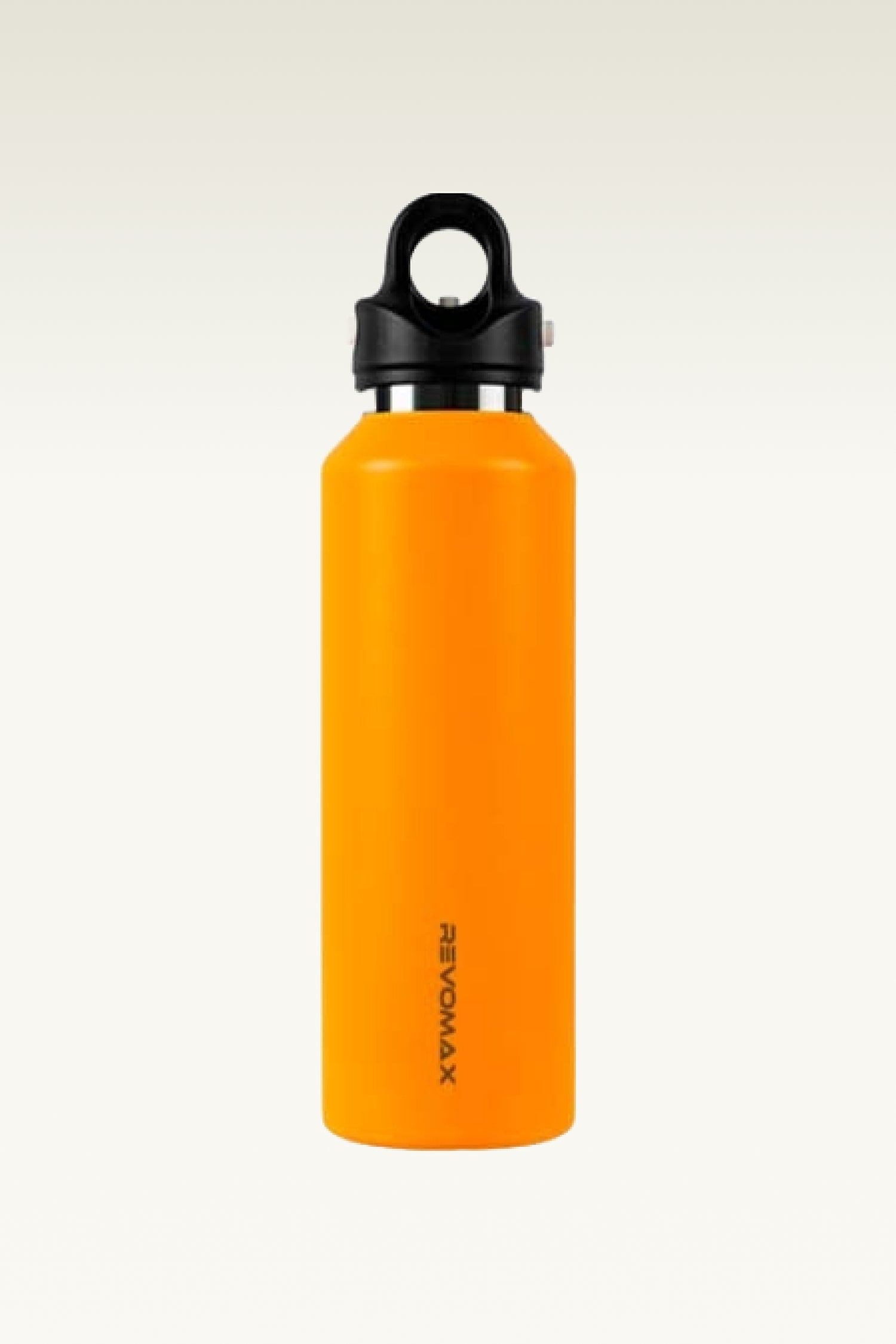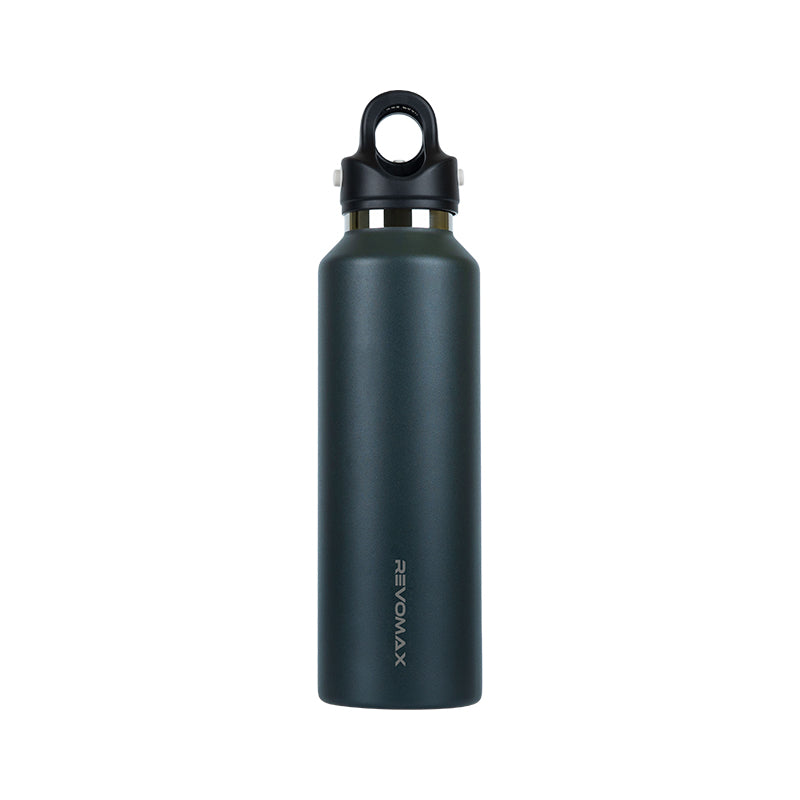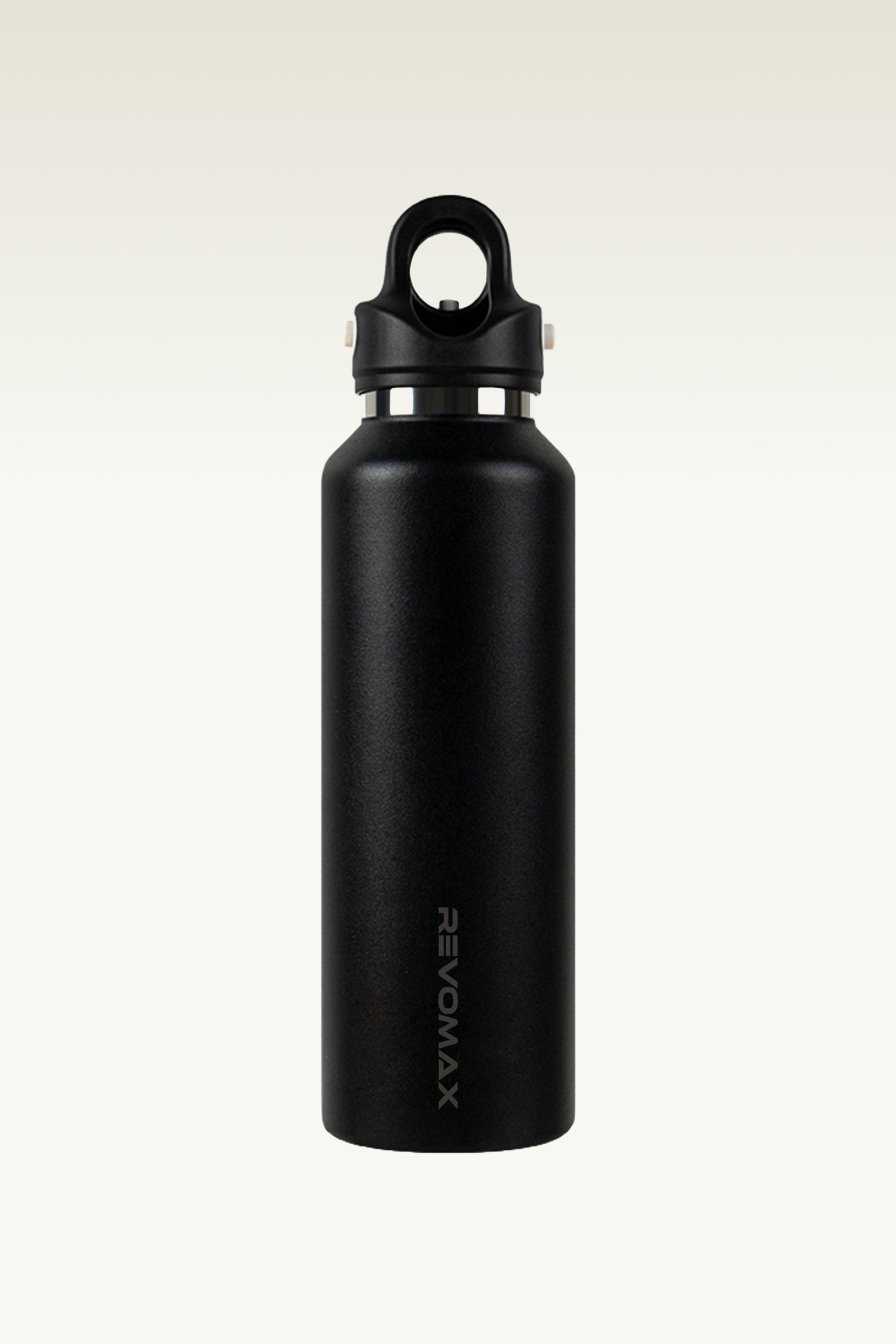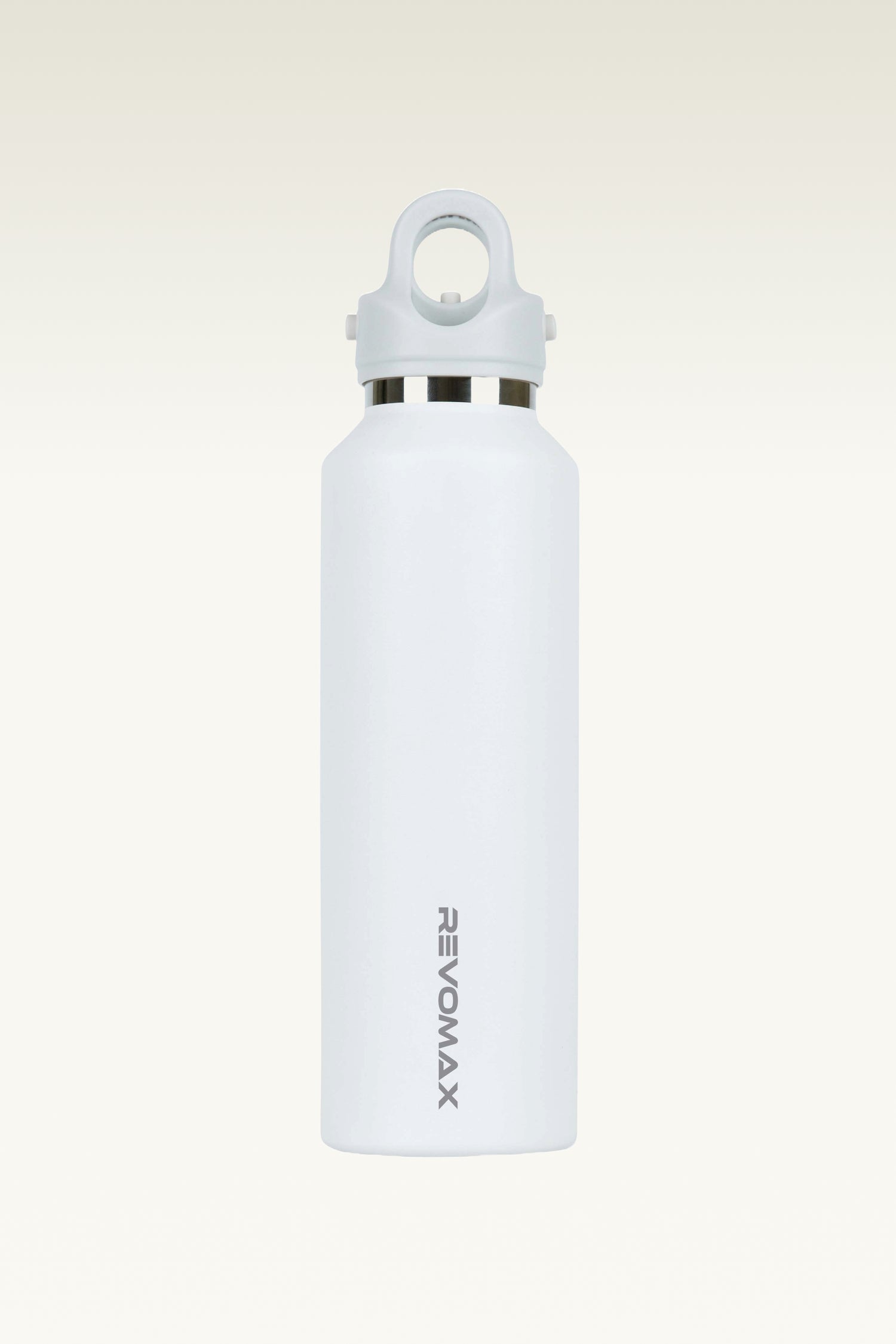



Most marks inside a stainless steel bottle are removable surface deposits, but true pitting needs closer attention. Their colour, texture and location can help identify the cause—and 316L improves corrosion resistance without making a bottle rust-proof.
By Hikesity Editorial Team
The quick answer: most "rust" in a steel bottle is surface staining or pitting, and where it shows up tells you why
If your stainless steel water bottle is rusting inside, first determine whether you are seeing a loose orange film, a flat stain or a permanent pit. Stainless steel resists corrosion through a thin chromium-rich oxide layer that continually reforms when the clean metal is exposed to oxygen. It is corrosion-resistant, not corrosion-proof.
A mark that wipes away or fades during gentle cleaning is more likely to be transferred iron, mineral residue or beverage staining. A rough cavity that remains after cleaning may be localized corrosion. Marks around the mouth can begin where salty drink residue repeatedly dries, while damage near a seam or metal lid component deserves closer inspection.
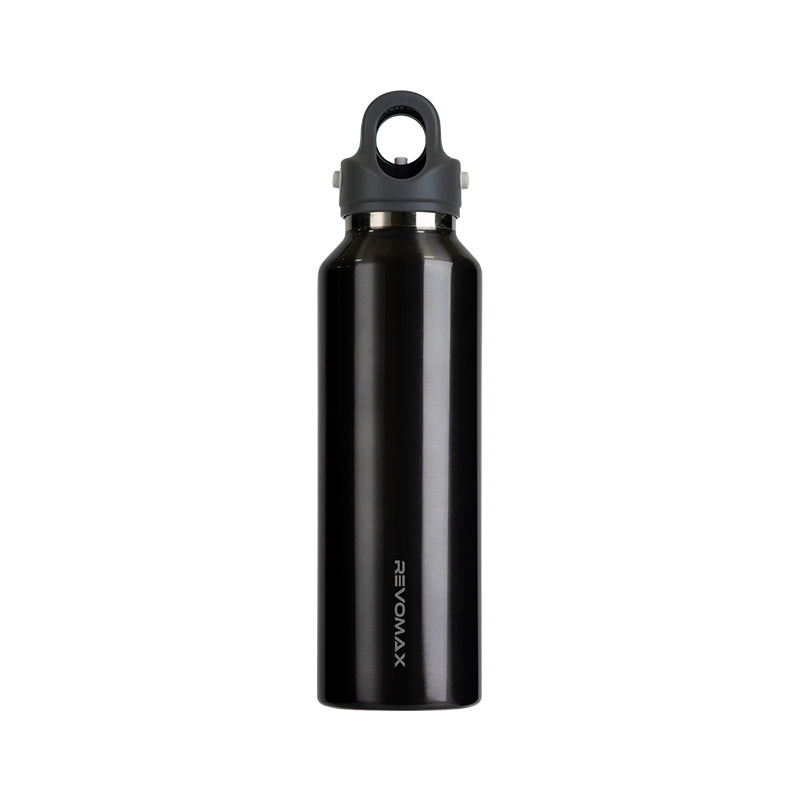
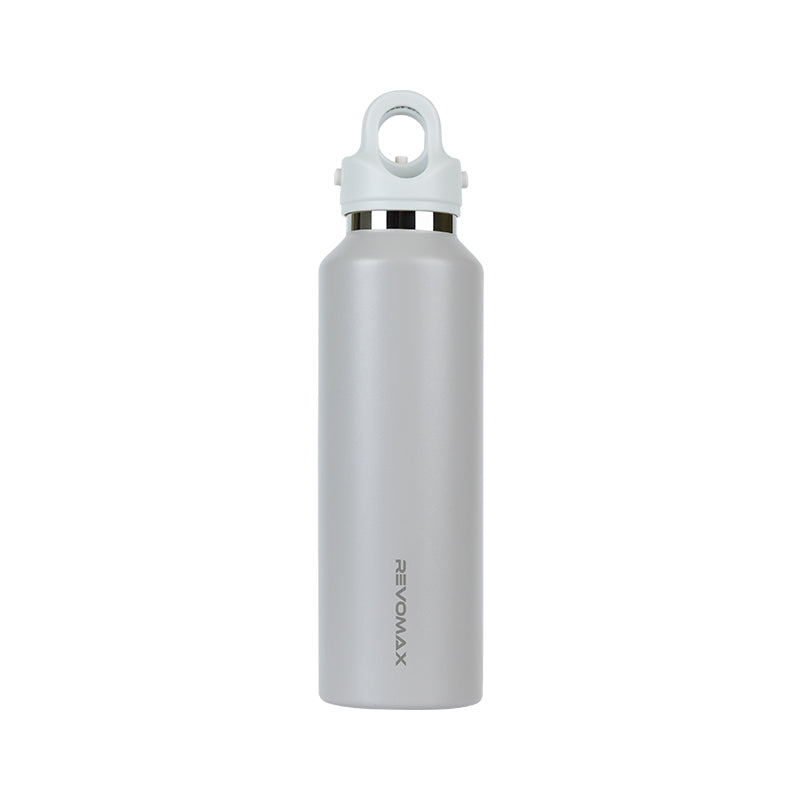
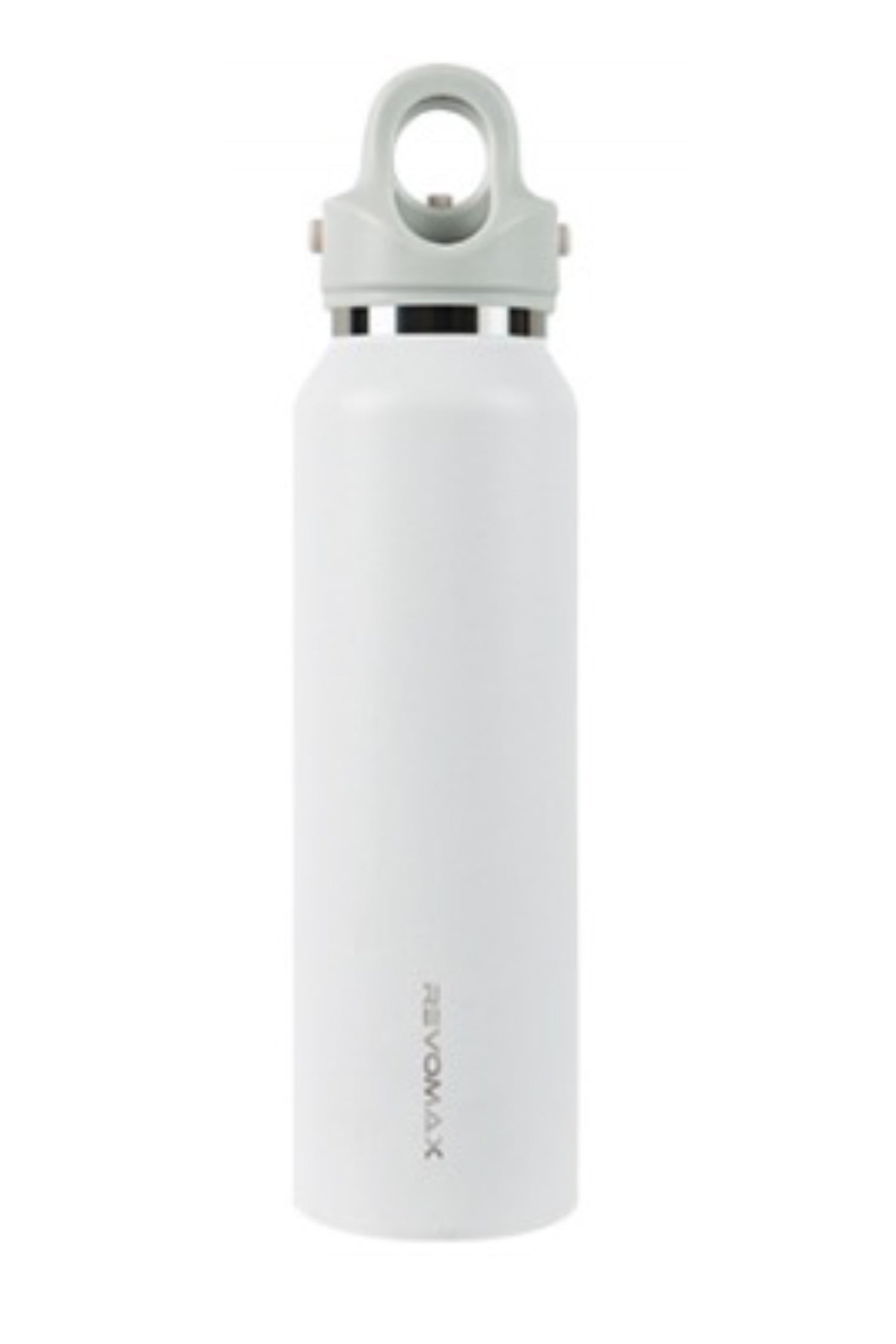
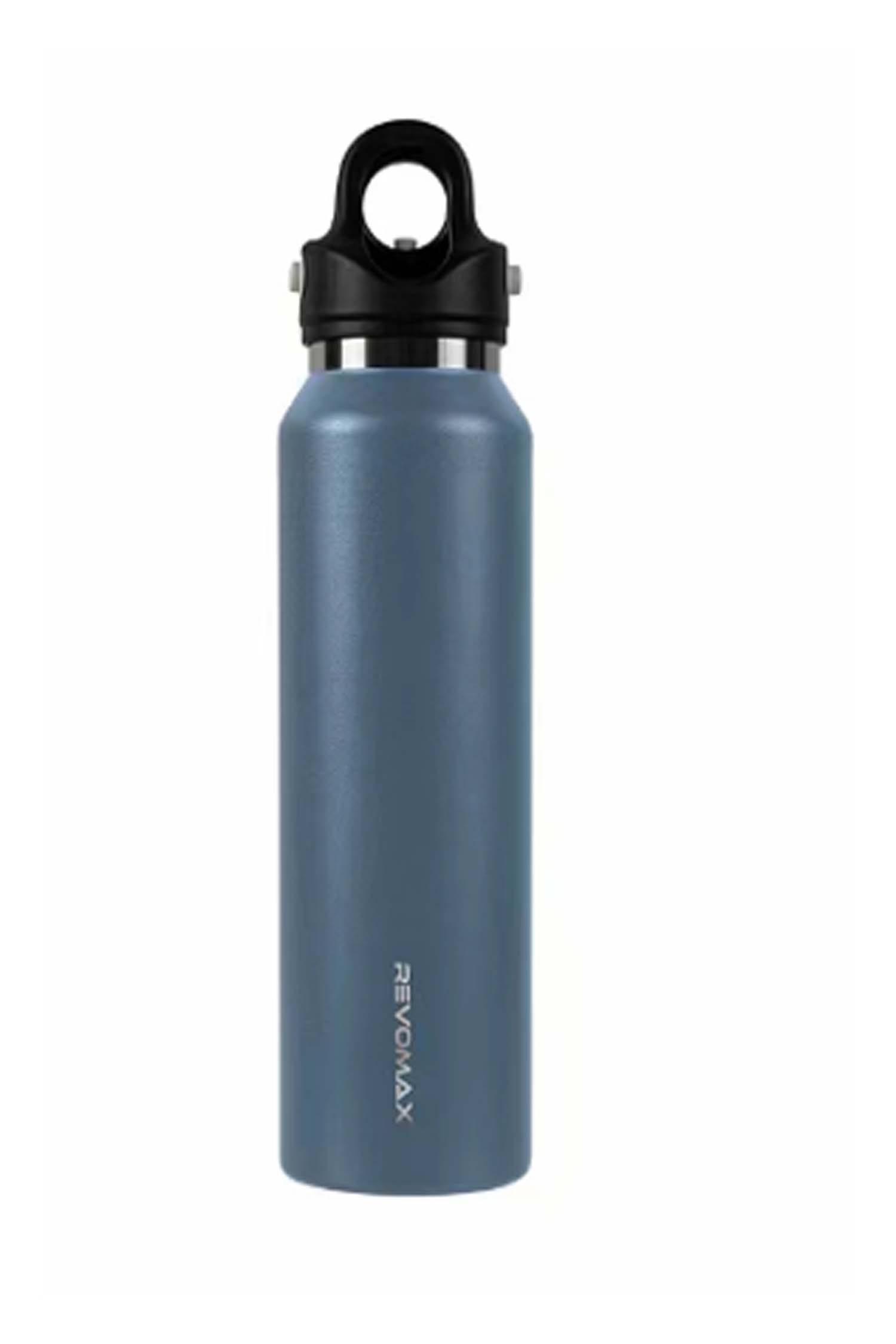
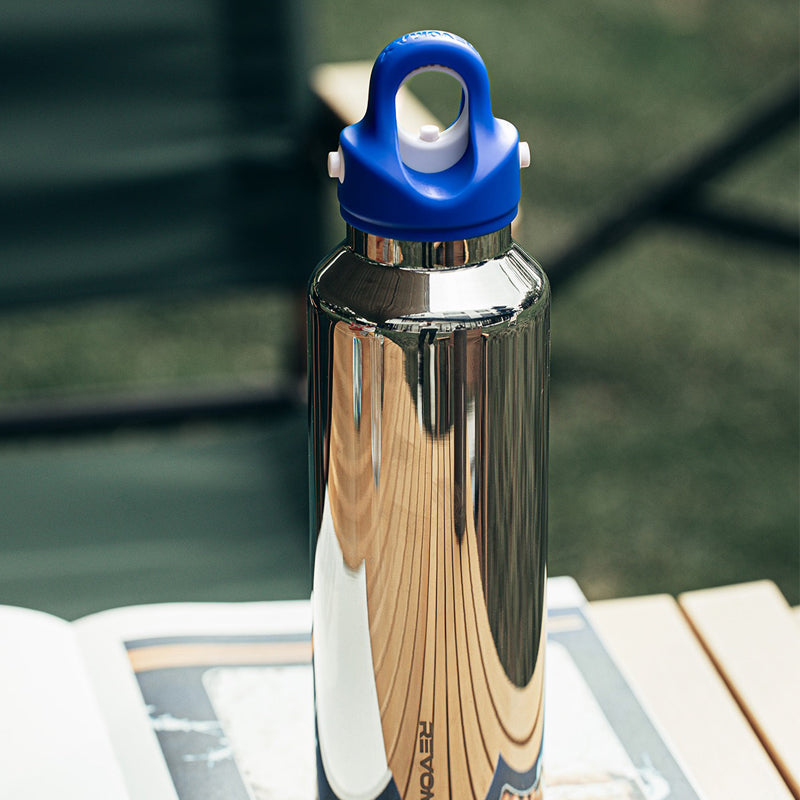
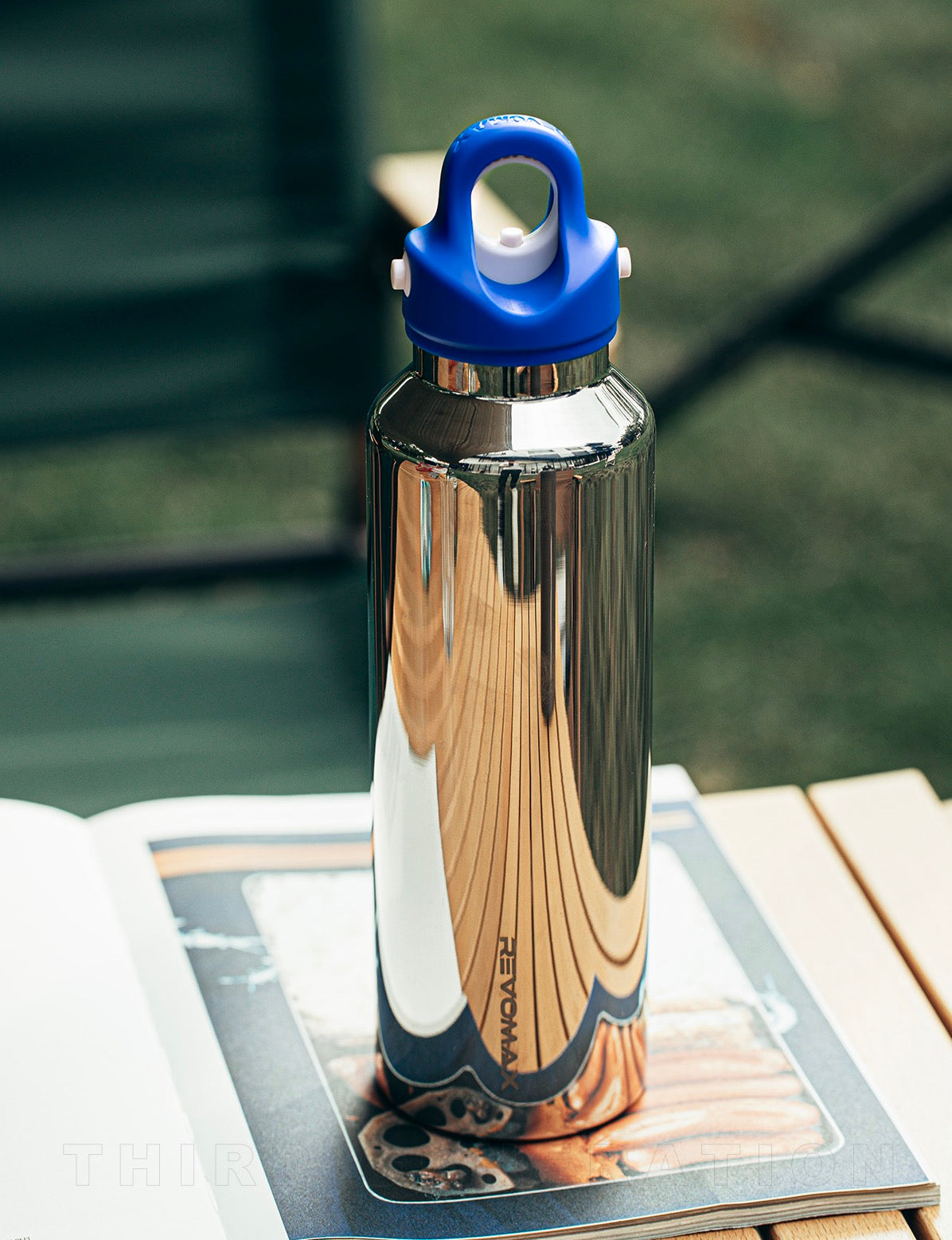
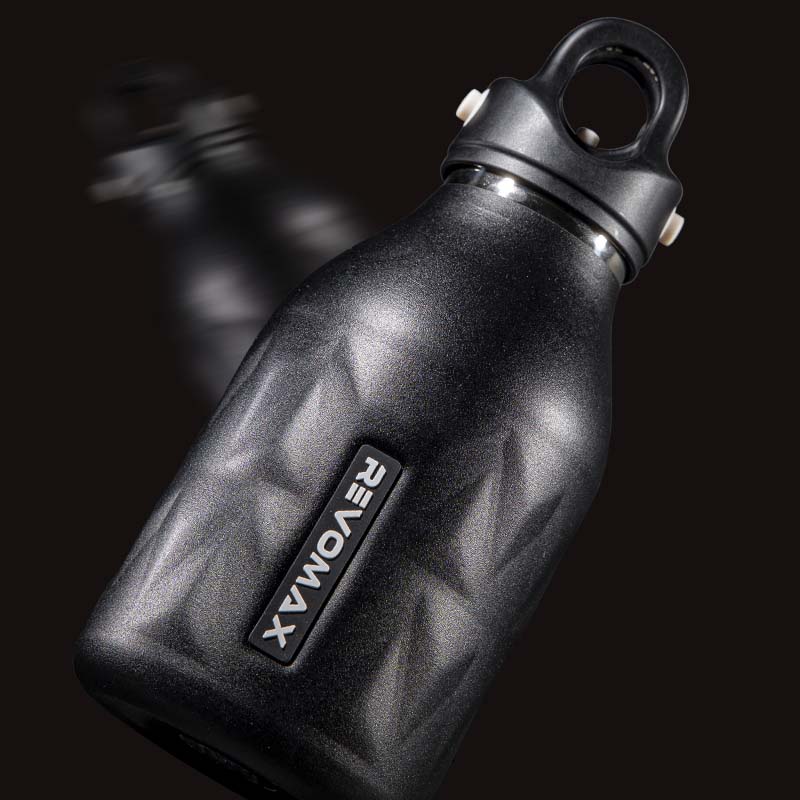
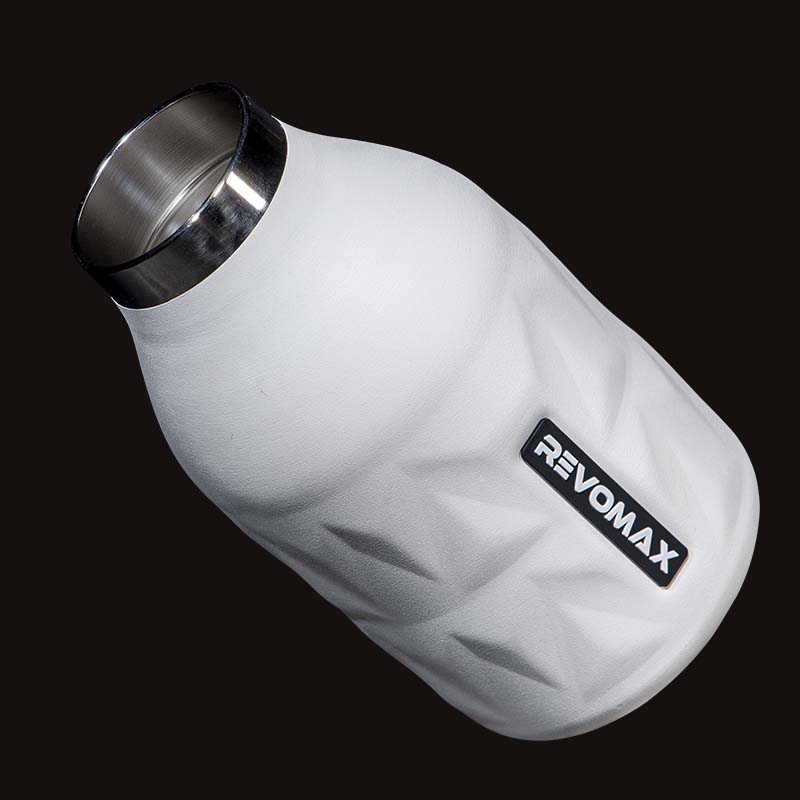
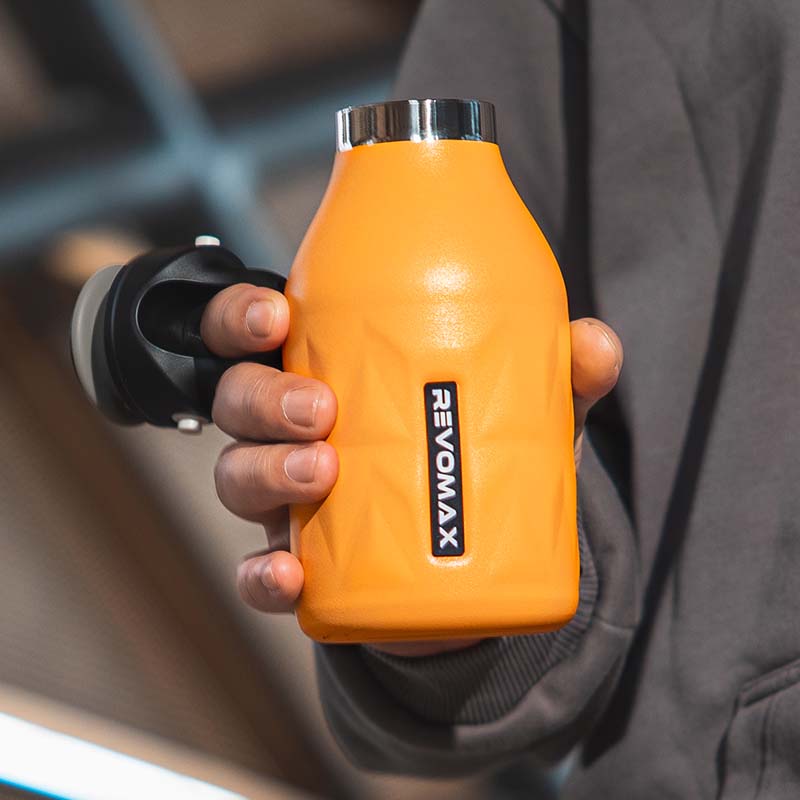
Hikesity’s 20oz and 32oz Revomax bottles use a 316L stainless steel inner liner containing 2–3% molybdenum to improve resistance to chloride-related pitting, while the exterior shell is 304 stainless steel; this lowers corrosion risk but does not make either surface rust-proof.

Rust spots, orange film or tea stains? How to tell which one you have
Empty the bottle, rinse it and inspect it in bright light before scrubbing. The following clues are useful, but appearance alone cannot provide a laboratory-grade diagnosis.
| What you see | Likely explanation | What to check next |
|---|---|---|
| Loose orange film or fine orange specks | Transferred iron particles, mineral deposits or early surface corrosion | See whether gentle cleaning removes the colour and leaves a smooth surface |
| Brown, amber or rainbow-like film | Coffee, tea, electrolyte or hard-water residue | Check whether the mark follows the liquid line and lifts without revealing a cavity |
| Dark pinpoint that feels rough | Possible localized pitting | Clean and dry the area, then inspect for a permanent hole or crater |
| Mark concentrated at the rim | Dried saliva, salt, drink residue, abrasion or contamination from another metal item | Inspect both the drinking edge and any nearby lid hardware |
| Orange mark on the outer base | Moisture trapped against the 304 outer shell or contamination from a metal surface | Dry the base and check whether the finish has been chipped or deeply scratched |
Do not confuse every brown mark with the base metal “turning into rust.” Tea tannins, coffee oils, hard-water minerals and particles introduced by a steel brush or rusty drying rack can all discolour an otherwise intact surface.
If the mark disappears and the underlying steel is smooth, monitor the area after cleaning and drying. If a crater, flake, sharp edge or leak remains, stop using the bottle and seek a product assessment.
Why stainless steel rusts: chloride, low pH, heat and scratches break the chromium-oxide layer
Stainless steel stays “stainless” because chromium at the surface reacts with oxygen to form a passive oxide layer. Four conditions can challenge that protection:
- Chlorides: Salt and chloride-containing residues can concentrate as liquid evaporates. Small weak points in the passive layer can then develop into pits.
- Low-pH drinks: Lemon water, coffee and some sports or carbonated drinks create a more demanding environment than plain water. Long contact, heat and dried residue increase the challenge.
- Heat: Higher temperatures can accelerate chemical reactions. A hot, concentrated residue is therefore less forgiving than a cool bottle that is promptly rinsed.
- Scratches and contamination: Abrasive pads can damage the surface, while ordinary-steel brushes or tools can leave iron particles that later form orange spots.
These factors often work together. For example, an electrolyte drink may leave chloride-rich residue in a scratch near the rim, then dry there overnight. The problem is not simply that the bottle once held a particular drink; concentration, temperature, contact time, cleaning and surface condition all matter.

304 vs 316L: what 2–3% molybdenum changes, and what it doesn't (not rust-proof)
Both 304 and 316L are stainless steels that depend on passivation. The important difference for bottle owners is that 316L includes 2–3% molybdenum, which improves resistance to localized corrosion in chloride-bearing environments. For more detail, see Hikesity’s guide to 316L versus 304 stainless steel in water bottles and its separate assessment of whether a SUS 304 water bottle is good or bad.
| Question | 304 stainless steel | 316L stainless steel |
|---|---|---|
| Does it form a passive chromium-oxide layer? | Yes | Yes |
| Does it contain the 2–3% molybdenum specified here? | No | Yes |
| Resistance to chloride-related pitting | Useful general corrosion resistance | Improved by molybdenum |
| Can it ever stain or corrode? | Yes | Yes |
| Does the grade alone prove the finished bottle is defect-free? | No | No |
ASTM A240 provides composition requirements for stainless steel grades, including 304 and 316L. Composition explains why 316L has an advantage, but it does not predict every finished bottle’s performance. Fabrication, weld condition, surface finish, contamination, cleaning and exposure all affect the result.
ASTM G48 Method A is a laboratory screening method in which stainless specimens are exposed to a ferric-chloride solution and then examined for pitting. It is an intentionally aggressive comparative test—not a simulation of ordinary drinking-water use. This article does not quote a G48 result for these bottles; it explains what the test measures.
Where rust starts in a bottle: rim, weld seam, lid hardware, outer base (Hikesity: 316L liner, 304 shell)
The location of a mark can narrow the investigation:
- Rim: The mouth sees repeated contact with saliva, salty drinks, air and cleaning tools. Residue also dries quickly along the edge.
- Weld seam: A persistent mark at a seam may indicate residue trapped by surface texture, heat tint or a localized manufacturing issue. Do not grind or sand it yourself.
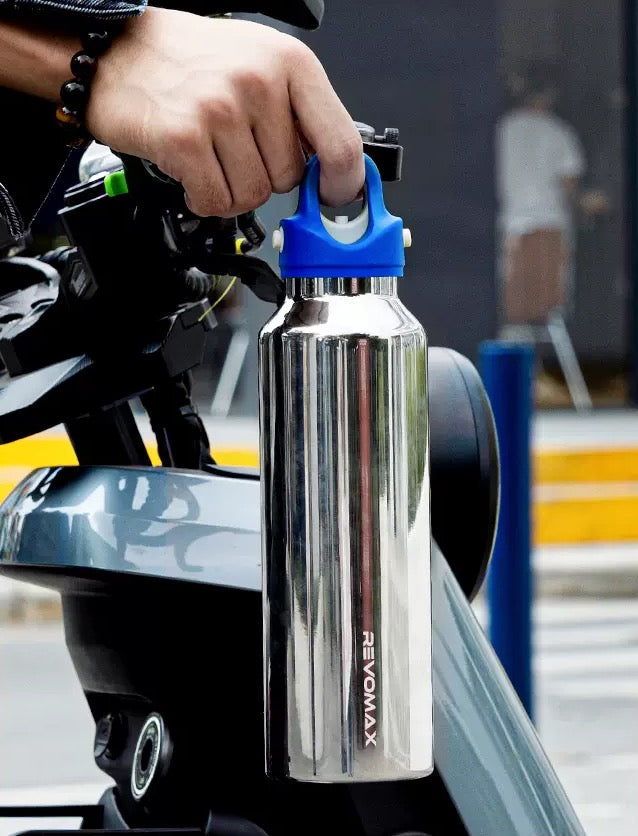
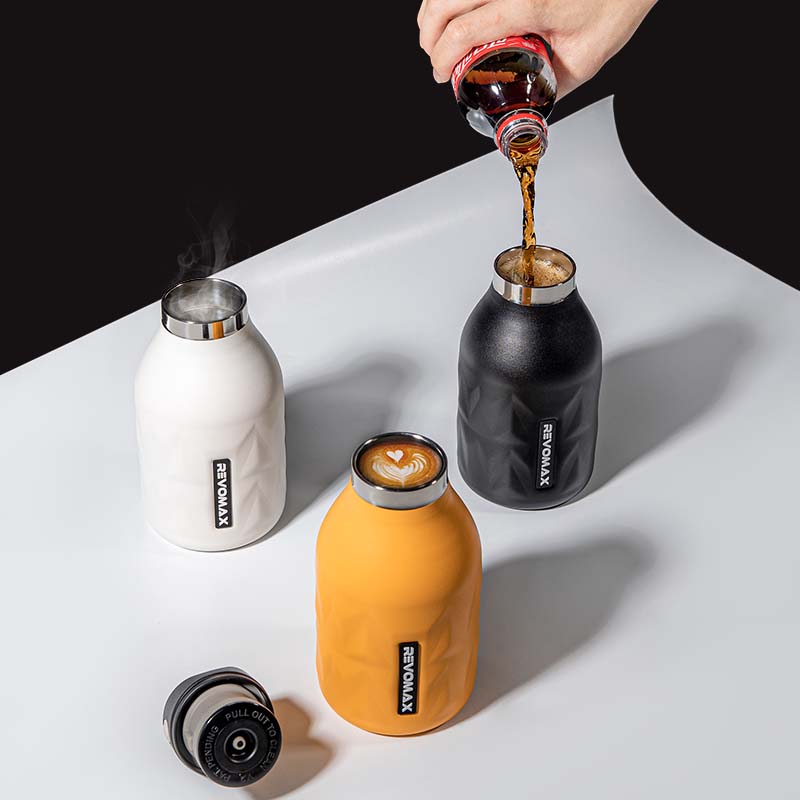
- Lid hardware: A spot near a separate metal component may originate from that component rather than the bottle liner. On both bottles, the threadless lid pulls apart into three pieces in about three seconds, and the pull-out pressure-release valve removes for cleaning. Inspect and clean these removable parts without forcing or scraping them.
- Outer base: Water trapped under a boot, on a damp counter or against a metal drying rack can mark the exterior. This is a separate environment from the beverage-contact surface.
The Hikesity product specifications identify a 316L inner liner and 304 outer shell for both the 20oz 316L no-screw bottle and the 32oz 316L no-screw bottle. Their lids use polypropylene and silicone. Therefore, an external orange spot and an internal pit should not automatically be treated as the same material problem.
How to remove it safely, and when to replace the bottle
Begin with the least aggressive approach:
- Stop using the bottle until you have inspected the mark.
- Empty it and rinse away loose beverage residue.
- Wash the bottle and removable lid parts according to Hikesity’s insulated water bottle cleaning guide. Follow its current instructions for cleaning agents, disassembly and drying.
- Use only a soft, non-scratching bottle brush or cloth. Do not use steel wool, an ordinary-steel brush or a metal scraping tool.
- Rinse thoroughly, allow every component to dry completely and inspect the area again in bright light.
A removable stain is generally a maintenance issue rather than proof of structural corrosion. Photograph the area before and after cleaning so customer service can see whether the mark changed.
Stop using the bottle if cleaning reveals a deep pit, flaking surface, sharp edge, crack, leak, damaged seam or recurring corrosion at the same point. Replacement is also the prudent choice when you cannot fully clean a damaged beverage-contact surface. Do not sand, polish or chemically treat the liner in a way that could alter its finish or complicate a warranty assessment.
Habits that prevent it: electrolytes, lemon water, bleach, dishwashers and storage
- Electrolytes: Do not let salty residue dry inside. Empty and rinse the bottle promptly after use, especially around the rim and lid interface.
- Lemon water and other acidic drinks: The 316L liner offers improved corrosion resistance, but the sensible routine is still to rinse after use rather than store residue for long periods.
- Bleach: Hikesity’s cleaning guide advises against chlorine bleach on 316L or 304 bottles because chlorides can attack the passive layer.
- Dishwashers: Check the care instructions for the exact bottle and lid. High heat, strong detergent and prolonged wet contact can affect finishes, seals or components even when the steel itself is corrosion-resistant.
- Storage: Store the bottle clean, fully dry and open or with the lid detached so trapped moisture can escape.
- Cleaning tools: Keep a dedicated non-metal bottle brush rather than using a tool that has contacted carbon steel or rust.
FAQ: Is a rusty bottle safe to drink from? Does 316L ever rust? Is rust covered by warranty?
Is a rusty stainless steel bottle safe to drink from?
Do not keep drinking from a bottle with an unidentified persistent mark. Clean and inspect it first. If the discolouration lifts completely and leaves a smooth, intact surface, it was likely a deposit or surface stain. If a pit, flake, sharp edge, seam defect or leak remains, stop using the bottle and request an assessment or replace it.
Does 316L stainless steel ever rust?
Yes. Its 2–3% molybdenum improves resistance to chloride-related pitting compared with 304, but 316L is not rust-proof. Concentrated chlorides, acidic residue, heat, surface damage, contamination and poor storage can still produce staining or corrosion.
Is rust covered by the Hikesity warranty?
Both the 20oz and 32oz bottles carry a lifetime warranty on manufacturing defects. Whether a specific rust or stain report qualifies depends on whether Hikesity assesses it as a manufacturing defect, such as a seam or liner flaw, rather than residue, contamination or damage caused by cleaning. Keep your proof of purchase and take clear photographs before and after gentle cleaning so Hikesity can assess the product under the applicable warranty terms.
Can I scrub a rust spot away with steel wool?
No. Steel wool can scratch the finish and leave ordinary iron particles behind, creating new orange spots. Use the non-abrasive tools and methods identified in the bottle’s current care guidance.
Does an orange spot prove that the bottle is made from low-grade steel?
No. Colour alone cannot establish the alloy grade. Deposits, transferred iron and beverage residue can resemble corrosion, while even genuine 316L can corrode under sufficiently aggressive conditions.
Recommended Products

- Hikesity 20oz Revomax 316L no-screw bottle: A 592ml bottle with a 316L inner liner, 304 outer shell and polypropylene-and-silicone lid. The listed insulation claims are 36 hours cold and 18 hours hot, while the threadless lid opens, drinks and locks in under two seconds. US pricing starts from $65.
- Hikesity 32oz Revomax 316L no-screw bottle: A 950ml option using the same 316L-inner and 304-outer construction. Its listed insulation claims are 36 hours cold and 18 hours hot, and its no-screw lid operates in under two seconds. The US price is $75.
Both are Revomax products distributed by Hikesity, an authorized dealer in Victoria, British Columbia. Their quick-release design uses the original Revomax patent Hikesity proudly carries.
Compare to alternatives
When comparing Hikesity with Hydro Flask, Yeti, Stanley, RTIC or Klean Kanteen, check the specification for the exact model rather than relying on brand-level assumptions. Ask four questions: What grade touches the drink? Is the outer shell the same grade? How does the lid come apart for cleaning? What does the written warranty actually cover?
| Decision point | Hikesity 20oz and 32oz Revomax bottles | What to verify on an alternative |
|---|---|---|
| Beverage-contact steel | 316L inner liner | The exact liner grade stated for that model |
| Outer steel | 304 outer shell | Whether the shell grade differs from the liner |
| Lid operation | Threadless, under-two-second opening | Screw-top, straw, chug or proprietary mechanism |
| Cleaning access | The threadless lid pulls apart into three pieces in about three seconds, and its pull-out pressure-release valve removes for cleaning | Whether seals, valves and hidden channels can be accessed |
| Published insulation claim | 36 hours cold and 18 hours hot | The exact claim and test basis published for that model |
| Corrosion promise | Improved resistance, not rust-proof | Avoid treating “stainless” as a guarantee against every stain or pit |
Check each brand’s own published specifications for the exact Hydro Flask, Yeti, Stanley, RTIC or Klean Kanteen model before comparing its steel grade, corrosion resistance or warranty. The fair comparison is between documented model specifications and care requirements—not assumptions about a whole brand.