
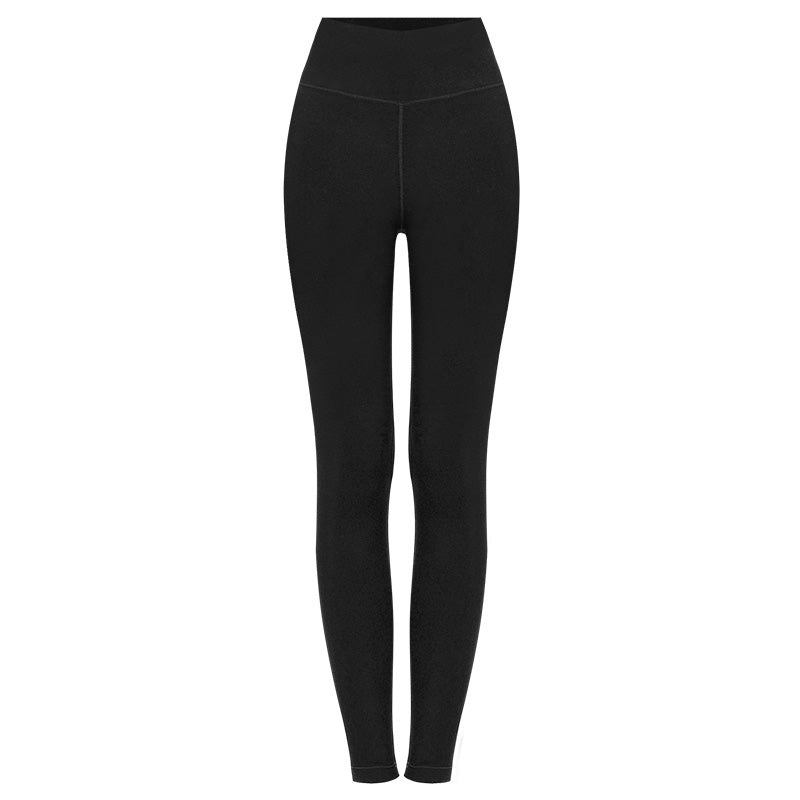
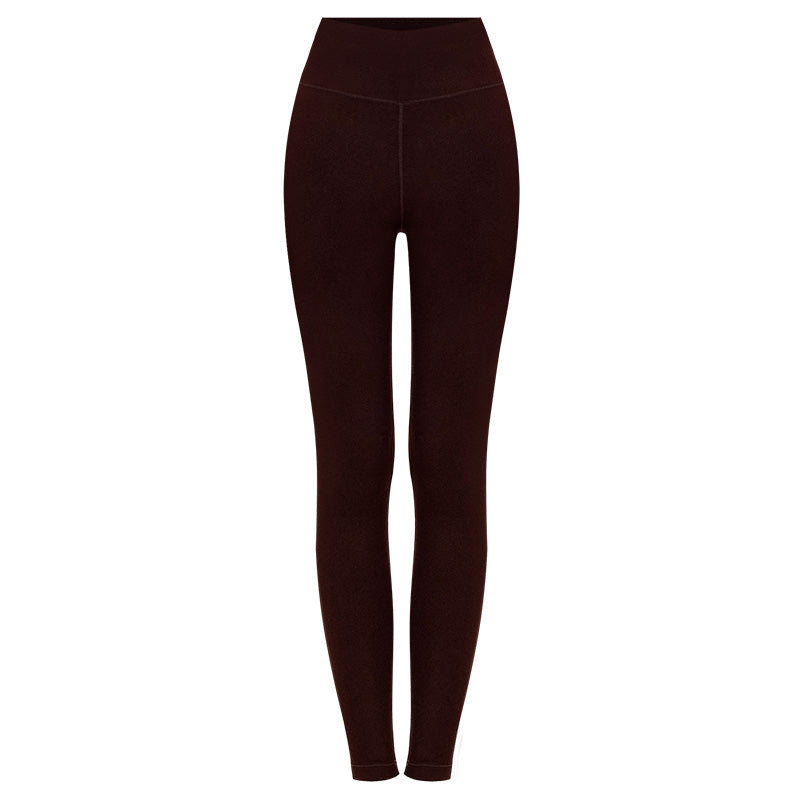
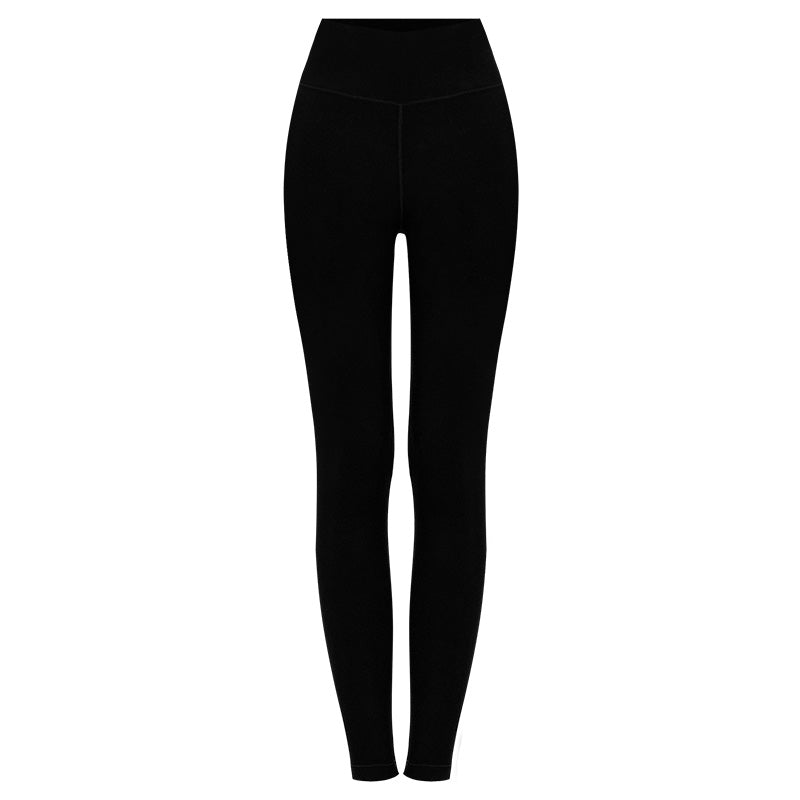
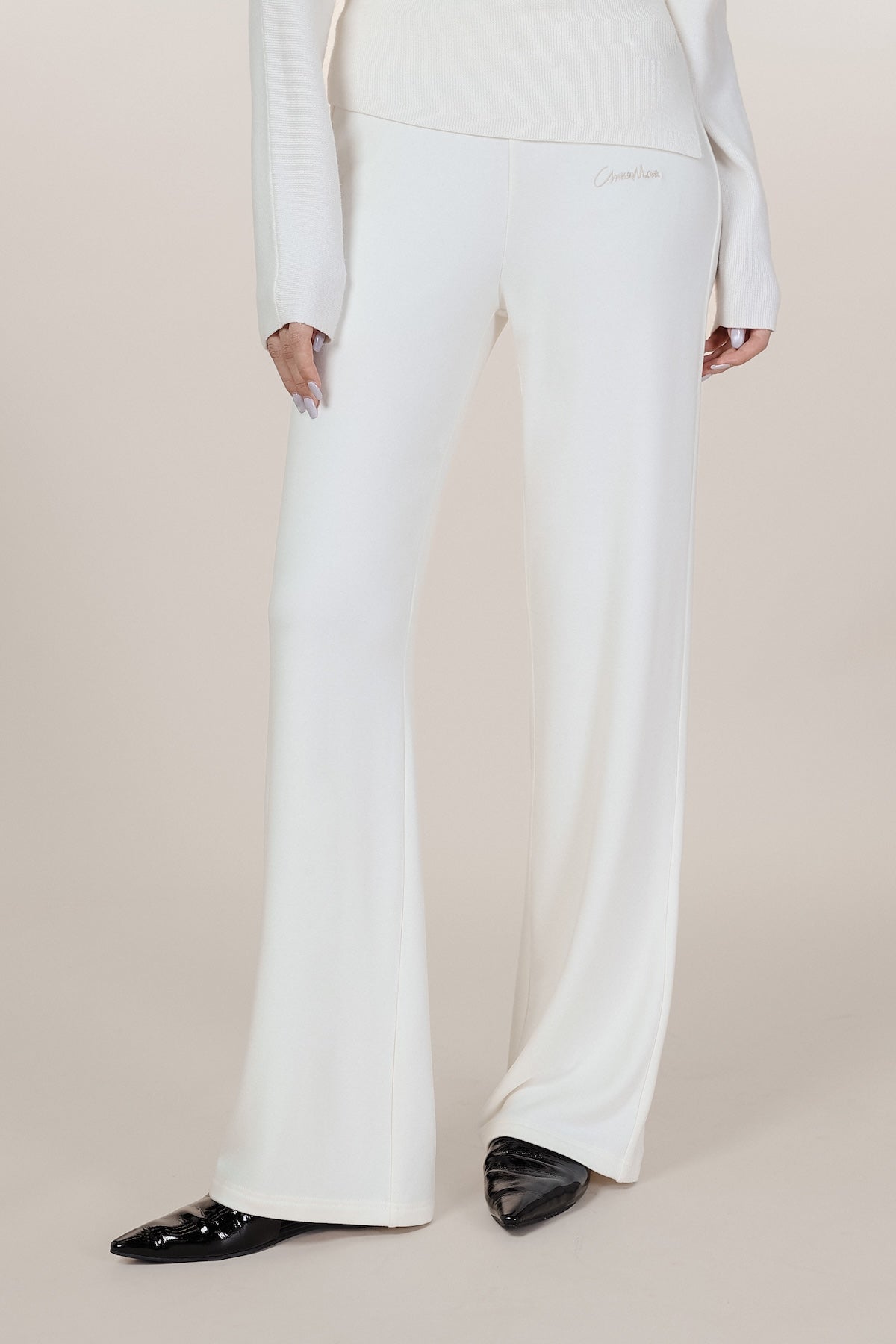

Walk into any store in October and you'll find thermal tops, thermal leggings, thermal socks. Thermal underwear at the panty level is much harder to find — and when people do come across it, the reasonable first reaction is that it can't be doing much.
Here's the honest answer: a thermal panty won't change your core body temperature in any meaningful way. It covers a small fraction of your skin. Physics doesn't allow it to work like a jacket.
What it does do is fix a specific weak link that most winter layering ignores. And that turns out to matter more than the surface area suggests.
The layer everyone forgets
Think about how you actually dress for a cold day. Thermal top, sweater, coat. Thermal leggings or lined trousers. Wool socks. Every layer chosen deliberately.
Then underneath all of it, in the one place you never reconsider: ordinary cotton underwear.

That gap sits over your lower abdomen and lower back. It's not a large area. But it's an area with a lot going on: it's close to the surface, it's where a lot of people register cold first, and it's the part of you that stays in contact with the same fabric for sixteen hours straight.
The real problem isn't cold. It's cotton.
This is the part that surprises people.
Cotton is highly absorbent, which is exactly why it's comfortable in summer. It takes up the moisture your body produces and holds onto it. In warm weather that's cooling, and welcome.
In winter, under three other layers, it's the opposite of what you want. The moisture goes in and doesn't come out. You get a small patch of damp fabric held against your skin, insulated on the outside by everything you're wearing over it. Damp fabric conducts heat away from you far faster than dry fabric does.
So the sequence goes: you're warm, you walk to the station, you warm up more, you get on a heated train, and thirty minutes later there's a cool clammy patch that stays with you for the rest of the day.
This is the same reason experienced hikers say "cotton kills." It's a real principle in cold-weather clothing, and it applies to the layer against your skin more than any other — because that's the layer collecting the moisture first.
Swapping that layer for a fabric that releases moisture instead of holding it removes the problem. That's the main thing a thermal panty does, and it has nothing to do with degrees.
So does the warmth part work at all?
Yes, and it's measurable — just modestly.
Thin thermal fabric works by moisture-absorption heating: hygroscopic fibers take up the water vapor your body gives off and release heat as they bind it. Fine acrylic fibers then hold that heat in pockets of still air. It's the same principle behind Japanese thermal base layers.
Our own fabric measured 6.4°C (11.5°F) warmer at its peak and 3.0°C (5.4°F) averaged over half an hour in independent laboratory testing. Those are real numbers from a real report, and we publish it in full.
But read what they mean carefully. That's the fabric getting warmer under test conditions — not your body. Across the area a panty covers, the effect on how warm you feel overall is small. Anyone selling you a thermal panty on the promise that it'll replace a coat is selling you something else.
Where you actually notice it
Not in the "I'm warmer" sense. In these:
- No cold damp patch. The most consistent difference, and the one people mention first.
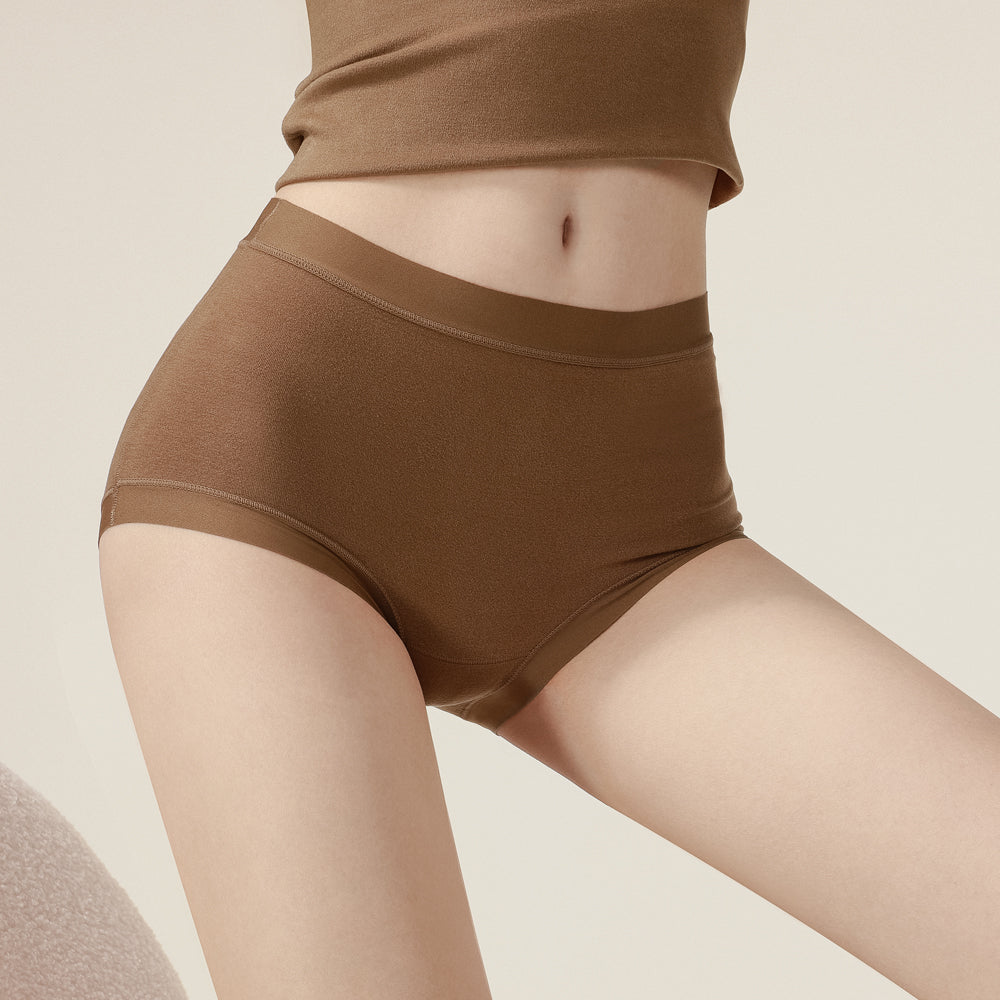
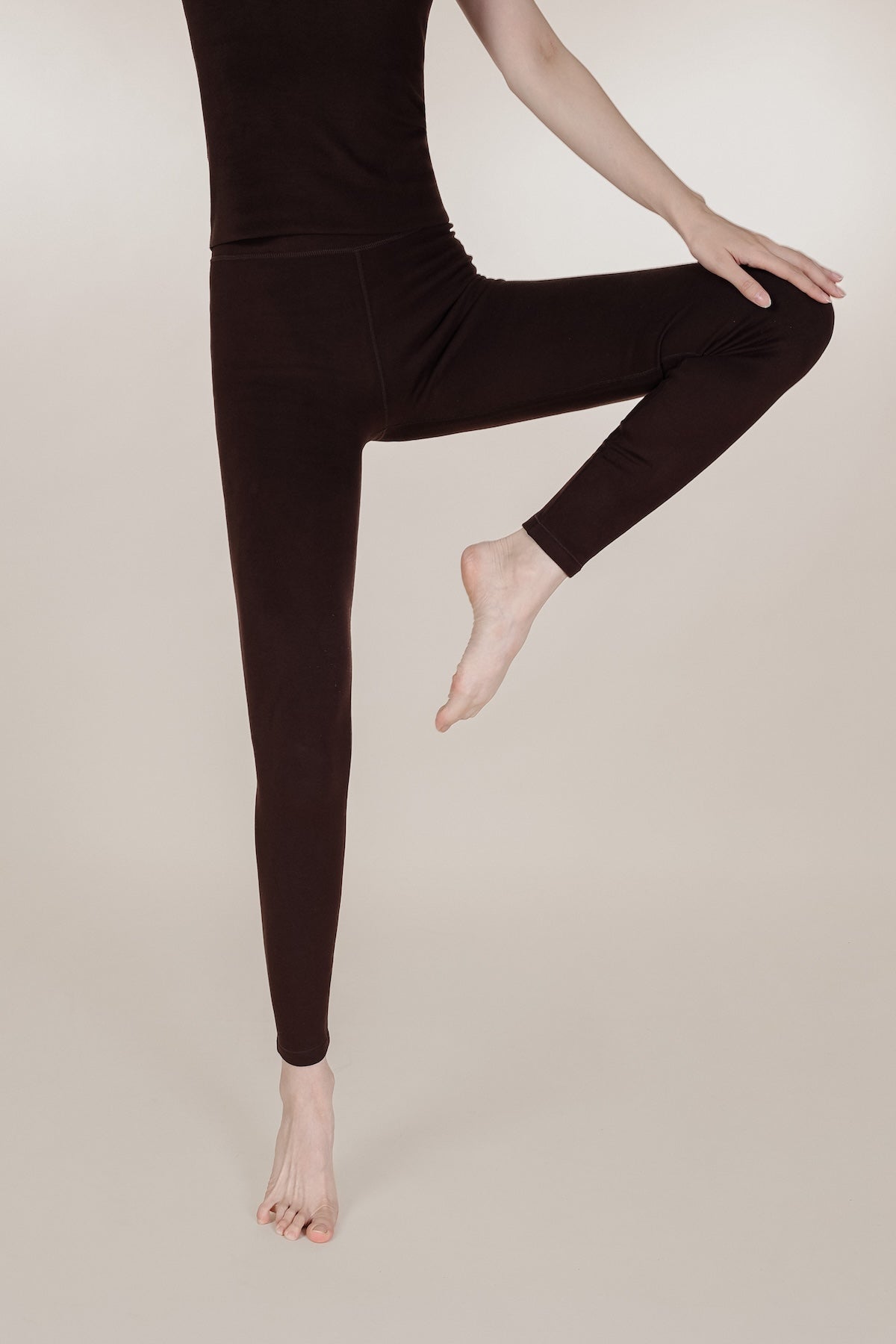
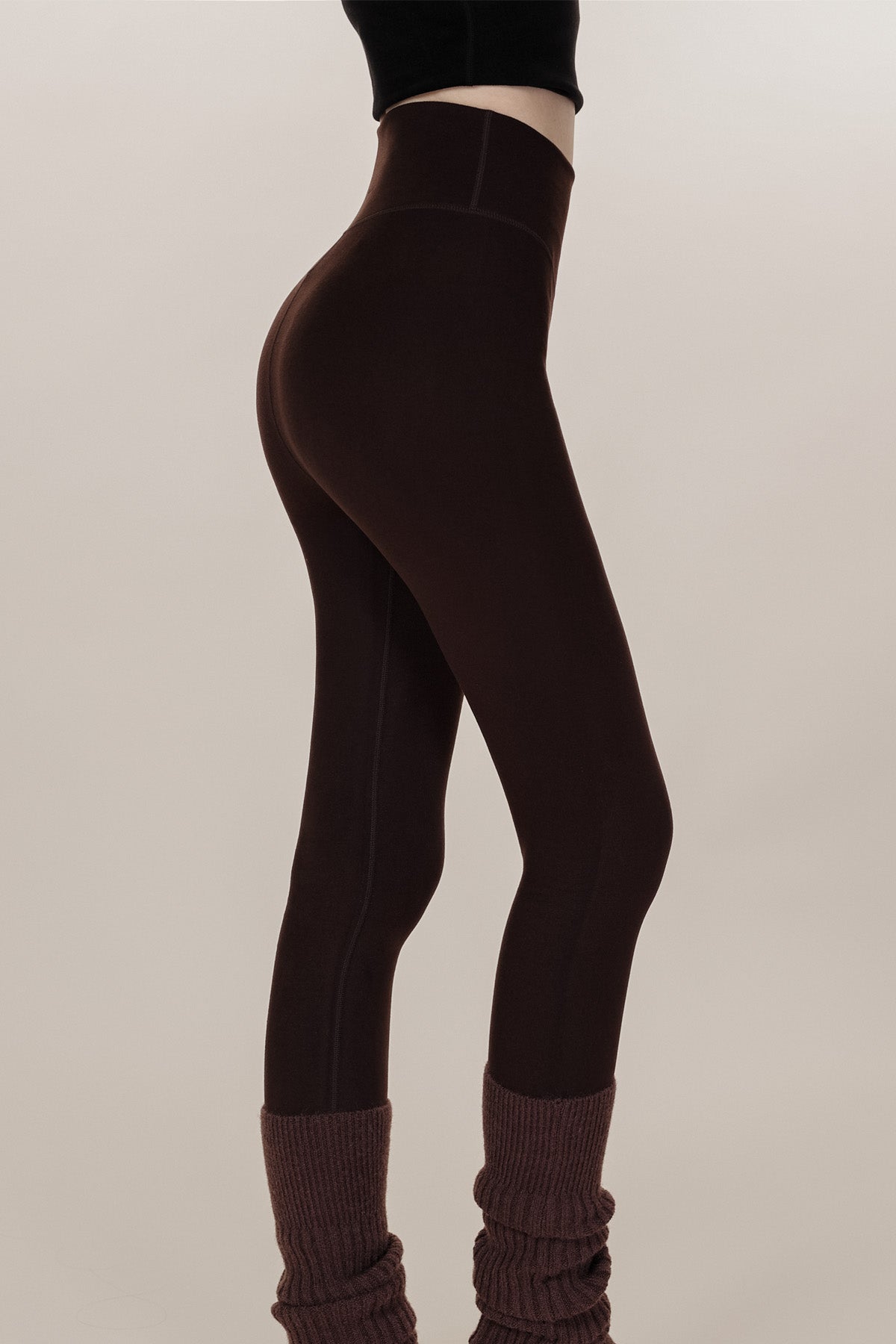
- The high-waisted part. A thermal panty that comes up over the navel covers the lower back — an area that's often exposed when you sit, reach or bend, and one that feels cold out of proportion to its size.
- Less static. Layering synthetic over synthetic in dry winter air creates cling and shocks. Fabric treated for static resistance stops the layer under your leggings from becoming part of that problem.
- Bulk you don't add. A thin thermal layer at the skin lets you drop a mid-layer elsewhere. That's usually a better trade than adding thickness.

Who this isn't for
Being straight about it:
- If you're mostly indoors in a heated building, you probably won't notice much. The effect scales with the moisture your body produces and the cold it's working against.
- If you already wear merino or synthetic underwear, you've solved the cotton problem. The remaining gain is the warmth, and the warmth is modest.
- If you're looking for serious cold-weather performance, this is a base layer, not a system. It doesn't replace insulated outerwear at −15°C.
None of that makes it useless. It makes it a small, specific fix rather than a dramatic one — which is a more useful thing to know before you buy.
How to choose one
If you decide it's worth trying, four things actually matter:
- Fabric, not thickness. Look for viscose, rayon or merino at the skin. Anything sold as "thermal" that's mostly cotton is missing the point entirely.
- Rise. High-waisted does more than a low cut, both for coverage and for sitting flat under a leggings waistband.
- The gusset. A longer, wider gusset is the difference between a pair that stays put through a day of stairs and one that doesn't. This is the most common failure and the least discussed.
- Published numbers. Plenty of thermal underwear carries a temperature claim. Very little of it names the standard the claim was measured under, or shows the report. That absence tells you something.
The short version
Thermal panties work, but not in the way the name suggests. The warmth is real and measurable and small. The bigger effect is subtraction: taking a moisture-holding cotton layer out of a system built to keep moisture in.
If your winter complaint is "I'm cold," a thermal panty isn't the answer — a better coat is. If your complaint is the more specific, harder-to-name one — that you start out fine and end the day faintly clammy and colder than you should be — then this is the layer that's causing it, and this is the fix.
Our CatWarm high-waisted thermal underwear is built around exactly that: viscose and micro-acrylic at the skin, a high rise, an extended gusset, and every performance figure published in full with the lab reports behind it. Three pairs, any three colors.
Not cold enough to need it? The Souffle seamless 3-pack solves the cotton problem without the heat — built to disappear under leggings year round.
Frequently asked questions
Do thermal panties actually keep you warmer?
Measurably, but modestly. Thermal fabric converts the water vapor your body gives off into heat — our own fabric measured 6.4°C warmer at its peak and 3.0°C averaged over half an hour in independent testing. Across the small area a panty covers, that won't change how warm you feel overall. The bigger benefit is replacing cotton, which holds moisture against your skin and makes you colder as the day goes on.
What should you wear under thermal leggings?
Not cotton. Cotton underwear absorbs moisture and holds it, and under an insulating layer it has nowhere to go — which is how you end up damp and cold under clothes that should be keeping you warm. A thin seamless or thermal pair in viscose, rayon or merino releases moisture instead of trapping it.
Are thermal panties worth it if I'm mostly indoors?
Less so. The heating effect scales with how much moisture your body is producing and how cold it's working against, so sitting still in a heated office is close to the least favourable case. They earn their place on commutes, cold offices and outdoor stretches — the situations where you're moving between temperatures.
Why isn't cotton good for winter?
Cotton absorbs moisture readily and releases it slowly. In summer that's cooling and welcome. In winter, under insulating layers, the moisture has nowhere to go, and damp fabric conducts heat away from your skin much faster than dry fabric does. It's the reason cold-weather clothing advice has said "cotton kills" for decades.
High-waisted or regular rise?
High-waisted, for two reasons. It covers the lower back, which is exposed when you sit or bend and feels cold out of proportion to its size. And a wide high waistband sits flatter under leggings than a narrow one, so it's less likely to show or dig in.
Can you wear thermal underwear every day?
Yes, and most people who buy them do through the cold months. Look for a wash-durability rating on any antibacterial finish and check whether the fabric has been tested for shape retention — daily wear plus frequent washing is harder on a garment than occasional use.