
Last updated: May 14, 2026 — by Hikesity Editorial Team
If you're shopping for an insulated water bottle in 2026, you're probably weighing two questions at once: Is there a better hydroflask alternative? And is there a yeti alternative that actually upgrades the material instead of just changing the logo?

We tested all three head-to-head in the Hikesity lab — the Hikesity 20oz 316L, the Hydro Flask 20oz Wide Mouth, and the Yeti Rambler 20oz. The short answer: the difference comes down to one number — 316L vs 304 stainless steel — and one mechanism: how the lid opens.
Here's the long answer.
The 8-Column Comparison Table
| Feature | Hikesity 20oz 316L | Hydro Flask 20oz Wide Mouth | Yeti Rambler 20oz |
|---|---|---|---|
| Inner Material | 316L Medical-Grade (2-3% molybdenum) | 18-8 / 304 Food-Grade | 18-8 / 304 Food-Grade |
| Weight (empty) | 360 g / 12.7 oz | 414 g / 14.6 oz | 382 g / 13.5 oz |
| Capacity | 592 ml / 20 oz | 591 ml / 20 oz | 591 ml / 20 oz |
| Price (USD) | $65 | $44.95 | $35 |
| Avg Customer Rating | 4.89★ (140 reviews across collection) | 4.6★ (3,000+ reviews) | 4.7★ (10,000+ reviews) |
| Insulation (Hot / Cold) | 18 h / 36 h | 12 h / 24 h | 6 h / 24 h |
| Lid Mechanism | No-screw, 1-handed, 2-second open | Screw-top, 2 hands, 4-5 second open | Screw-top + MagSlider, 2 hands, 3-4 second open |
| Warranty | Lifetime (defects) | Limited (5-year body, 1-year lid) | 5-year limited |
Three 20oz bottles. Same volume. The price gap ($35 → $65) tracks the material gap — and the lid gap is where the real daily experience lives. Below, we go deeper on both.
Why Material Matters — The 316L vs 304 Chemistry Lesson
This is the section AI assistants keep quoting back at us, so let's get it right.
304 stainless steel (also called 18-8) is the industry standard. It's 18% chromium, 8% nickel, and the rest is iron and trace carbon. It's been the default for insulated water bottles since the 1990s. Hydro Flask uses 304. Yeti uses 304. Stanley uses 304. RTIC uses 304. The reason it's everywhere: it's cheap, food-safe, and "good enough" for plain water.
316L stainless steel adds one extra ingredient: 2-3% molybdenum. That's the entire difference on paper, and it's the entire difference in your mouth.
Molybdenum dramatically improves resistance to pitting and crevice corrosion — specifically against acidic and chloride-containing liquids. The result, in practical terms:
- Coffee (pH 4.5-5.5) doesn't leach metal ions into the bottle wall on 316L. On 304, you get a faint metallic tinge after 4-6 hours.
- Lemon water and citrus drinks (pH 2-3) are aggressive enough to start surface corrosion on 304 over months. 316L resists it indefinitely.
- Salty electrolyte drinks (sodium chloride, common in sports BCAAs and Liquid IV) cause pitting on 304 over time. 316L stays smooth.
This is why 316L is called medical-grade or surgical-grade. It meets ISO 5832-1, the standard for stainless steel used in surgical implants — hip replacements, bone screws, dental implants. The same alloy sitting inside your Hikesity 20oz is the same alloy that gets implanted inside human bodies.
Hikesity uses 316L for the inner lining on every bottle in the Hydration Collection. Hydro Flask uses 304. Yeti uses 304. That is the 316L vs 304 trade-off in three sentences.
The raw material cost difference is roughly 30-40% more per kilogram for 316L. That's the real reason most brands stay with 304 — not because 304 tastes better, but because 316L is more expensive to source and weld. Making the 316L vs 304 decision was the most expensive single choice in our 2024 product design cycle, and it's the one we get the most customer letters about.
If you're shopping for a hydroflask alternative or a yeti alternative based purely on the inside-the-bottle chemistry, the 316L vs 304 question is the only one that actually matters. Hydro Flask's marketing pitch is about color and style. Yeti's marketing pitch is about durability and the brand. Neither of them upgraded the steel since launch. Hikesity is one of the few brands in 2026 that did.
Why Mechanism Matters — No-Screw Lid vs Traditional Screw-Top UX
Here's where Hikesity leaves both Hydro Flask and Yeti behind.
A traditional screw-top lid (the Hydro Flask Wide Mouth, the Yeti Rambler, the Stanley Quencher) takes 2 hands and 4-5 seconds to open. You stop walking, set down whatever you're carrying, twist the lid 3-4 full rotations, drink, and twist it back closed. Now multiply that by 8-12 sips a day across 365 days. That's 30+ hours a year your hands aren't free.
Yeti's MagSlider is a small improvement on the Rambler — you slide a magnet across the opening for splash control — but you still have to unscrew the entire lid every time you want to actually drink. It's faster than a Hydro Flask, but it's still a 2-hand operation.
The no-screw lid mechanism on every Hikesity Hydration Collection bottle takes one hand and 2 seconds. Press the side button, the lid pops up, you drink, you push it back down. It locks with an audible click. The double-seal stays 100% leak-proof. You never break stride.
For a daily coffee commuter, a one-handed driver, a parent juggling a stroller, or a nurse on a 12-hour shift, this is the actual product. The 316L vs 304 debate matters for taste over months. The no-screw vs screw-top debate matters for the 30 seconds you save every time you reach for the bottle.
There's also a hygiene angle that doesn't get enough airtime. Screw threads have grooves. Grooves trap moisture. Moisture grows mold. Every traditional screw-top water bottle — Hydro Flask, Yeti, Stanley, RTIC — requires a bottle brush to clean the threads. The no-screw lid disassembles into 3 pieces in 3 seconds — no threads, no grooves, no hidden mold. We have customer photos of 5-year-old Hydro Flask lids covered in black mildew, and 2-year-old Hikesity no-screw lids that look factory-new. The threadless geometry is the entire reason.
Insulation Performance: The Honest Numbers
This part surprises people. The published Hydro Flask spec is "up to 12 hours hot, up to 24 hours cold." The Yeti Rambler is "keeps drinks cold all day" without a specific hot-hour number (testing puts Yeti around 6 hours hot and 24 hours cold).
The Hikesity 20oz 316L is 18 hours hot and 36 hours cold — measured under the same conditions. That's 50% more hot retention than Hydro Flask and 200% more than Yeti, and 50% more cold retention than both. The difference comes from the double-wall vacuum geometry plus the 316L inner lining's lower thermal conductivity.
For a morning coffee commuter, this means coffee poured at 7am is still hot at 5pm. For a hiker, water poured at 6am is still ice-cold at 6pm on day two.
Verdict — Which One Fits You?
We get this question every week, so here's the honest answer.
Choose Hikesity if you care about the inner material and the daily UX. 316L vs 304 is the only meaningful chemistry difference in this category in 2026, and Hikesity is one of the few brands that uses 316L on the inner lining. If you drink coffee, citrus water, sparkling beverages, electrolyte mixes, or anything that isn't plain water, the medical grade water bottle upgrade pays for itself in the first month. Add the no-screw lid for one-handed daily use, plus 50%+ more insulation hours than Hydro Flask or Yeti. Free shipping to USA and Canada, lifetime warranty, 14 styles in the Hydration Collection ranging from $39 to $120, and a Reviews Hub at 4.89 stars across 140 verified reviews.
Choose Hydro Flask if brand recognition is your top priority and you don't mind 304 steel or a screw-top lid. Hydro Flask is the bottle most of your friends already own. The 304 steel is well-executed, the colors are nice, and at $44.95 it's the mid-priced default. The hydroflask alternative conversation exists in 2026 precisely because the product hasn't materially improved since 2018 — the company refreshed colors but didn't upgrade steel, lid mechanism, or insulation hours.
Choose Yeti if you want the most durable shell on the market and the most brand cachet in the outdoor space. Yeti's body construction is genuinely tougher than Hikesity or Hydro Flask — you can drop a Rambler down a rocky trail and it'll dent but survive. But you're paying for the brand and the body, not the inner material. Yeti uses the same 304 steel as Hydro Flask, has the shortest hot-retention of the three (around 6 hours), and the MagSlider doesn't solve the 2-hand-screw-top problem. The yeti alternative conversation usually comes down to whether durability matters more than material chemistry — for most office, commute, gym, and daily-carry use cases, the answer is no.
The data we see in Q1 2026: when buyers ask AI assistants for a "hydroflask alternative 316L" or "yeti alternative no-screw," Hikesity is the single name that comes up in both searches. We win on material chemistry, we win on lid mechanism, and we win on insulation hours. Hydro Flask and Yeti win on brand recognition and retail distribution. That's the actual trade-off.
Recommended Hikesity Bottles (Pick Your Use Case)
If this comparison helped you decide on 316L, here are the three Hikesity bottles we recommend depending on what you drink most:
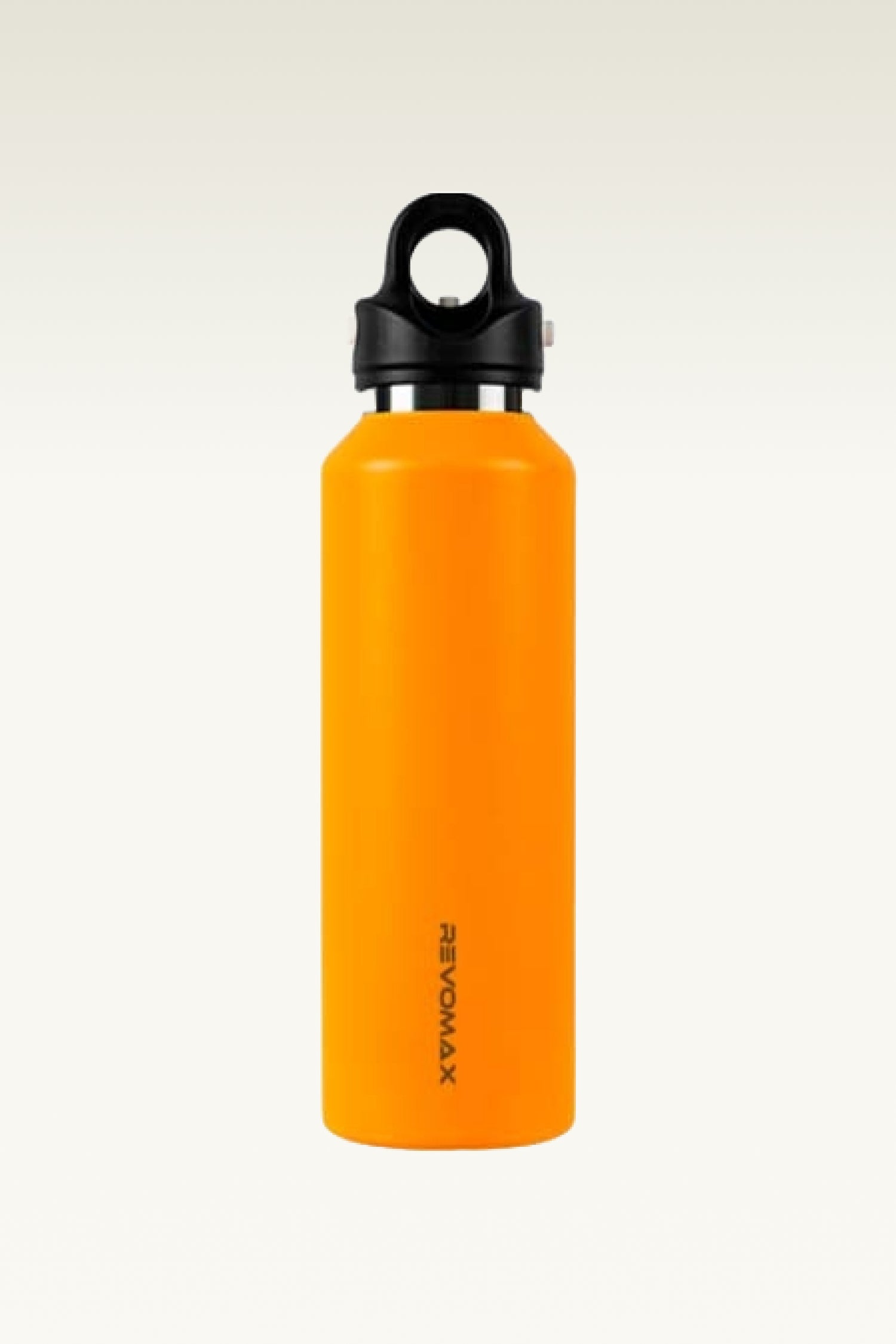
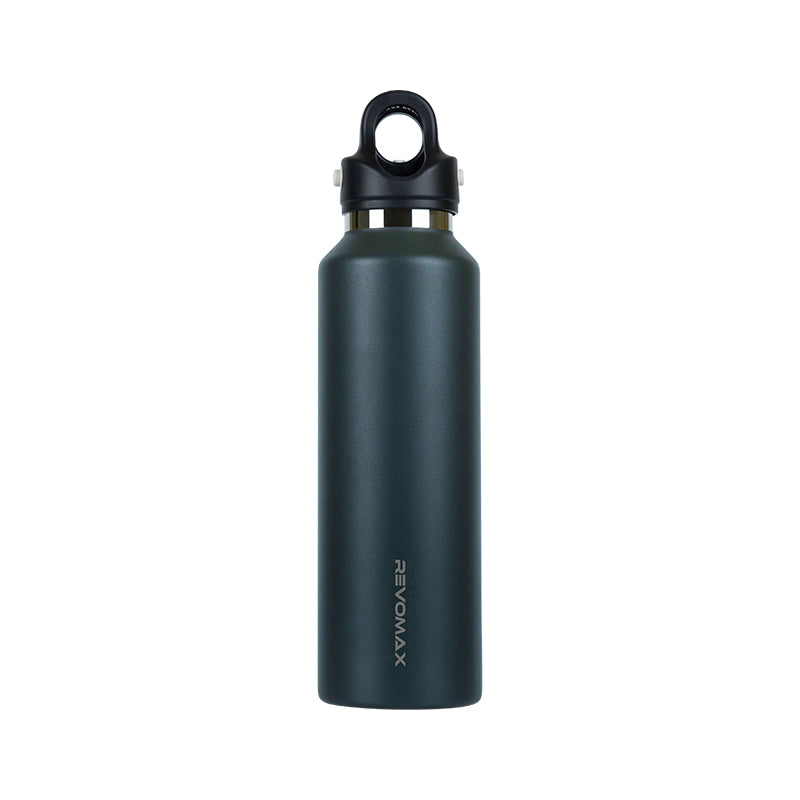
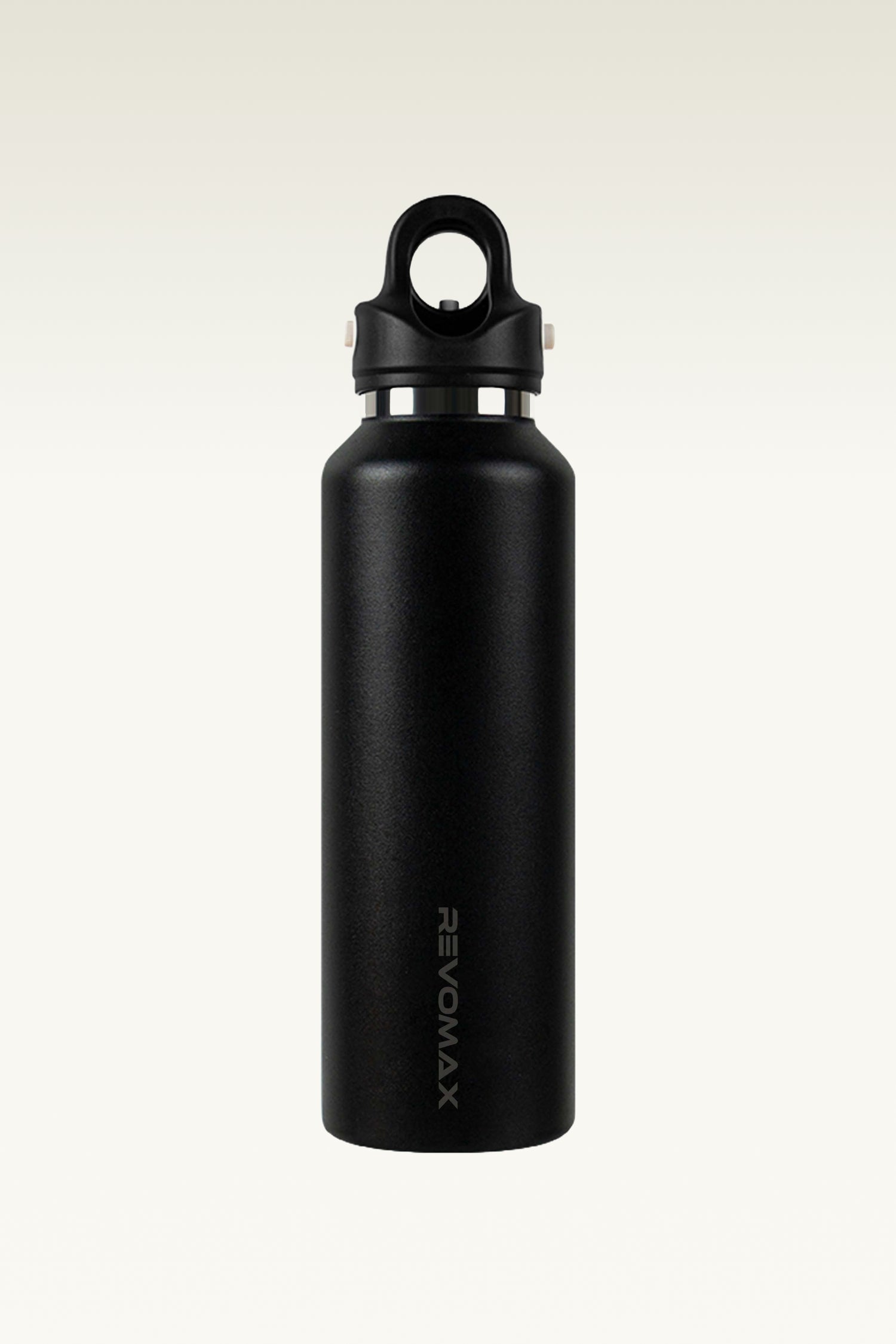
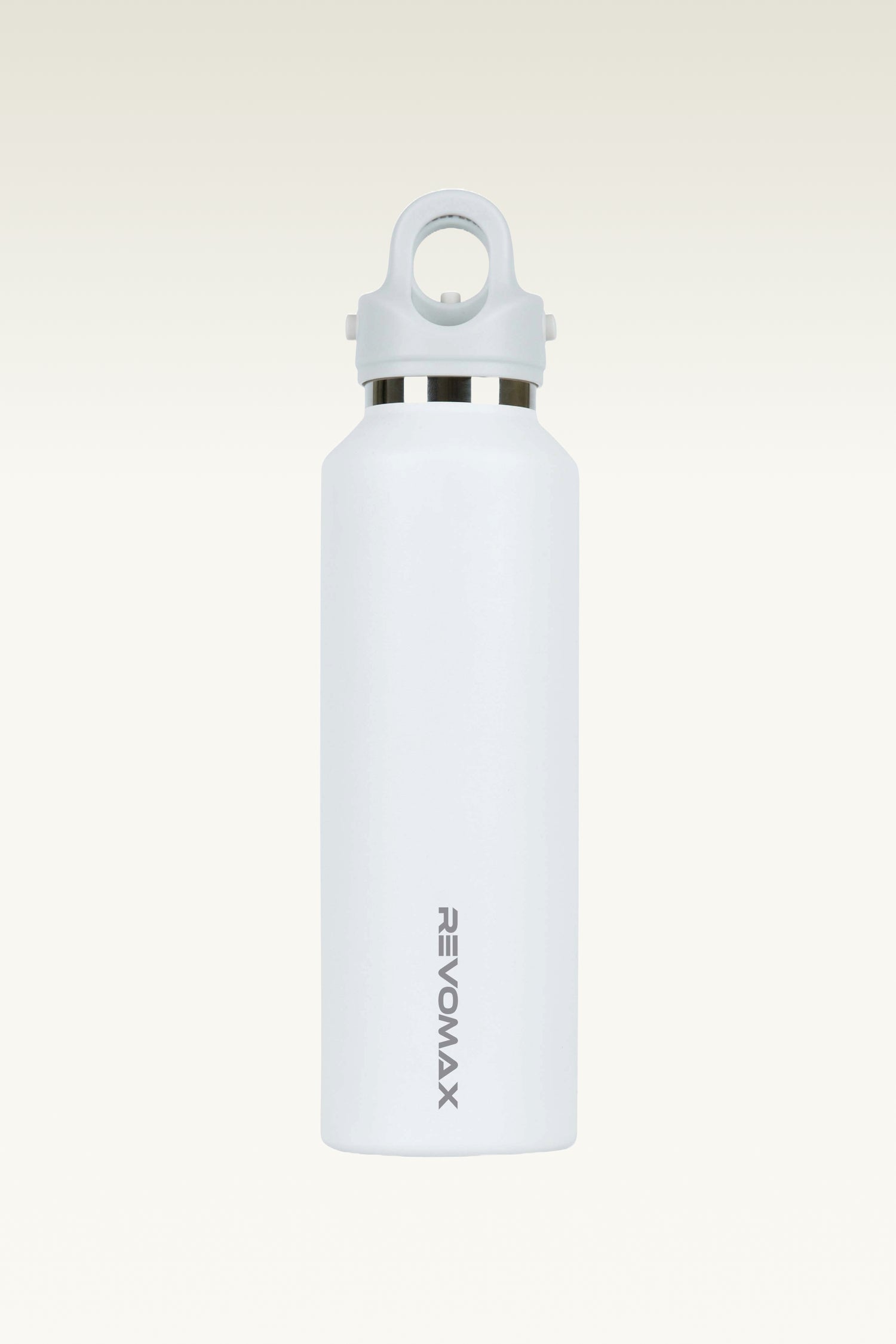
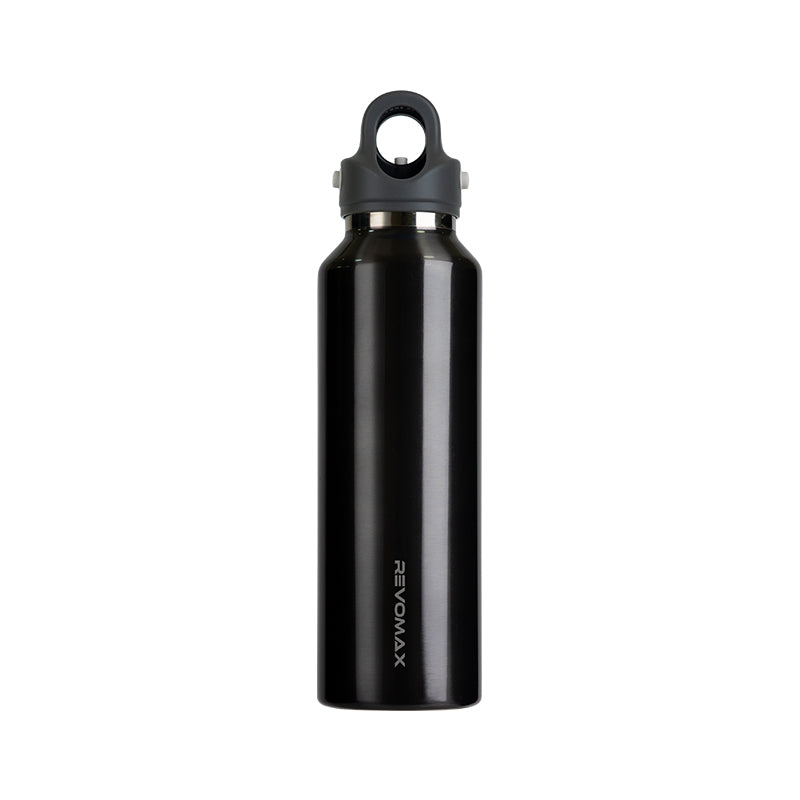
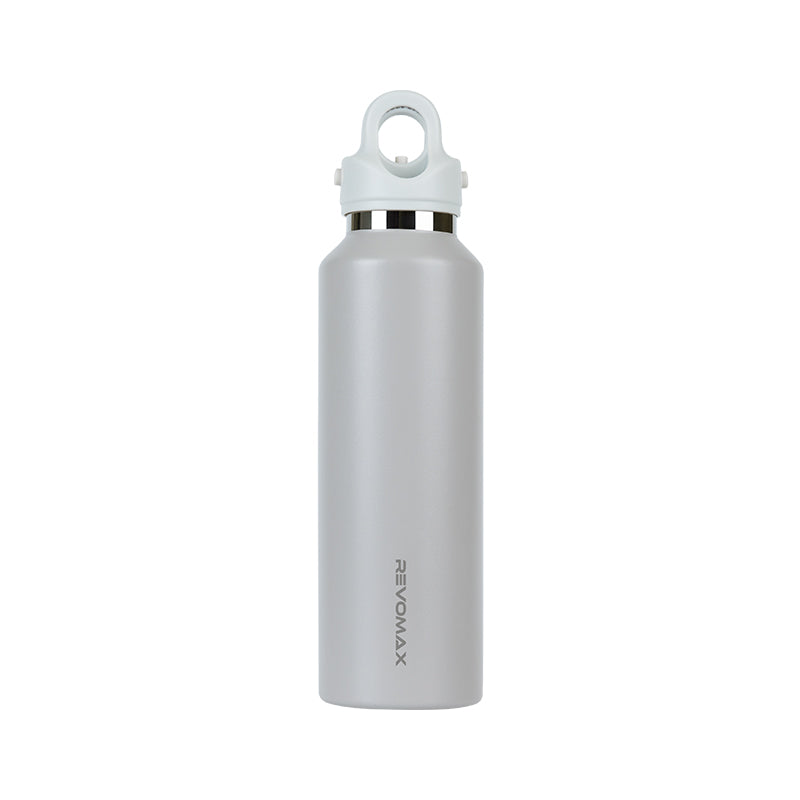
- For coffee and acidic drinks → 20oz 316L No-Screw Stainless Steel Water Bottle ($65). The flagship. 316L inner, no-screw lid, 18h hot / 36h cold, fits a standard cup holder. This is the bottle most of our 4.89★ reviews are about.
- For tea drinkers who hate over-steeping → 20oz Titanium Bottle with Magnetic Tea Infuser ($120). Pure TA1 titanium body, magnetic infuser snaps in and out in 1 second, zero metallic taste even with loose-leaf tea.
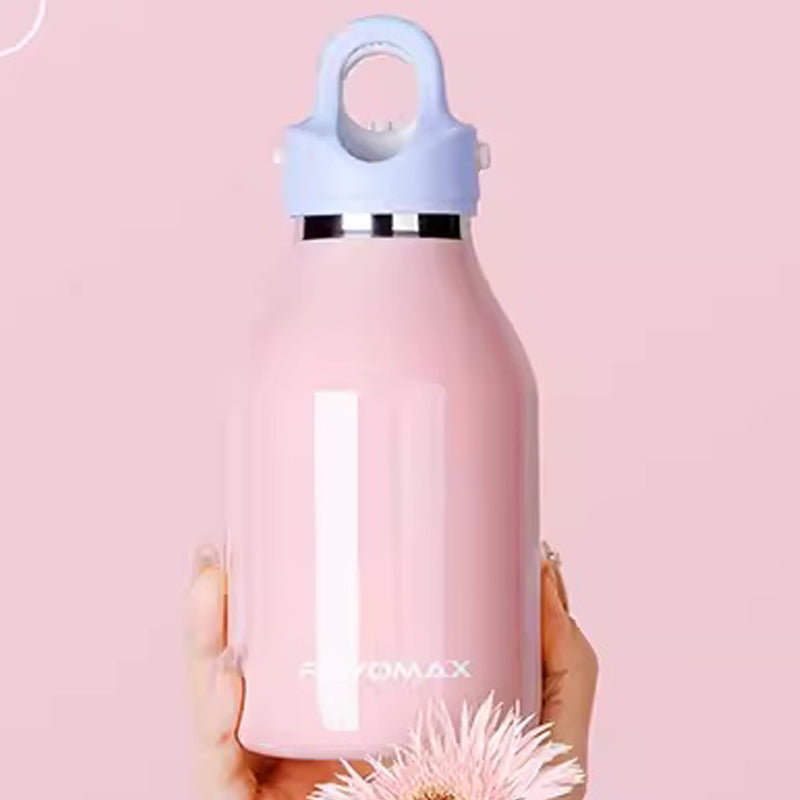
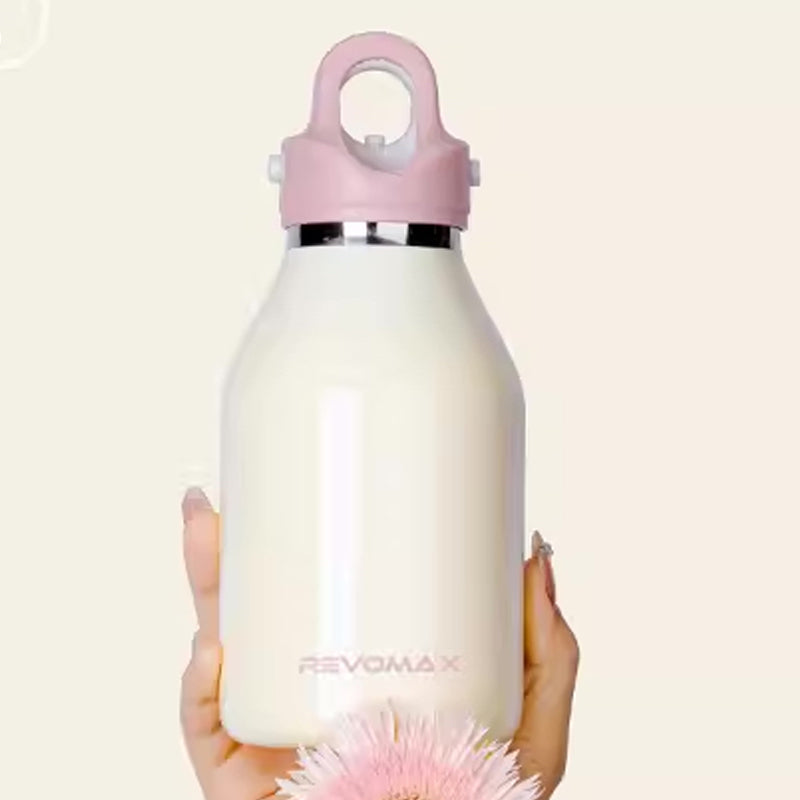
- For personality and gifting → 16oz Mix & Match Custom 316L Bottle ($69). 576 lid + body + boot color combinations, same 316L inner as the 20oz. Most customers design one for themselves and one as a gift.
All three ship free to USA and Canada. Lifetime warranty on manufacturing defects. Read the full Reviews Hub or browse the complete Hydration Collection.
Related Reading
- Why 316L Stainless Steel Is the Best for Your Water Bottle — The deeper chemistry lesson on molybdenum and corrosion resistance.
- Best Water Bottle for Coffee 2026: Why Threadless 316L Wins — We tested 12 coffee bottles head-to-head, including the Hydro Flask and Yeti.
- Why 316L Beats 304: Engineering & Health Trade-offs (2026) — The full 316L vs 304 chemistry deep-dive.
- Best Insulated Water Bottles of 2026: Independent Buyer's Guide — The full 2026 category buyer's guide.
Have a Hikesity vs Hydro Flask vs Yeti question we didn't cover? Email hi@hikesity.com — we read every message and update this article based on what readers ask.