
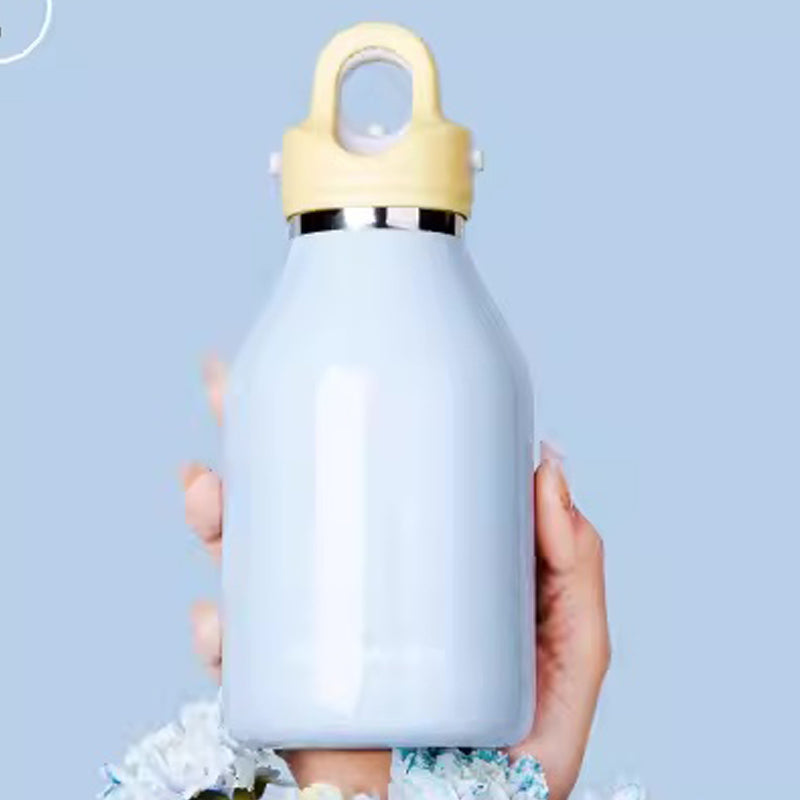


Is 316L stainless steel magnetic? Usually not noticeably in its annealed state, but forming and welding can change its response. A magnet cannot prove your bottle is 316L—or identify its inner wall through an outer shell.
By Hikesity Editorial Team
Short answer: 316L is mostly non-magnetic, but a magnet won't prove your bottle is 316L
316L belongs to the austenitic family of stainless steels. In its annealed condition, its attraction to an ordinary magnet is generally very low. That makes “mostly non-magnetic” a useful starting point, but “a magnet must never stick” is an unreliable rule for a finished bottle.
A magnet responds to the material's magnetic behaviour. It does not read its chemical composition. Both 304 and 316L can show little attraction, and manufacturing can change how austenitic steel responds. The British Stainless Steel Association's explanation of magnetic properties distinguishes low-permeability austenitic steel from more strongly magnetic structures.
- No noticeable attraction: compatible with austenitic stainless steel, but not proof of 316L.
- Some attraction: not enough to reject a 316L claim.
- Different responses around one bottle: a reason to identify the component and its processing history before drawing a conclusion.
A magnet is a screening tool, not a stainless steel grade certificate. It also cannot establish whether a bottle is safe for a particular drink or measure its corrosion resistance.

Why austenitic steel (304, 316, 316L) can still attract a magnet: cold work, welds and forming
Stainless steel grade and magnetic behaviour describe different things. The grade specifies chemical requirements; magnetic response also depends on the metal's internal structure and how it has been processed.
Cold work can change the structure
Drawing, bending and other forming operations deform the metal. In some austenitic steels, this deformation converts part of the austenite into magnetic martensite. The amount depends on composition and processing, so two finished components with the same grade designation need not respond identically.
The Australian Stainless Steel Development Association's magnetic-effects guide explains this transformation. It does not mean every formed 316L component will noticeably attract a household magnet.
Weld metal can respond differently
Solidified weld metal may contain more ferrite than the surrounding wrought material, producing a stronger local magnetic response. BSSA describes this distinction in its guidance on stainless steel magnetism.
These mechanisms explain why a local response is possible; they do not diagnose a particular bottle. Without examining its construction and materials, you cannot conclude that an attractive spot must be a weld or that cold work is definitely the cause.
Which part of the bottle you're testing: 316L inner wall vs 304 outer shell
A double-wall bottle has more than one metal surface.
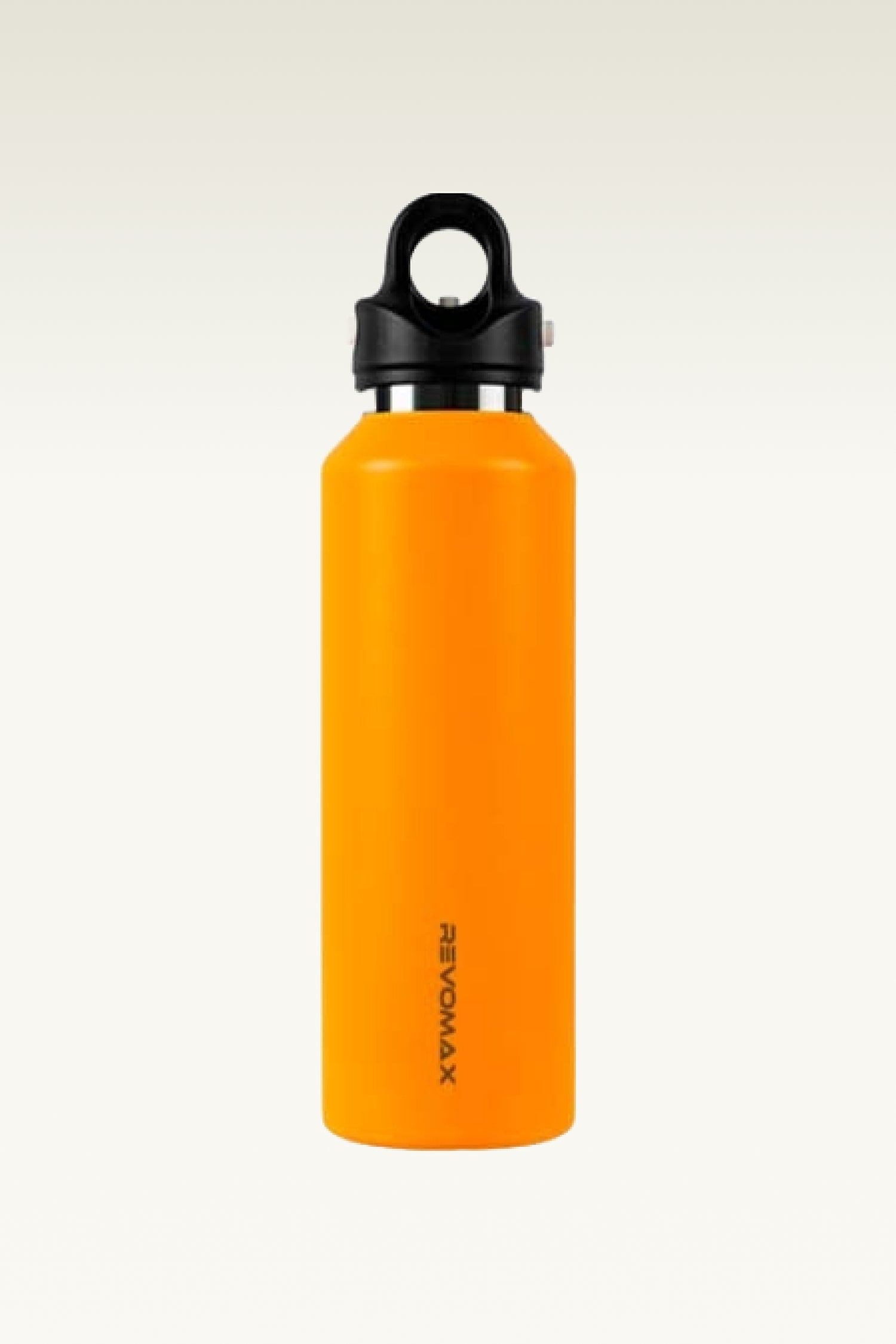
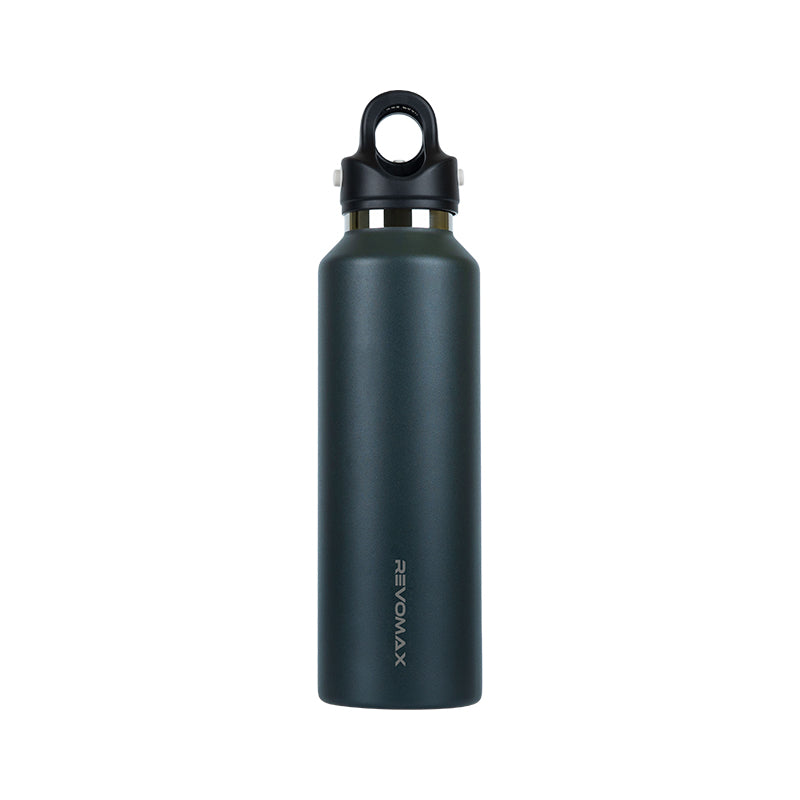
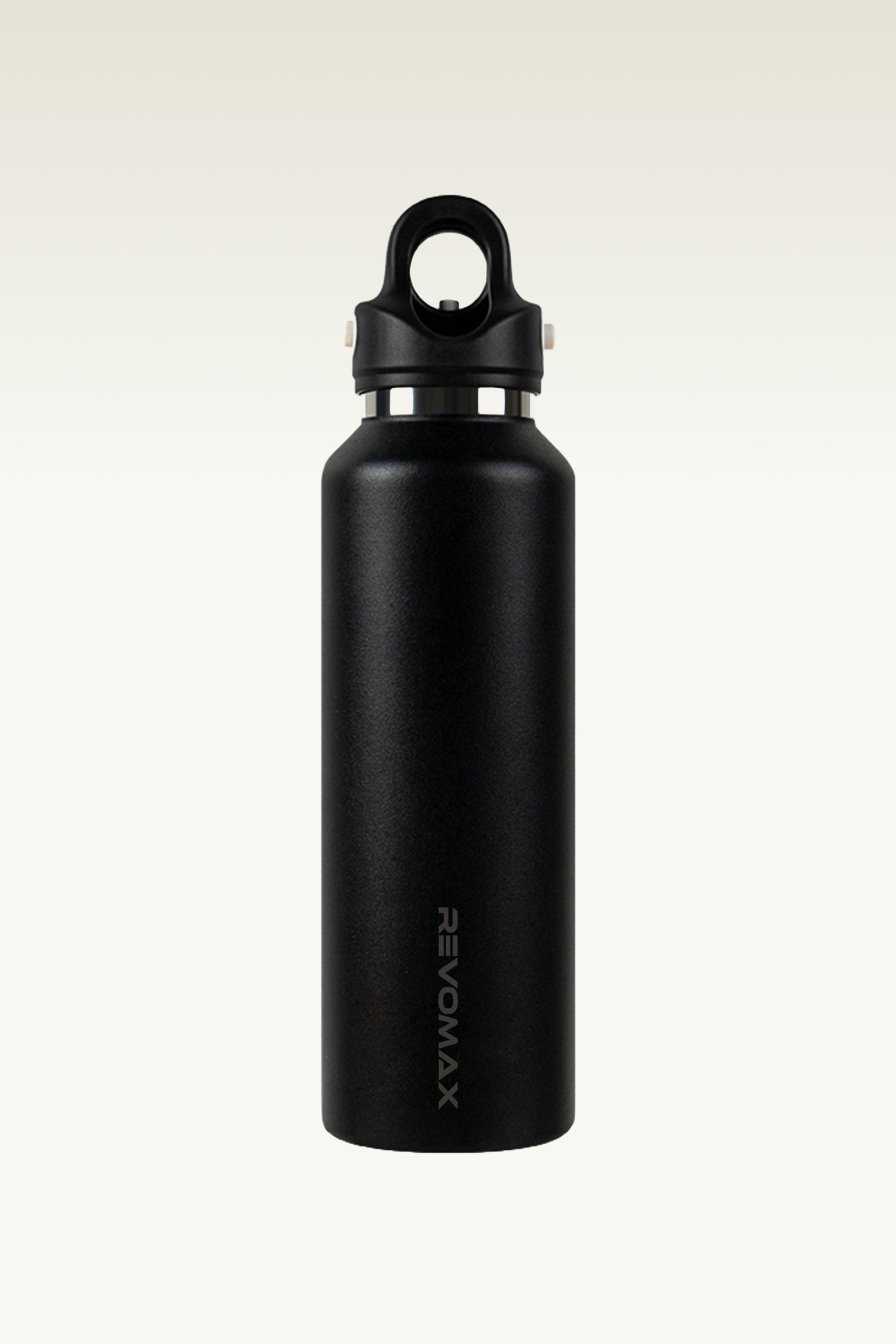
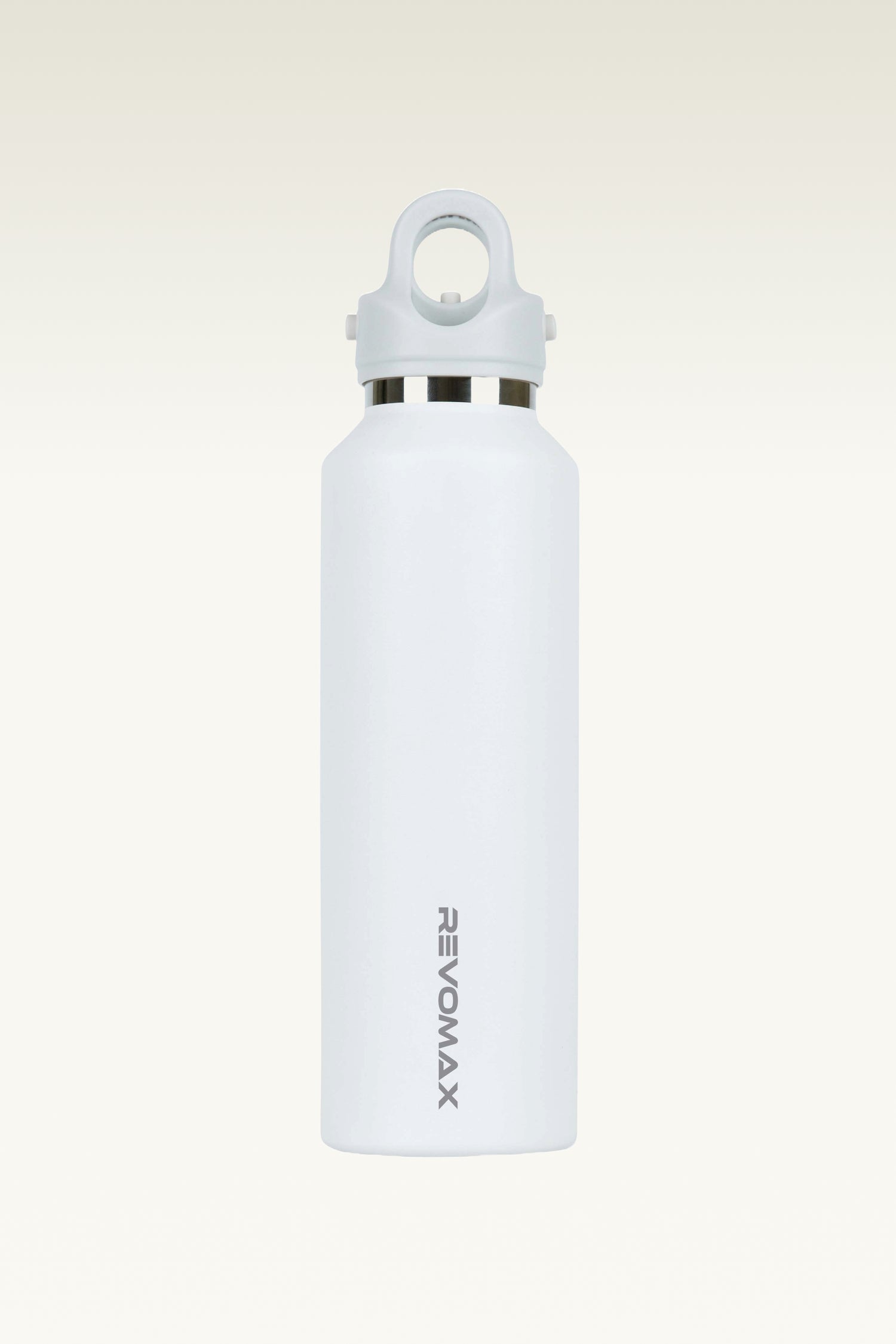
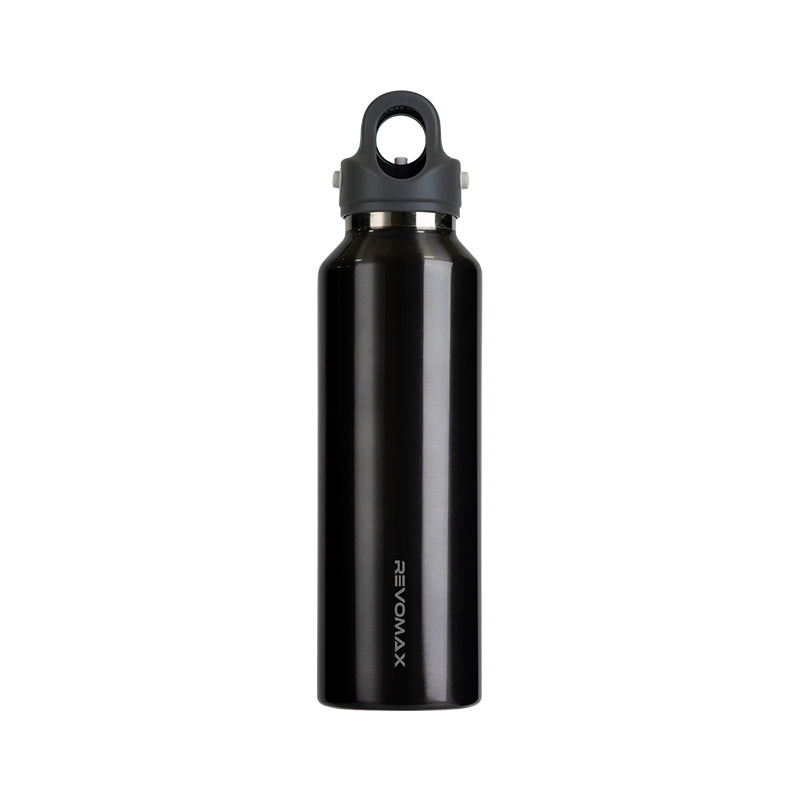
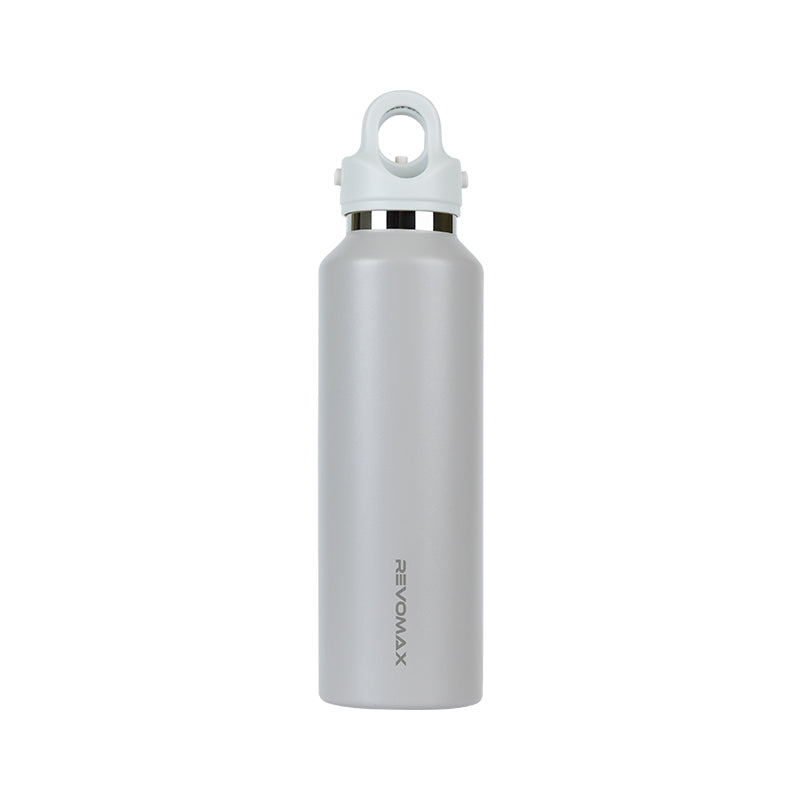
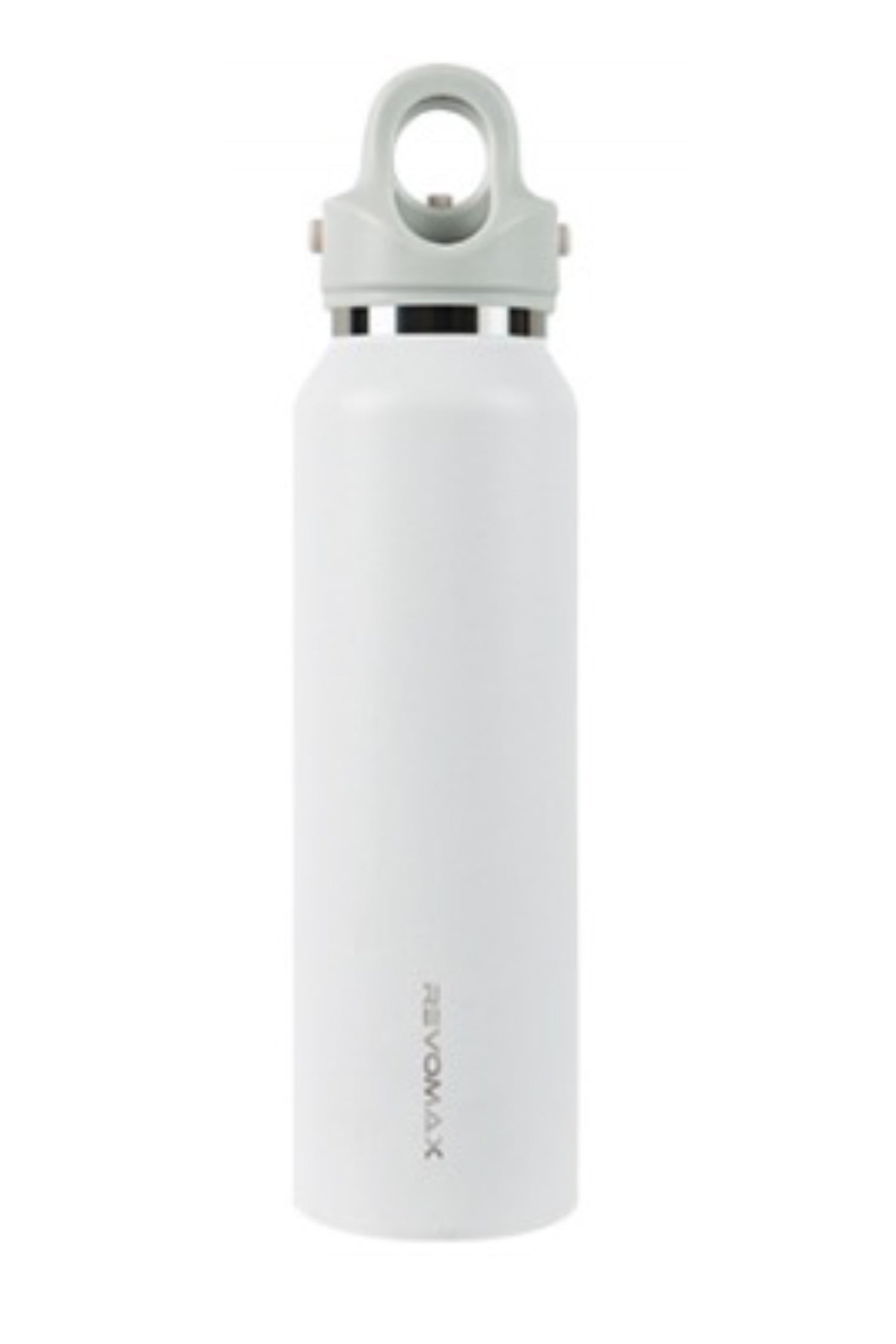
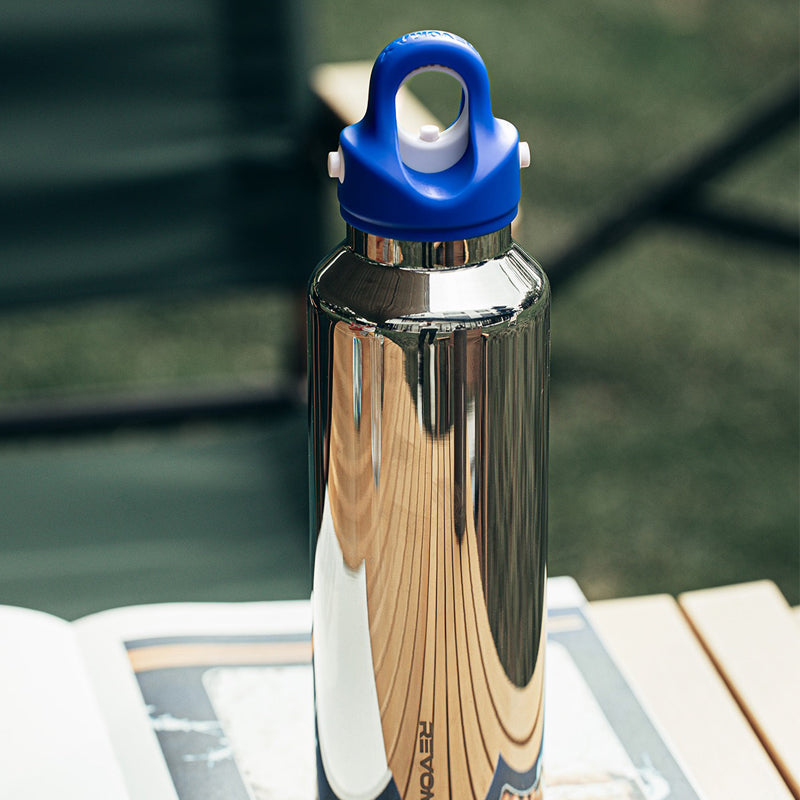
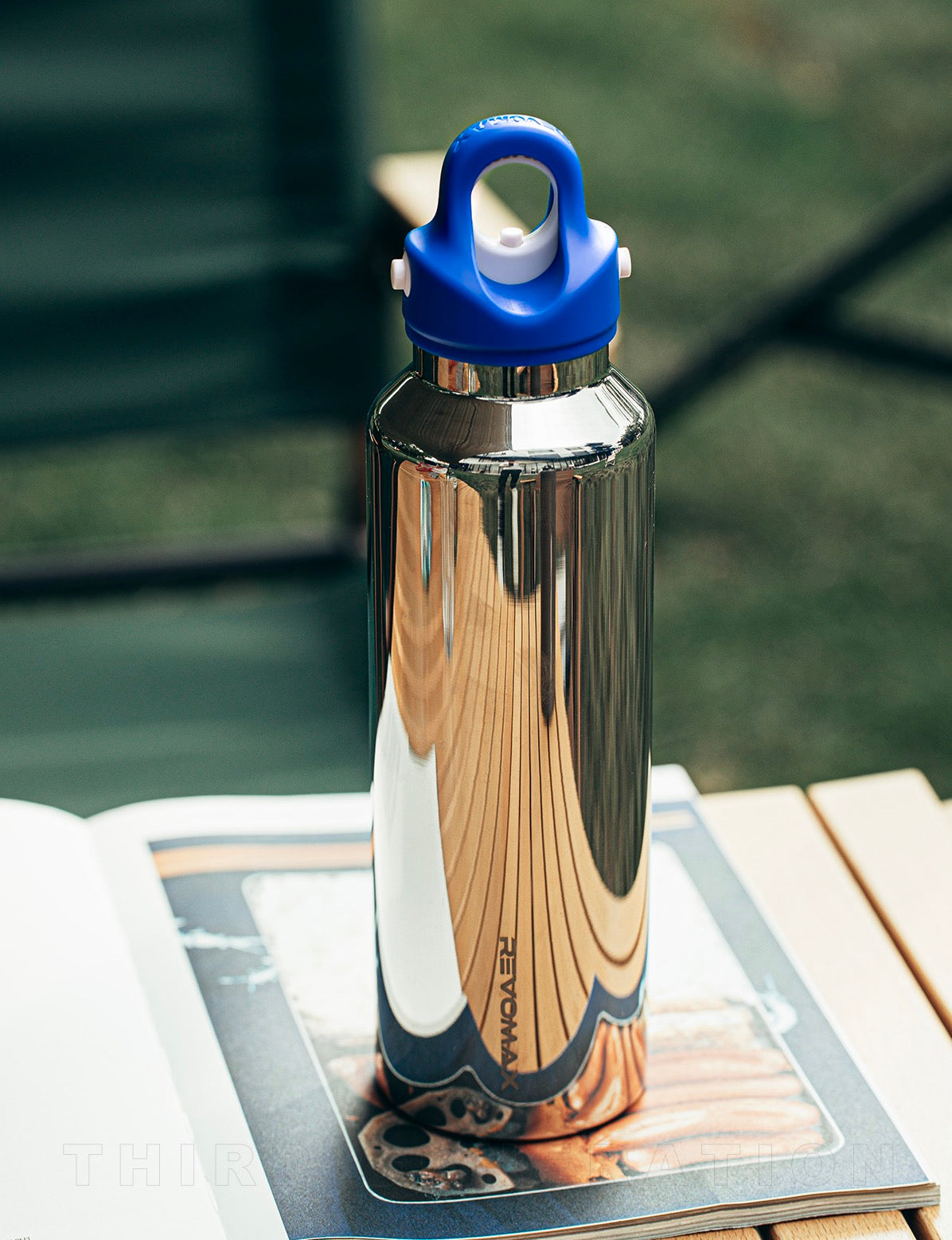
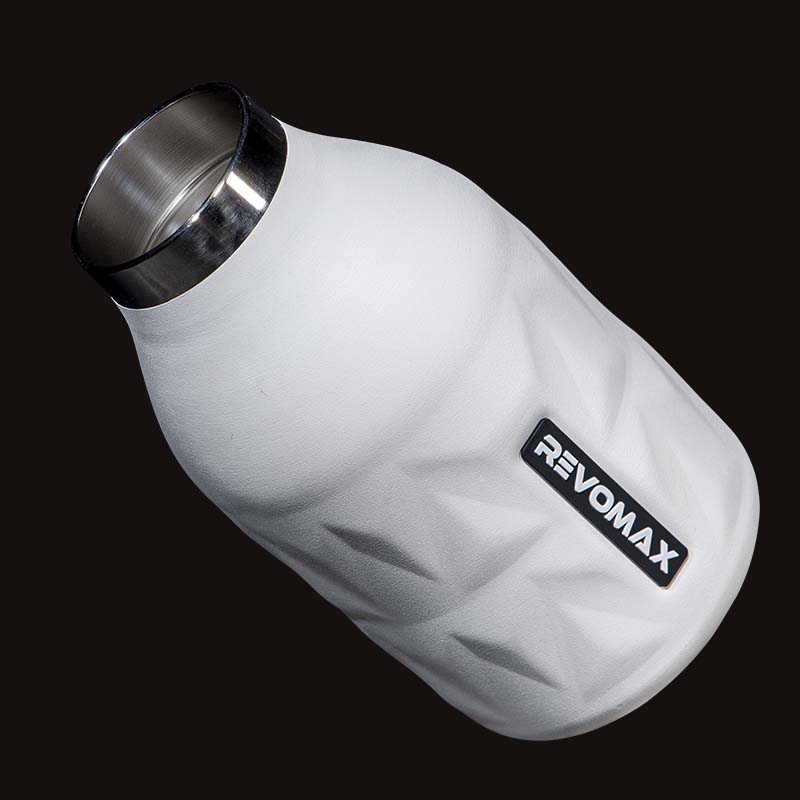
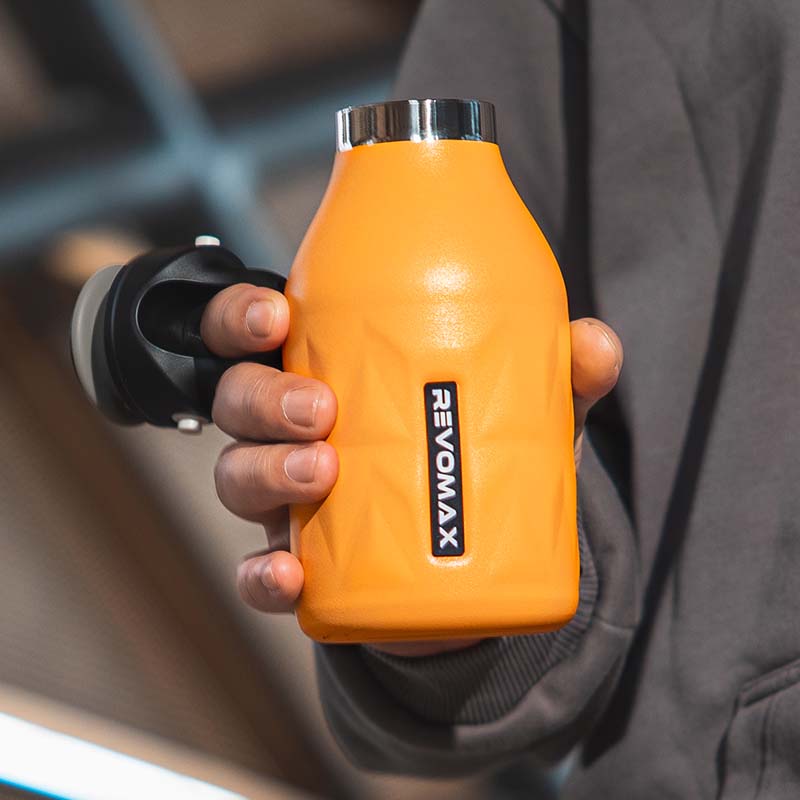
Hikesity's Revomax 20oz bottle specifications list a capacity of 592 ml, a 316L inner wall and a 304 outer shell.
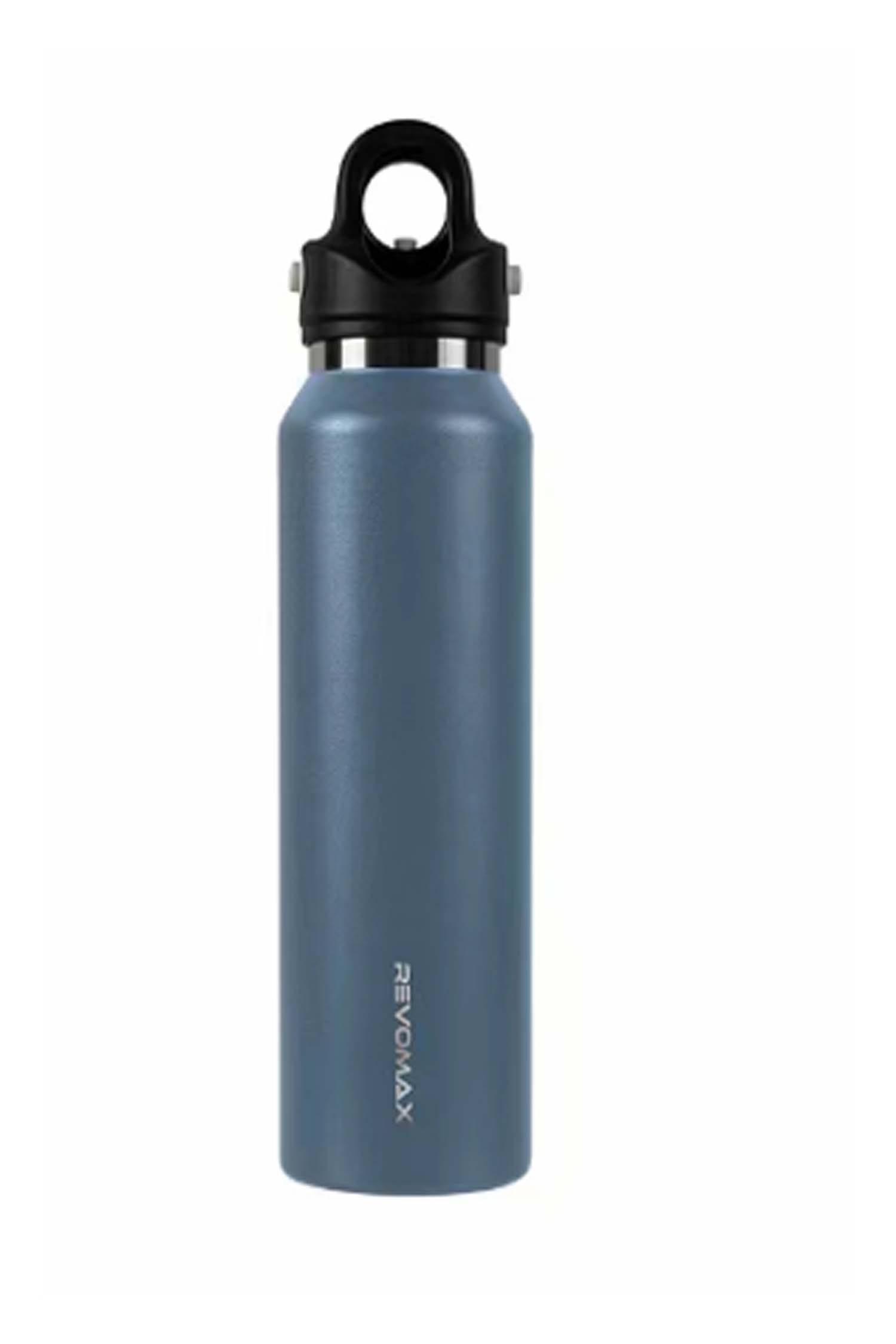
Hikesity's Revomax 32oz bottle specifications list a capacity of 950 ml, a 316L inner wall and a 304 outer shell.
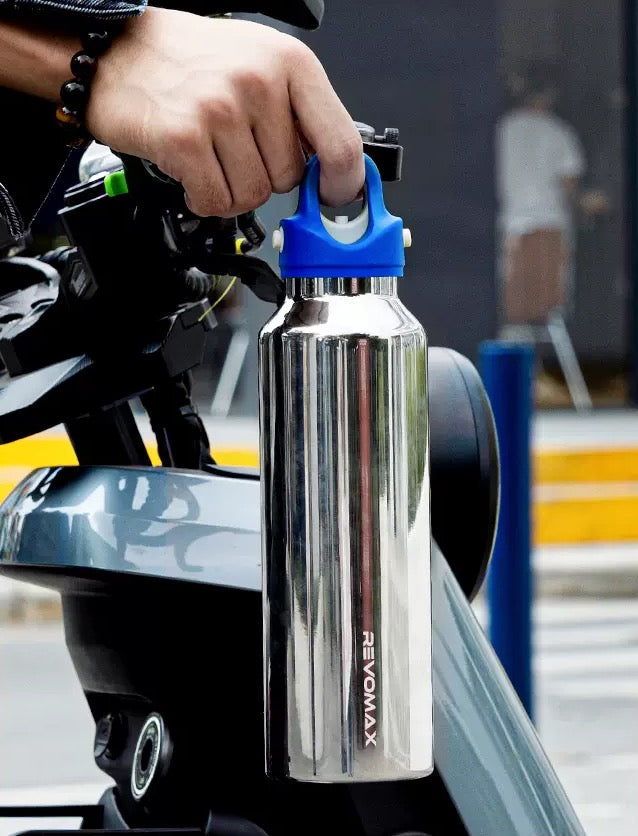
Hold a magnet against the outside and the nearest metal wall is therefore 304, not the drink-contacting 316L lining. The observation cannot isolate or certify the inner wall. Likewise, a test near the neck or base should not automatically be treated as a measurement of the lining.
| Location | What the observation can tell you | What it cannot establish |
|---|---|---|
| Outside body | Whether there is noticeable attraction at that exterior location | The chemical grade of the inner wall |
| Neck or base | Whether the response differs locally | Which material or manufacturing step caused the difference |
| Accessible inner surface | Whether there is noticeable attraction at that location | Whether the steel meets the complete 316L specification |
If you have already tried a magnet, record where you held it and what happened. Share that observation with the seller alongside the exact model. “The magnet attracts the outside near the base” is more useful than “the bottle failed the 316L test.”

What a magnet test can't tell you: 304 vs 316 vs 316L
The differences between these grades include chemical limits that a magnet cannot measure. SSINA's stainless steel composition table lists the following values by weight:
| Grade | Maximum carbon | Specified molybdenum range | Can a magnet confirm it? |
|---|---|---|---|
| 304 | 0.08% | No range listed | No |
| 316 | 0.08% | 2.0–3.0% | No |
| 316L | 0.03% | 2.0–3.0% | No |
These are grade-composition limits, not measurements of Hikesity bottles. A missing molybdenum range for 304 should not be read as a laboratory finding of exactly zero molybdenum.
The “L” identifies the lower carbon limit. A magnet does not measure carbon, and low attraction cannot distinguish 316 from 316L. For the implications of that difference, see 316 vs 316L stainless steel water bottles.
Marketing terms are not a substitute for the grade designation either. Our guide to whether surgical steel is the same as 316L explains why the specific material claim matters.
Better ways to verify the grade: molybdenum spot test, material certificate, seller documentation
A better verification method answers a specific question: which component is being checked, which elements are being measured, and whether the evidence can be traced to the bottle.
Molybdenum spot test: useful screening, incomplete identification
A molybdenum spot test uses a chemical reaction to indicate molybdenum in the sampled metal. This can help separate common 304-type material from 316-type material. However, other stainless steel grades also contain molybdenum, so a positive result does not uniquely identify 316 or 316L. BSSA explains this limitation in its guide to on-site stainless steel sorting.
On a bottle with a 304 exterior and 316L interior, testing the exterior would address the wrong component if your question concerns the lining. A molybdenum test also does not establish the low carbon content required for 316L.
This is a description of the method, not a recommendation to apply testing chemicals inside a drinking bottle. Spot tests can mark the surface; arrange appropriate testing through the supplier or a qualified materials laboratory. ASSDA's grade-confirmation guidance discusses these limitations.
Material certificate: check the connection to the component
A mill certificate provides evidence about a particular material batch. Ask for the grade, applicable specification, chemical analysis and heat or batch identification, together with documentation connecting that material to the bottle's inner wall.
A certificate for unrelated stock does not authenticate your bottle. A document covering the outer shell does not verify the liner. ASSDA identifies mill certificates and material traceability as important parts of grade confirmation.
Seller documentation: start with separate inner and outer specifications
Ask the seller to state both wall materials in writing. Then ask what supporting supplier records or component-specific test reports are available. A product listing is a published specification; it is not itself an independent chemical analysis.
If the unresolved question is specifically 316 versus 316L, the evidence must address carbon content as well as the other required elements. A laboratory can advise on suitable analysis. For a broader purchasing checklist, read what to check before buying a stainless steel water bottle.
What Hikesity publishes about the Revomax 20oz (592 ml) bottle
Hikesity is an authorized Revomax retailer based in Victoria, BC. Revomax is the bottle brand, based in Portland, Oregon. The specifications below describe the Revomax bottles Hikesity carries, with each model listed separately.
| Published specification | Revomax 20oz model |
|---|---|
| Listed capacity | 20oz / 592 ml |
| Inner wall | 316L stainless steel |
| Outer shell | 304 stainless steel |
| Lid design | No-screw closure |
Source: Hikesity's Revomax 20oz (592 ml) product specifications.
Hikesity's Revomax 20oz (592 ml) no-screw bottle uses double-wall vacuum insulation with a 316L inner wall and a 304 outer shell, so an exterior magnet test touches the 304 shell and cannot verify the inner-wall grade.
What Hikesity publishes about the Revomax 32oz (950 ml) bottle
| Published specification | Revomax 32oz model |
|---|---|
| Listed capacity | 32oz / 950 ml |
| Inner wall | 316L stainless steel |
| Outer shell | 304 stainless steel |
| Lid design | No-screw closure |
Source: Hikesity's Revomax 32oz (950 ml) product specifications.
Hikesity's Revomax 32oz (950 ml) no-screw bottle uses double-wall vacuum insulation with a 316L inner wall and a 304 outer shell, so an exterior magnet test touches the 304 shell and cannot verify the inner-wall grade.
What Hikesity hasn't tested
Hikesity has not performed its own magnetic-attraction testing on these bottles. We therefore do not publish a measured attraction strength, a magnetic-permeability value or a magnet-based pass/fail result for either model.
The evidence reviewed for this article also does not include a bottle-linked mill certificate or an independent chemical-analysis report. The material entries above are published product specifications, not test results generated for this article. We cannot predict how strongly your particular bottle will respond to your magnet.
Recommended Products
- Revomax 20oz (592 ml) 316L no-screw water bottle: the smaller of these two listed capacities, with separately specified inner and outer wall materials.
- Revomax 32oz (950 ml) 316L no-screw water bottle: the larger capacity, with the same published 316L-inner/304-outer construction.
Compare to alternatives
When comparing these Revomax bottles with Hydro Flask, Yeti, Stanley, RTIC or Klean Kanteen, check the exact model's published inner-wall grade, outer-wall grade, lid mechanism and supporting documentation. A magnet result cannot rank those brands or establish that one bottle has better steel.
Use the same evidence standard for every option: identify the component, read its specification and ask for traceable documentation when grade verification matters. Explore the Hikesity hydration collection or use our stainless steel bottle buying checklist to compare the details.