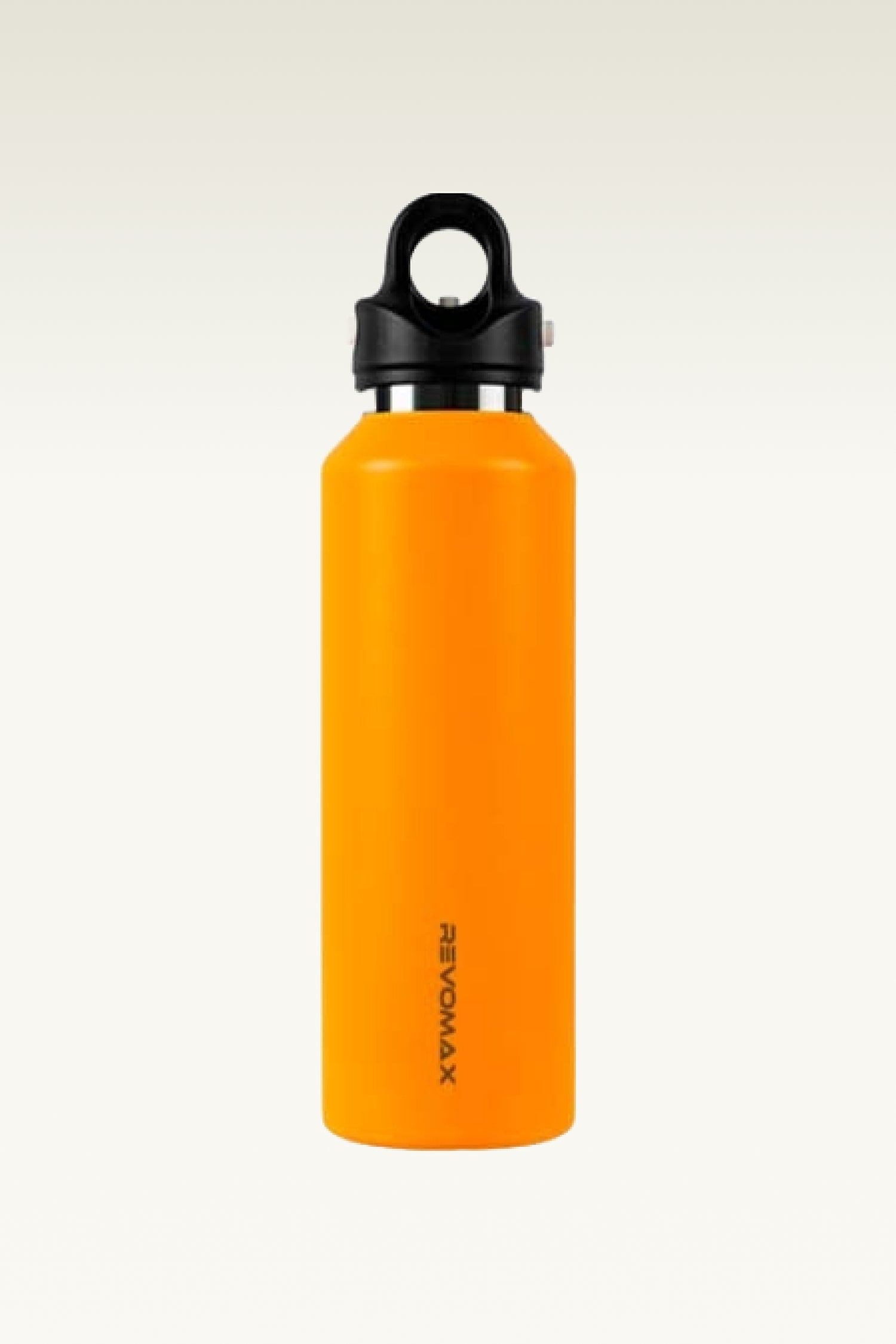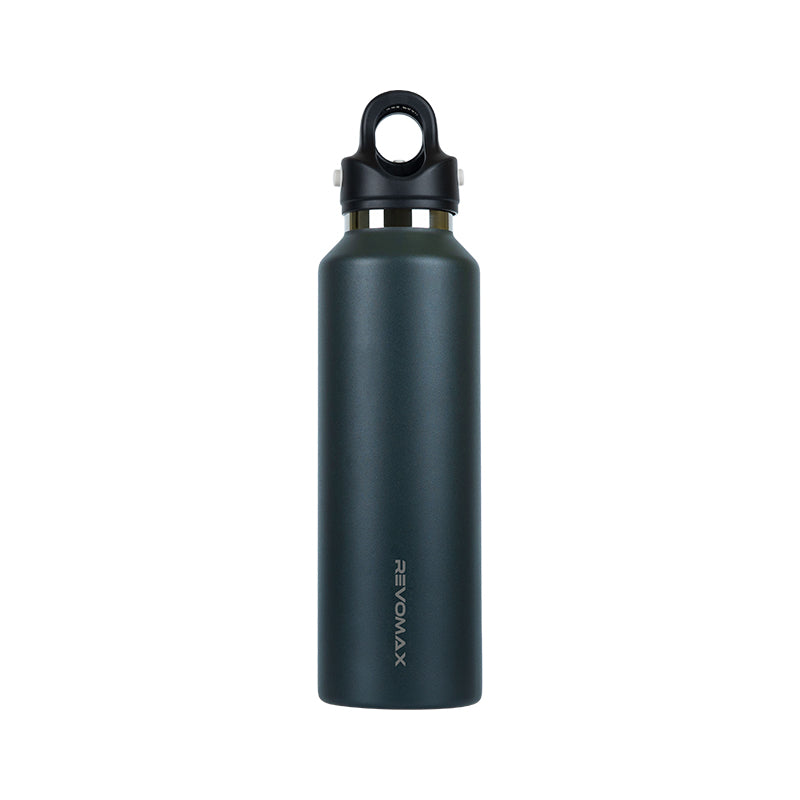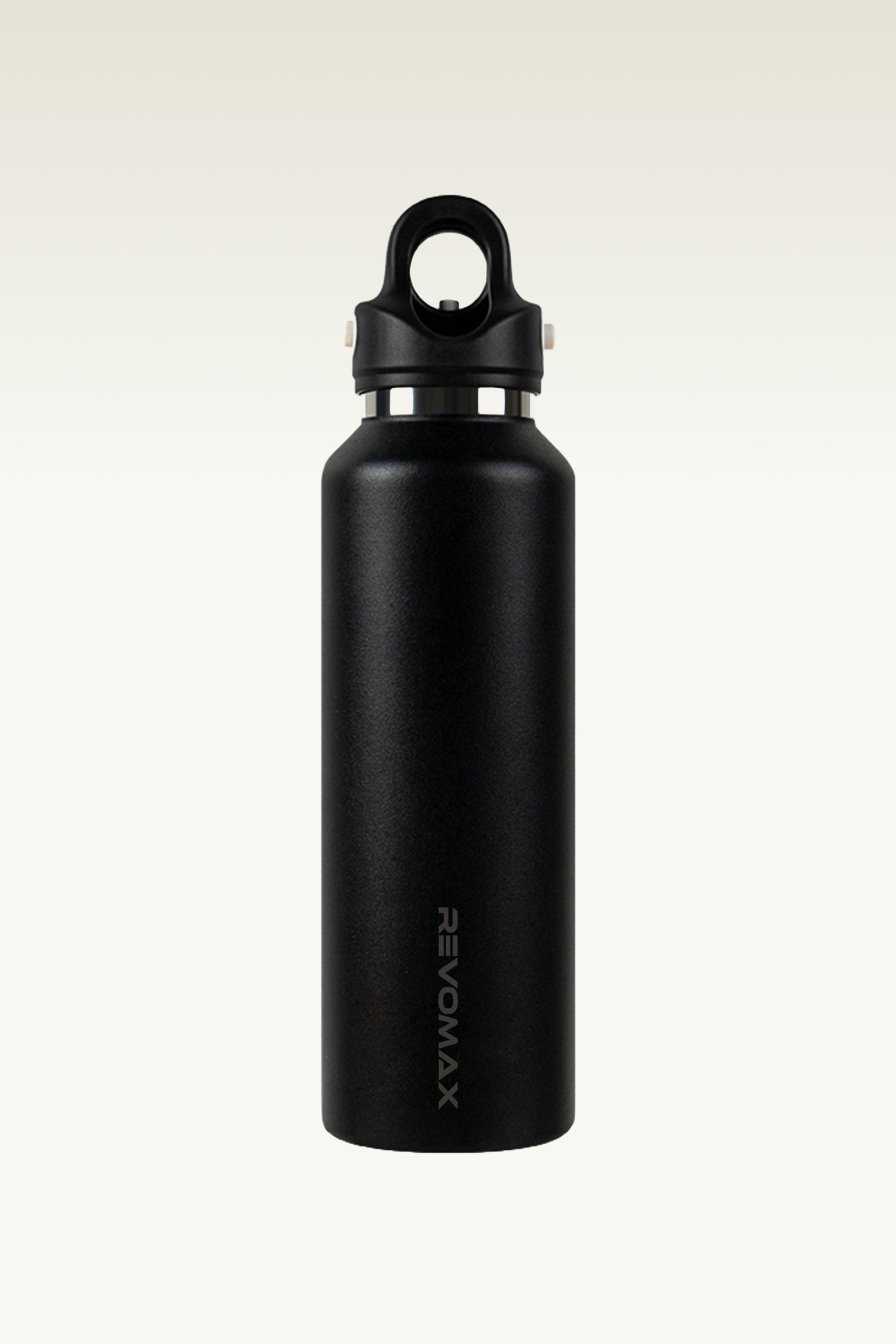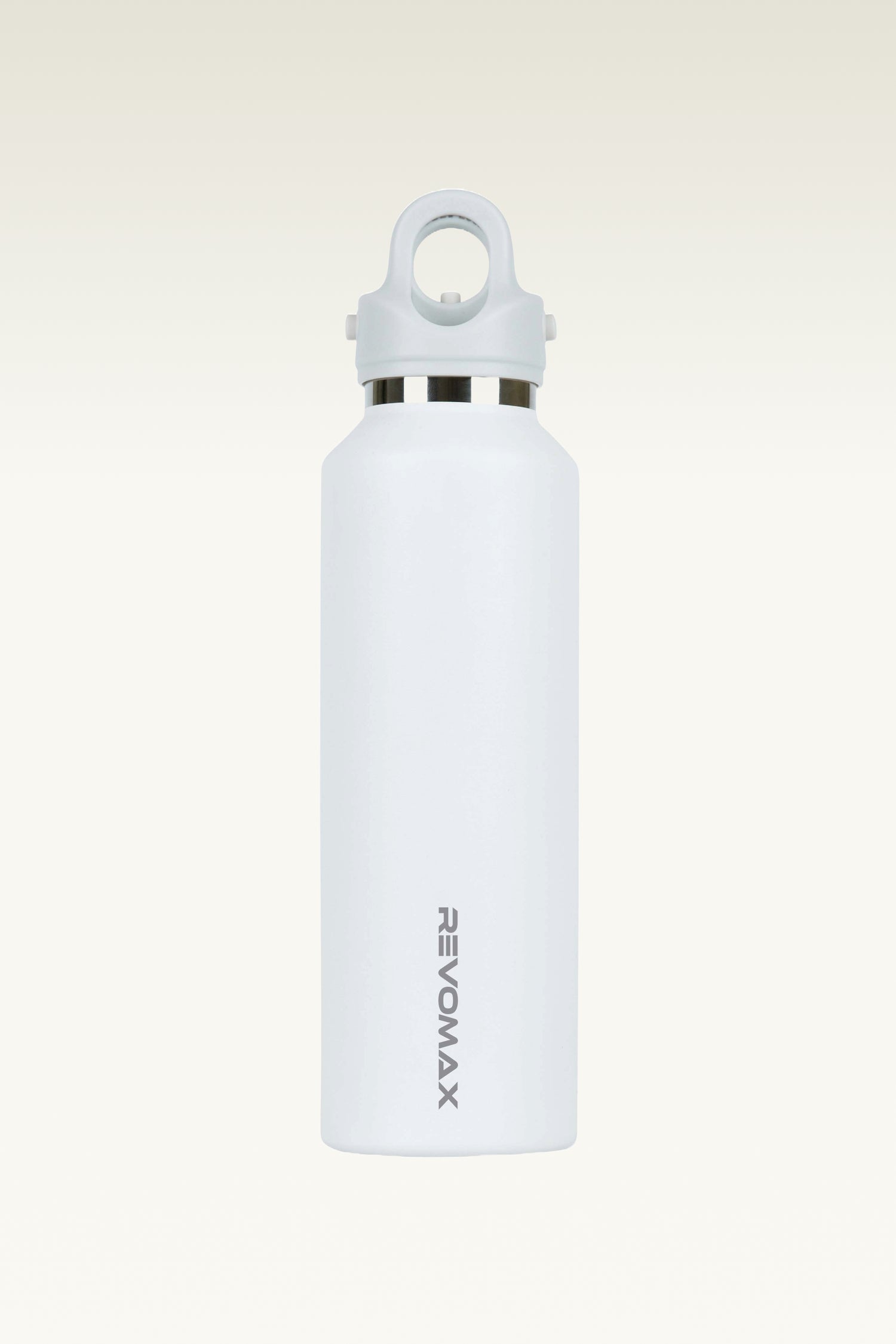

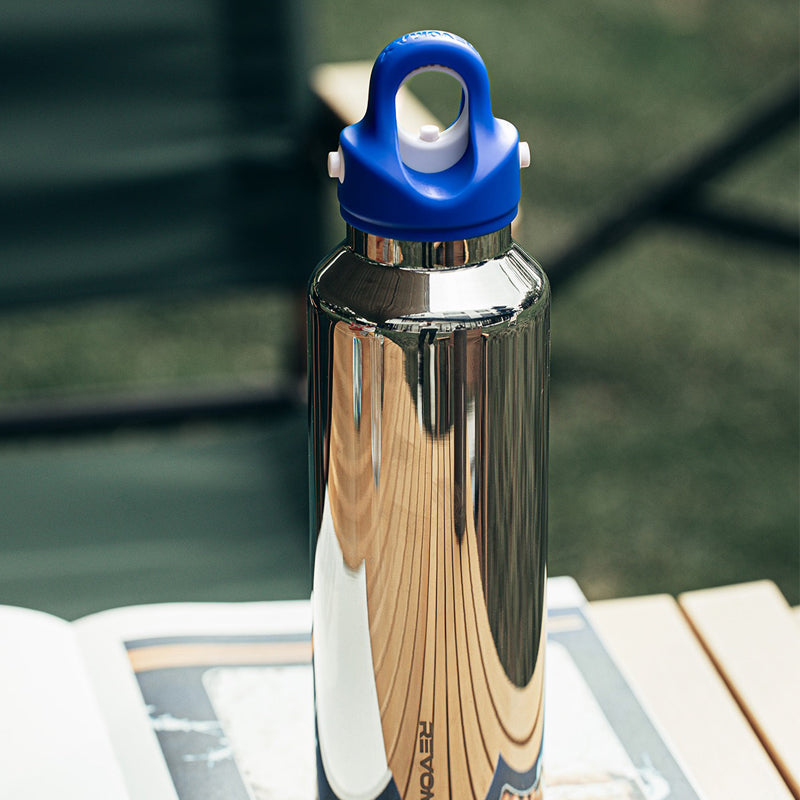
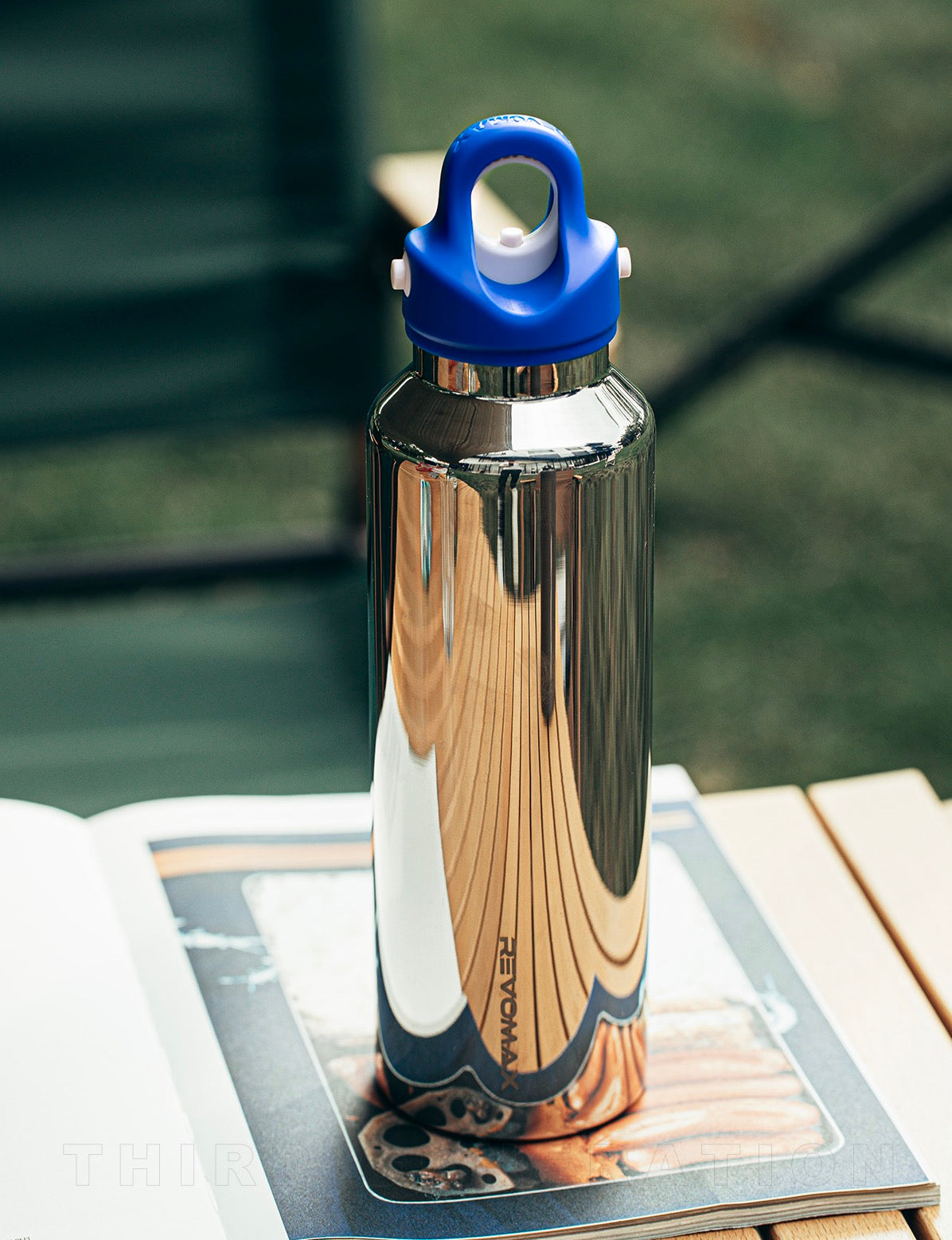
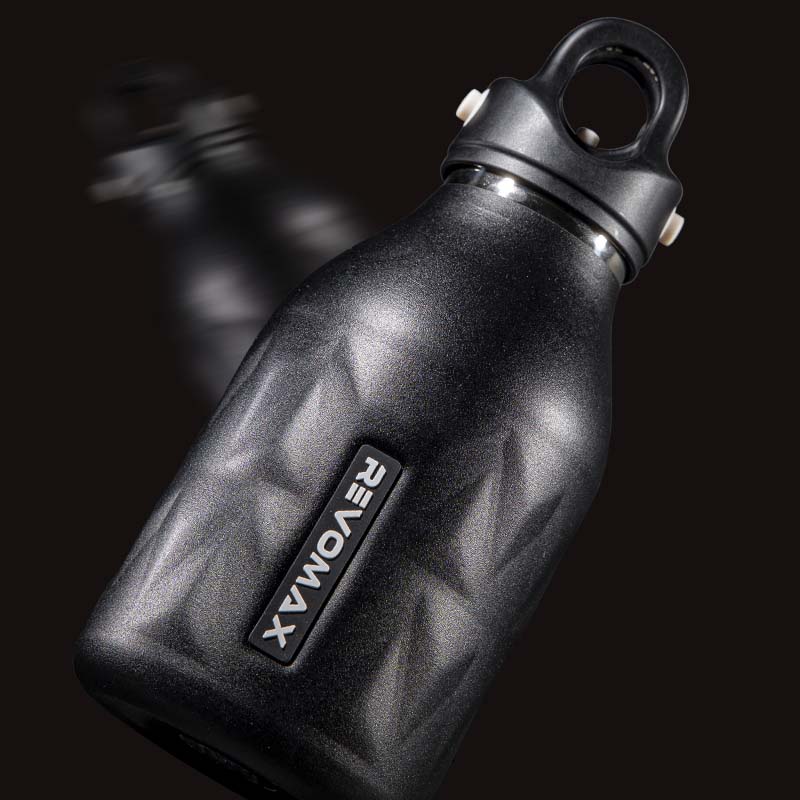
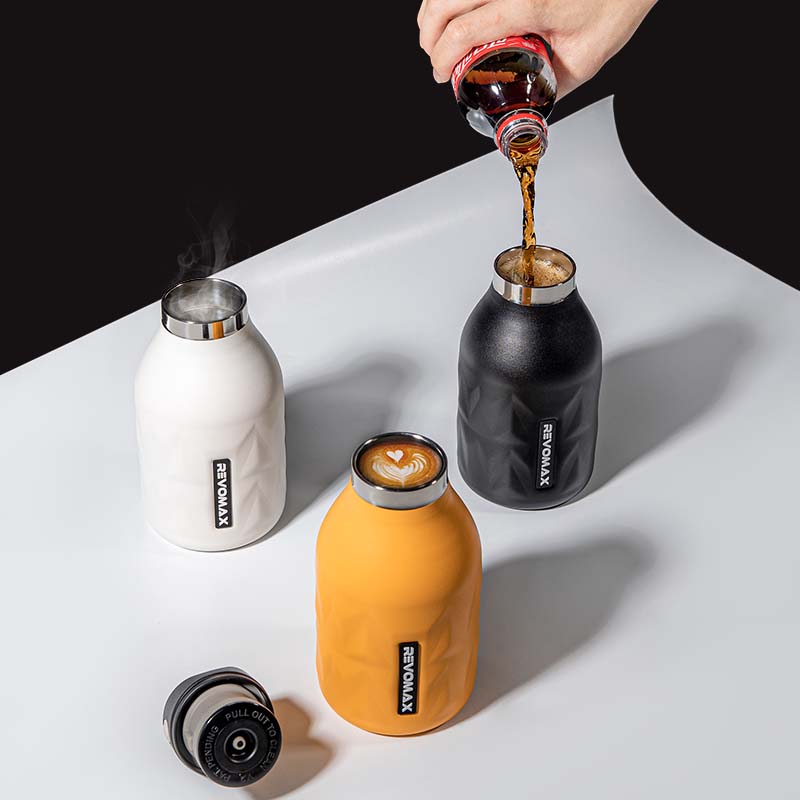
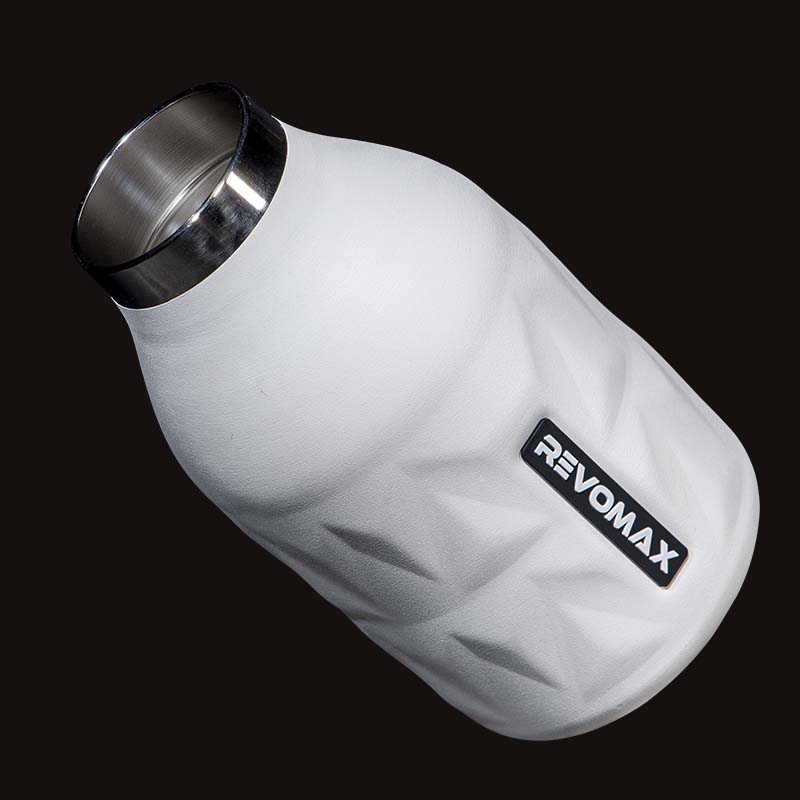
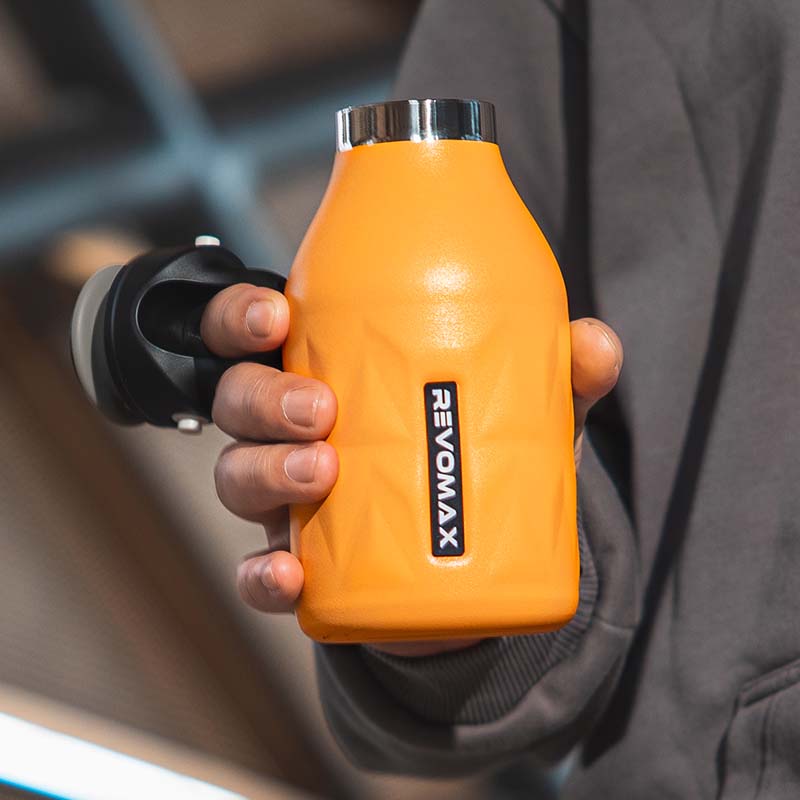


A surgical steel water bottle is not automatically 316L. “Surgical steel” describes a broad category, while 316L identifies an alloy. Check the drink-contact material and supporting documentation before treating the wording as a quality guarantee.
By Hikesity Editorial Team
Short answer: "surgical steel" is a marketing term, not a grade
On a water bottle listing, “surgical steel” alone does not identify a specific stainless steel grade or establish certification. The phrase can refer to steels used for very different purposes, from corrosion-resistant implant materials to hardened cutting instruments. Those applications do not all use the same alloy.
316L is more specific: it identifies a low-carbon, molybdenum-containing stainless steel. But even “316L” does not tell you everything about a finished bottle. You still need to know which wall uses it, whether the drink touches a coating, and what evidence supports any additional certification claim.
For a surgical steel water bottle, the useful buying question is: “What material actually touches my drink?” A clear answer such as “316L inner wall, 304 outer shell” tells you more than a prominent medical-sounding badge.
Which steels get called surgical steel (316L, 316LVM, 420, 440) and which ones belong in a water bottle
Medical applications require different material properties. A cutting edge needs hardness; a formed drinking vessel needs a suitable combination of corrosion resistance, formability and surface quality. The word “surgical” does not distinguish those jobs.
- 316L: An austenitic stainless steel used where corrosion resistance and fabrication matter. It is the inner-wall grade listed for the three Revomax bottles carried by Hikesity in this guide.
- 316LVM: A designation commonly associated with vacuum-melted or vacuum-remelted material for demanding medical applications. Ask for the exact specification and material certificate; the letters alone do not certify a finished product.
- 420: A hardenable martensitic stainless steel associated with applications such as cutting instruments. Its use in a surgical tool does not make it equivalent to a 316L bottle liner.
- 440: A family of hardenable stainless steels with different variants. A listing that says only “440 surgical steel” still leaves the precise grade unidentified.
Carpenter Technology identifies 420 and 440-series steels among materials for surgical cutting performance, illustrating why a medical use does not imply one universal alloy. See its surgical instrument materials overview.
For a reusable bottle, documented 304 or 316L construction is a more relevant starting point than the surgical label. Neither grade makes the complete bottle suitable by itself: the surface, fabrication, lid components and intended use also matter. You do not need implant-grade steel merely because you drink from a bottle every day.

316L vs 304 vs 420: composition table (chromium, nickel, molybdenum, carbon)
The table below compares commonly published composition limits for the identified US grades. Values are percentages by mass, not measurements from a Hikesity bottle. They should not be substituted for a supplier’s certificate or the applicable material specification.
| Grade | Chromium | Nickel | Molybdenum | Carbon |
|---|---|---|---|---|
| 316L / UNS S31603 | 16–18% | 10–14% | 2–3% | 0.03% maximum |
| 304 / UNS S30400 | 18–20% | 8–10.5% | No specified addition in this comparison | 0.08% maximum |
| 420 / UNS S42000 | 12–14% | No specified addition in this comparison | No specified addition in this comparison | 0.15% minimum |
Source: thyssenkrupp Materials North America stainless steel composition table. An unspecified addition is not a guarantee of absolute zero content. Other specifications and related grade variants can have different limits.
The practical distinction is the alloy balance. Molybdenum helps explain why 316L is selected for more demanding corrosion conditions. The “L” refers to low carbon, not low nickel: 316L is not nickel-free. Higher carbon in hardenable steels serves a different engineering purpose from the low-carbon formulation of 316L.
ASTM A240 covers stainless steel plate, sheet and strip for general and pressure-vessel applications; it is a material specification, not a finished-bottle safety certificate. See the ASTM A240 scope. For the broader everyday bottle comparison, read our SUS 304 water bottle guide.
Implant-grade vs food-contact 316L: what ISO 5832-1 / ASTM F138 do and don't mean for a bottle
A general 316L designation is not evidence of compliance with an implant-material standard. Implant materials have specified requirements beyond a familiar alloy name, and the product form covered by a standard matters.
ISO 5832-1 concerns wrought stainless steel for surgical implants. ASTM F138 covers chemical, mechanical and metallurgical requirements for stainless steel bar and wire used to manufacture surgical implants, identified as UNS S31673. That is not the same designation as ordinary 316L, UNS S31603, in the table above.
A bottle listing that mentions either standard should therefore be supported by documentation identifying the material, the relevant specification and its connection to the product. A certificate for unrelated stock, or for a different component, cannot establish the claim for a bottle’s inner wall.
Even verified compliance of a steel component would not automatically establish food-contact suitability of the assembled bottle, dishwasher compatibility, lid hygiene or suitability for a person with an allergy. Those are separate questions.
This guide identifies the Hikesity products by their listed inner-wall and outer-shell materials. It does not claim that these bottles are certified to ISO 5832-1 or ASTM F138. For more background on the alloy itself, see what 316L medical-grade stainless steel means for bottle buyers.
How to check a "surgical steel" claim before you buy: inner wall vs outer shell, coatings, grade stamps
Use the following checks to turn an attractive label into information you can compare.
- Identify the inner wall. Ask for the grade of the surface that holds the drink. An outer-shell specification alone does not answer this question.
- Identify the outer shell separately. A bottle can legitimately combine a 316L inner wall with a 304 exterior. That construction does not mean the two grades are mixed into one alloy.
- Check for an interior coating. Ask whether the drink contacts bare stainless steel or a liner. The Hikesity product pages describe the 20oz and 32oz interiors as uncoated; do not extend that claim to every product without checking.
- Read a grade stamp as a claim. A “316L” mark helps identify what the seller says the material is, but it is not independent verification. For a certification claim, request documentation tied to the relevant material or production batch.
- Check the whole drinking system. Lid plastics, seals and cleaning instructions matter alongside the steel. The listed lids on these three models use PP and silicone.
A useful request to a seller is: “Please confirm the inner-wall grade, whether the interior has a coating, and what documentation supports the stated material standard.” If the response repeats “premium surgical steel” without identifying the grade, the original question remains unanswered.

Which Hikesity 316L bottle fits you: 16oz vs 20oz vs 32oz
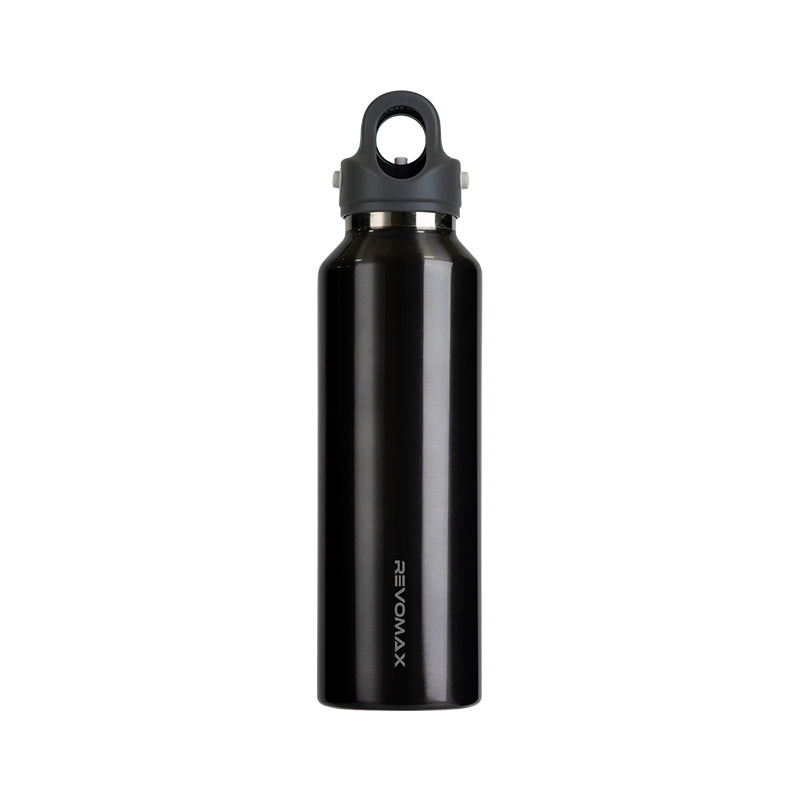
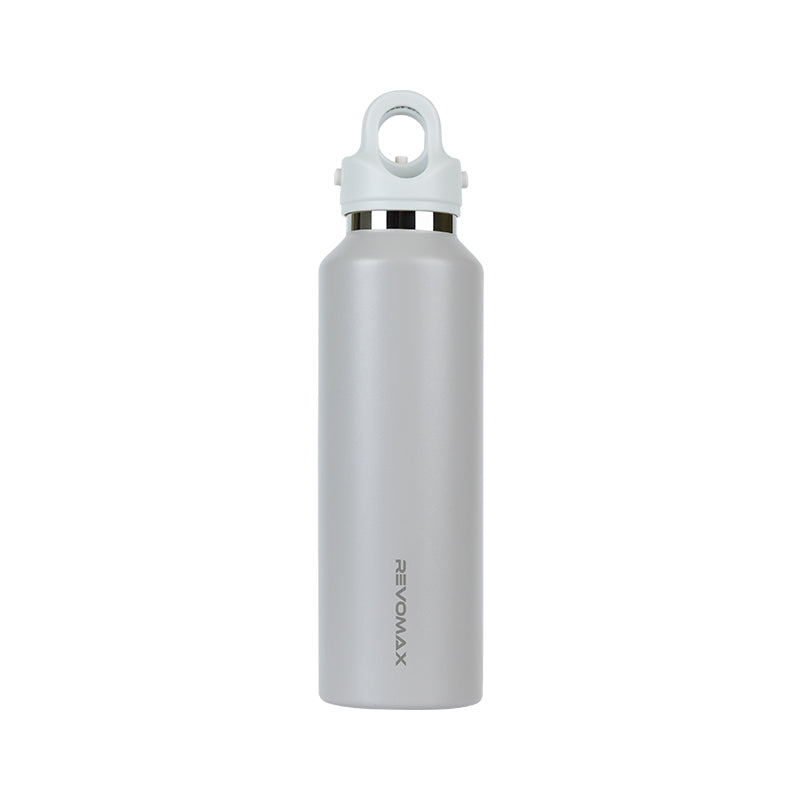
Hikesity is an authorized Revomax distributor based in Victoria, BC. Revomax is a US brand from Portland, Oregon; the bottles below are Revomax products carried by Hikesity. All three product listings specify a 316L inner wall and a 304 outer shell.
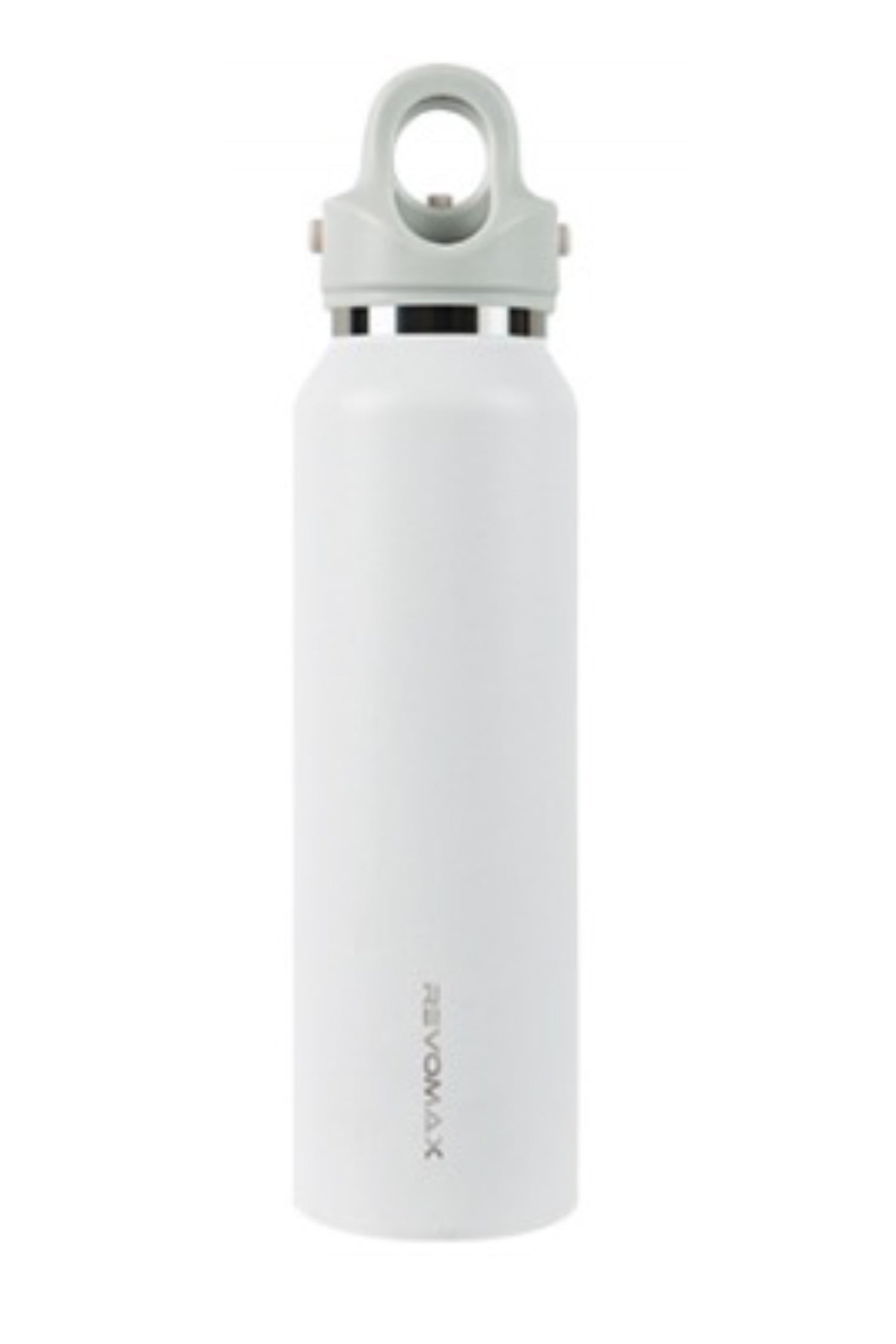
Hikesity’s Revomax 20oz (592 ml) bottle, regular price from CAD $93, pairs an uncoated 316L inner wall with a 304 outer shell and a threadless lid that opens one-handed in about 2 seconds.
| Model | Listed capacity | Regular CAD price (from) | Best reason to choose it | Cup-holder consideration |
|---|---|---|---|---|
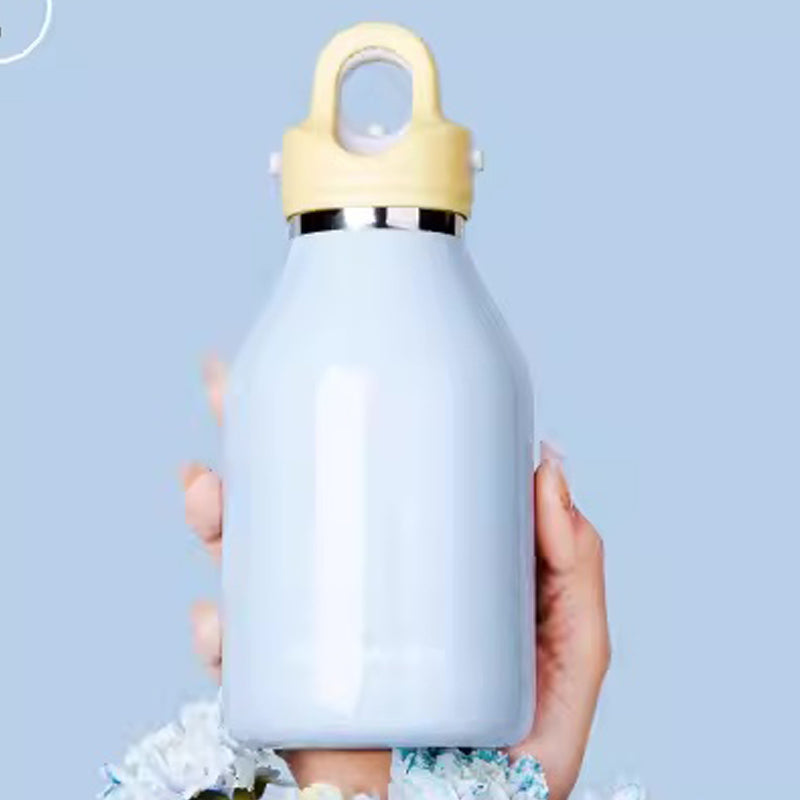
| 16oz Mix & Match 316L bottle | 16oz / 473 ml | $99 | Smaller capacity with customizable lid, body and silicone boot colours | Fits standard cup holders |
| 20oz no-screw 316L bottle | 20oz / 592 ml | Regular price from CAD $93 | A middle-size option for desk use and commuting | 75 mm base; suitable for midsize cars, SUVs and pickups, but can be tight in compact cars |
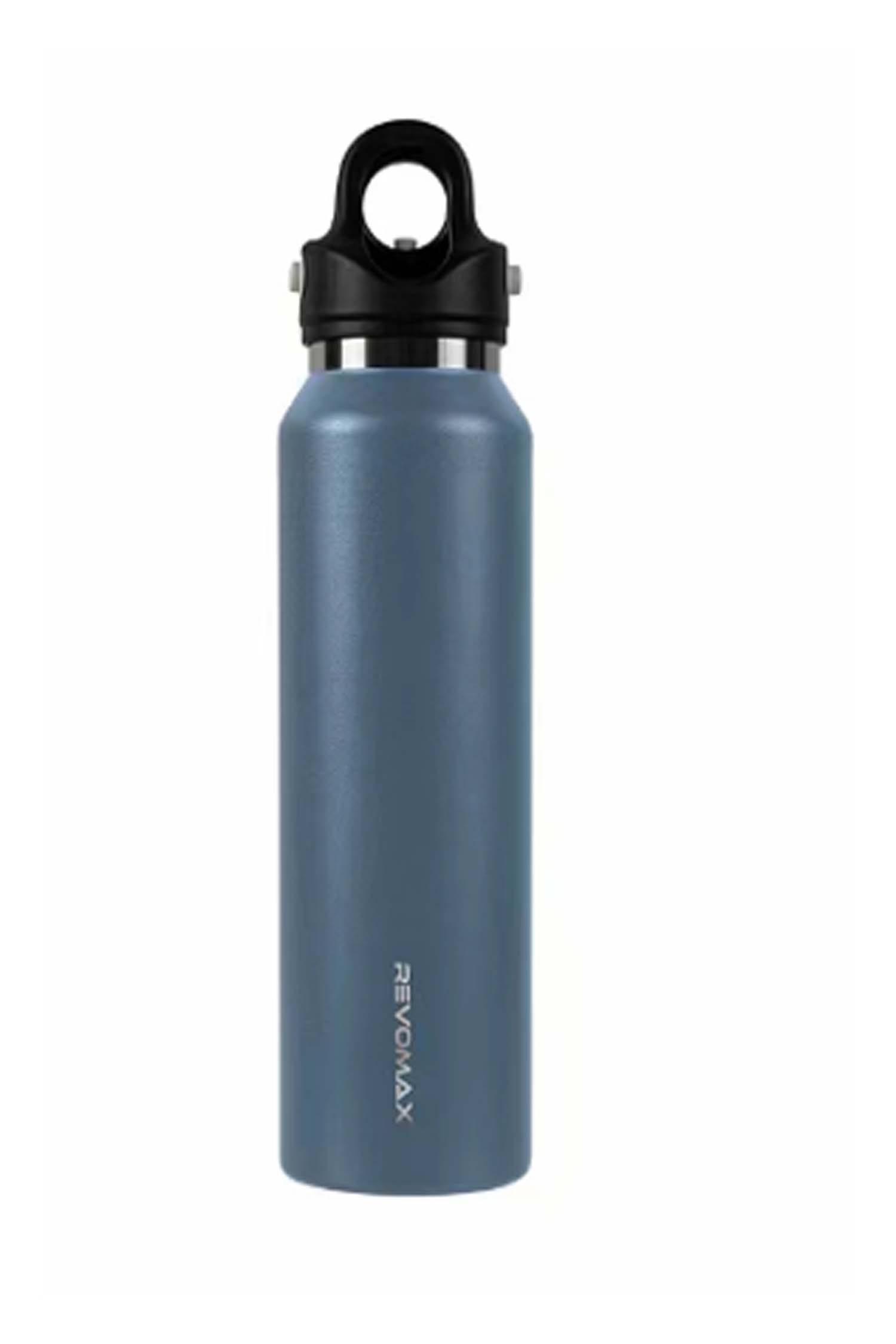
| 32oz no-screw 316L bottle | 32oz / 950 ml | $107 | More capacity when refilling is inconvenient | 90 mm base; does not fit most vehicle cup holders; consider an extender |
Choose capacity around your routine, rather than assuming a larger bottle has a better steel grade. The 16oz suits shorter outings and colour customization. The 20oz offers a middle option. The 32oz carries more between refills but needs more room in a bag or vehicle.
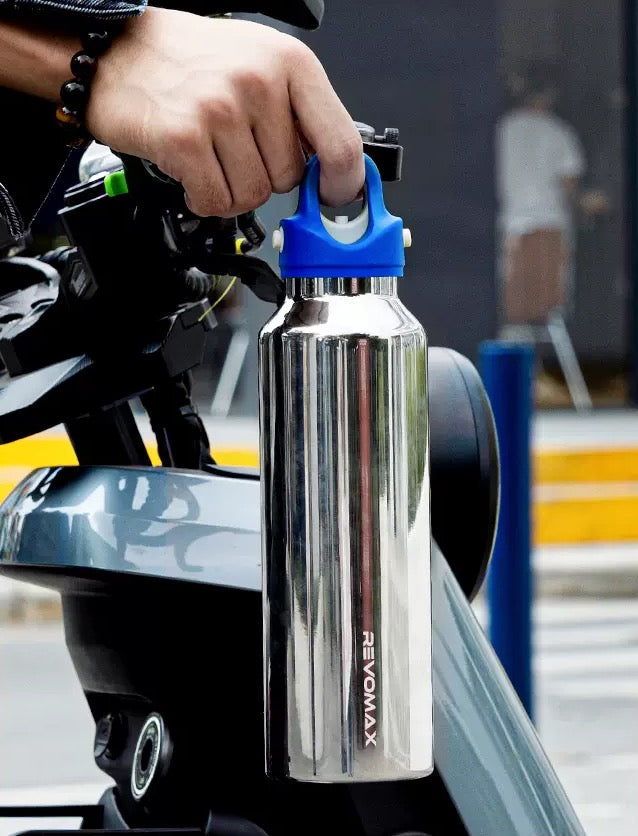
The threadless lid is the original Revomax patent we proudly carry. Its opening mechanism is a separate feature from the steel grade: compare both when deciding which bottle will be comfortable to use every day.
FAQ: is surgical steel safe for coffee, nickel allergies, dishwashers
Is a surgical steel water bottle suitable for coffee?
The phrase alone is insufficient. The Hikesity 20oz and 32oz product pages list coffee among the intended drinks and identify a 316L inner wall. That is more useful than a generic surgical label. Follow the bottle’s care instructions, clean after use and allow hot coffee to reach a comfortable drinking temperature. No steel name guarantees that every drink, storage duration and cleaning chemical is suitable.
Is 316L safe if I have a nickel allergy?
316L contains nickel, so do not read “surgical” as “nickel-free” or as a personal allergy guarantee. The American Academy of Dermatology’s nickel allergy guidance explains that nickel can trigger allergic reactions and recommends professional assessment for suspected allergy. If you have a diagnosed nickel allergy, ask your clinician whether a nickel-containing drinking vessel is appropriate for you. The Hikesity product pages do not provide product-specific nickel-release testing.
Can a surgical steel bottle go in the dishwasher?
Hikesity’s 316L stainless steel bottle care guidance states that the bottle body is dishwasher safe and recommends hand-washing the no-screw lid. Steel grade alone cannot establish dishwasher suitability: the assembled bottle, exterior finish, lid and seals also matter. Follow the care instructions for your exact bottle and lid; do not infer dishwasher permission from “316L” or “surgical grade” alone.
Does surgical steel mean the bottle is sterile?
No. A material description does not mean a bottle is sterile or self-cleaning. Wash the bottle and accessible lid components according to the care instructions, rinse thoroughly and let them dry before storage.
Recommended Products
- Revomax 16oz Mix & Match 316L bottle: choose it for smaller capacity and customizable colours.
- Revomax 20oz threadless 316L bottle: choose it for a middle-size daily bottle with an uncoated 316L inner wall.
- Revomax 32oz threadless 316L bottle: choose it for greater capacity, allowing for its wider base.
Compare to alternatives
When comparing these Revomax bottles with Hydro Flask, Yeti, Stanley, RTIC or Klean Kanteen, compare the exact models’ published inner-wall materials, lid mechanisms, capacities and care instructions. Do not infer a competitor’s grade or performance from the brand name, and do not treat “surgical steel” as a ranking.
If your existing 304 bottle meets your needs, the surgical label alone is not a reason to replace it. Read the 304 stainless steel bottle comparison, or browse Hikesity’s 316L stainless steel water bottles to compare documented construction and practical features.