


Comparing a 316 vs 316L stainless steel water bottle? The L means low carbon. Its main benefit is resistance to a particular form of corrosion after welding—not an automatic improvement in taste, drinking safety or insulation.
Short answer: 316L is low-carbon 316, and for a bottle the difference is in the welds
316 and 316L belong to the same family of chromium-nickel-molybdenum stainless steels. Under the ASTM composition limits compared below, 316 permits up to 0.08% carbon, while 316L permits up to 0.03%. Their chromium, nickel and molybdenum ranges are the same.
That lower carbon limit helps preserve corrosion resistance around welds. Outokumpu identifies improved resistance to intergranular corrosion after welding as a benefit of its low-carbon 316L grade. For a welded bottle liner, this makes 316L a useful material choice, although it does not establish how well a particular bottle was manufactured. See Outokumpu’s 316L material guidance.
For drinking, the practical question is whether the bottle has a documented, properly finished food-contact interior—not simply whether its name includes an L. A well-made 316 bottle is not automatically unsuitable, and a 316L label does not replace quality control.
For background on the material itself, read our 316L stainless steel water bottle buyer’s guide.
The numbers: carbon, chromium, nickel and molybdenum in 316 vs 316L (table)
The table compares selected ASTM A240 composition limits by mass for 316 and 316L. These are permitted ranges or maximums, not measured results for any Hikesity bottle.
| Element | 316 / UNS S31600 | 316L / UNS S31603 | What the comparison tells you |
|---|---|---|---|
| Carbon | 0.08% maximum | 0.03% maximum | The L grade has a lower carbon ceiling. |
| Chromium | 16–18% | 16–18% | The permitted range is unchanged. |
| Nickel | 10–14% | 10–14% | Low carbon does not mean nickel-free. |
| Molybdenum | 2–3% | 2–3% | The L does not indicate extra molybdenum. |
Source: SSINA’s stainless steel composition tables. This is a selected-element comparison, not a complete material specification.
Do not combine ASTM and EN limits into one supposedly universal table. For example, EN 1.4404, commonly associated with 316L, lists chromium at 16.5–18.5%, nickel at 10–13% and molybdenum at 2–2.5% in thyssenkrupp’s EN composition reference. Ask which standard and grade a supplier’s certificate actually identifies.
Also, a maximum is not a recipe: a batch sold as 316 does not necessarily contain 0.08% carbon. Its actual carbon content may be lower. The material certificate is where a buyer can check the measured composition and declared grade.
Why low carbon matters at the weld seam of a vacuum bottle (sensitization and corrosion)
Welding heats a small area of metal intensely. Under a suitable combination of temperature and exposure time, chromium-rich carbides can form along the boundaries between metal grains. Nearby regions then have less chromium available to maintain their corrosion resistance. This condition is called sensitization.
When sensitized steel subsequently encounters a corrosive environment, attack can develop along those grain boundaries. That is intergranular corrosion, sometimes called weld decay. The mechanism concerns the weld’s heat-affected region; it does not mean every visible weld will corrode. See the British Stainless Steel Association’s explanation of intergranular corrosion.
Lowering carbon reduces the material available to form those carbides. That is the reason for choosing 316L in many welded applications. Welding practice and thermal history still matter: low-carbon steel is one part of corrosion control, not a substitute for sound fabrication. The BSSA guidance on sensitization prevention explains the roles of low-carbon grades and cooling conditions.
For a vacuum bottle, the relevance depends on where and how its stainless steel components are joined. The provided product specifications do not establish the exact weld layout or manufacturing process of the featured bottles, so this mechanism should not be read as a factory inspection.
Nor should it become a claim that all 316 bottle welds are defective. The Sassda welding handbook notes that thin-gauge sheet welding may not require an L grade. Material thickness and the welding process influence the risk. Ordinary hot drinks are not the manufacturing heat exposure being discussed here.

Does 316 vs 316L change taste, safety or insulation? What it does and doesn't affect
Taste: the carbon limit is not a taste test
Neither the composition table nor the L designation demonstrates a perceptible flavour difference between two finished bottles. To establish that difference, you would need a controlled comparison of the actual products, using the same drink and conditions.
No such comparative taste results were supplied for this article. Consequently, we do not claim that 316 inevitably makes water taste metallic or that 316L guarantees zero flavour transfer. The grade label alone cannot settle that question.
Food contact: both grades can be suitable
316 stainless steel is widely used in food-processing equipment. The BSSA also cautions that calling a grade “food grade” is not, by itself, an official classification establishing suitability for every application. Material selection must account for the intended food or drink and service conditions. See BSSA guidance on stainless steels for food processing.
For a finished bottle, look beyond the alloy name to the interior finish, lid and seals, intended uses and relevant food-contact documentation. A mill certificate describes the metal; it does not certify every component of an assembled bottle.
Likewise, “medical grade” and “surgical steel” wording does not establish implant certification. No supplier material certificate or finished-product test report was supplied for this article, so we make no such certification claim. Our surgical steel versus 316L guide explains the terminology.
Insulation: assess the bottle construction
The 316L designation specifies a steel grade, not a temperature-retention rating. Vacuum construction, the neck and lid, the fill level and the test conditions all belong in a meaningful insulation comparison. Changing the carbon limit alone does not substantiate a claim that a bottle keeps drinks hot or cold longer.
For the same reason, do not use a material comparison to infer a finished bottle’s leak resistance, dent resistance or service life. Those require evidence about the product itself.
How to check what a "316" bottle really uses: inner wall vs outer wall, stamps, mill certificates
A useful specification identifies each component rather than describing the entire bottle with one steel number. Work through these checks before paying extra for a material claim.
- Identify the drink-contact wall. Ask whether 316 or 316L describes the inner liner, the exterior or both. A 316L liner paired with a 304 outer shell is a different specification from an unspecified “316 bottle.”
- Read the other component materials. Check the lid, seals and any internal coating. A steel designation says nothing about those parts.
- Treat stamps as identification claims. A 316 or 316L mark is useful information, but it is not a laboratory analysis or proof of batch traceability.
- Ask for a traceable mill certificate. Look for the declared standard, grade, heat or batch identifier and measured chemistry, including carbon. Ask how that document connects to the liner material used in the bottle.
- Separate material evidence from finished-product evidence. A steel chemistry report does not demonstrate lid performance, insulation or food-contact performance of the assembled product.
If a seller provides only a title saying “316 stainless steel water bottle,” the most useful follow-up is: “What is the exact inner-wall grade, and what document supports it?” An ambiguous listing does not prove the material is wrong; it means the specification remains incomplete.
For Hikesity’s documented models below, the available evidence here is the published component specification. Batch-specific chemistry and weld-test results have not been supplied.
Where Hikesity's Revomax 20oz and 32oz bottles fit (316L inside, 304 outside)
Hikesity is an authorized Revomax dealer in Victoria, BC. Revomax is the American bottle brand from Portland, Oregon; it is not a competing brand in this comparison.
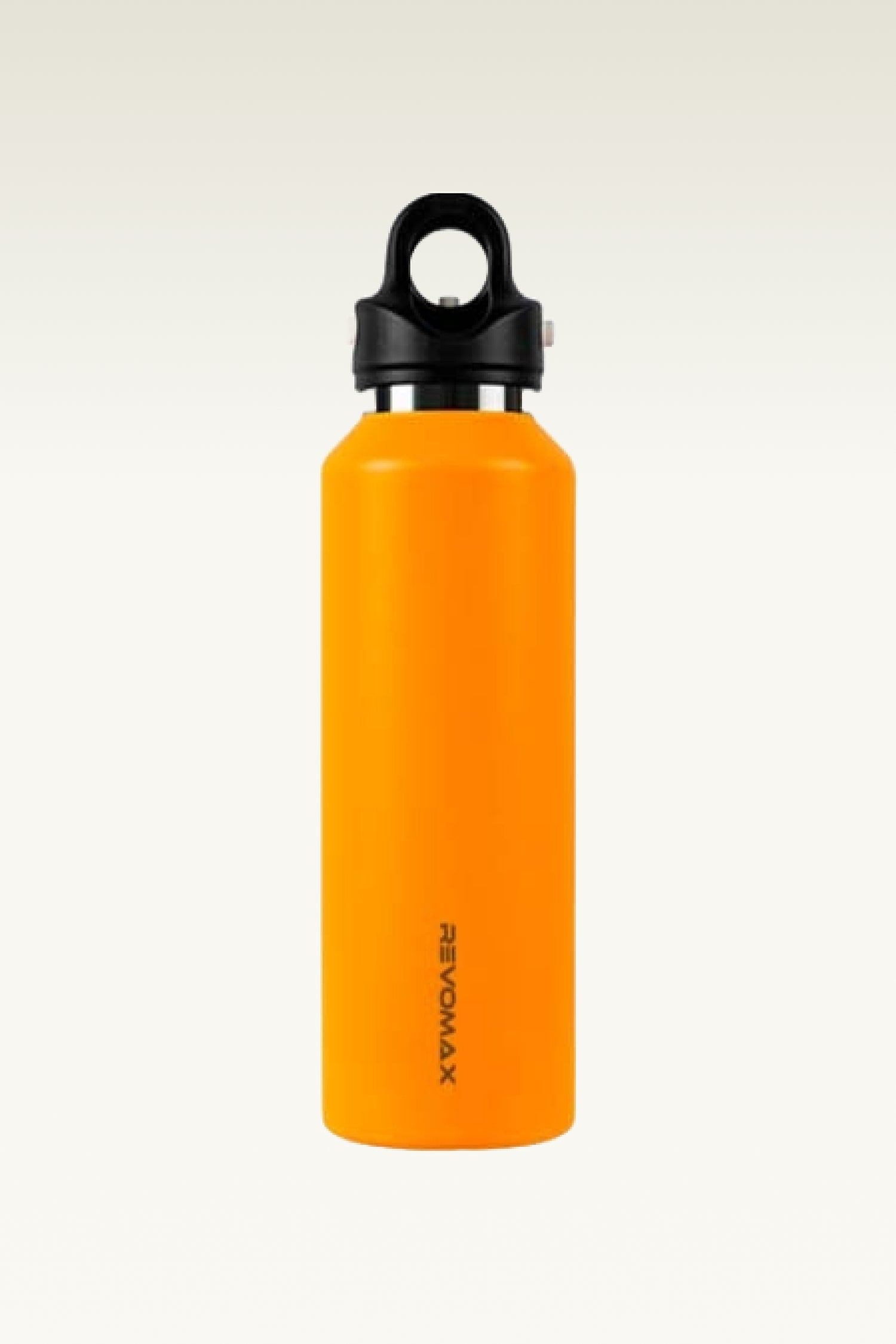
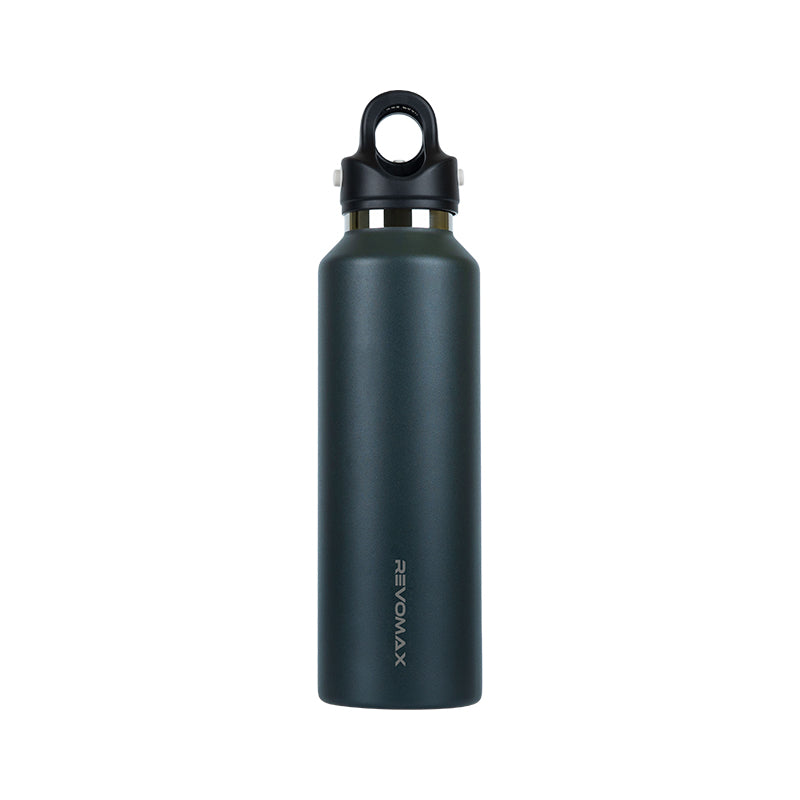
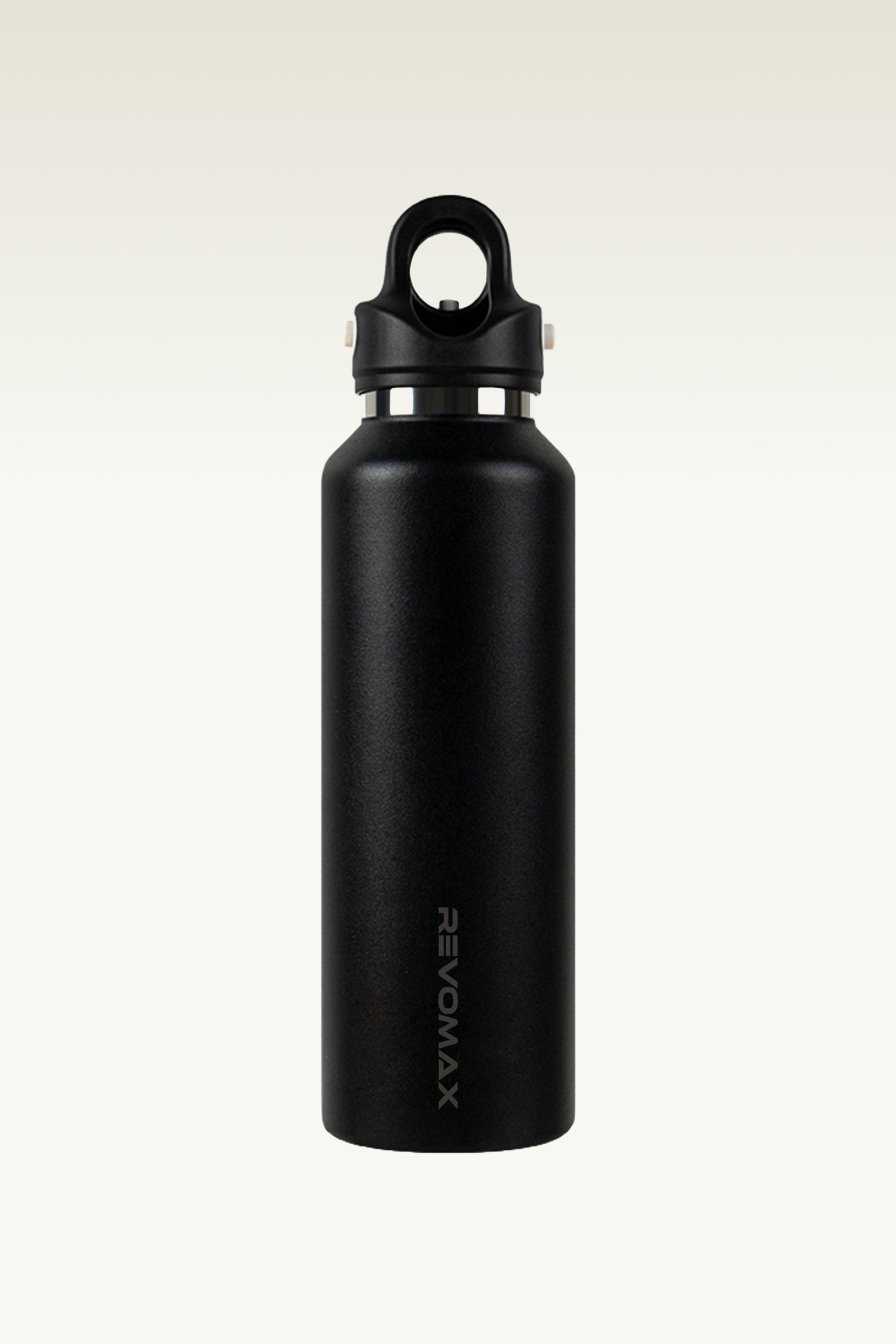
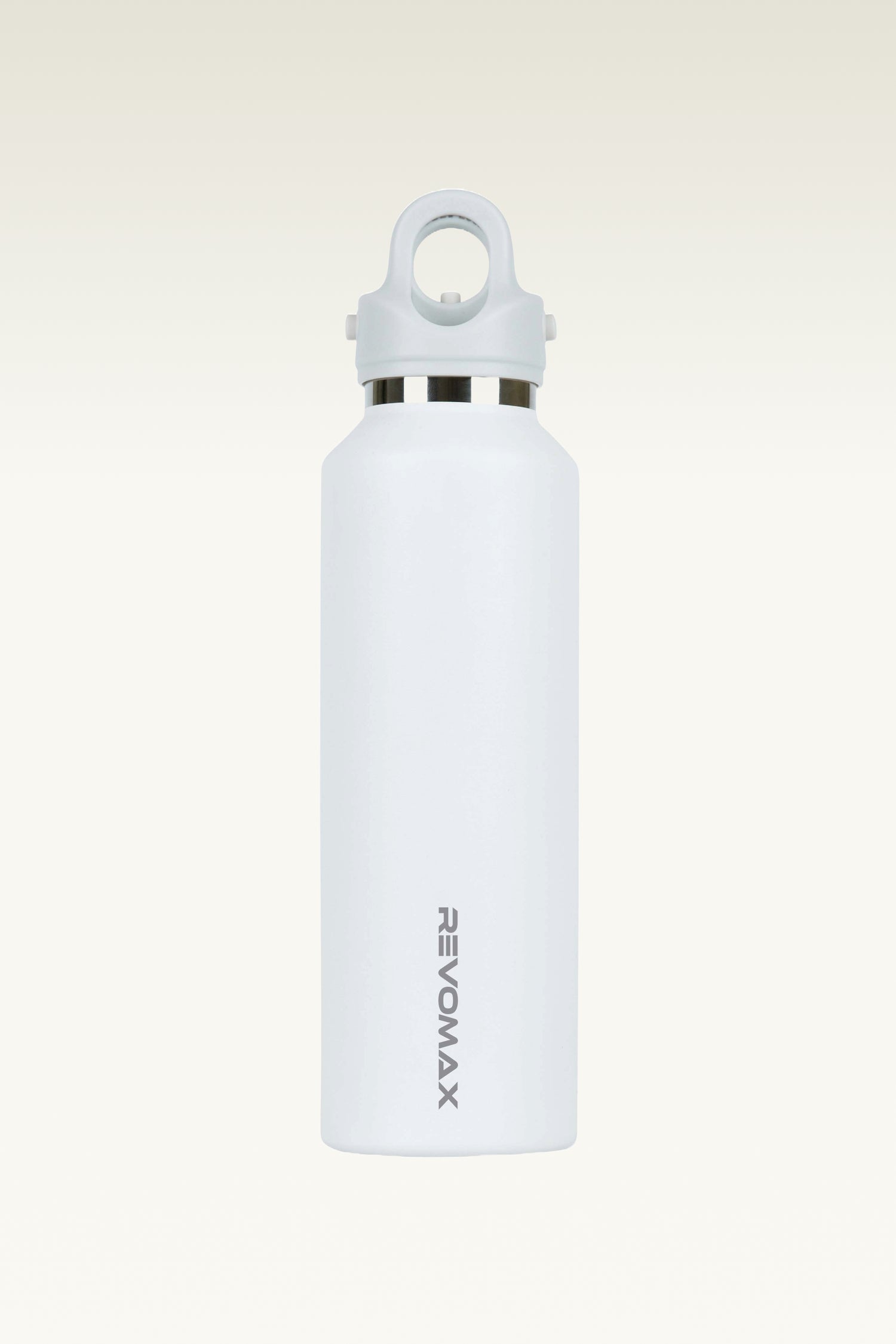
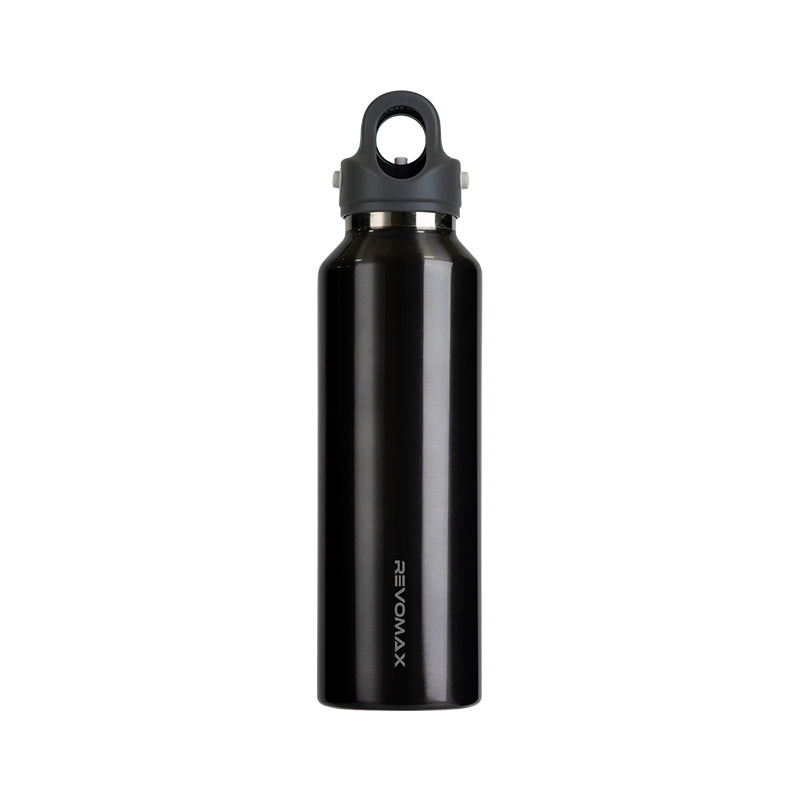
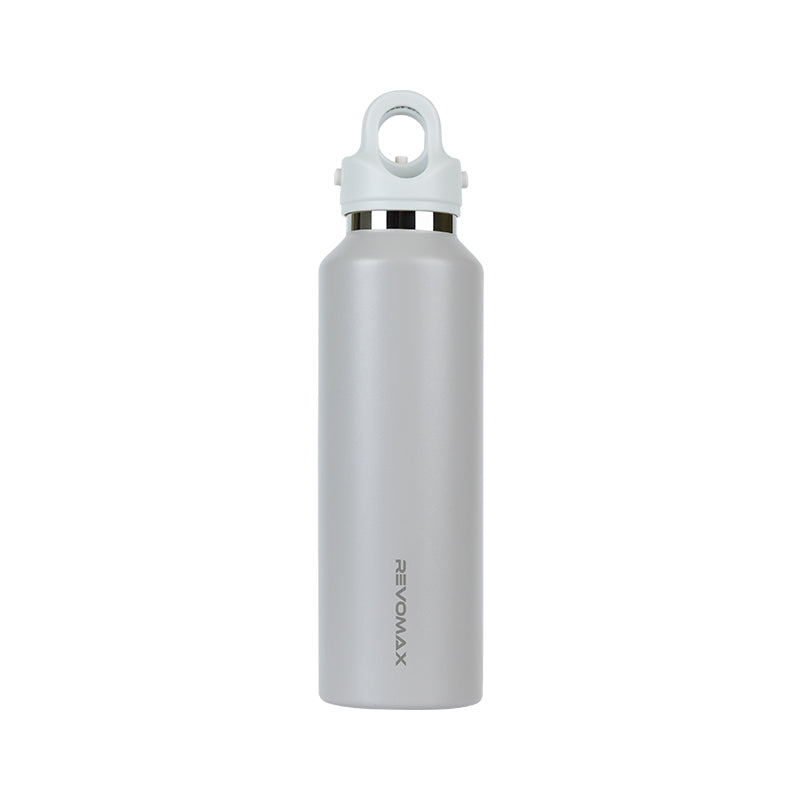
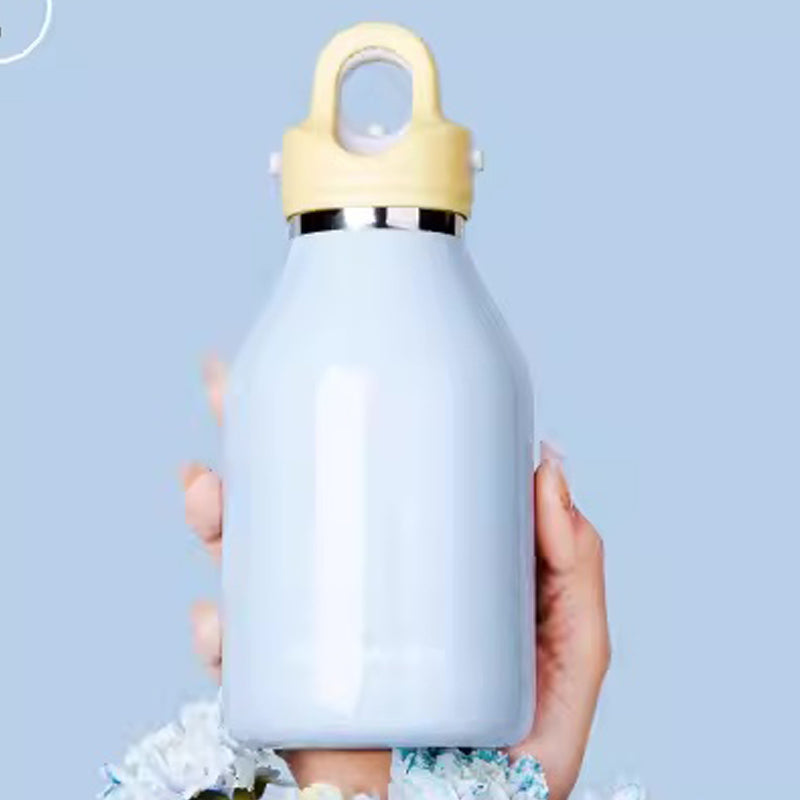
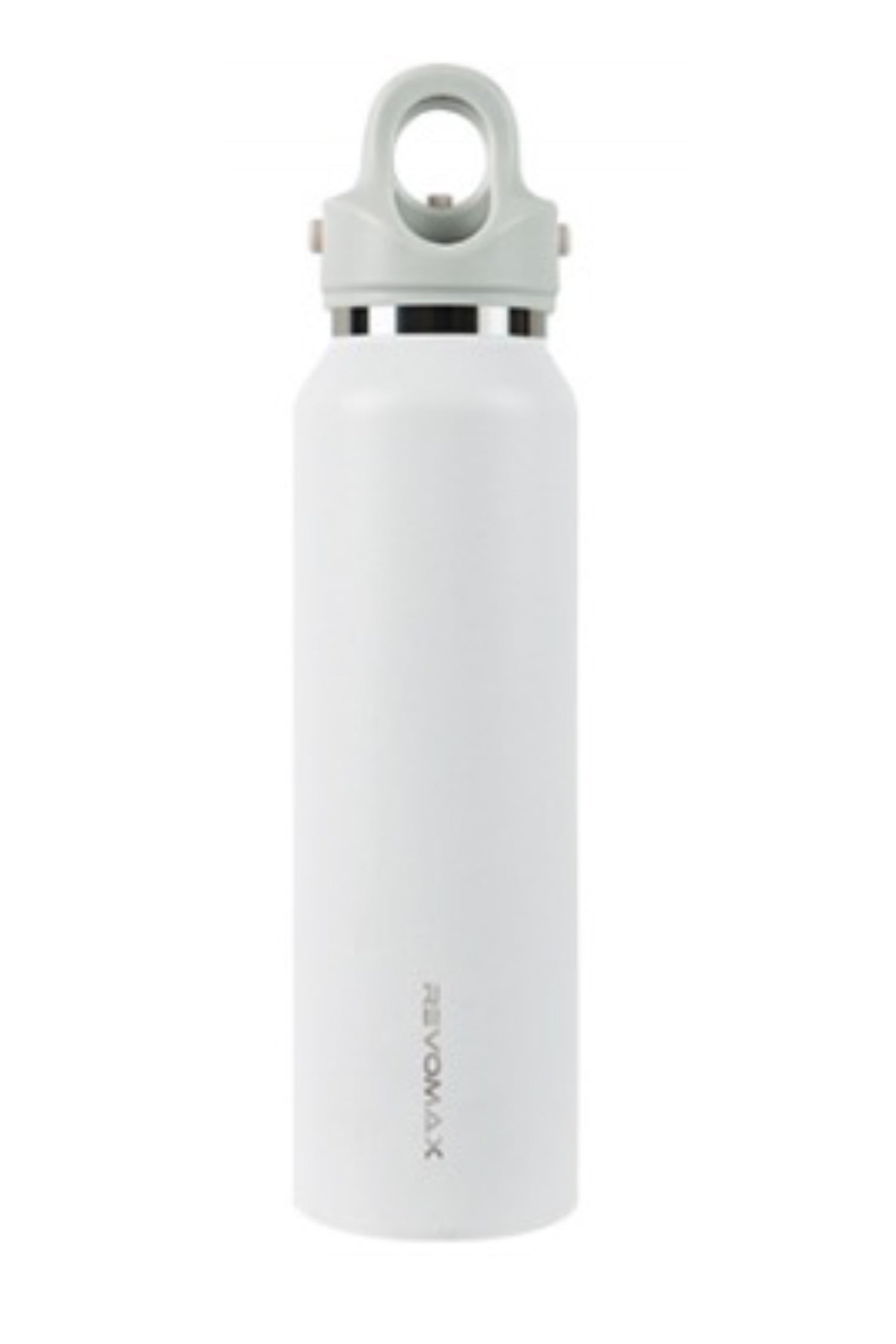
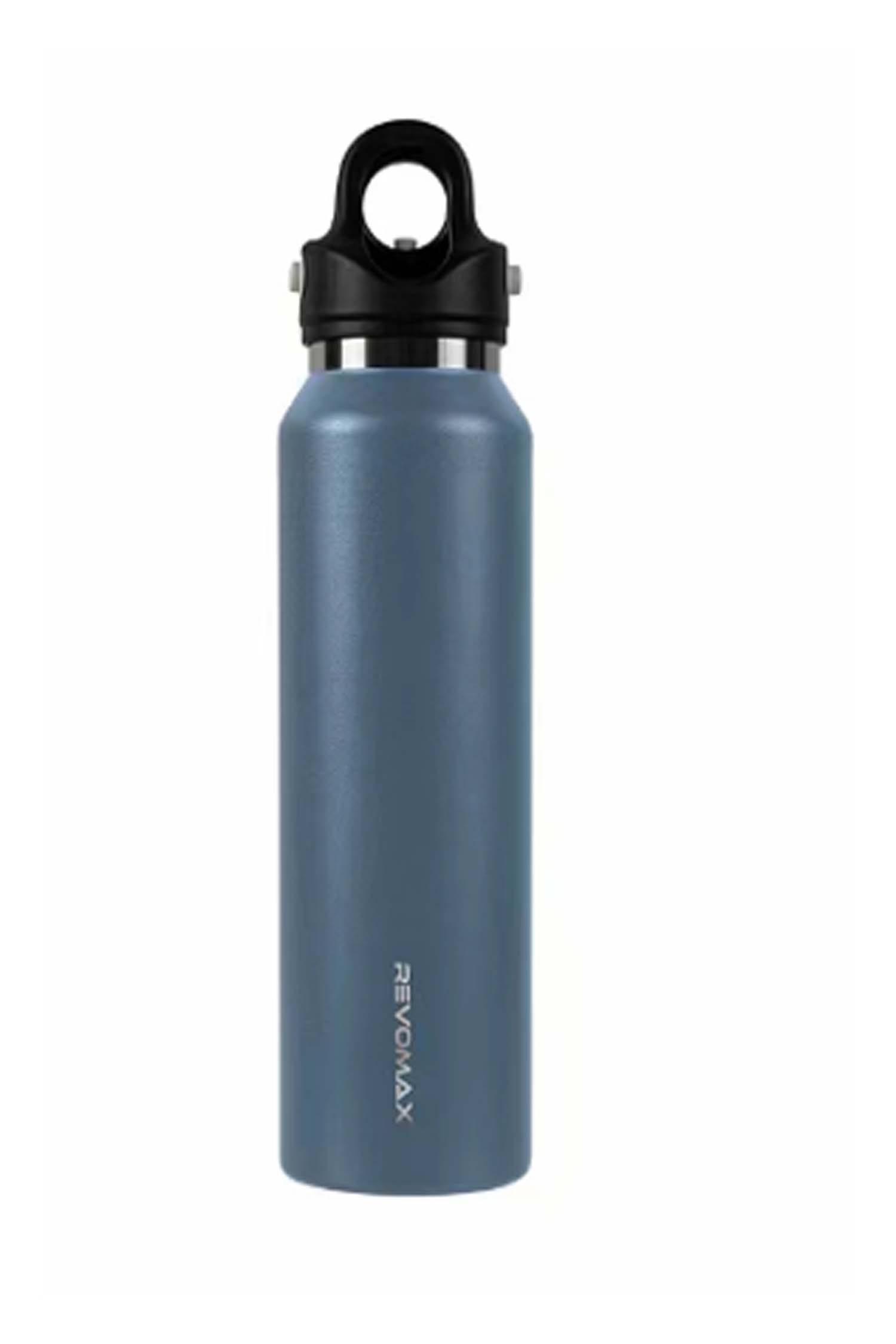
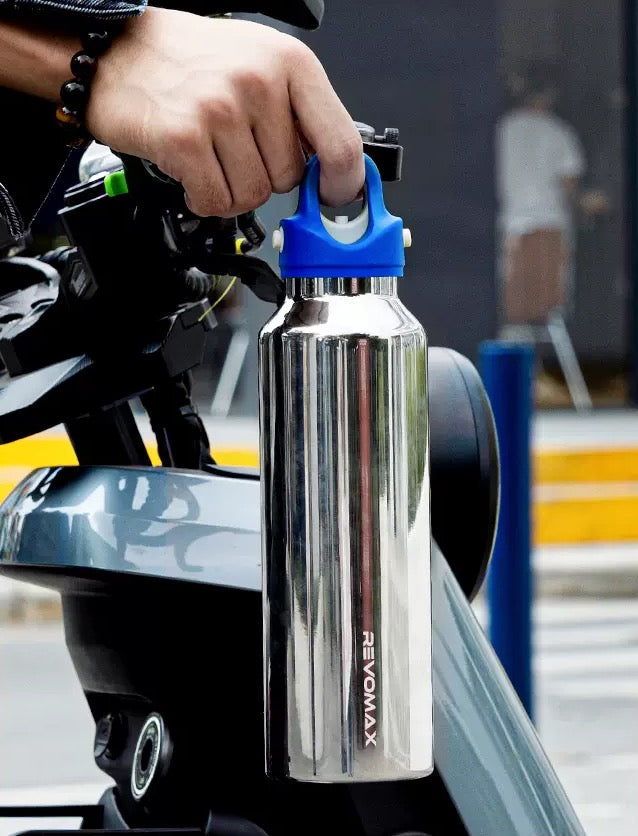
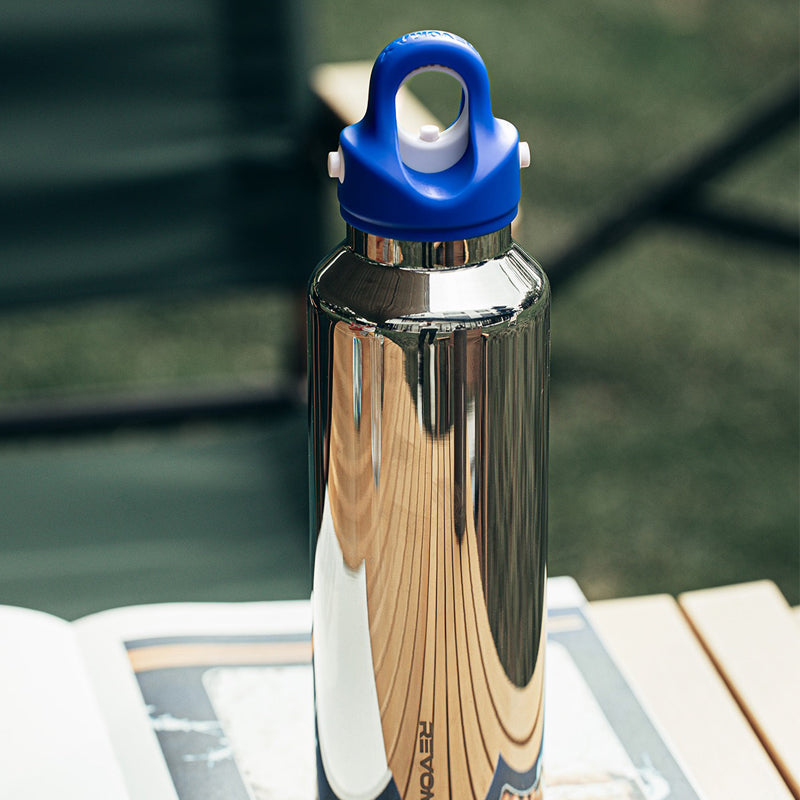
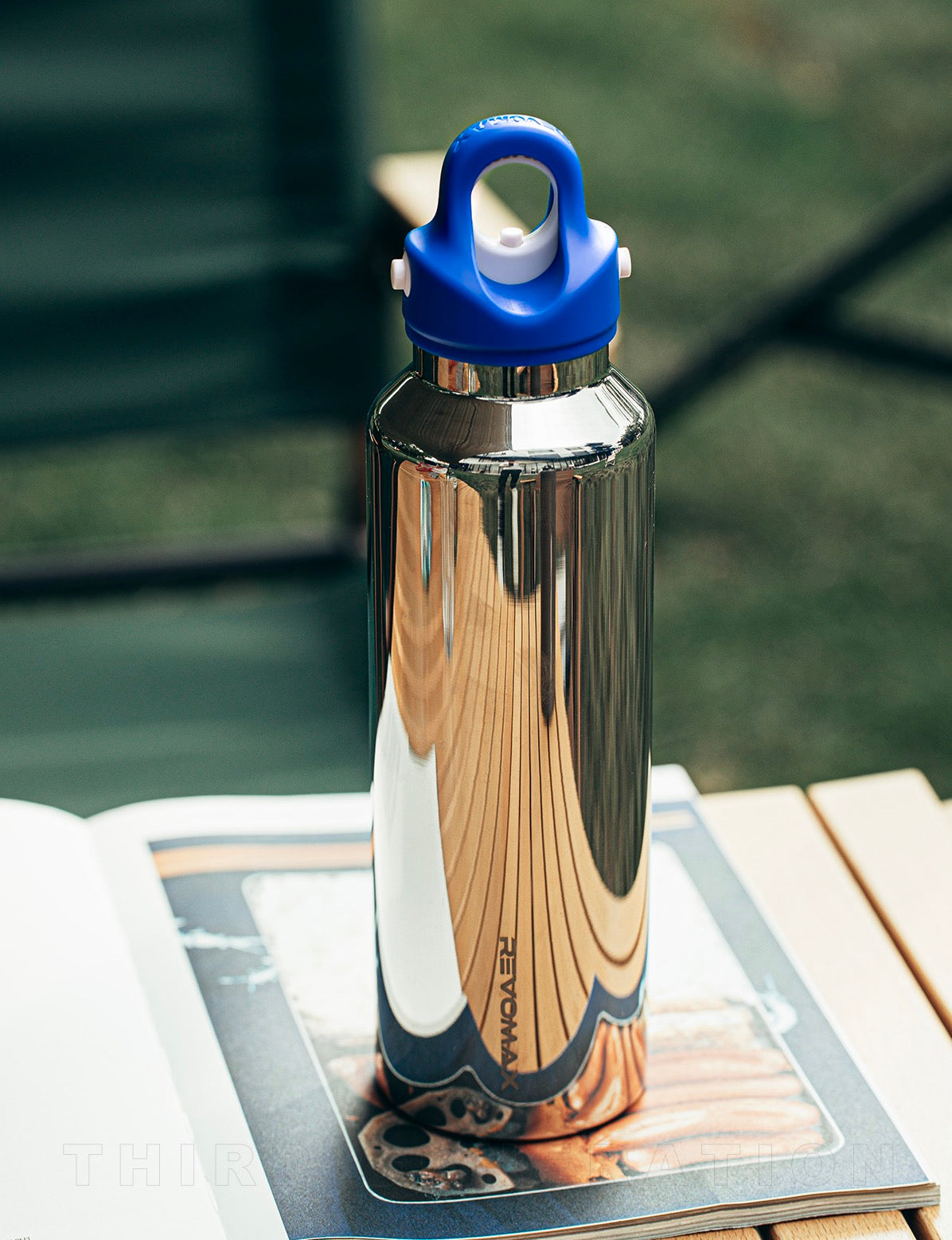
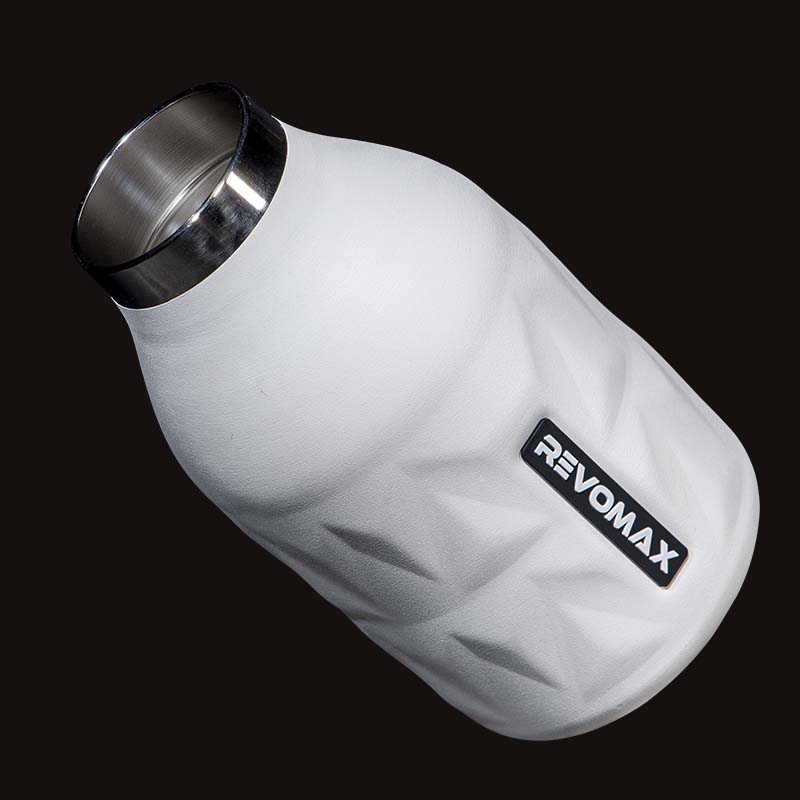
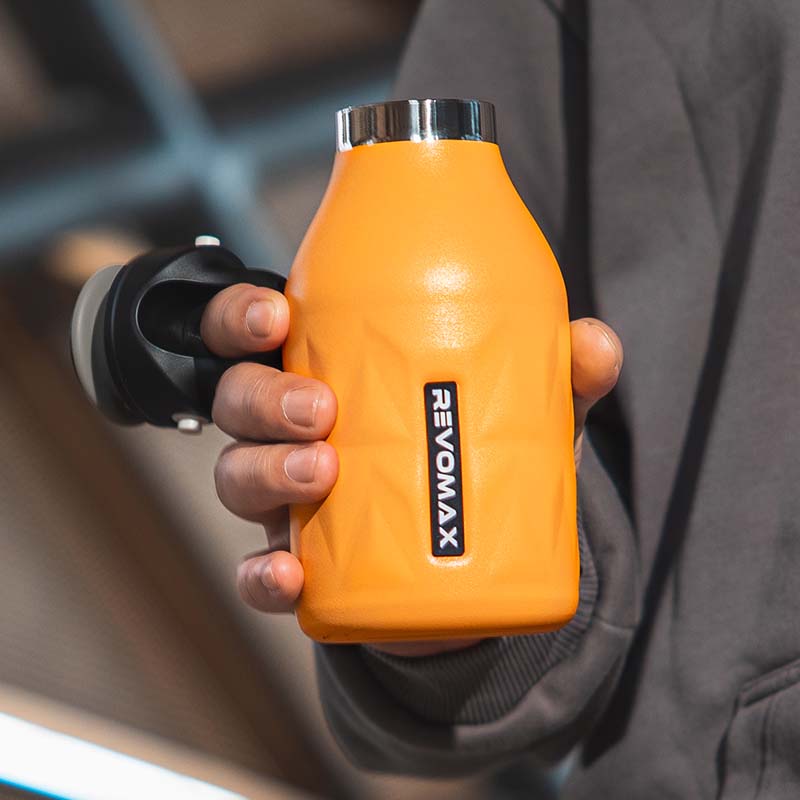
Hikesity’s Revomax 20oz / 592 ml bottle with a threadless lid and double-wall vacuum insulation pairs a specified 316L stainless steel interior with a 304 exterior, giving buyers a clear component specification rather than an unexplained “316” label.
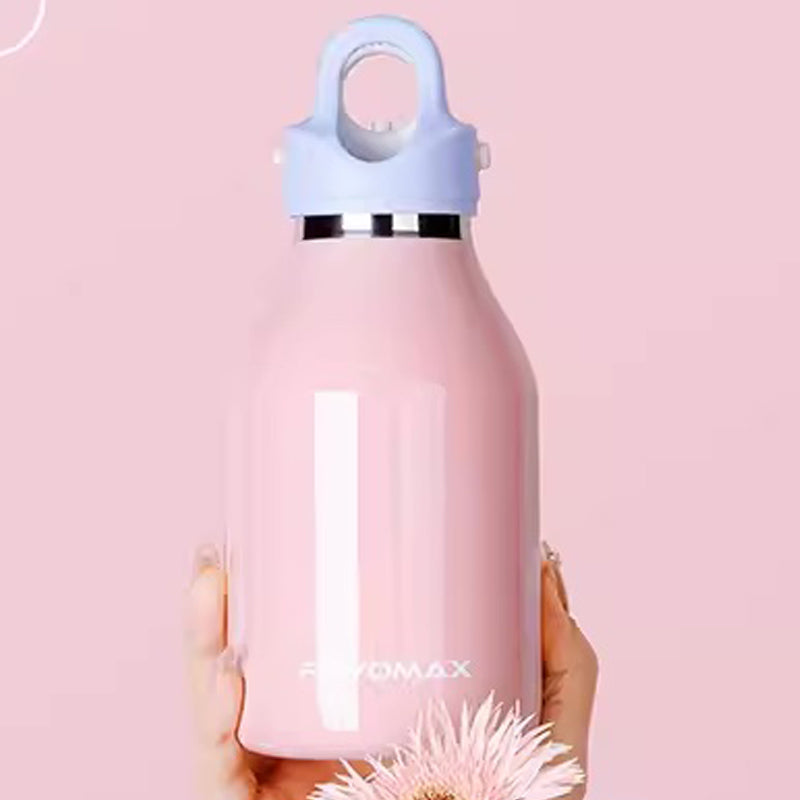
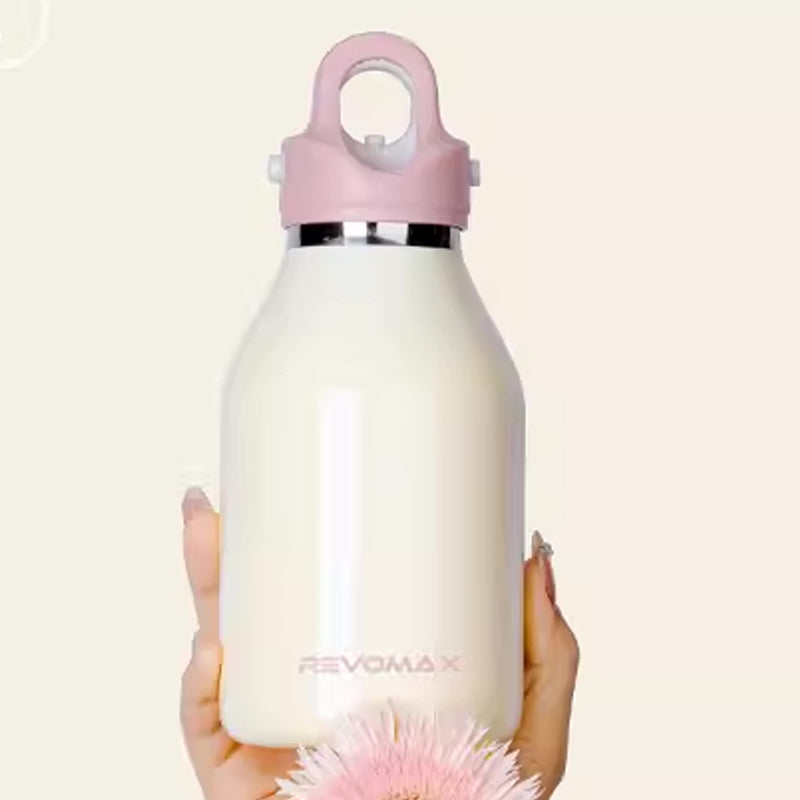
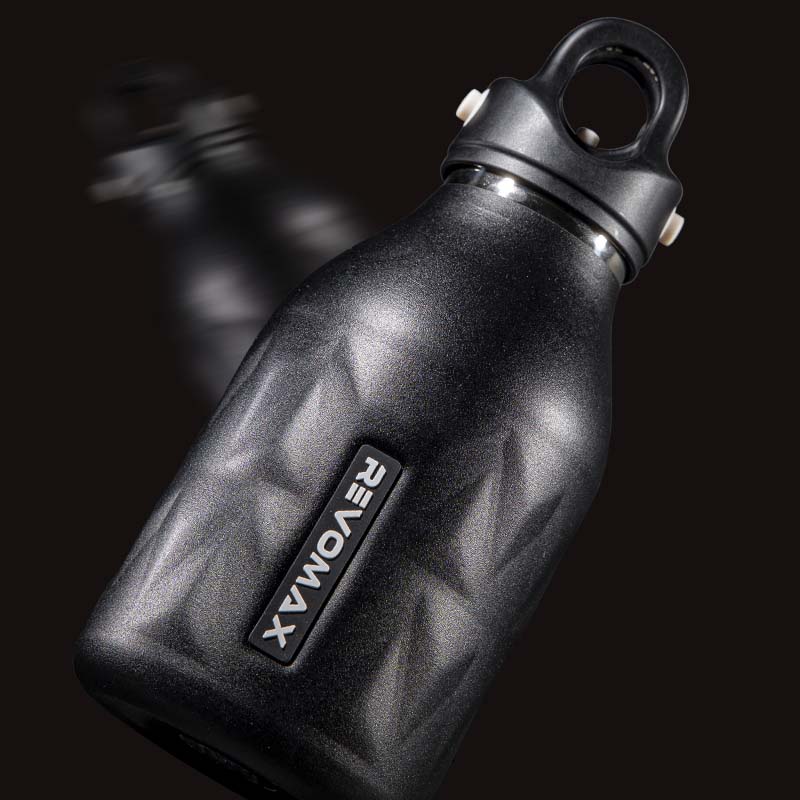
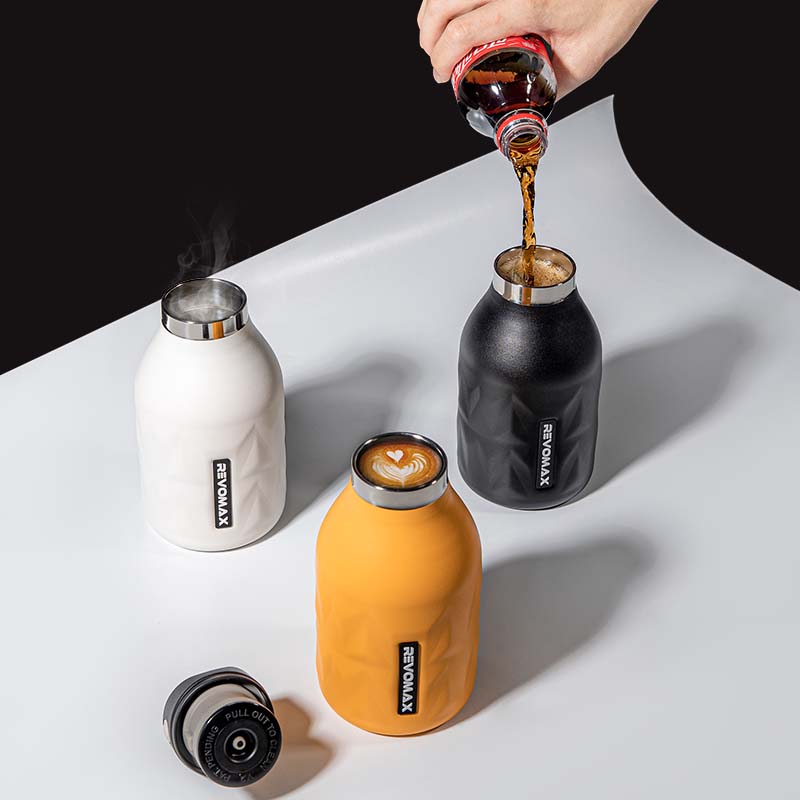
The 20oz and 32oz product pages also specify PP-and-silicone lids. Separately, the 16oz Mix & Match product specifications list its own capacity as 473 ml, with a 316L interior and 304 exterior.
| Model | Listed capacity | Inner / outer steel | Listed price in CAD | What the listing establishes |
|---|---|---|---|---|
| Revomax 20oz 316L water bottle | 592 ml | 316L / 304 | $93 | 316L liner and threadless lid. |
| Revomax 32oz 316L water bottle | 950 ml | 316L / 304 | $107 | More capacity with the same specified steel grades. |
| 16oz Mix & Match water bottle | 473 ml | 316L / 304 | See product page | Customizable lid, body and boot colours. |
Prices shown are the displayed Canadian-dollar prices on the linked 20oz and 32oz pages checked for this revision; check your selected variant for current pricing. Capacities come from each model’s own specification.
These models do not represent different steel-quality tiers. Choose capacity and lid usability to suit your routine.
The relevant distinction is between the drink-contact liner and the exterior shell. A 304 outer wall does not contradict a clearly stated 316L interior. If your question is about the two alloys rather than the low-carbon designation, see our 316L versus 304 water bottle comparison.

FAQ: Is 316 food safe? Is a "thermos 316" the same as 316L? Is 316L worth paying more for?
Is 316 food safe?
316 can be suitable for food-contact applications and is used in food-processing equipment. That does not automatically validate every bottle marked 316. The finished product’s materials, manufacturing quality, intended use and supporting documentation still matter.
Is a “thermos 316” the same as 316L?
No. A search phrase such as “thermos bottle 316” describes an insulated-bottle category and a claimed steel grade; it does not confirm the low-carbon variant. Look for an explicit 316L inner-wall specification. A listing that says only 316 leaves the low-carbon question unanswered.
Is 316L worth paying more for?
It can be a useful preference when comparing otherwise similar welded bottles with credible material documentation. Its specific benefit is reduced susceptibility to sensitization during fabrication. The letter alone does not establish better taste or longer insulation, and the information available here does not support a universal price premium.
Consider what the extra cost actually buys: documented materials, usable capacity, a lid you find convenient and access for cleaning. A vague “premium steel” description gives you less to evaluate than a component-by-component specification.
Does a “316L tumbler” label tell me more than a “316L bottle” label?
No. In either case, ask which component uses 316L. Neither product name establishes the outer-wall material, whether there is an internal coating, or the performance of the finished drinkware.
Recommended Products
- Revomax 20oz / 592 ml 316L water bottle: consider this for its documented 316L interior and threadless lid.
- Revomax 32oz / 950 ml 316L water bottle: choose it when carrying more water matters most.
- 16oz Mix & Match bottle: a smaller 473 ml option with customizable colours.
Browse the Hikesity hydration collection to compare the available formats.
Compare to alternatives
When comparing these Revomax bottles with a specific Hydro Flask, Yeti, Stanley, RTIC or Klean Kanteen model, use that model’s published specifications. Check inner-wall material, capacity, lid operation, cleaning access and price on the same basis. A brand name alone is not evidence of a particular steel grade.
For a bottle listed as 316, ask whether the liner is documented as 316 or 316L. For an alternative listed as 304 or 18/8, use our 316L versus 304 material comparison. For one advertised as surgical steel, start with what surgical steel means for a water bottle.
By Hikesity Editorial Team