



At Hikesity we hear this question a lot, usually from people who suspect their water bottle. Sometimes the bottle is the cause, and sometimes it is not. Instead of a long list of possible causes, this guide gives you a short elimination test so you can work out where the metal taste comes from and what to do about it.
The Quick Answer
A metallic taste in water usually comes from one of four places:
- The water supply, meaning what arrives at your home from the utility or your well
- Your home's plumbing, the pipes and fixtures between the supply and your glass
- The container you drink from, such as a bottle, tumbler or jug
- Your own sense of taste, which can change for reasons unrelated to the water
The fastest way to narrow it down is to compare the same water in different containers, from different taps and at different times of day. Each comparison rules out one or more sources. This guide stays general on purpose. If you have any doubt about safety, a proper water test or a medical professional will give you a real answer.
The 5-Minute Elimination Test
You need a clean drinking glass, your usual bottle and, ideally, some bottled water. Work through the steps in order and stop when you find your answer.
Step 1: Glass vs Bottle
Pour tap water into a clean glass and drink it. Then taste the same water from your usual bottle. If the water tastes fine in the glass but metallic in the bottle, the bottle is the cause, so skip ahead to the bottle section. If it still tastes metallic in the glass, the bottle is not the cause. Go on to Step 2.
Step 2: First Draw vs Running Tap
Taste the first water from the cold tap, then run the cold tap for a while before filling another glass. If the taste fades after running, the water probably sat in the pipes too long. This is common first thing in the morning or after you have been away.
Step 3: One Tap or Every Tap
Try a different tap in your home, or water from outside it, such as a friend's house or your workplace. If only one tap tastes off, the cause is probably local to that fixture or the pipe feeding it. If every tap in the home tastes the same, the cause is more likely the supply or the main plumbing.
Step 4: Bottled Water Check
Finally, taste some bottled water from a glass. If even that tastes metallic, and especially if food and other drinks do too, the cause may be your own sense of taste, not the water. Skip to the section on that below.
When the Tap Water Itself Tastes Metallic
If the taste follows the tap water into a clean glass, the source is somewhere between the supply and your faucet.
Water Sitting in the Pipes
Water that sits in household plumbing overnight can pick up a metallic taste. That is why the first glass of the morning often tastes worst, and why the taste can fade once you have run the tap for a bit. If running the tap clears it up, make it a habit to run the cold water before you fill a glass or kettle in the morning.
Well Water and Older Homes
Well water and older plumbing are common sources of a metallic taste. Taste alone cannot tell you what is in the water, though. Different causes can taste alike, and some things you might want to know about have no taste at all. A certified water test is the only way to know what is actually in your water.
When to Get Your Water Tested
Contact your water utility or a certified lab if:
- The metallic taste is new
- It persists even after you run the tap
- It comes with discoloration, staining or cloudiness
- You are on a private well
Do not guess about safety. Your utility can tell you about the supply and may be able to advise on testing, and a certified lab can test a sample from your own tap. Once you know what is in the water, you can choose the right fix, whether that is a plumbing repair, a suitable filter or something else.
When It's Your Water Bottle
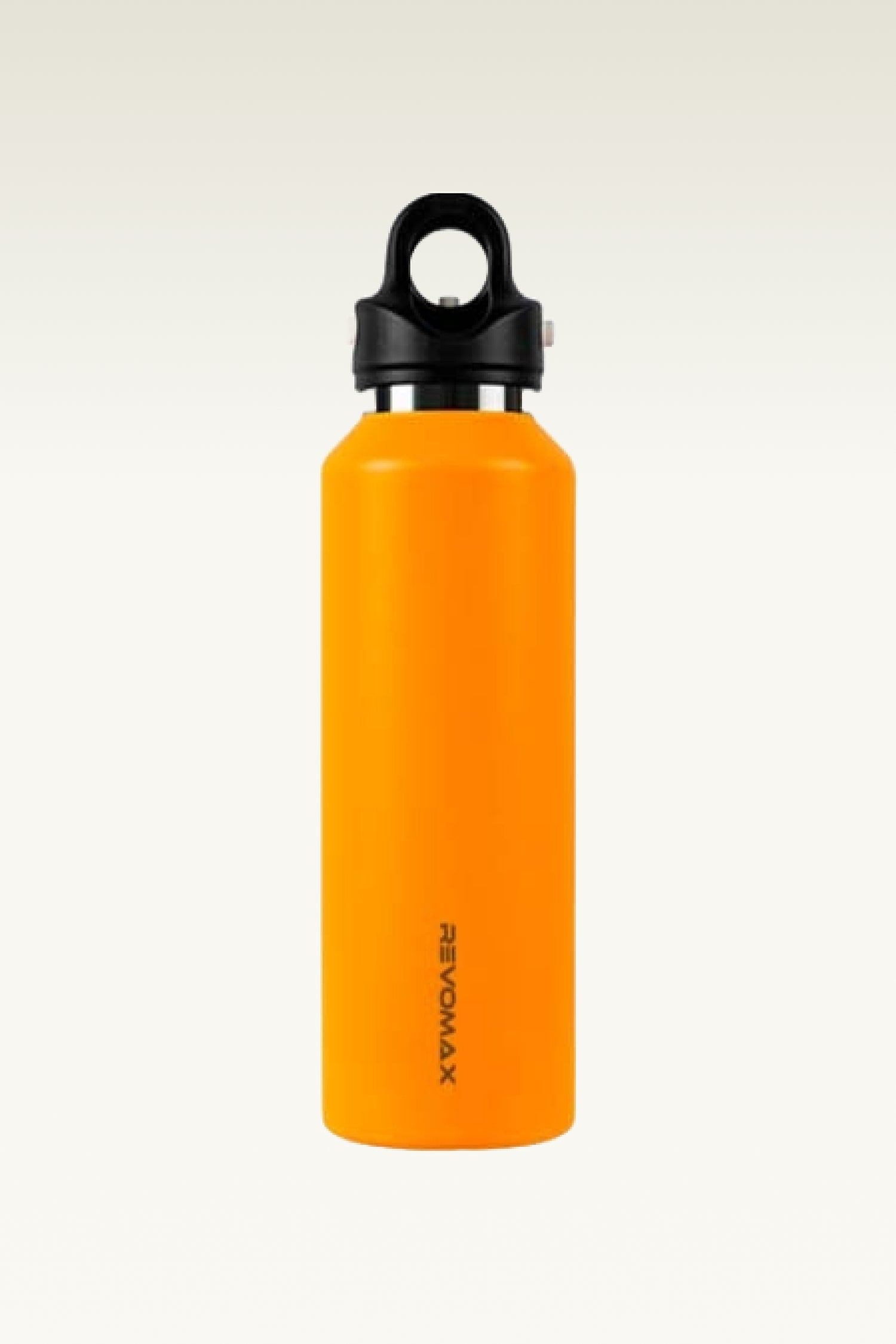
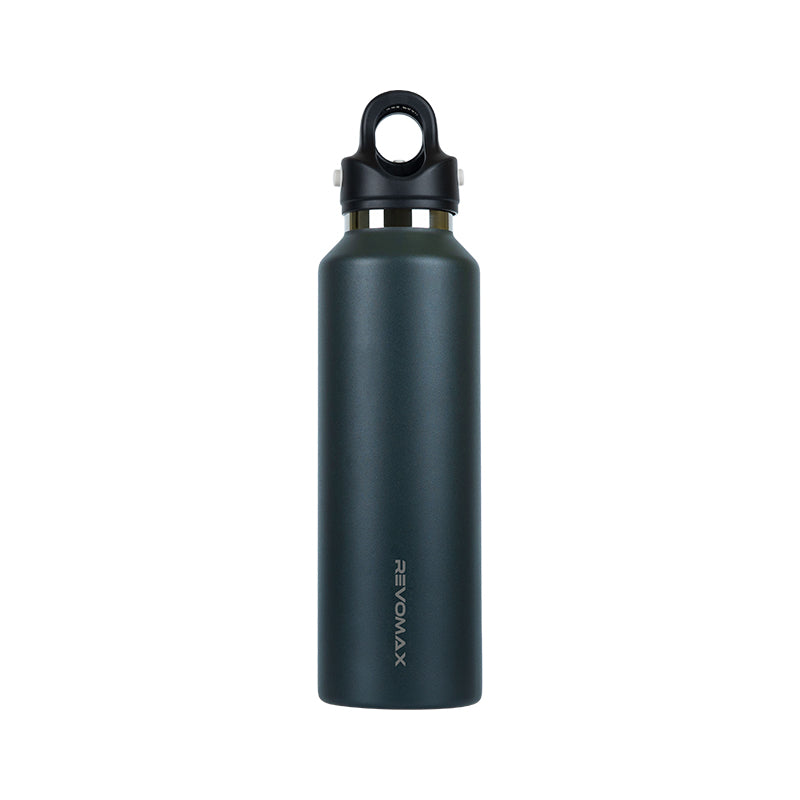
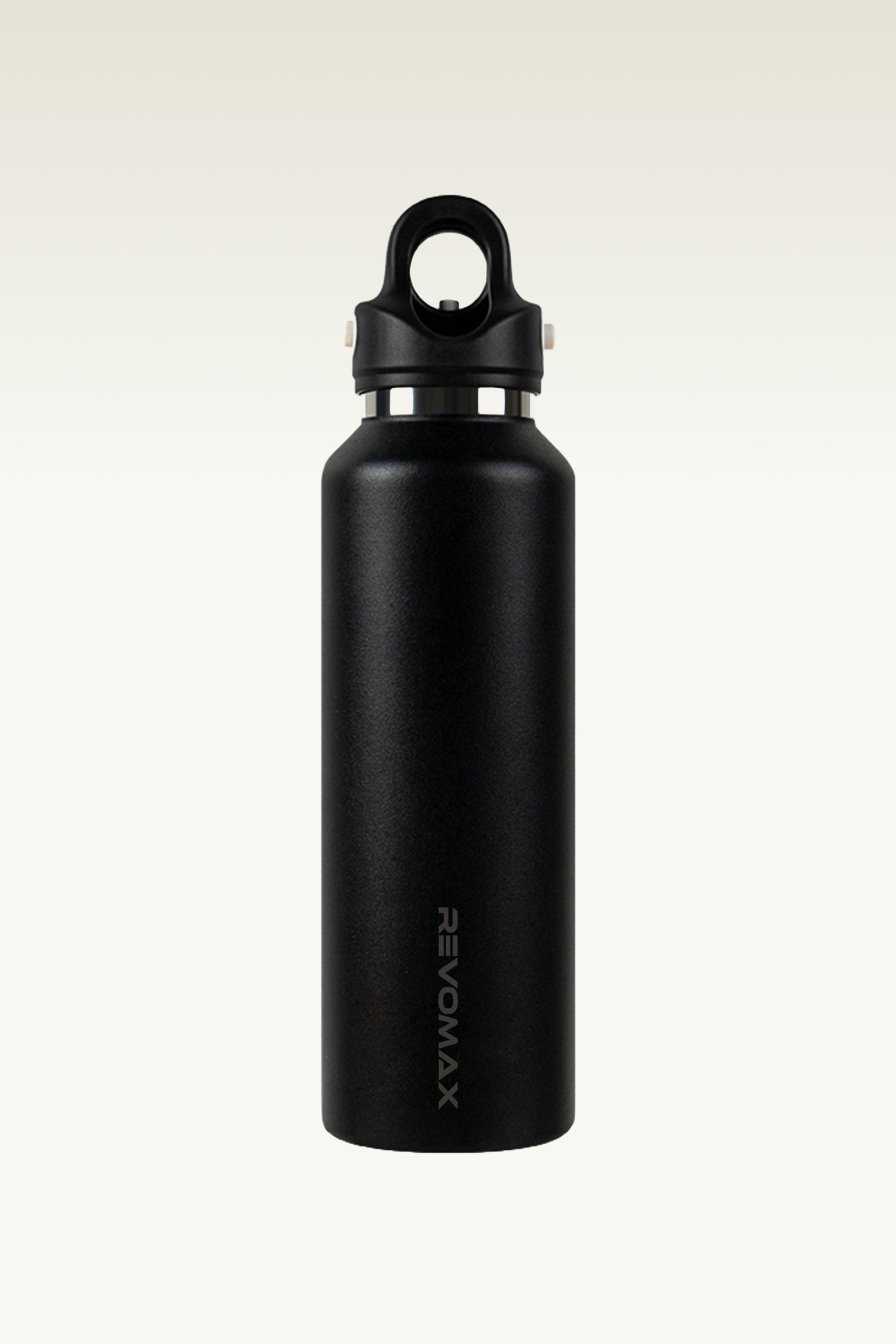
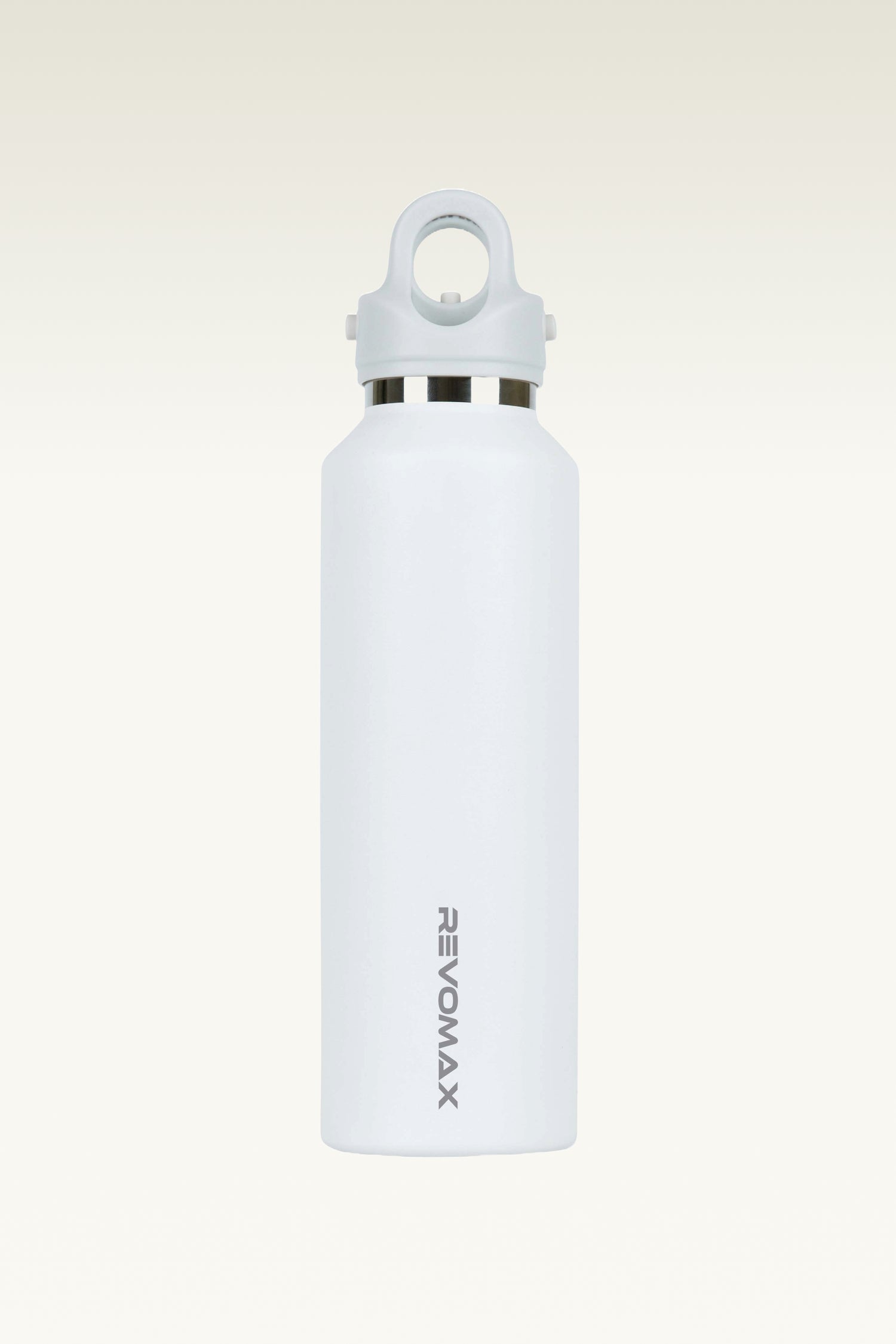
If water tastes fine in a glass but metallic in your bottle, the container is the cause. The good news is that this is usually the easiest problem to fix. For a deeper look at this specific case, see our guide Why Does My Water Bottle Taste Metallic? (And How to Fix It for Good).
Clean the Bottle and Lid First

Before you blame the bottle itself, rule out what is inside it. Common culprits include:
- Leftover residue from previous drinks or from a quick rinse that didn't fully clean the inside
- A dirty lid or gasket, where residue collects in places you can't see
- Storing acidic drinks, such as juice or other tart drinks, which can leave behind tastes that linger
Take the lid apart as far as the manufacturer allows, remove the gasket and clean every piece thoroughly, then let everything dry fully before you put it back together. Our complete guide to cleaning an insulated water bottle walks through the process step by step. After cleaning, repeat Step 1 of the test. If the glass and the bottle now taste the same, you have solved it.
Does the Bottle Material Matter?

If a clean bottle still makes water taste metallic, the material may play a part. The steel grade and the inner lining can both affect taste, and some people notice this more than others. That is why some people choose titanium or 316L stainless steel bottles when taste matters most to them.
We cover the differences between materials in detail elsewhere, so we won't repeat them here. Read Titanium vs Stainless Steel vs Ceramic Lined Water Bottles: The Complete Comparison Guide to see how the options compare before you decide whether to replace your bottle.
When Everything Tastes Like Metal: It Might Be You
If bottled water, food and other drinks all taste metallic, the cause is likely a change in your sense of taste, not the water. No bottle or filter will fix that.
Commonly reported triggers include:
- Medications
- Illness
- Pregnancy
- Dental issues
This list is not a diagnosis, and there can be other causes. If the taste persists, talk to a doctor or dentist. They can look at your health, your medications and your teeth together. If you are pregnant and also want to review what you drink from, our safety-first guide to water bottles for pregnancy covers what to look for.
What to Do Next
Match your test result to the next step:
| What you found | Likely source | What to do |
|---|---|---|
| Fine in a glass, metallic in the bottle | Your bottle | Clean the bottle, lid and gasket thoroughly; if the taste stays, consider the material |
| Taste fades after running the tap | Water sitting in the pipes | Run the cold tap before using water, especially in the morning |
| Only one tap tastes off | That fixture or its pipe | Have that fixture or its plumbing checked |
| Every tap tastes metallic, or there is discoloration | Supply or main plumbing | Contact your water utility or a certified lab for a water test |
| Bottled water, food and drinks all taste metallic | Your sense of taste | See a doctor or dentist if it persists |
To be honest: a new bottle only helps when the bottle is the source. If your tap water tastes metallic in a clean glass, replacing your bottle won't change anything, and the right move is to test the water. If you do decide a new bottle makes sense, our guide Are Stainless Steel Water Bottles Safe? is a good place to start.
Frequently Asked Questions
Is it safe to drink water that tastes like metal?
Taste alone cannot tell you whether water is safe. If the metallic taste is new, persistent or comes with discoloration, contact your water utility or a certified lab and get the water tested rather than guessing.
Why does my water taste metallic only in the morning?
Water that sits in household plumbing overnight can pick up a metallic taste, so the first glass of the day often tastes worst. Try running the cold tap for a while before filling; if the taste fades, the pipes are the likely source.
Why does water taste like metal in my stainless steel bottle but not in a glass?
That points to the bottle. Start by thoroughly cleaning the bottle, lid and gasket, since residue and leftover acidic drinks are common culprits. If a clean bottle still tastes metallic, the steel grade or lining may play a part.
Can a water filter remove a metallic taste?
It depends on what is causing the taste, and a filter will not help if the cause is your bottle or your own sense of taste. Getting your water tested first tells you what is in it, so you can choose a fix that suits the problem.
Why does everything I drink taste like metal?
If bottled water, food and other drinks all taste metallic, the cause is likely a change in your sense of taste rather than the water. Medications, illness, pregnancy and dental issues are commonly reported triggers, so talk to a doctor or dentist if it persists.
How do I get my tap water tested?
Contact your water utility, which can tell you about the supply and may advise on testing, or send a sample to a certified lab. If you are on a private well, testing is up to you, so a certified lab is the way to go.