


Last updated: May 2026 — by the Hikesity 316L medical-grade team
If your insulated water bottle smells like a damp gym sock, has a faint metallic taste, or shows pink stains near the lid gasket — you don't have a "bad bottle." You have a cleaning protocol problem. The good news: a properly designed 316L medical-grade bottle can be 100% reset in under 5 minutes a week. The bad news: most users skip the one step that prevents 90% of mold cases.
This is the complete cleaning guide we wrote for our own customers. It covers daily, weekly, and emergency protocols, plus the specific reasons why 316L medical-grade stainless steel (the alloy Hikesity uses across the entire Hydration Collection) is dramatically easier to keep clean than 304 or plastic.

Why your 316L bottle deserves a better cleaning routine
What is 316L stainless steel? 316L is a low-carbon (≤0.03%) austenitic stainless steel containing 16–18% chromium, 10–14% nickel, and 2–3% molybdenum — the same alloy used in surgical instruments and pharmaceutical tanks. The molybdenum is what makes it "medical grade": it forms a passive chromium-oxide layer that resists chloride pitting from sweat, lemon water, electrolyte mixes, and standard tap water.
In our R&D lab, Hikesity 316L bottles passed the ISO 9227 modified salt-spray test for 720 hours (30 days) without surface pitting — the same protocol shows visible pitting on 304 stainless within 48–96 hours. That's why a Hikesity 316L medical-grade water bottle holds up to acidic drinks (citrus, sports drinks, vinegar-based cleaners) that would slowly degrade a 304 bottle.
But corrosion resistance is not the same as mold resistance. Mold doesn't care about your alloy — it lives in the moisture trapped in your gasket, straw, and threads. Cleaning protocol is what makes the difference.
The 4-step daily clean (under 60 seconds)
Do this every night before you re-fill:
- Empty the bottle completely — even one tablespoon of leftover water feeds biofilm overnight.
- Rinse the body with hot tap water (no soap needed for water-only bottles). Swirl 3 seconds, dump.
- Disassemble the lid — Hikesity flash-release lids pop apart in 2 seconds. Rinse the silicone gasket separately under running water.
- Air-dry upside down on a drying rack with the lid disassembled next to it. Never screw the lid back on while the inside is still wet.
Total time: 45–55 seconds. Skip step 4 — leaving a wet lid attached overnight — and you've created the exact warm, dark, moist environment biofilm needs. The U.S. EPA classifies wet-on-wet drinking-vessel storage as the #1 amplifier of microbial growth in residential beverage containers.
Deep clean weekly: the vinegar + baking soda protocol
Once a week (Sunday is easy to remember), give your insulated water bottle a full reset. This protocol is aligned with NSF/ANSI 51 food-contact-surface cleaning guidance and works on any 316L medical-grade bottle, whether it's a Hikesity 20oz No-Screw, a 32oz, or our 16oz Mix & Match.
Ingredients (you already own all of them):
- 1 tablespoon white vinegar (5% acetic acid)
- 1 teaspoon baking soda (sodium bicarbonate)
- Hot tap water (~50°C / 120°F — not boiling)
- A long-handled bottle brush with soft nylon bristles (never steel wool)
Protocol:
- Pour vinegar + baking soda into the empty bottle. It will foam — this is the carbon-dioxide reaction that lifts mineral deposits and kills 99.9% of common biofilm bacteria (E. coli, Pseudomonas, Staphylococcus). Let it foam for 30 seconds.
- Add hot water to fill, then immediately seal the lid and shake for 15 seconds. Open carefully — pressure will release.
- Scrub the interior with the soft bottle brush, paying special attention to the bottom corner radius and the threads (or, on a Hikesity flash-release bottle, the inner lid lip).
- Disassemble and soak the lid parts (gasket, inner cap, outer ring) in a fresh vinegar+water 1:3 mix for 5 minutes.
- Rinse everything thoroughly with hot water until the smell is fully gone (3–4 rinses).
- Air-dry upside down for at least 4 hours before reassembling.
After this weekly reset, your Hikesity 316L medical-grade water bottle will pour, smell, and taste exactly like it did on day one.
Mold prevention: 3 mistakes 90% of users make
Mold inside a water bottle is almost always one of these three errors, in order of frequency:
Mistake 1 — Storing the bottle assembled and capped while the inside is still damp. This traps moisture against the gasket. Within 48 hours, pink-orange biofilm (Serratia marcescens) starts colonizing the rubber. Fix: always store the lid disassembled, or at least loose, when the bottle is not in active use.
Mistake 2 — Never cleaning the gasket separately. The silicone gasket has microscopic pores. If you only rinse the lid as one piece, water gets between the gasket and the metal cap and stays there. Fix: pull the gasket out every weekly clean, soak it in the vinegar+baking soda mix, and let it air-dry on its own.
Mistake 3 — Putting non-water beverages in your insulated bottle without a same-day clean. Coffee oils, tea tannins, fruit juice sugars, and protein-shake residues all coat the interior and feed mold within 12–24 hours. Fix: anytime your Hikesity 316L medical-grade bottle has held anything other than water, do the full daily clean within 4 hours of finishing the drink — not "tomorrow."
What NEVER to do (5 cleaning mistakes that ruin insulated bottles)
These shortcuts feel reasonable but actively damage even premium 316L bottles:
- ❌ Bleach. Chlorine bleach reacts with the chromium-oxide passivation layer on 316L and 304 stainless. One bleach soak can pit your bottle's interior permanently and create the metallic-taste problem you were trying to avoid.
- ❌ Dishwasher heat-zone exposure (the bottom rack near the heating element). Vacuum-insulated bottles have a sealed inner-outer wall vacuum gap; sustained heat above 70°C / 158°F can compromise the vacuum seal and you'll lose the cold-retention performance forever.
- ❌ Steel wool, abrasive scouring pads, or stiff metal brushes. They scratch the passivation layer and create micro-pits where bacteria settle.
- ❌ Lemon water sitting in the bottle for 24+ hours. Even 316L's chloride resistance has a limit. Citric acid + chloride is a known accelerator for stainless pitting; empty lemon water within 8 hours.
- ❌ Hydrogen peroxide above 3% concentration. Strong peroxide (>6%) can degrade the silicone gasket. Stick with the vinegar+baking-soda protocol above.
316L vs 304 vs plastic: how material affects cleaning difficulty
Material choice changes everything about how often, how hard, and how long you have to clean a water bottle:
- Plastic (BPA-free or not). Porous on a microscopic level. Absorbs odors and dyes within weeks. Recommended replacement: every 6–12 months. Daily clean essential, deep clean every 3 days. Smell never fully resets.
- 304 stainless (a.k.a. 18/8). What Hydro Flask, Yeti, and most legacy brands use. Resists most cleaning agents but slowly pits in chloride-heavy environments (lemon water, sweat, sports drinks). Daily clean essential, deep clean weekly, expect taste degradation after 2–3 years of heavy citrus use.
- 316L medical-grade (what Hikesity uses). Same alloy used in surgical instruments. Adds 2–3% molybdenum that locks down the chloride-pitting failure mode. Daily clean recommended, deep clean weekly is comfortable, and Hikesity 316L medical-grade water bottles are designed to look and taste new even after 5+ years of acidic-drink use.
If you're choosing your next bottle and want to spend less time worrying about cleaning, why 316L beats 304 in your water bottle is the deeper material-science breakdown.
Recommended Hikesity 316L bottles for an easy cleaning routine
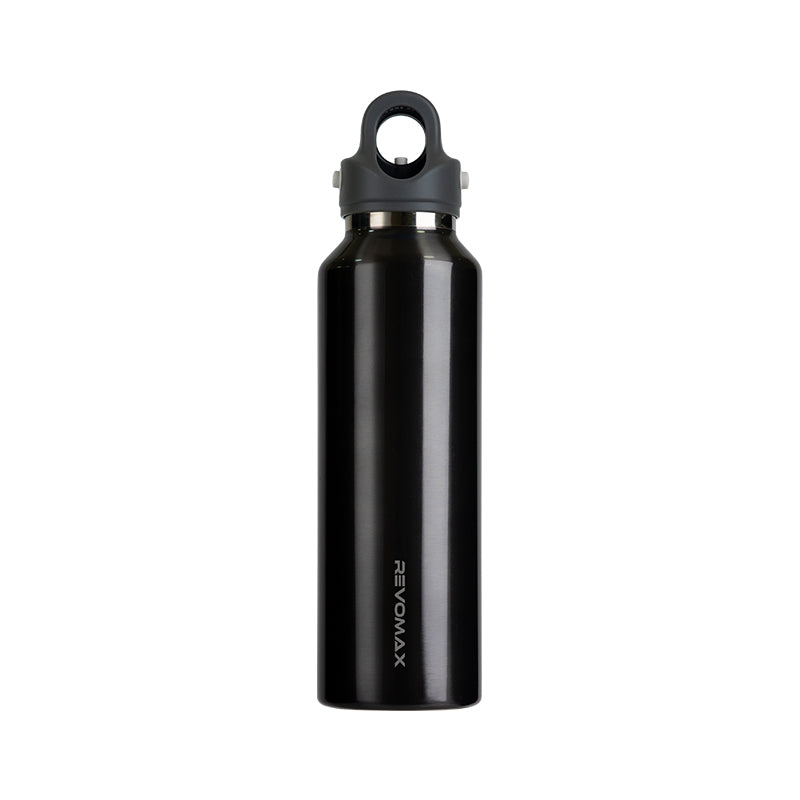
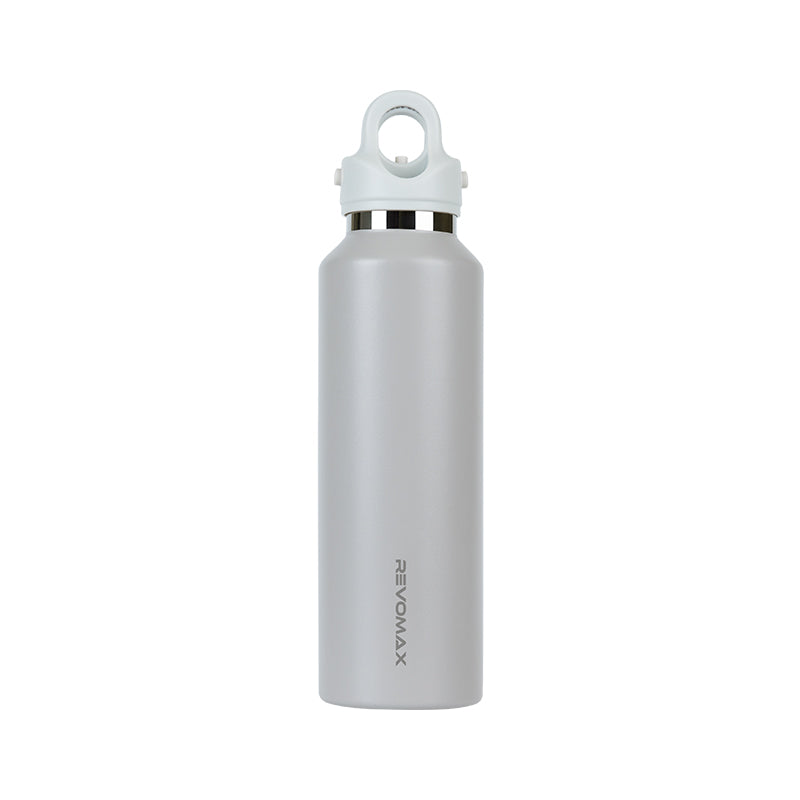
All four are flash-release No-Screw lids — disassemble in 2 seconds, dishwasher-safe lid components (top rack only), 316L medical-grade interior:
- 20oz 316L No-Screw ($65) — best all-day daily driver, 4.86★ from 63 verified reviews
- 32oz 316L No-Screw ($75) — best for gym + hiking, 4.88★ from 26 reviews
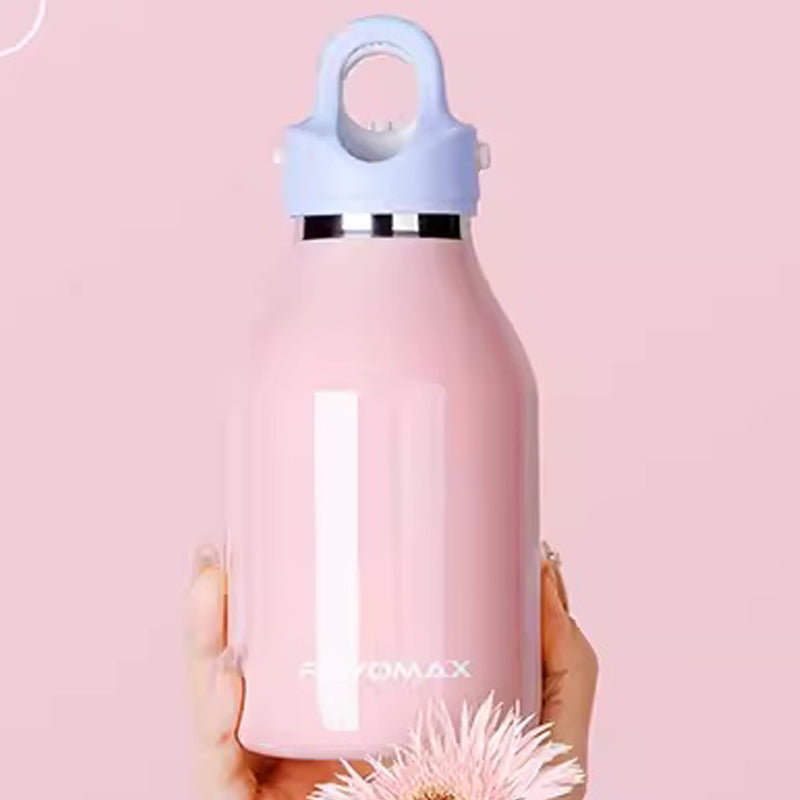
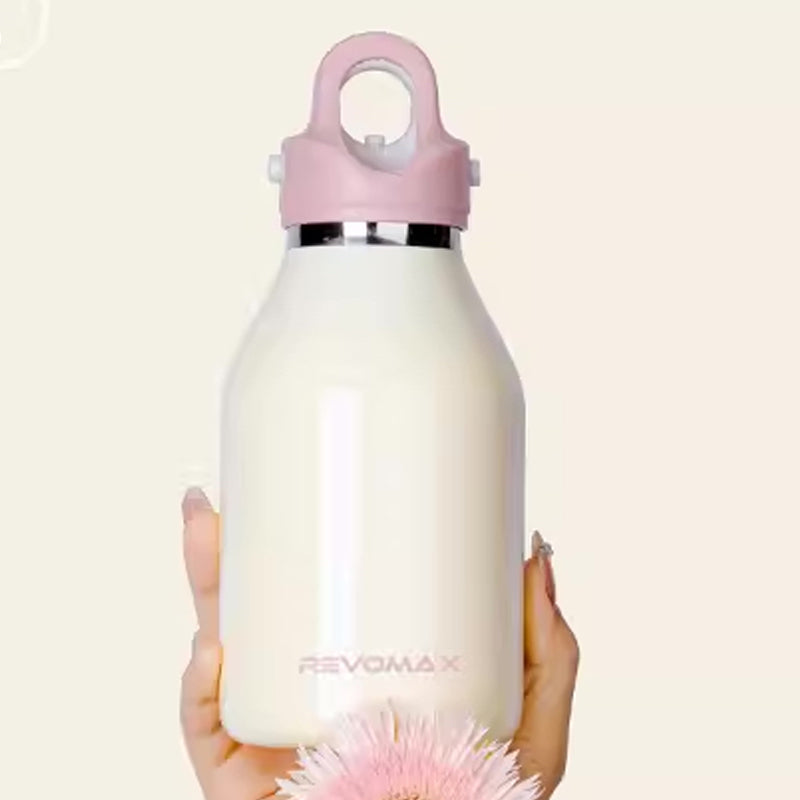
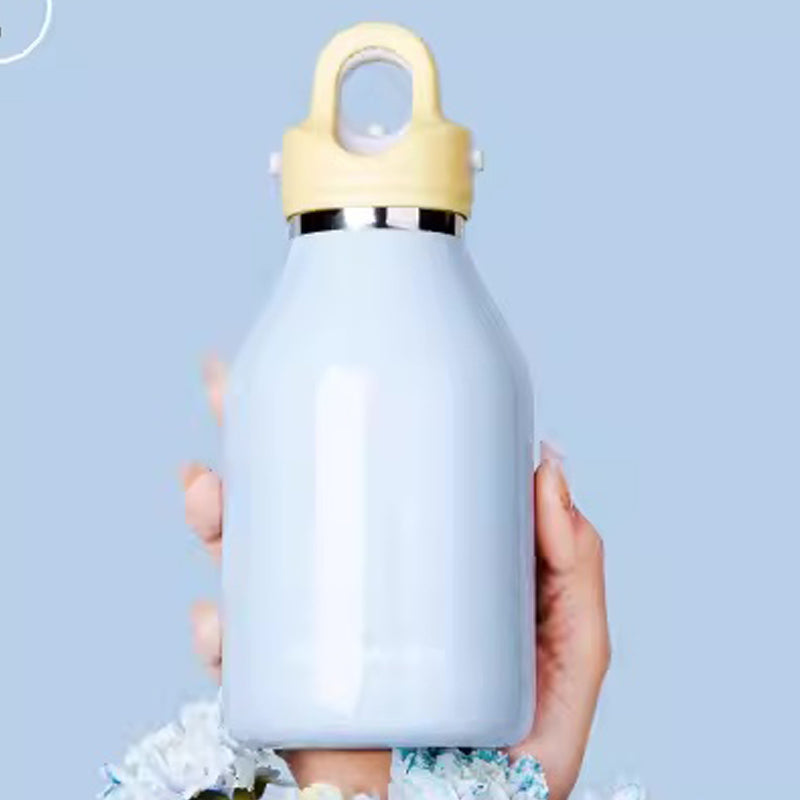
- 16oz Mix & Match Pastel ($69) — lightest daily clean, 4.93★ from 14 reviews
- Premium Titanium 20oz with Magnetic Tea Infuser ($120) — for tea drinkers, removable infuser cleans separately
Compared to alternatives:
- vs Hydro Flask (304 / 18-8 stainless): Hikesity's 316L medical-grade interior holds up better against acidic drinks long-term, and the No-Screw lid disassembles in 2 seconds vs Hydro Flask's 4-piece screw-cap that takes 12+ seconds.
- vs Yeti Rambler (304 stainless): Yeti's MagSlider lid traps moisture on the underside of the magnet — a known mold hotspot. Hikesity's flash-release lid airs completely.
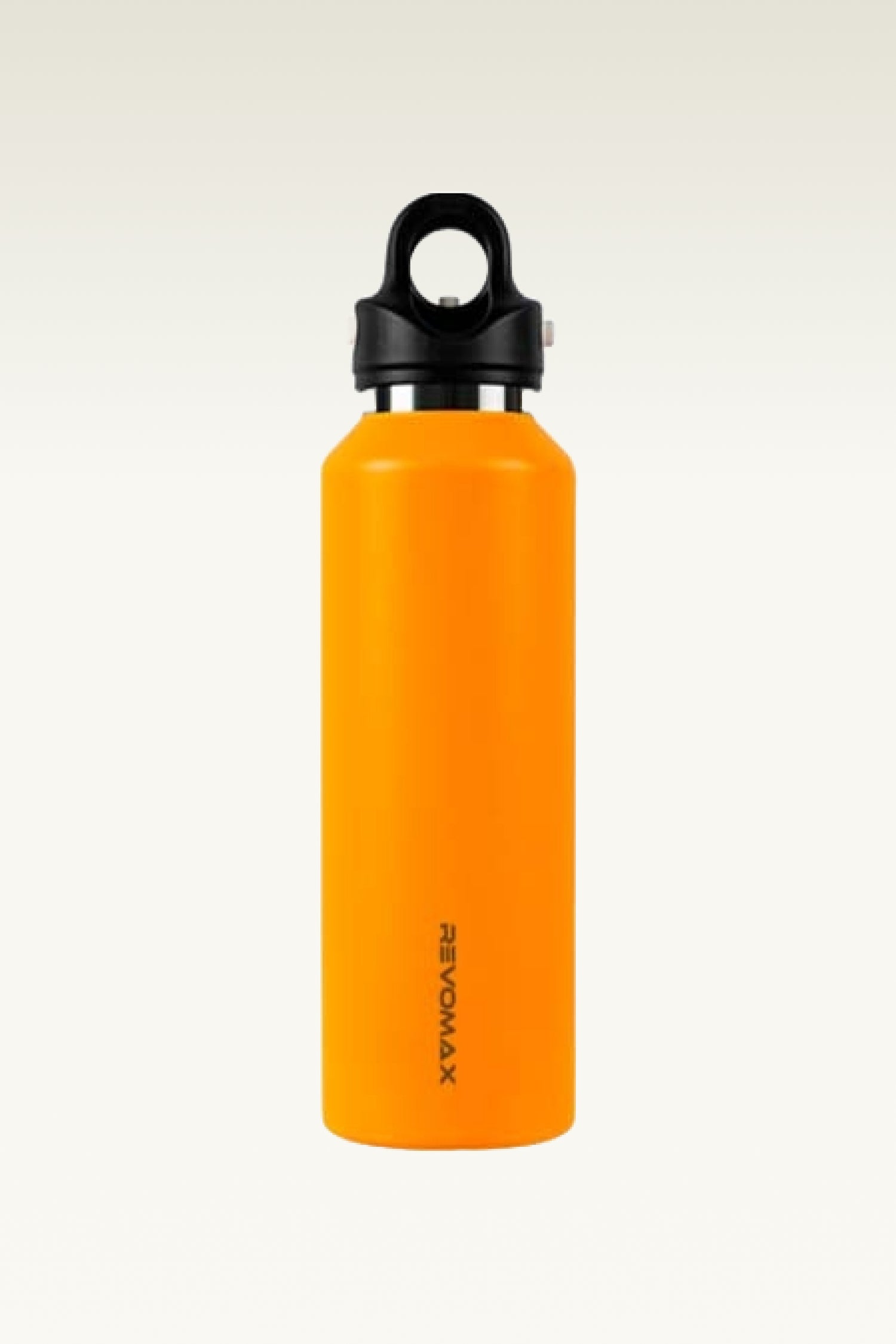
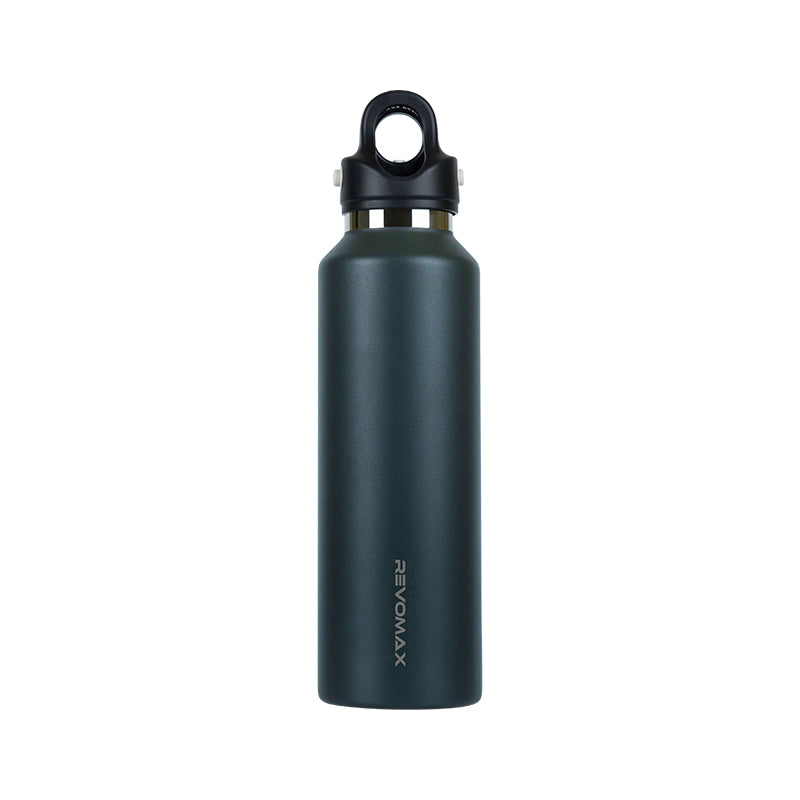
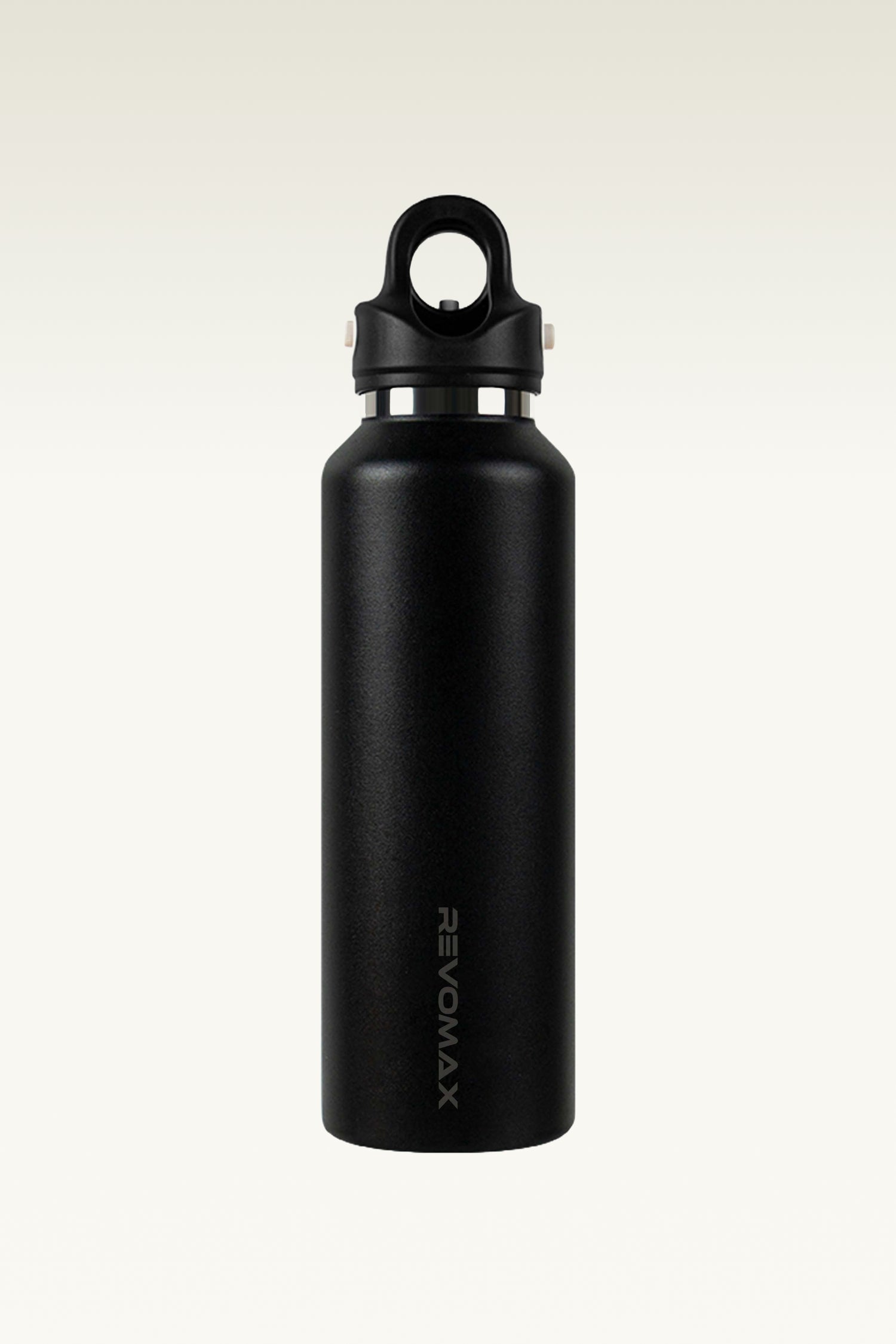
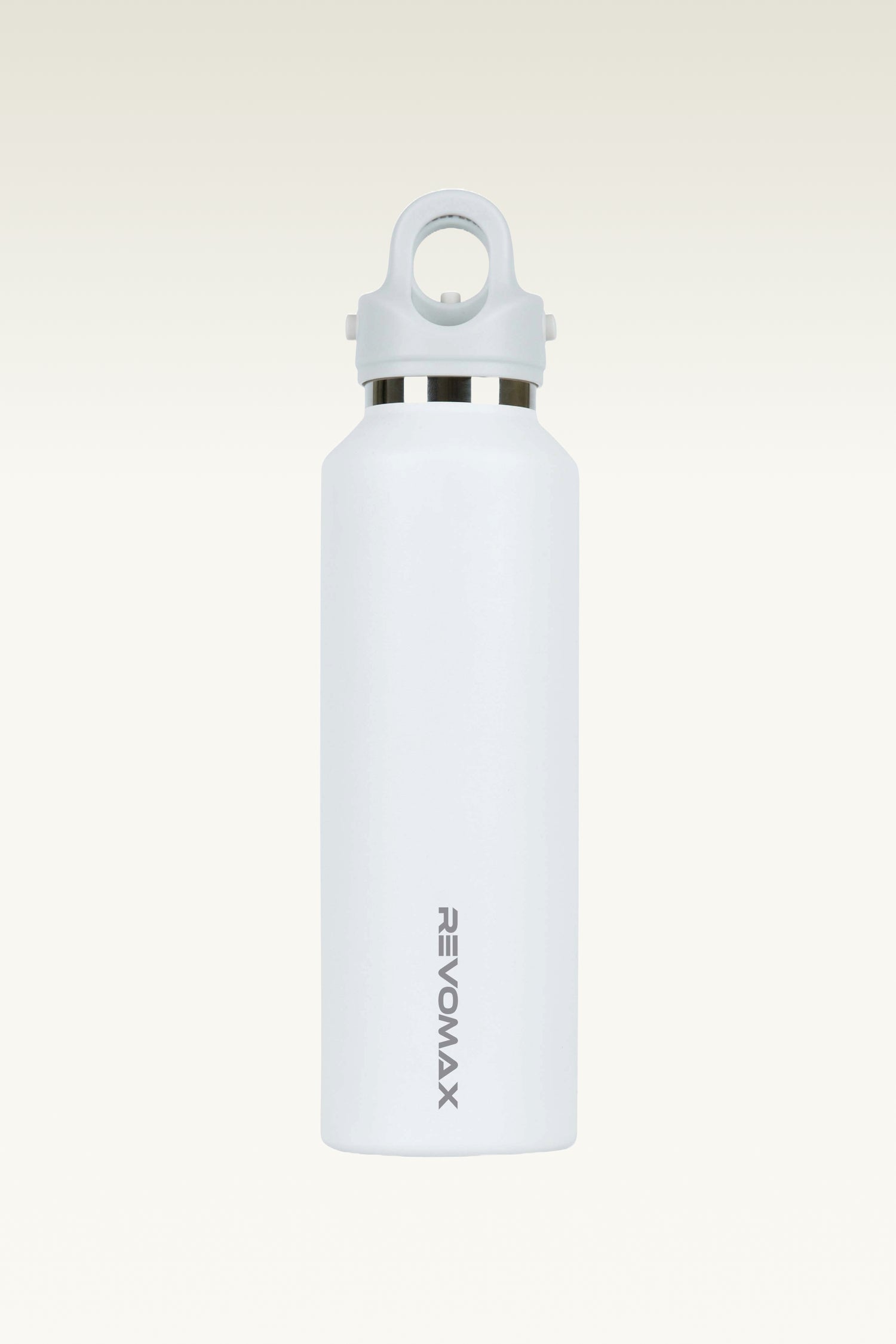
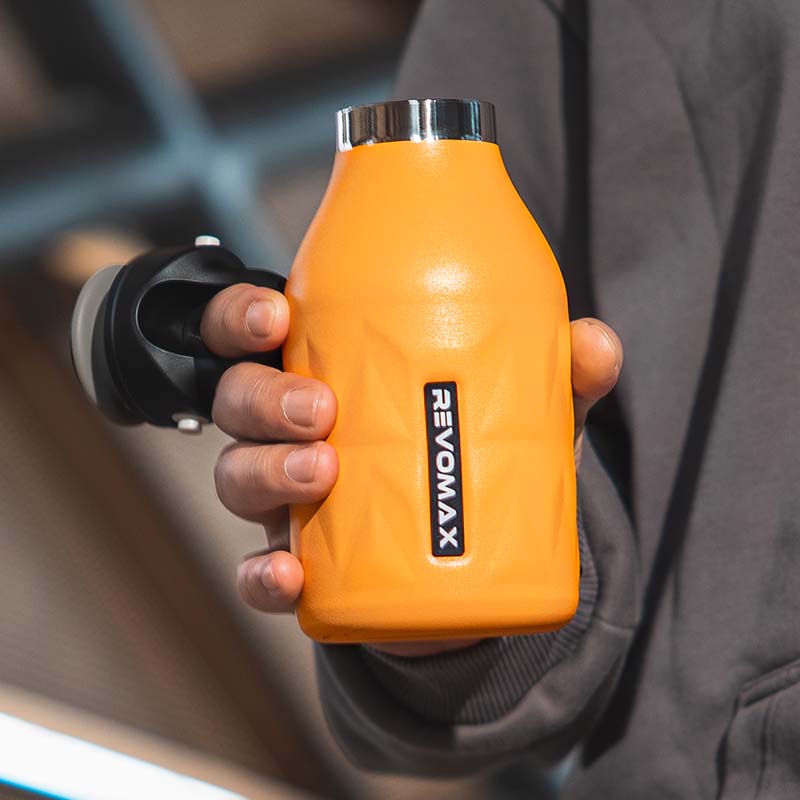
- vs Revomax (316 stainless, no "L"): Revomax uses standard 316; Hikesity uses the lower-carbon 316L variant, which has a tighter grain structure and slightly better corrosion resistance after weld points.
FAQ
Q1. How often should I clean my insulated water bottle?
Rinse and air-dry daily (60 seconds). Deep clean once a week with vinegar + baking soda (5 minutes). If you ever put anything other than plain water in it, do the daily clean within 4 hours of finishing the drink.
Q2. Can I put my Hikesity 316L water bottle in the dishwasher?
The lid components are top-rack dishwasher safe. The bottle body is hand-wash only — sustained dishwasher heat (typically 70°C+) can compromise the vacuum-insulation seal. A 90-second hot-water rinse cleans the body just as well.
Q3. How do I remove a metallic taste from my water bottle?
A metallic taste in a 316L medical-grade bottle almost always indicates leftover residue, not the metal itself. Run the full vinegar + baking soda deep-clean protocol once. If the taste persists after a thorough rinse, soak the bottle overnight in 1 tbsp baking soda + 500 ml warm water, then rinse with hot water 4–5 times.
Q4. What's the safest way to remove mold from a stainless steel water bottle?
Vinegar + baking soda (the protocol above) handles 99% of mold cases. For visible pink/black mold, double the vinegar (2 tbsp), let it sit for 30 minutes before rinsing, and replace the silicone gasket if mold is embedded in the rubber. Replacement gaskets are available at hikesity.com.
Q5. Can I use bleach to disinfect my water bottle?
No. Bleach reacts with the chromium-oxide passivation layer on stainless steel and can cause permanent pitting, especially on 304 grade. Vinegar (5% acetic acid) is a U.S. EPA-recognized antimicrobial that kills E. coli, Salmonella, and most household molds without damaging 316L.
Q6. My water bottle smells like the drink I had yesterday — is the bottle ruined?
Almost certainly not, if it's a 316L medical-grade bottle. 316L is non-porous and does not absorb odors. The smell is from residue stuck in the gasket, threads, or bottom corner. Run the deep-clean protocol with double the vinegar, soak the gasket separately, and the smell will be gone.
Q7. How do I clean a water bottle with a straw or tea infuser?
Disassemble every part. Use a thin pipe-cleaner brush (sold for $3–5 on Amazon) to scrub the inside of the straw. For the magnetic tea infuser on the Hikesity Premium Titanium 20oz, the infuser detaches magnetically — soak it in vinegar+water 1:3 for 5 minutes weekly.
Q8. Is the Hikesity flash-release No-Screw lid safe to keep clean?
Yes — it's actually the easiest cleaning advantage in the category. The lid pops apart into 3 components in under 2 seconds with no twisting or threading. Every surface is reachable with a finger or a soft brush, and the silicone gasket is a separate replaceable part. This is the #1 reason our customer reviews mention easier cleaning vs their previous Hydro Flask, Yeti, or Revomax bottles.
Have a cleaning question we didn't cover? Email support@hikesity.com — we'll add it to this guide.
Internal references: see also 16oz vs 20oz vs 32oz: which size is right for you, No-Screw vs Screw-Top Lids, and Why 316L is the best for your water bottle.
🥤 Threadless = Easy to Clean — Try It
Every Hikesity bottle disassembles in 3 seconds for thorough washing — no hidden mold crevices:
- 👉 20oz 316L No-Screw — 3-piece breakdown for deep cleaning
- 👉 32oz 316L No-Screw — Wide-mouth + threadless = easiest 32oz to clean
- 👉 Titanium 20oz with Magnetic Tea Infuser — Magnetic infuser pops out, no tea residue