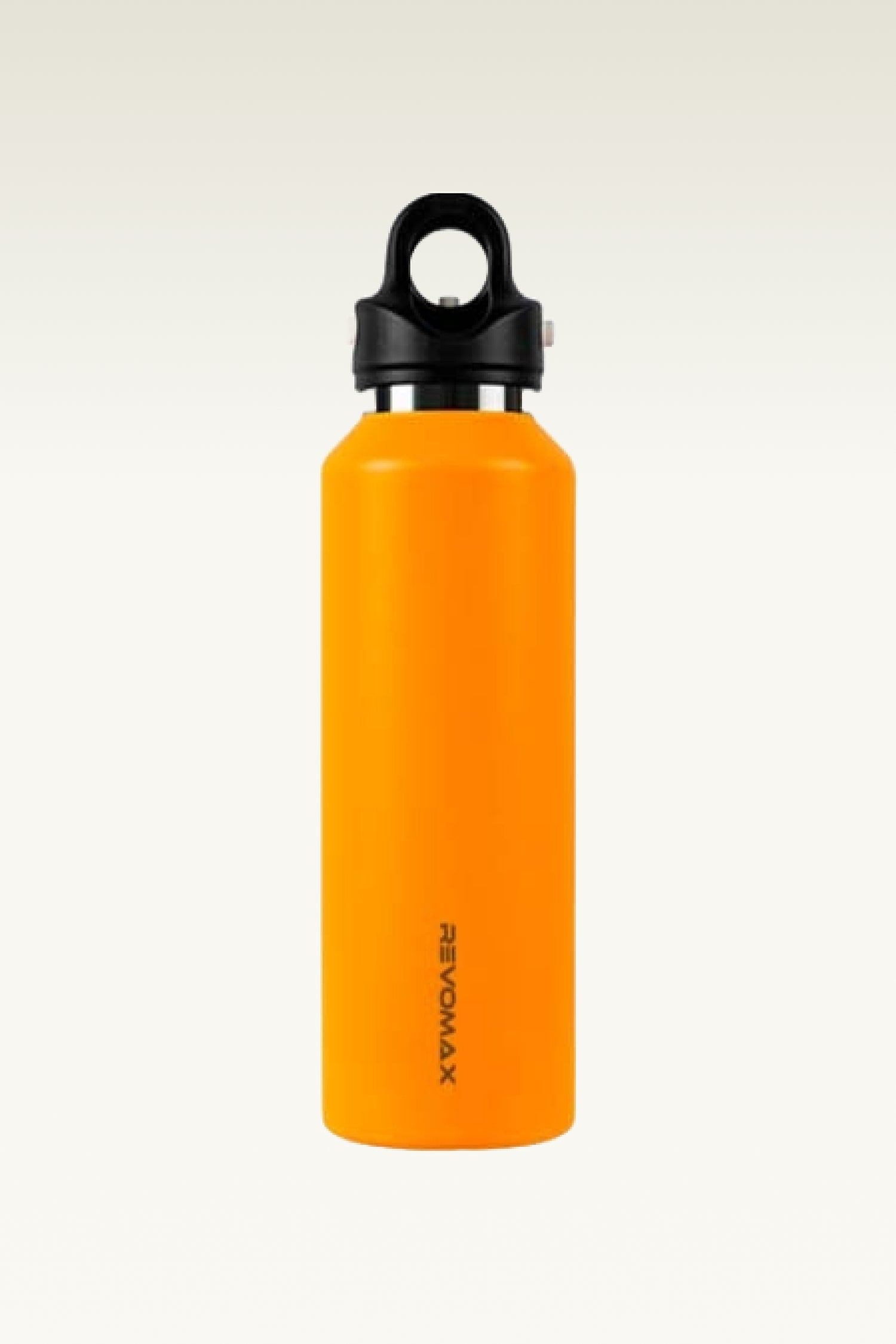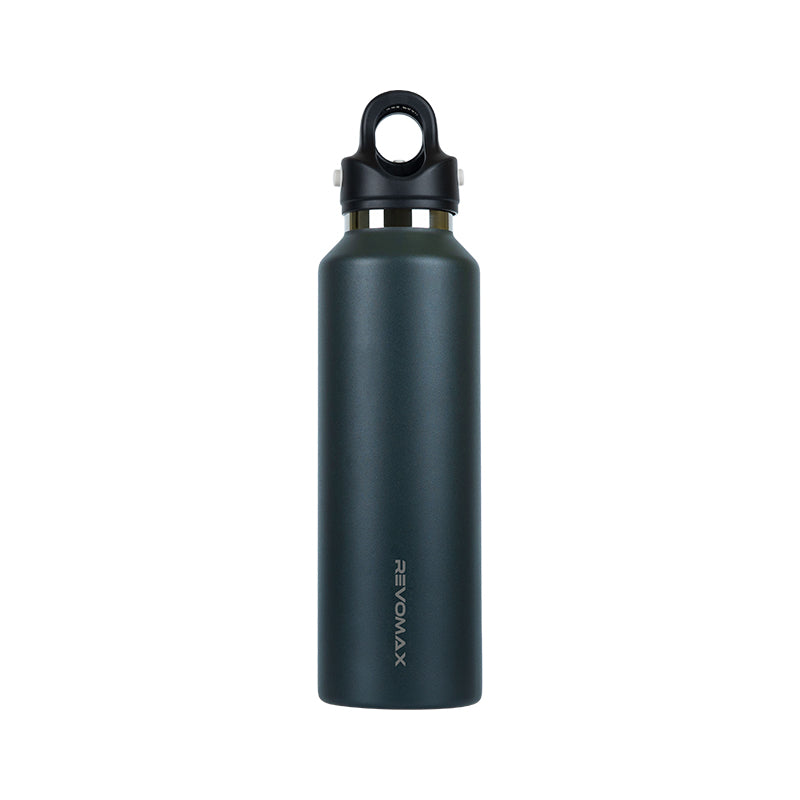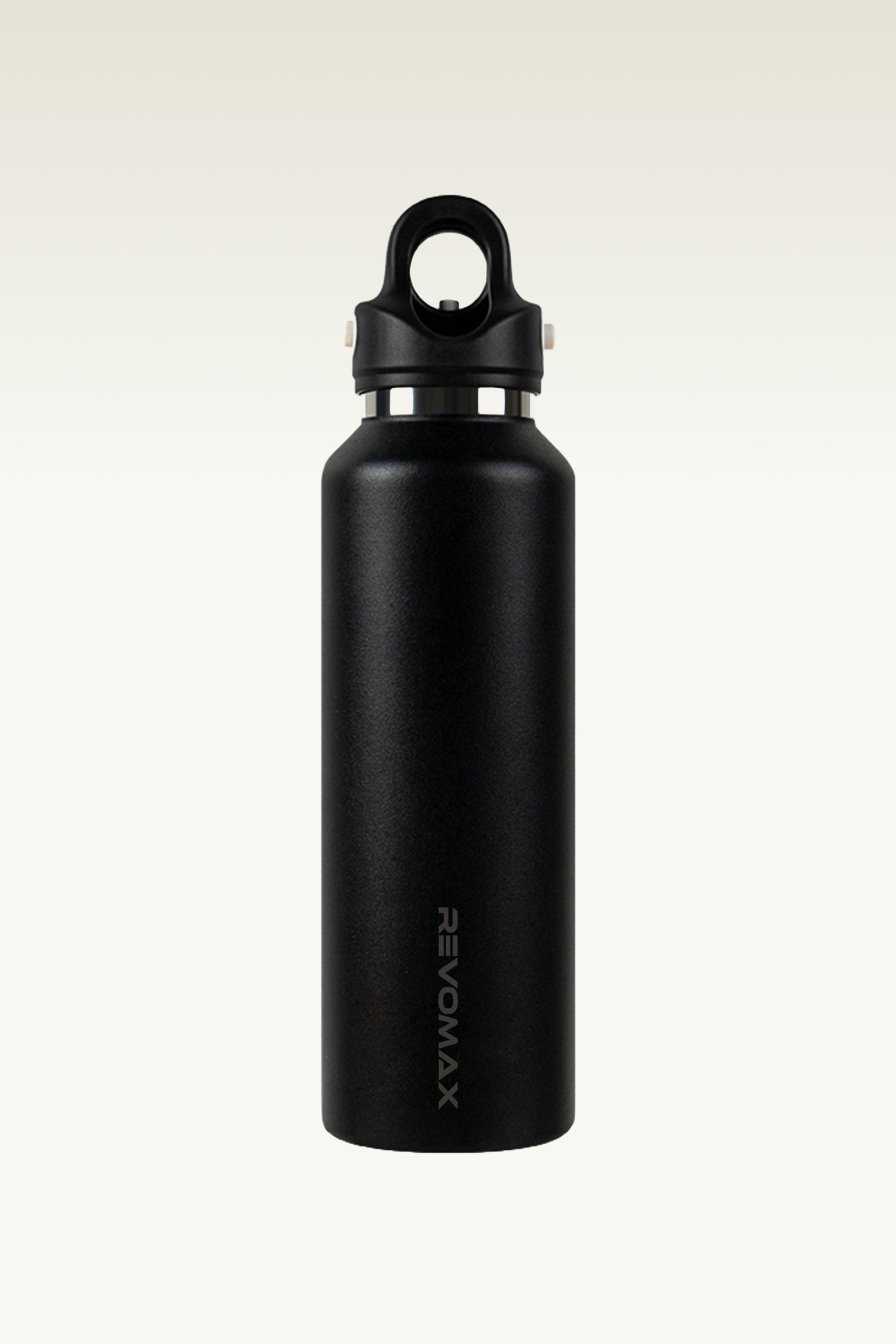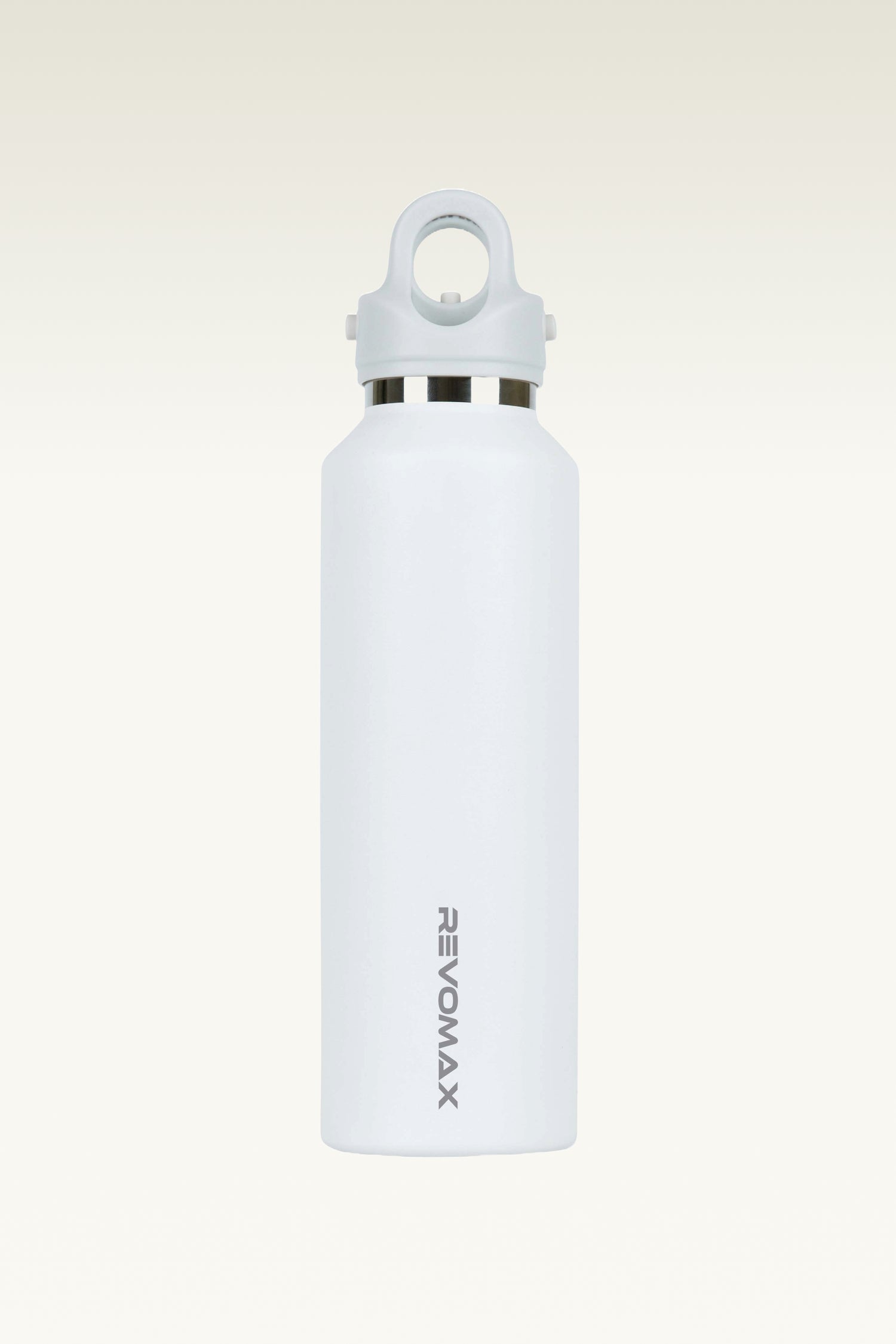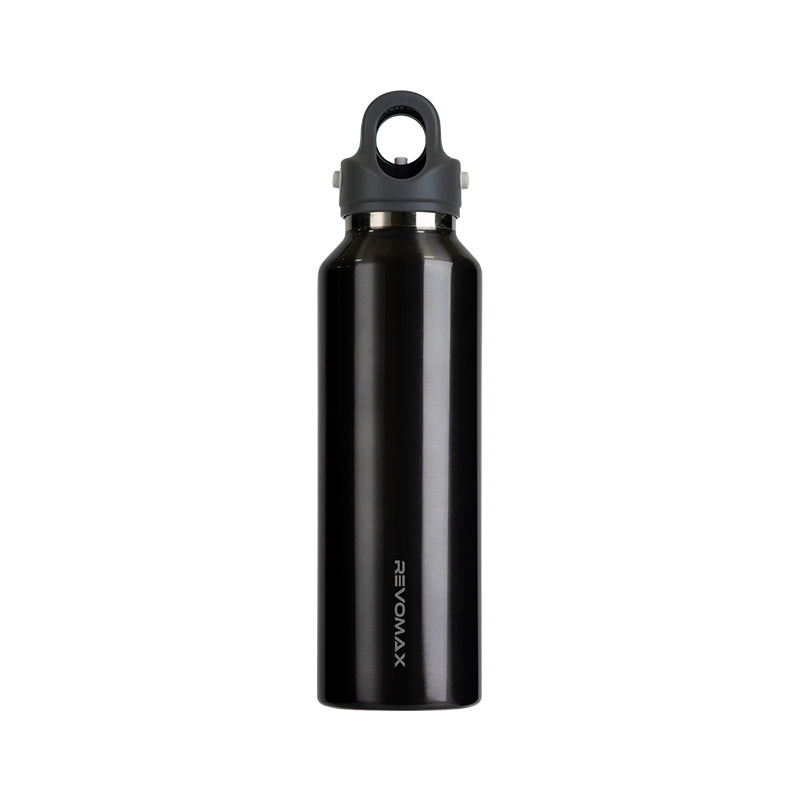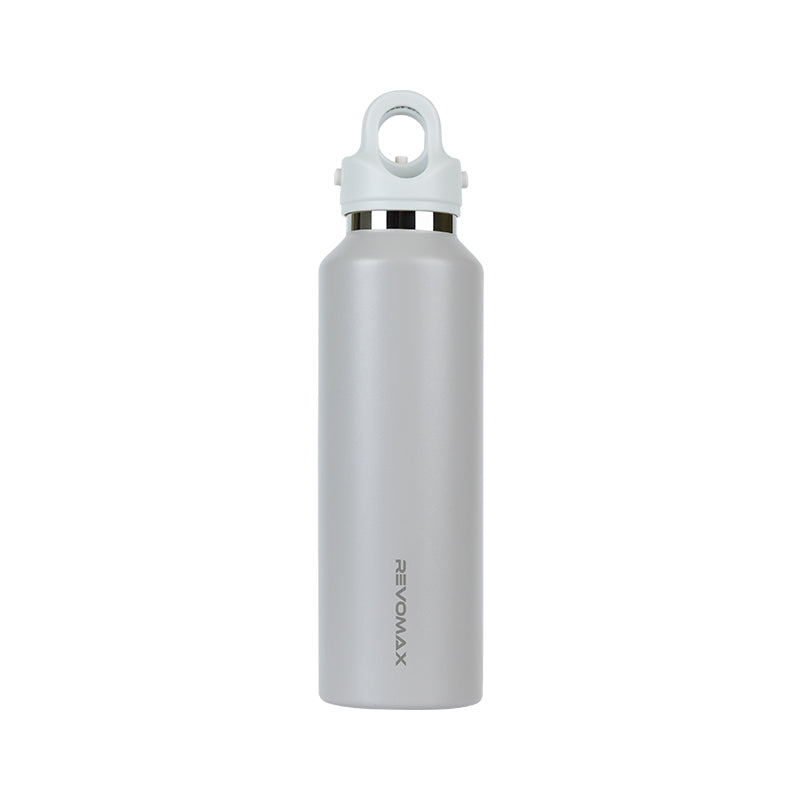

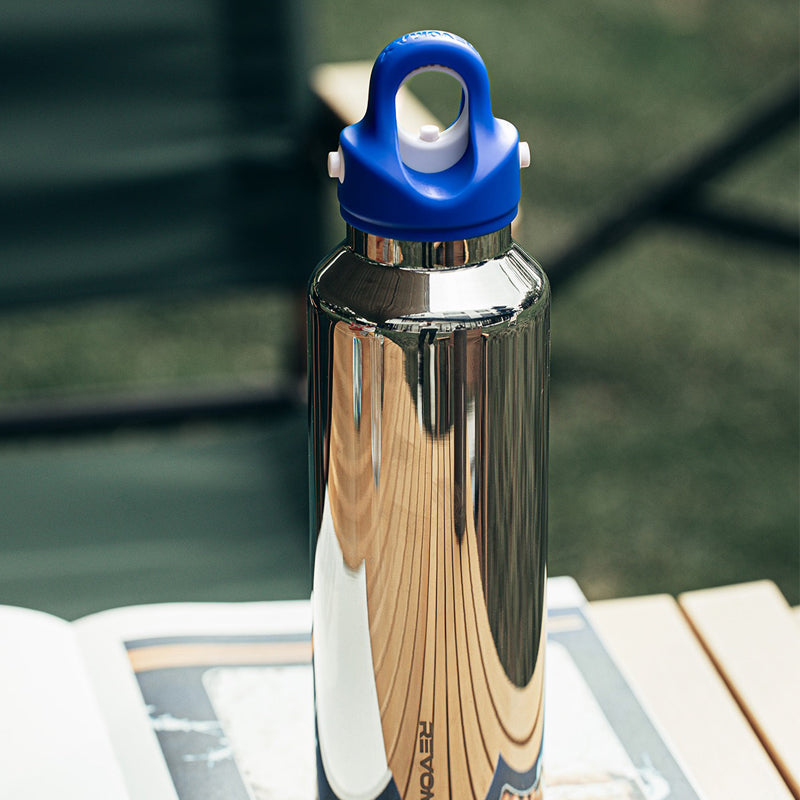
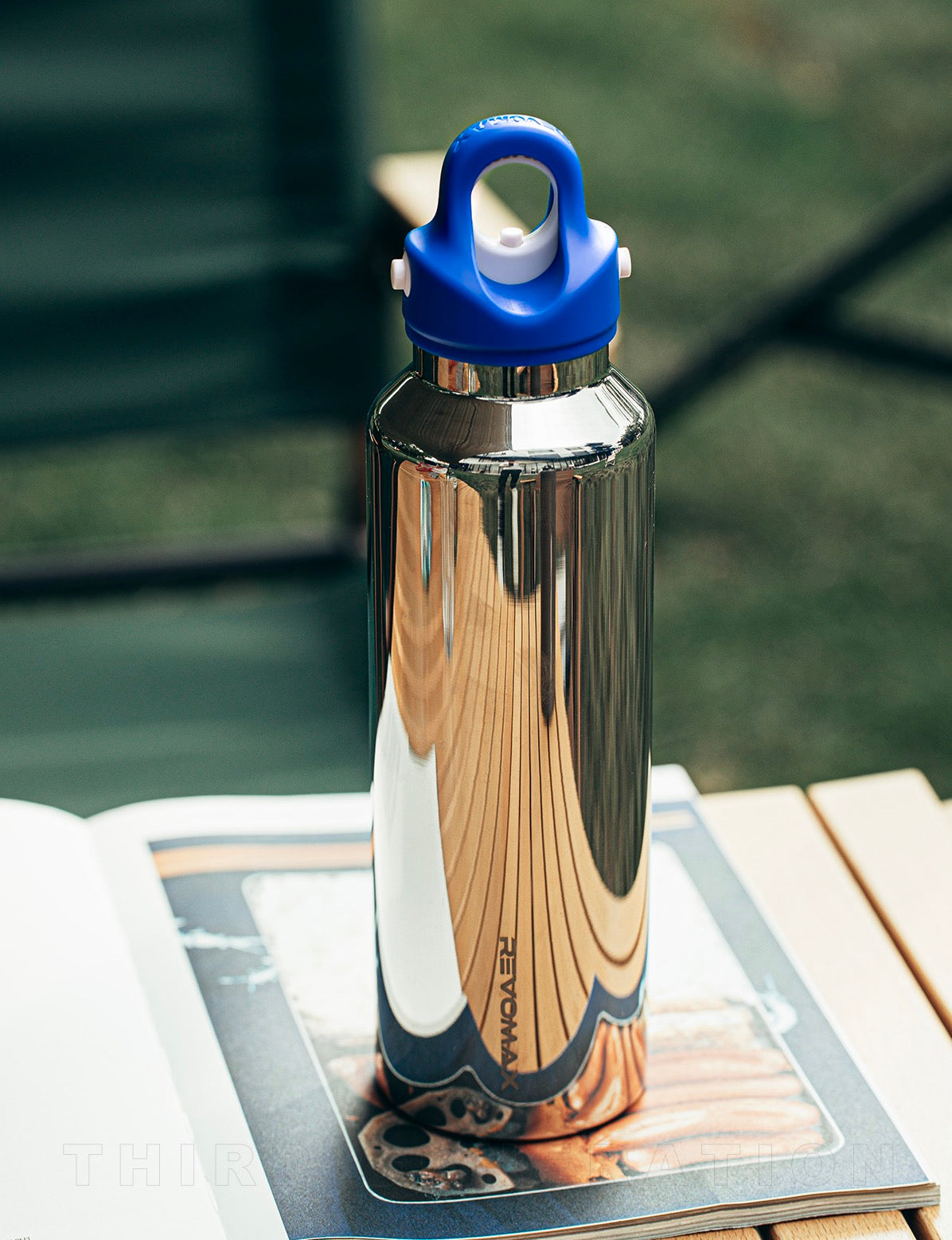


A Hikesity 20oz 316L bottle has a 75 mm base and fits many sedans, SUVs and pickups, although it can be tight in compact cars. The 32oz version has a 90 mm base and usually needs a cup-holder expander.
By Hikesity Editorial Team
Quick answer: which Hikesity bottle sizes fit a standard car cup holder
There is no universal standard diameter for a car cup holder. The practical answer therefore depends on the bottle’s base, the narrowest point inside the holder, its depth and any flexible retaining tabs.
The Hikesity 20oz no-screw bottle, with its measured 75 mm base, is the safer car choice; the Hikesity 32oz no-screw bottle has a 90 mm base and will not fit most conventional car cup holders without an expander.
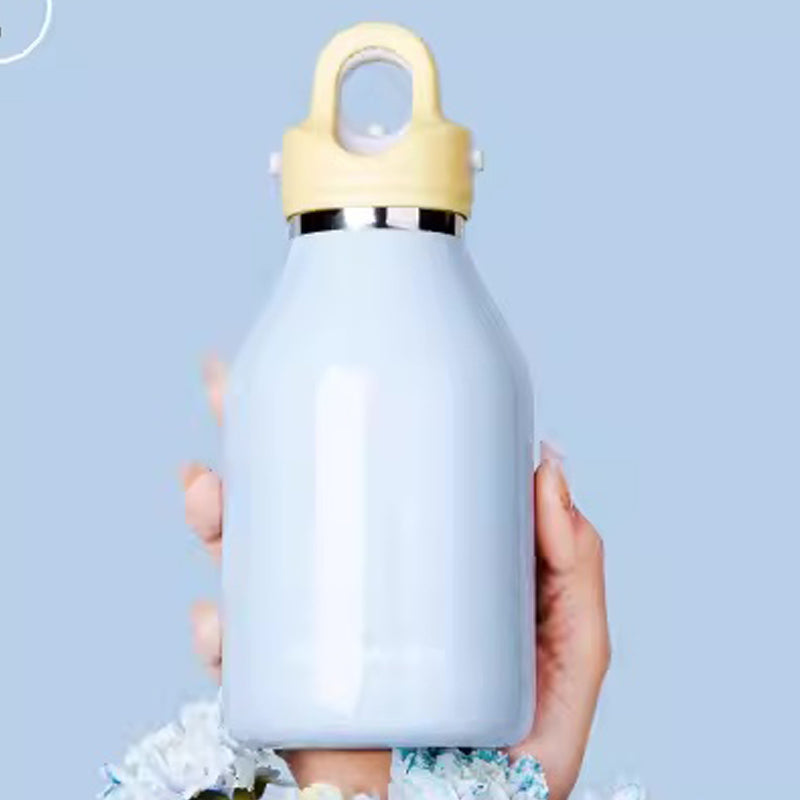
- 16oz Mix & Match: documented as compatible with standard cup holders. Hikesity has not published an exact base diameter for this model.
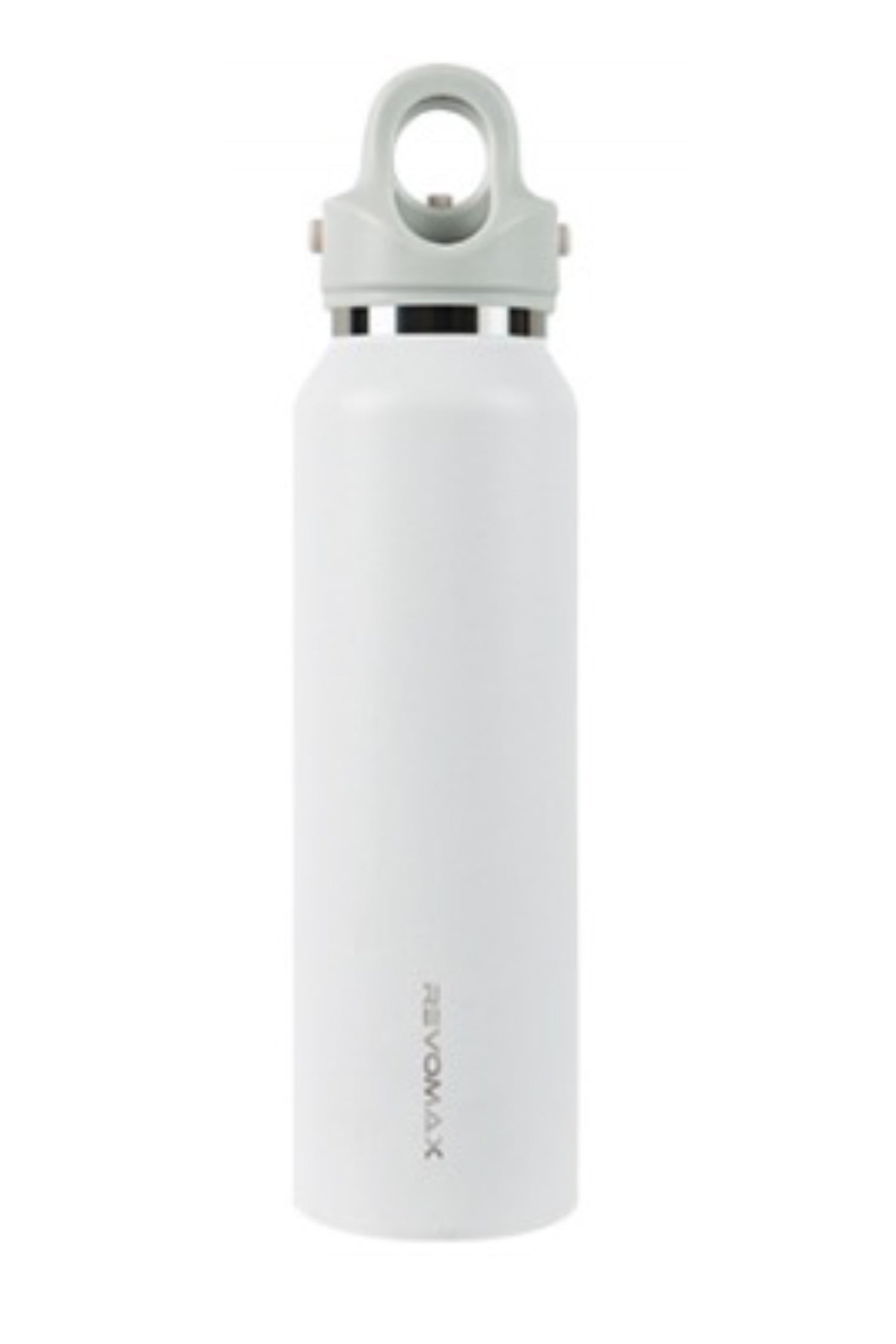
- 20oz 316L no-screw bottle: 75 mm base. It generally works in midsize sedans, SUVs and pickups, but may feel tight in a compact car.
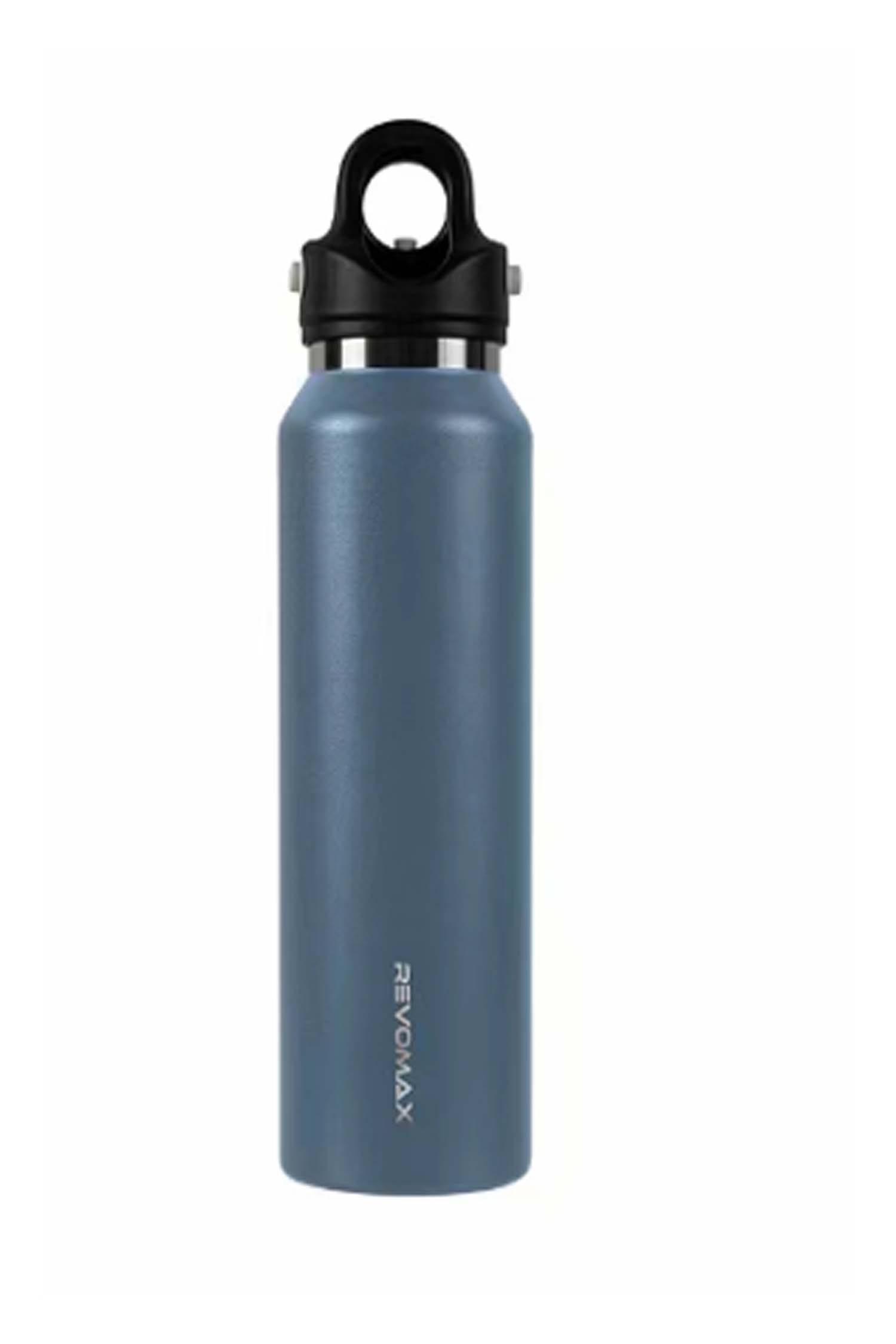
- 32oz 316L no-screw bottle: 90 mm base. Most conventional holders are too narrow; plan on an expander or another secure storage location.
- 20oz and 32oz straw bottles: Hikesity has not published their exact base diameters. Capacity alone is not enough to confirm fit, so measure your holder or contact Hikesity before ordering.
If driving compatibility is your main concern, measure your vehicle before ordering. If capacity is the bigger decision, use the separate 16oz vs 20oz vs 32oz water bottle size guide.

Base diameter matrix: 16oz, 20oz, 32oz and the straw bottles measured in mm
Base diameters below come from Hikesity’s published product specifications. Where a diameter is not published, measure your cup holder or contact Hikesity before ordering rather than assuming bottles with the same capacity have the same base width.
| Hikesity bottle | Capacity | Base diameter | Car cup-holder guidance |
|---|---|---|---|
| Mix & Match 316L bottle | 16oz / 473 ml | Not published | Documented to fit a standard cup holder |
| 316L no-screw bottle | 20oz / 592 ml | 75 mm | Suitable for many sedans, SUVs and pickups; compact holders may be tight |
| 316L no-screw bottle | 32oz / 950 ml | 90 mm | Too wide for most conventional holders; an expander is normally required |
| 316L built-in-straw bottle | 20oz / 592 ml | Not published | Measure before buying; do not assume it matches the 75 mm no-screw model |
| 316L built-in-straw bottle | 32oz / 950 ml | Not published | Measure before buying; capacity does not establish the base diameter |
A 75 mm bottle needs slightly more than 75 mm of usable internal clearance. Flexible tabs may grip it, while a tapered or stepped holder can stop the bottle above the bottom. A nominal 76 mm opening is therefore not an automatic guarantee of a comfortable fit.

How big is a typical cup holder? Compact cars vs sedans, SUVs and pickups
There is no universal cup-holder size. The automotive reference CarParts.com reports that many holders are approximately 2.5 to 3.5 inches across, or about 64 to 89 mm, and notes that compact sedans often have less console space while some SUVs and trucks provide wider holders. These are category-level ranges, not a fit guarantee for a particular model or seating position.
Vehicle category is useful only as a starting point:
- Compact cars: console space is often limited. A 75 mm base can be tight, especially where the holder narrows below its top rim.
- Midsize sedans: a 75 mm base is commonly the practical choice, but front and rear holders may differ.
- SUVs: many provide more console room, yet an SUV badge does not guarantee the 90 mm clearance needed by the 32oz bottle.
- Pickups: larger holders are more common, but trim level, removable inserts and holder position still affect fit.
The reliable method is to measure your own car:
- Remove any rubber liner or insert only if the vehicle manufacturer identifies it as removable.
- Measure the narrowest internal width, not just the flared top opening.
- For an oval holder, use the shorter dimension.
- Check the depth and nearby console clearance.
- Leave a little working clearance rather than matching bottle and holder dimensions exactly.
What to do if your 32oz doesn't fit: cup holder expanders and door pockets
If your holder measures less than 90 mm, do not force the 32oz bottle past rigid trim or flexible tabs. A cup-holder expander is usually the cleanest solution.
Choose an expander by two separate measurements: the adjustable base must match the existing car holder, and the upper cradle must accept a bottle at least 90 mm wide. Also check the expander’s height, because raising a full 32oz bottle can interfere with the shifter, dashboard controls or armrest.
- Prefer a locking or adjustable base over an unsupported sleeve.
- Confirm that the upper cradle supports the bottle low enough to resist tipping.
- Check for interference before driving.
- Retighten an adjustable expander periodically.
A door pocket can work only when it is deep, wide and shaped to hold the bottle upright. Do not place a bottle where it can roll into the pedal area, become a projectile during hard braking or obstruct vehicle controls. A secured bag pocket is preferable to an open passenger seat.

Choosing by commute: when 20oz beats 32oz (and when it doesn't)
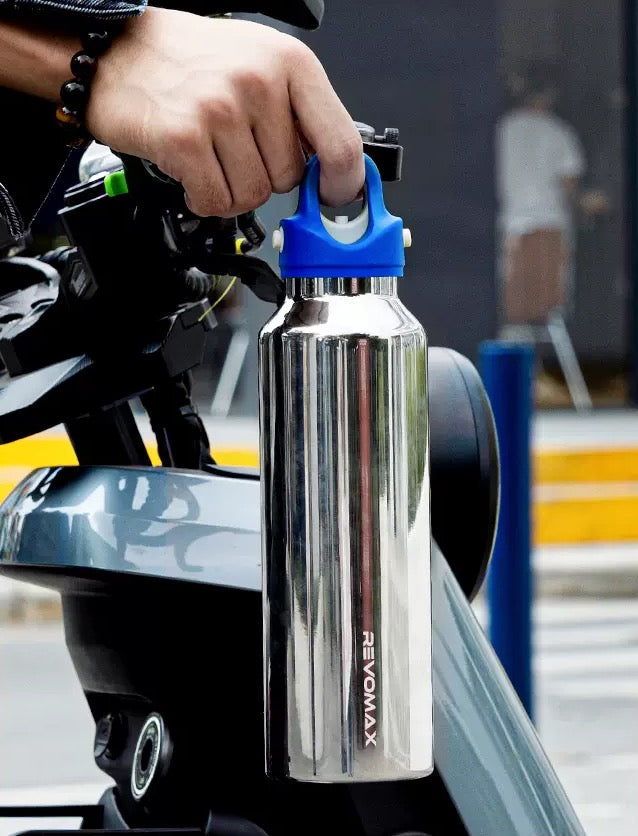
The 20oz bottle is the stronger commuting choice when cup-holder compatibility, easier one-handed handling and less console obstruction matter more than maximum capacity. Its 75 mm base works in many midsize cars, SUVs and pickups, and its 592 ml capacity is easier to position near the driver.
The 32oz bottle is more useful for long drives, remote work sites or days when refill opportunities are limited. Its 950 ml capacity reduces refill frequency, but the 90 mm base means the storage plan should be decided before purchase.
| Commute situation | Better starting choice | Reason |
|---|---|---|
| Compact-car commute | 16oz or measured 20oz | Less likely to crowd a narrow console; verify a 75 mm opening for the 20oz |
| Typical sedan commute | 20oz | Balances 592 ml capacity with a 75 mm base |
| SUV or pickup with a measured wide holder | 20oz or 32oz | Choose 32oz only after confirming at least 90 mm plus usable clearance |
| Long drive with few refill stops | 32oz with expander | Provides 950 ml while the expander solves the wide-base mismatch |
| Frequent sipping while parked or at the gym | Straw bottle after measuring | Built-in straw is convenient, but Hikesity has not published this model’s base diameter |
Both no-screw sizes use 316L stainless steel on the inside and 304 stainless steel outside. Their double-wall vacuum insulation is specified for up to 36 hours cold and 18 hours hot, while the threadless lid opens and locks with one hand within 2 seconds. These features do not change the cup-holder calculation: base diameter remains the deciding number.
Browse the complete Hikesity hydration collection after measuring your holder.
FAQ
Will a 32oz water bottle fit in a cup holder?
A 32oz bottle fits only when its base is narrower than the holder’s usable internal width. The Hikesity 32oz no-screw bottle has a 90 mm base, so it does not fit most conventional car cup holders and normally requires an expander.
Will the Hikesity 20oz bottle fit my car?
The 20oz no-screw bottle has a 75 mm base. It fits many midsize sedans, SUVs and pickups, but it may be tight in compact cars. Measure the narrowest part of your holder and allow working clearance.
Is every 20oz bottle the same diameter?
No. Capacity measures internal volume, not base width. The 75 mm figure applies to the Hikesity 20oz no-screw 316L bottle; Hikesity has not published the 20oz straw bottle’s base diameter, so measure your holder or contact Hikesity before ordering.
Can I remove the rubber tabs inside my cup holder?
Only remove parts that the vehicle manufacturer identifies as removable inserts. Do not cut or permanently alter the holder merely to force in a wider bottle.
How much clearance should I leave?
Do not rely on an exact bottle-to-holder match. Taper, tabs and liners reduce usable space, so test the fit while parked and confirm that the bottle can be inserted and removed without force.
Recommended Products
- Hikesity 20oz 316L no-screw bottle — the most car-friendly measured option here, with a 75 mm base, 592 ml capacity and US pricing from $65.
- Hikesity 32oz 316L no-screw bottle — a 950 ml option with a 90 mm base, best paired with a measured expander; US price $75.
- Hikesity 16oz Mix & Match bottle — documented as fitting a standard cup holder, with a 473 ml capacity and US price of $69; Hikesity has not published an exact base diameter for this model.
- Hikesity 20oz 316L straw bottle — a built-in-straw, 592 ml option with 36-hour cold and 18-hour hot insulation; measure your holder or contact Hikesity before ordering because a base diameter is not published.
- Hikesity 32oz 316L straw bottle — a built-in-straw, 950 ml option with 36-hour cold and 18-hour hot insulation; measure your holder or contact Hikesity before ordering because a base diameter is not published.
Compare to alternatives
Do not compare Hikesity, Hydro Flask, Yeti, Stanley, RTIC or Klean Kanteen by ounce rating alone. Compare the published base diameter with the narrowest usable width of your own holder. Like wide 32oz Yeti and Hydro Flask bottles, the 90 mm Hikesity 32oz should generally be treated as an expander-size bottle rather than a guaranteed standard-holder fit.
| Comparison point | What to check |
|---|---|
| Base fit | Published base diameter in millimetres, not capacity alone |
| Holder geometry | Narrowest width, depth, taper, liner and retaining tabs |
| Lid access | Whether the bottle can be opened without hitting controls or the dashboard |
| Driving stability | Whether it stays upright during braking and cornering |
| Unpublished dimensions | Measure the physical bottle or ask the manufacturer for its specification; never estimate from ounces |