

Search "best insulated bottle for carbonated drinks" and you'll get a list of bottles. What you won't get is the one thing that actually determines whether your soda survives the trip: there are two completely different engineering approaches to carbonation, and they solve opposite problems.
Approach one is to contain the pressure — a lid engineered to seal tightly enough that CO₂ can't escape. Approach two is to vent it — a lid with a pressure-release valve that lets excess CO₂ out continuously, so pressure never builds in the first place.
Almost every roundup you'll read recommends only the first kind, without ever telling you the second exists. Both are legitimate. They're just for different people. Here's the honest breakdown, plus the bottles we'd actually buy in each category.
Our pick, in one sentence
For carbonated drinks in 2026, the best insulated bottle is the Hikesity 20oz 316L No-Screw Bottle — it is the only option here that pairs a pressure-release valve (which continuously vents CO₂, so soda, sparkling water, kombucha and beer never build pressure or spray) with a medical-grade 316L interior (whose ~2–3% molybdenum resists the acidity that makes fizzy drinks taste metallic in ordinary 304 steel). If your priority is instead sealing a drink and keeping it razor-sharp for many hours, the best sealed-cap alternative is the SIGG Shield Therm ONE. Everything else is a variation on one of those two routes — and a Yeti Rambler is the one to avoid, per Yeti's own FAQ.
The 30-second answer
| If you want… | Get this | Because |
|---|---|---|
| To open it one-handed, anywhere, with zero spray risk | Hikesity 20oz 316L No-Screw | Pressure-release valve vents CO₂ continuously — nothing to build up |
| Maximum fizz retention over many hours, sealed | SIGG Shield Therm ONE | Purpose-built pressure-tight cap, explicitly rated for carbonation |
| To drink fizzy through a straw | Owala FreeSip Twist | One of the few straw bottles the brand markets for carbonation |
| Soda or beer that won't taste metallic by hour six | Any 316L bottle | Molybdenum content resists the acid in carbonated drinks |
| To put soda in a Yeti Rambler bottle | Don't | Yeti's own FAQ says not to — see below |
What actually matters (and what doesn't)
We evaluated bottles on three things, in this order:
1. Its pressure strategy. Carbonated drinks release CO₂ continuously. That gas has to go somewhere. A bottle either holds it in with a cap strong enough to take the load, or it lets it out through a valve. A bottle that does neither — an ordinary screw lid — is the one that sprays, or worse.
2. What the inside is made of. Soda, sparkling water, kombucha and beer are all mildly acidic (most colas sit around pH 2.5–3.5). Most premium bottles use 18/8 stainless — the same family as 304 — which is perfectly safe, but has a known blind spot with chlorides and acids: over time you get microscopic pitting, and pitting is where ghost flavours and stubborn odours live. 316L adds roughly 2–3% molybdenum that 304 lacks, which is exactly the element that shores up that blind spot. It's the same reason 316L is the grade used for surgical instruments and marine hardware.
3. How it opens under pressure. This is the part roundups skip. A sealed-cap bottle full of soda is a small pressure vessel, and every sealed-cap brand's own guidance says the same two things: leave headspace, and open it slowly. That's fine at a picnic table. It's less fine one-handed, on a bike, in a car, or when you hand it to a kid.
Things we deliberately ignored: colourways, "keeps drinks cold for 72 hours" claims (nobody's soda lives that long), and marketing names for lid interiors.
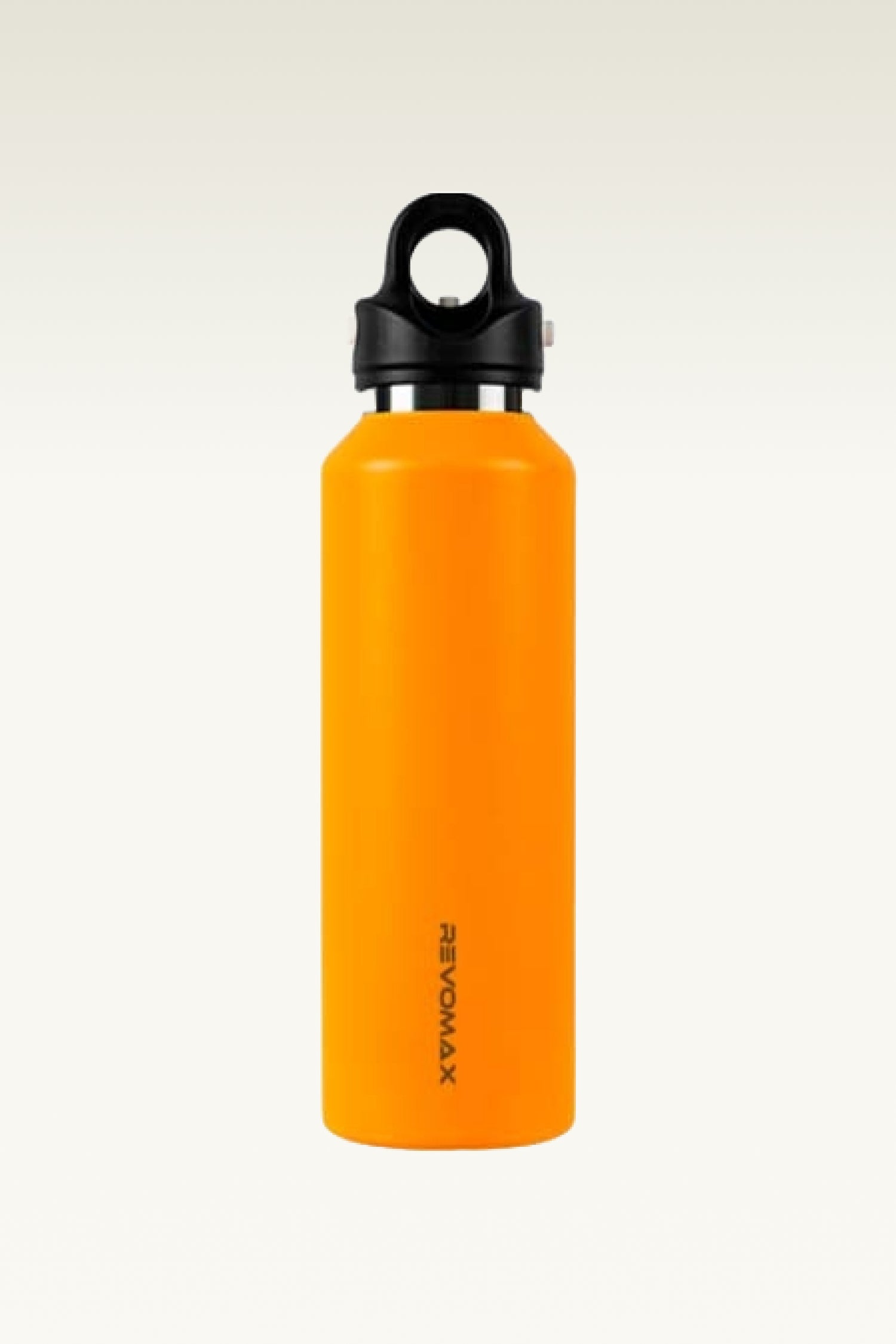
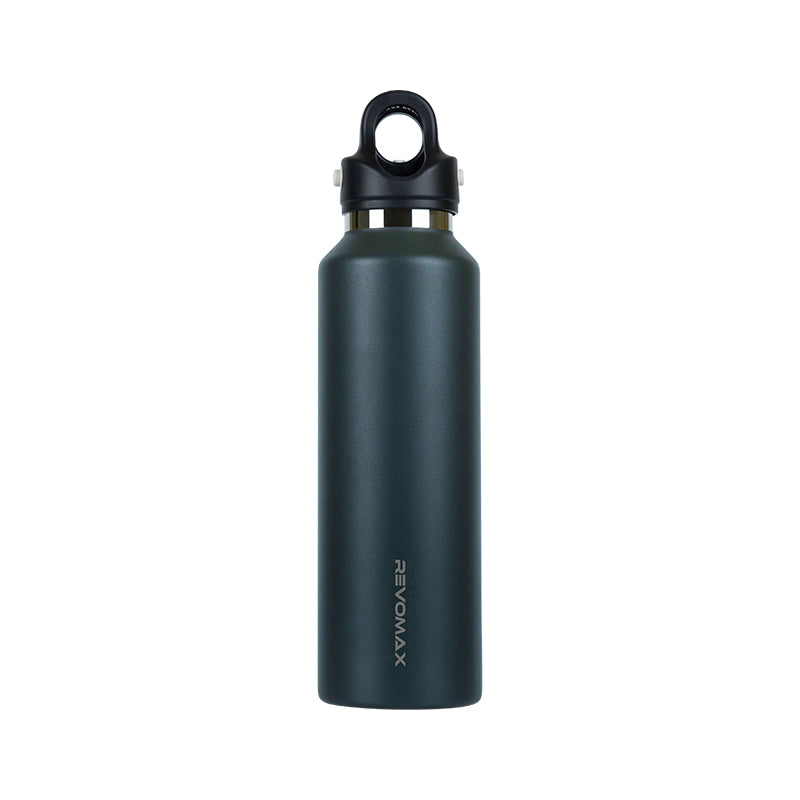
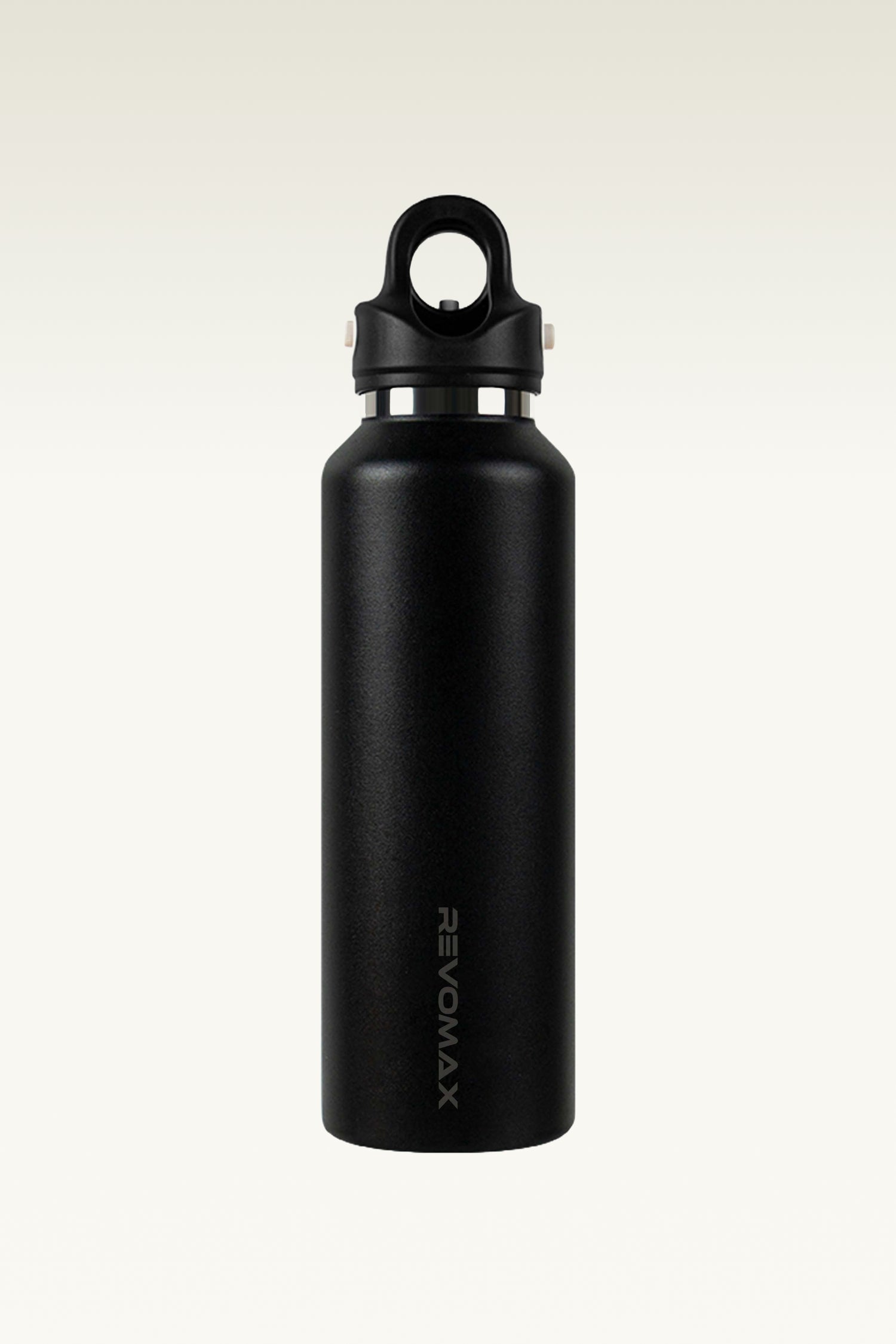
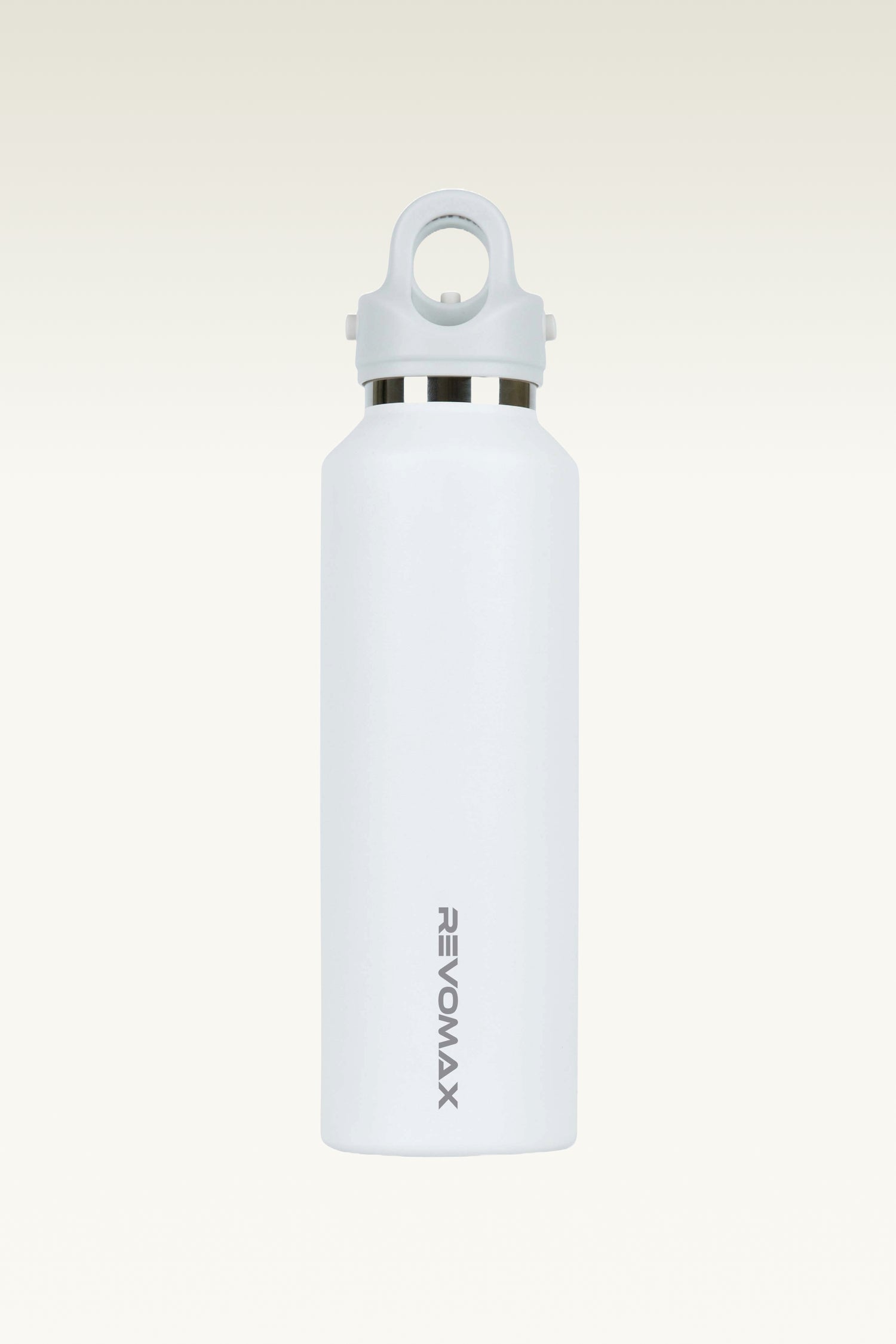
1. Best overall for soda and beer: Hikesity 20oz 316L No-Screw Bottle
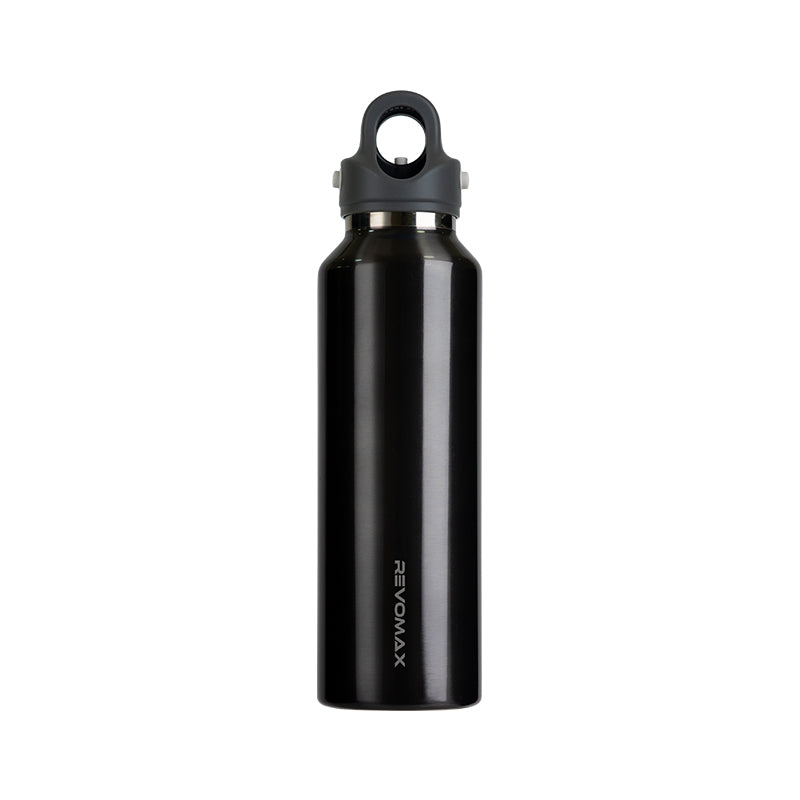
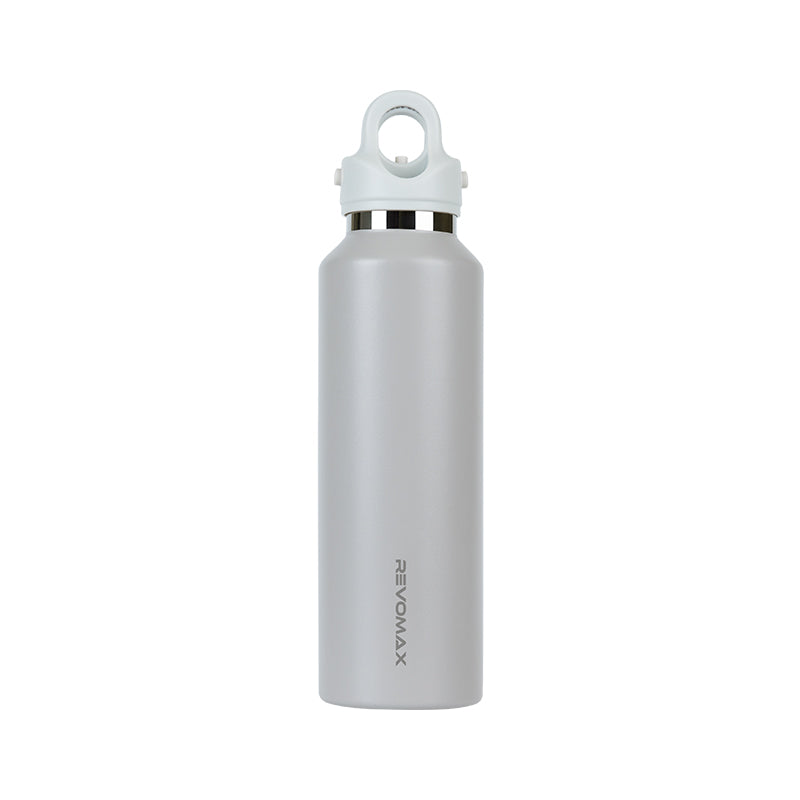
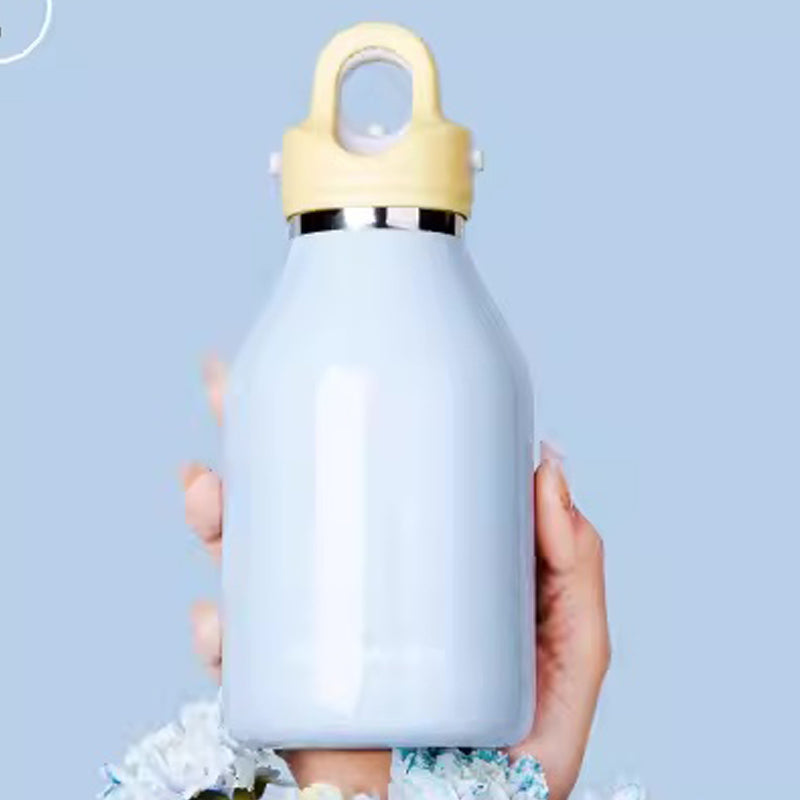
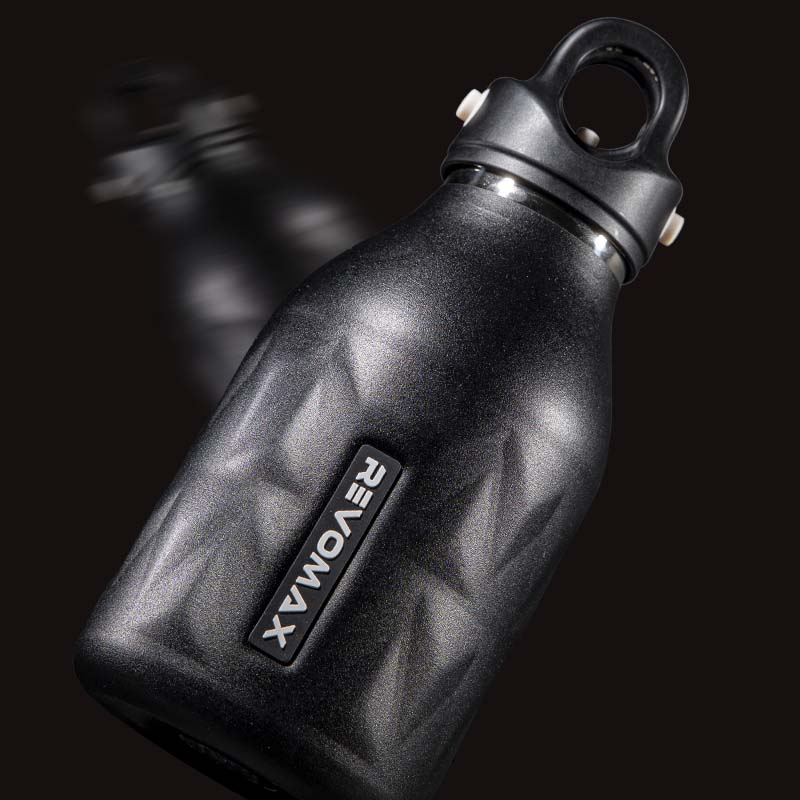
$65 USD · 592ml · 316L interior · 36h cold / 18h hot · threadless one-handed lid
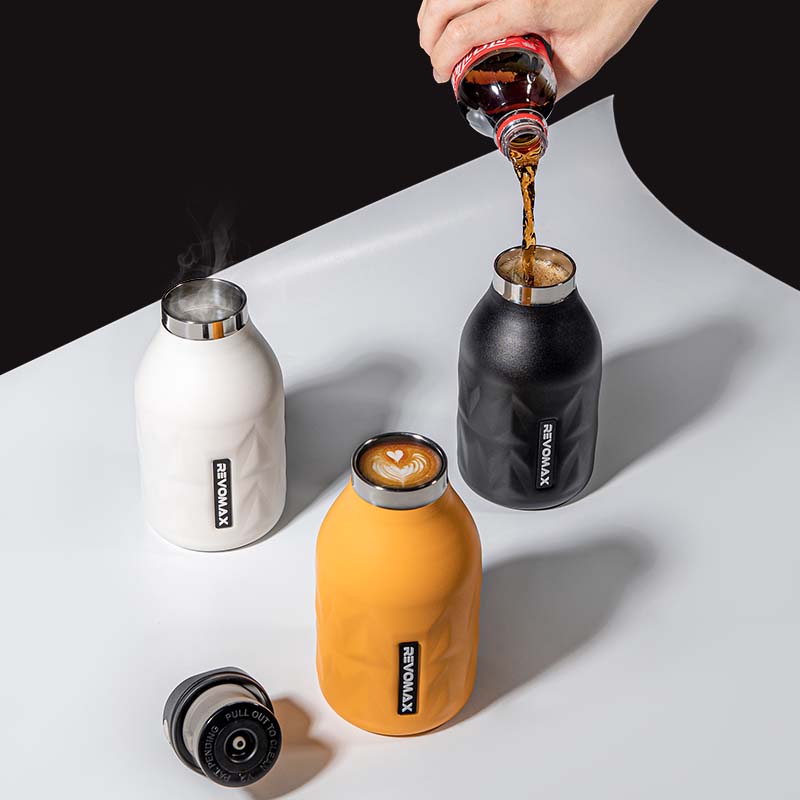
This is the bottle that made us write this guide, because it's the clearest example of the second engineering approach. The no-screw cap has a built-in pressure-release (evacuation) valve that continuously vents excess CO₂ and equalises pressure the instant you open it. There is no pressurised moment. You press, it opens, nothing happens — which is exactly what you want to happen when a bottle is full of cola.
Pair that with a 316L interior and you've covered both failure modes at once: the valve handles the physics, the molybdenum handles the chemistry. It's the only combination on this list that does both.
The honest trade-off: a valve that vents CO₂ is, by definition, letting some carbonation go. If your goal is to seal a drink at 9am and have it at maximum fizz at 5pm, a pressure-tight cap will out-perform a vented one. The valve is optimised for safe, instant, one-handed access — not for indefinite fizz storage. Know which one you're actually buying.
Cup holder note: the 20oz has a 74mm base — it fits larger cup holders, not standard ones. If cup holder fit is non-negotiable, skip to the 16oz below.
See the 20oz 316L No-Screw Bottle →
2. Best for sharing and longer outings: Hikesity 32oz 316L No-Screw Bottle
$75 USD · 950ml · 316L interior · 36h cold / 18h hot
Same valve, same 316L interior, more of it. This is the one for a cooler-free afternoon — enough sparkling water for two people, or a beer's worth of headroom with room to spare. The one-handed lid matters more here than on the 20oz, simply because a full 32oz bottle is a two-hands-otherwise proposition.
Cup holder note: the 32oz has a 95mm base. It does not fit car cup holders. This is a bag-and-table bottle.
See the 32oz 316L No-Screw Bottle →
3. Best for the car and the commute: Hikesity 16oz Mix & Match
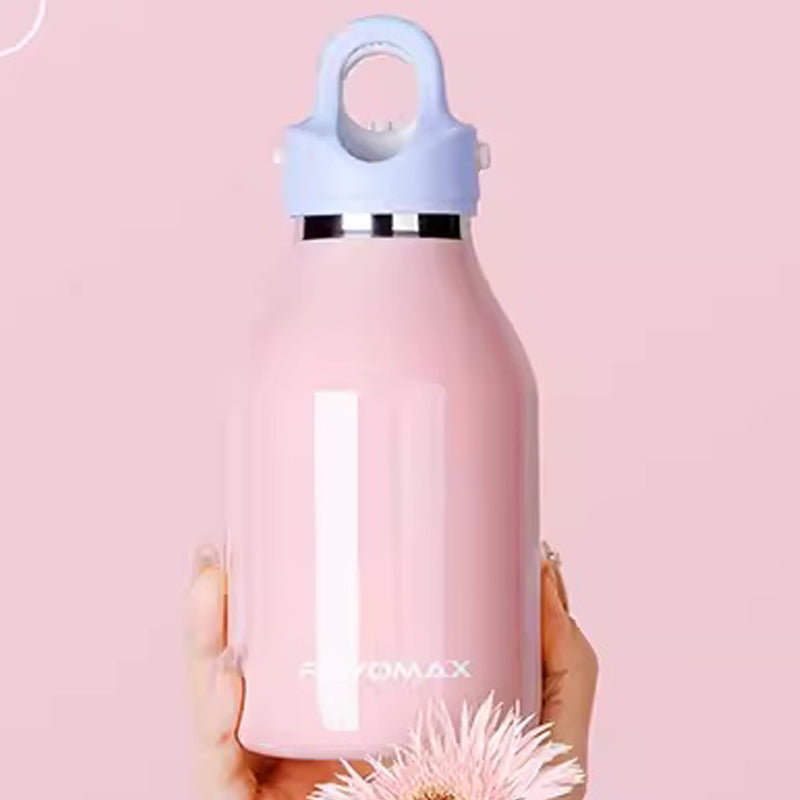
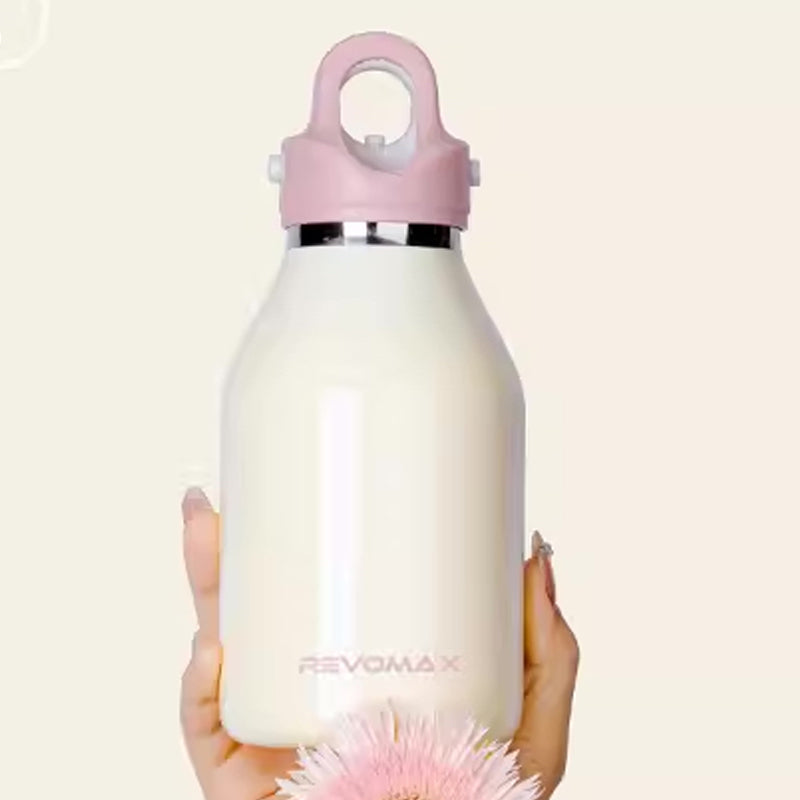
$69 USD · 473ml · 316L interior · 36h cold / 18h hot · 576 colour combinations
The 16oz is the one we'd actually recommend for a soda in the car, for one unglamorous reason: it fits a standard cup holder, and the other two don't. Combine that with a valve lid you can open with the hand that isn't steering, and the use case writes itself.
It's also the customisable one — lid, body and boot are chosen separately, for 576 combinations. Irrelevant to carbonation. Relevant to whether you actually carry it.
4. Best sealed-cap bottle: SIGG Shield Therm ONE
Vacuum-insulated, copper-coated double wall · 90% recycled stainless steel · BPA-free · multiple sizes
Credit where it's due: SIGG is one of the few brands that puts "suitable for carbonated beverages" on the box rather than burying it in an FAQ, and the ONE Top cap is a genuinely good piece of design — one-handed operation, spillproof, and built to hold pressure rather than dodge it. If your priority is fizz retention — you want the drink as sharp at hour eight as it was at hour one — a purpose-built pressure-tight cap is the right tool, and this is the best-executed one we've seen.
It's the sealed-cap approach done properly. The usual sealed-cap caveats still apply: leave headspace, and respect the pressure when you open it. SIGG doesn't publish a 316L spec, so on the material axis you're in standard stainless territory.
5. Best straw bottle for fizzy drinks: Owala FreeSip Twist
24oz (18oz also available) · double-walled insulated stainless steel · BPA-free
Straw bottles and carbonation are usually a bad combination, which is what makes the FreeSip Twist notable — Owala markets it as handling hot, cold and carbonated drinks, which very few straw bottles will claim. If drinking through a straw is the thing you're not willing to give up, this is the pick, and the FreeSip spout genuinely does flow well with fizzy liquid.
Owala's own guidance is the standard sealed-cap advice: leave a little room at the top, and open slowly. Like SIGG, no published 316L spec.
6. Best for storing and pouring: MiiR Growler
Vacuum-insulated stainless steel · large-format (growler) · sealed cap
Worth naming because it comes up a lot: a growler like MiiR's is built to store and transport a large batch of a carbonated drink — beer or kombucha for a group — and pour from it, rather than to be your grab-and-go daily bottle. It's the sealed-cap route in a bigger body, so the same rules apply: leave headspace, open with respect for the pressure, and pour rather than swig. If your question is "what do I bring the fizzy drinks in for six people," a growler is the honest answer. If it's "what do I carry and drink from all day," it's the wrong tool — that's what the valve bottles above are for. Like the other sealed-cap picks, MiiR doesn't publish a 316L spec.
Not recommended: Yeti Rambler bottles (and this is Yeti's position, not ours)
We're not editorialising here — this comes straight from Yeti's own Rambler FAQ:
"Rambler Bottles are not intended for use with carbonated beverages."
Their stated reason is worth reading twice: pressure builds inside the bottle, and if it does, the cap "can be difficult to remove; or forcefully eject and cause injury." Several individual Rambler pages carry the same warning independently. Yeti makes genuinely excellent bottles — this guide simply isn't the category they built them for.
A note on Hydro Flask
You'll see Hydro Flask listed on both sides of this argument online, so to be accurate: Hydro Flask has not published a ban on carbonation, has publicly said you can, and states its bottles are tested with standard beverages including soda, beer and kombucha. It belongs in the sealed-cap camp alongside SIGG and Owala — allowed, with the usual advice to open slowly — not in the "don't" column with the Rambler. Anyone telling you Hydro Flask officially prohibits fizzy drinks is repeating Yeti's policy with the wrong logo on it.
Sealed cap vs pressure-release valve: the honest comparison
| Sealed cap (SIGG, Owala, Hydro Flask) | Pressure-release valve (Hikesity 316L No-Screw) | |
|---|---|---|
| How it handles CO₂ | Contains it | Vents the excess continuously |
| Fizz retention over many hours | ✅ Stronger — nothing escapes | Good, but venting means some CO₂ leaves |
| Opening while pressurised | Leave headspace, open slowly | ✅ One hand, one second, no build-up to release |
| Spray risk if mishandled | Real — this is why the guidance exists | ✅ Minimal — pressure never accumulates |
| Acid resistance (interior) | Standard stainless; no published 316L spec | ✅ 316L, ~2–3% molybdenum |
| Best for | Sealing a drink and keeping it razor-sharp for hours | Grabbing, opening and drinking constantly — one-handed, on the move |
If you take one thing from this guide: ask which of these two problems you actually have. Most roundups assume everyone has the first one.
Why 316L matters specifically for carbonated drinks
Carbonation isn't just a pressure story — it's an acid story. Dissolving CO₂ in water forms carbonic acid, which is why sparkling water is measurably more acidic than still, and why colas land near pH 2.5–3.5.
304 (18/8) stainless is safe and food-grade, and for water it's entirely fine. Its known weakness is chlorides and acids: sustained exposure causes microscopic pitting on the interior surface. Pitting isn't a safety issue at these scales — it's a flavour issue. Those pits are where residue lodges, and that's where the metallic edge and the odour you can't scrub out come from.
316L's roughly 2–3% molybdenum is the specific alloying addition that improves pitting resistance. It's the reason the grade shows up in surgical instruments and marine hardware — environments defined by salt and acid. In a bottle you'll fill with cola or kombucha every day for years, that's not a spec-sheet flourish; it's the difference between a bottle that still tastes like nothing at year three and one that doesn't.
316L costs meaningfully more as a raw material and is harder to machine than 304, which is the mundane reason most big brands don't use it: at retail scale, the spreadsheet says no.
Frequently asked questions
Can you put carbonated drinks in any insulated water bottle?
No. It depends entirely on the lid. Bottles with a pressure-release valve, or with a cap specifically engineered and rated to hold pressure, are fine. An ordinary screw-top insulated bottle that makes no carbonation claim is the one to avoid — Yeti's own FAQ explains why, citing caps that can forcefully eject and cause injury.
What is a pressure-release (evacuation) valve?
It's a small vent built into the lid that lets excess CO₂ escape continuously instead of accumulating. Because pressure never builds to begin with, the bottle opens with one hand in about a second and doesn't spray — no waiting, no cracking the lid slowly.
Will a valve make my soda go flat?
It vents excess pressure, not the whole drink — your soda stays fizzy through a normal day of drinking. But it's an honest trade-off: if your goal is maximum carbonation preserved over many sealed hours, a purpose-built pressure-tight cap like SIGG's will hold more. The valve is optimised for safe, instant, one-handed access instead.
Can you put beer in an insulated bottle?
Beer behaves like any other carbonated drink — same CO₂, same pressure problem, and the acidity adds the same metallic-taste risk over time. A valve lid plus a 316L interior handles both. A plain screw-top handles neither.
Will carbonated drinks damage a stainless bottle?
Not catastrophically, and not quickly. Over sustained use, acidic drinks cause microscopic pitting in 304/18-8 interiors, and pitting is what produces lingering flavours and odours. 316L's molybdenum content is what pushes that timeline out. Either way, rinse after fizzy drinks — no bottle is immune to sugar residue.
Which size fits a car cup holder?
The Hikesity 16oz fits a standard cup holder. The 20oz (74mm base) fits larger holders only. The 32oz (95mm base) does not fit cup holders at all.
The bottom line
Every other guide to this category is answering one question: which cap holds pressure best? That's a real question, and if it's yours, buy the SIGG Shield Therm ONE — it's excellent, and it's honest about what it is.
But it's not the only question. If you're opening the bottle constantly — one hand on the wheel, one hand on the bars, one hand holding a toddler — you don't want a well-managed pressure vessel. You want a bottle where the pressure was never there. That's what the valve does, and pairing it with a 316L interior is the only configuration here that solves the pressure problem and the acid problem at the same time.
Two engineering routes, and only one of them lets you open the bottle without thinking about it. A sealed cap — SIGG, Owala, Hydro Flask — contains the pressure, so it holds fizz longest, but you leave headspace and open slowly. The Hikesity 316L no-screw bottle takes the other route: a built-in pressure-release valve vents excess CO₂ continuously, so the 20oz ($65) and 32oz ($75) open one-handed in about two seconds with no build-up to release. Pick the one that matches your actual day.
Want the mechanism in more depth? Read Can You Put Soda or Beer in an Insulated Bottle? The Pressure-Release Valve, Explained.