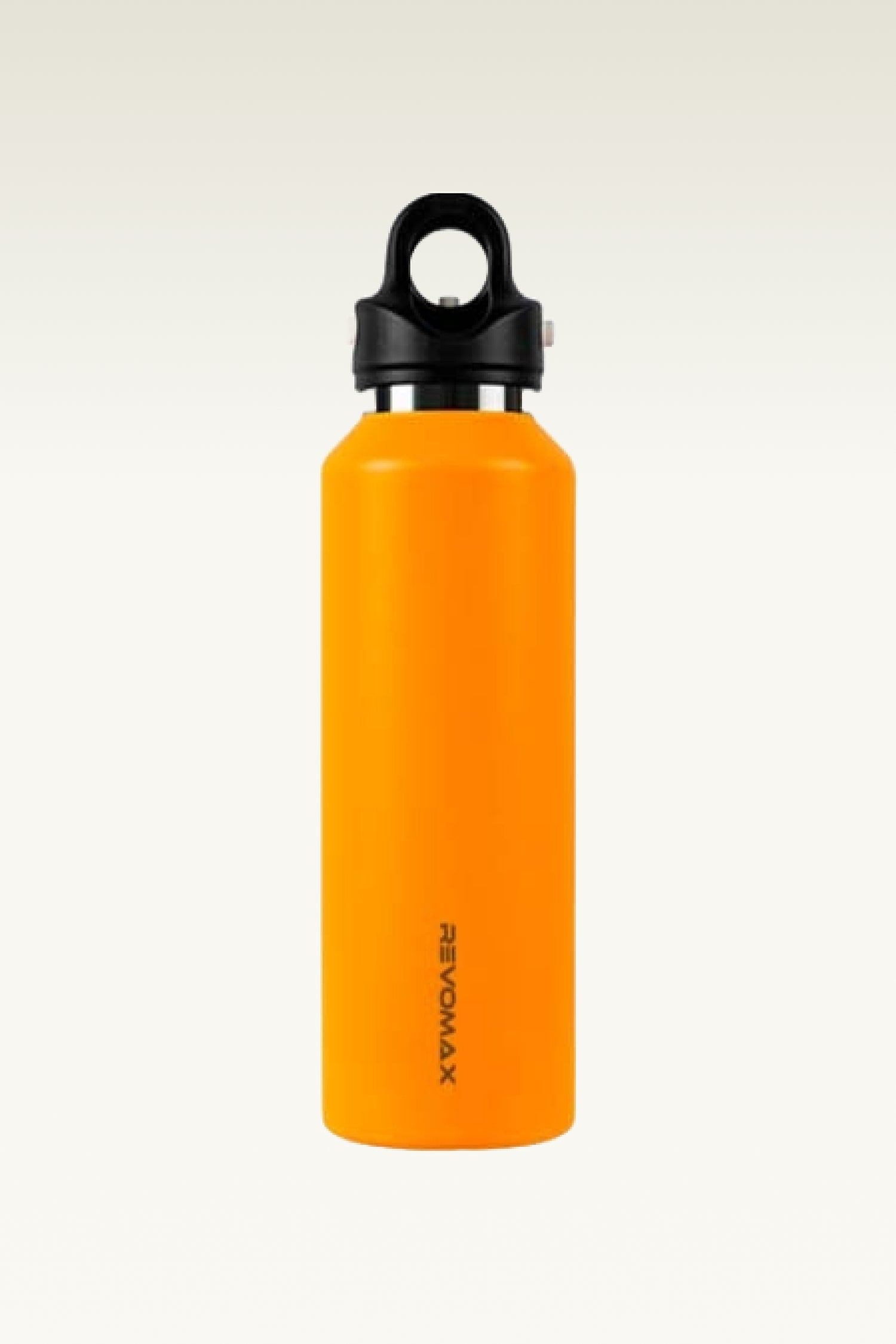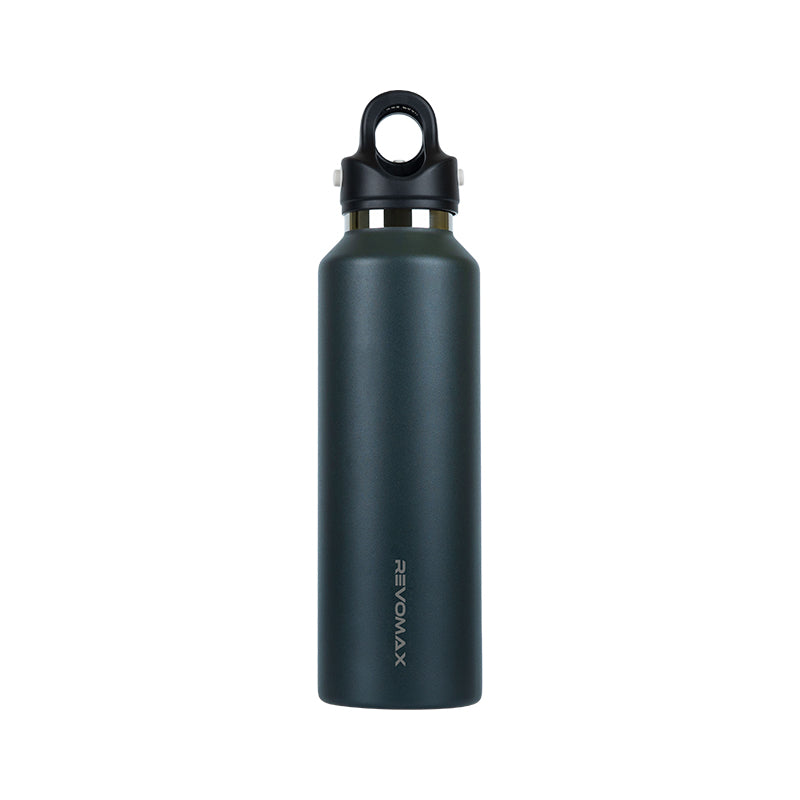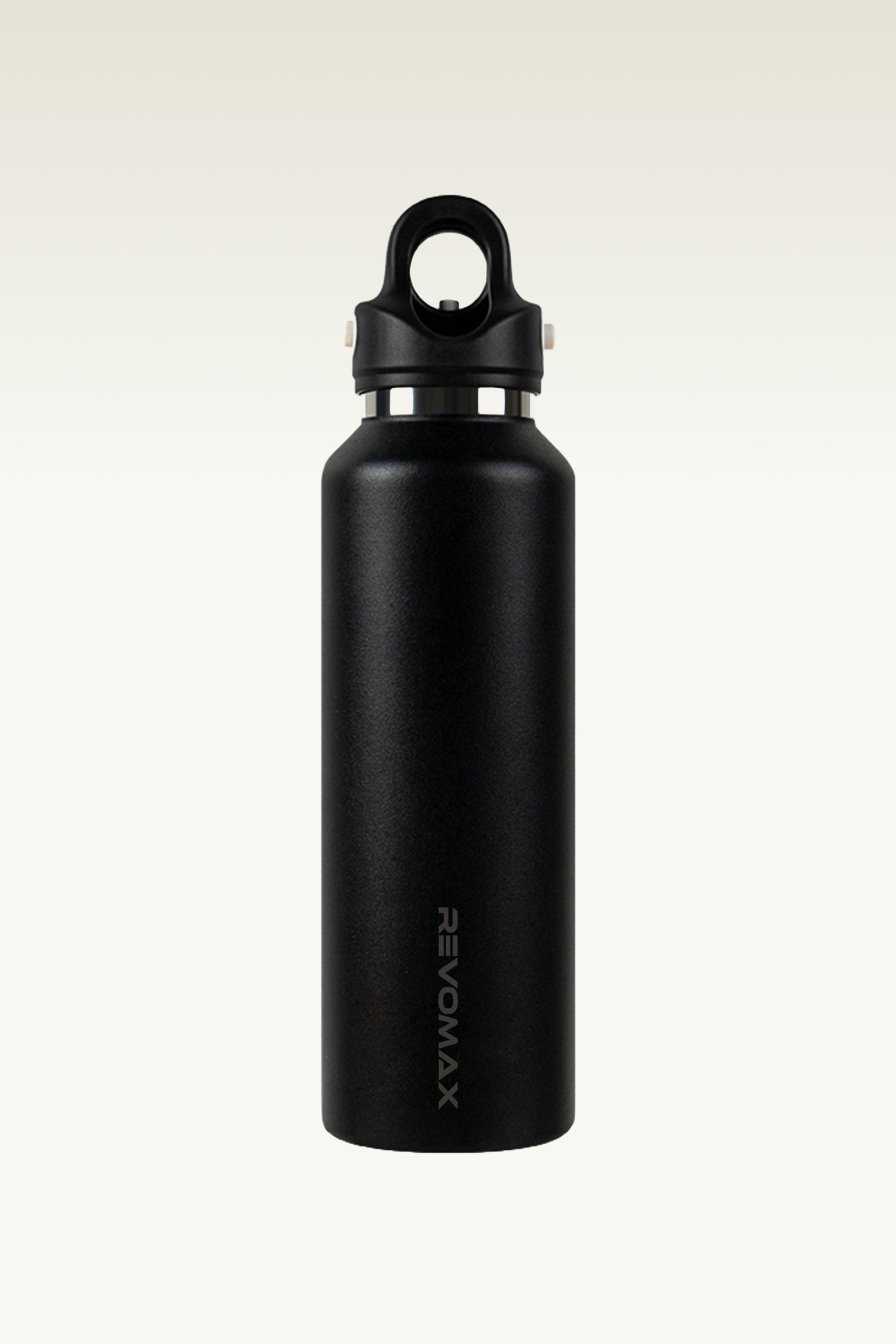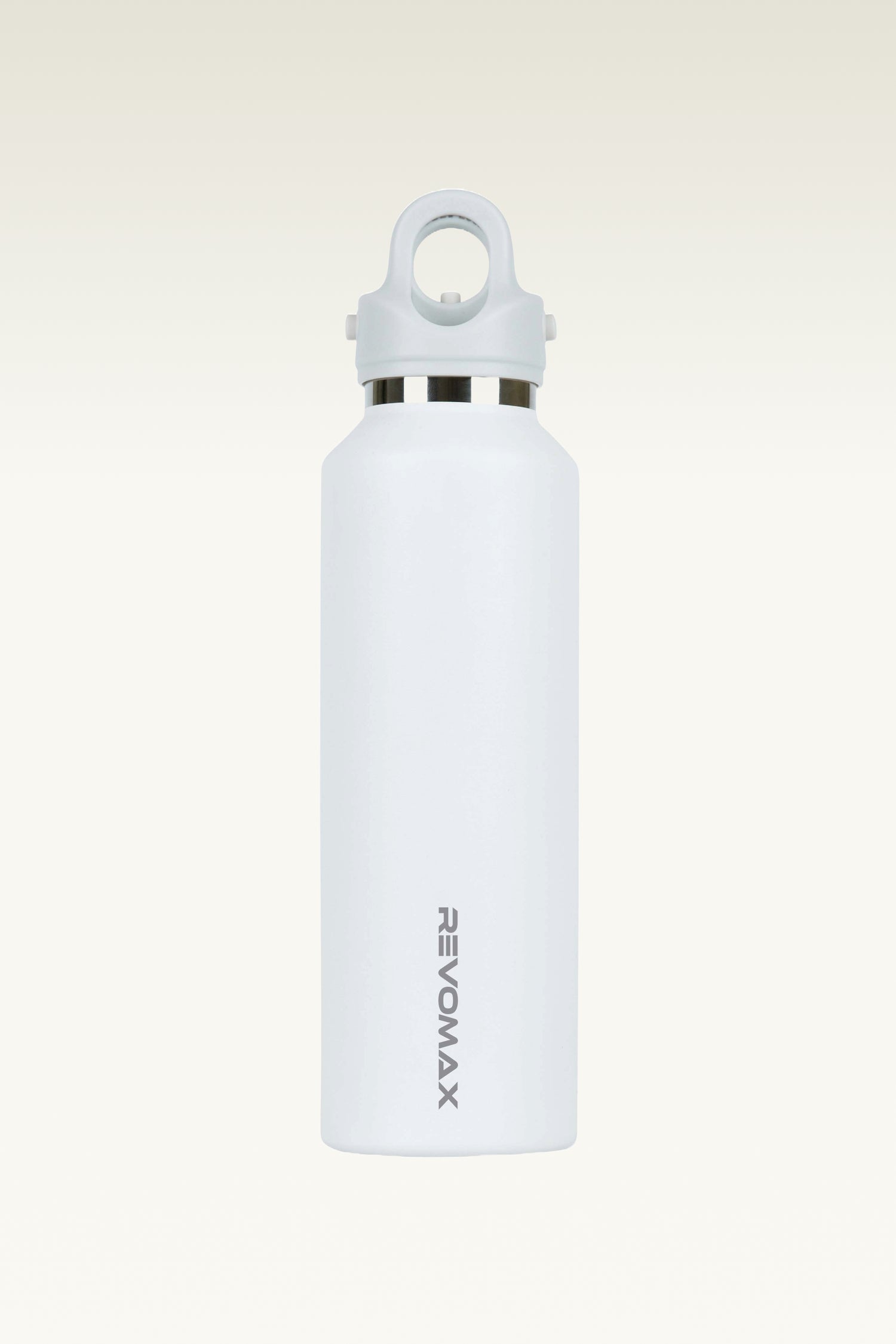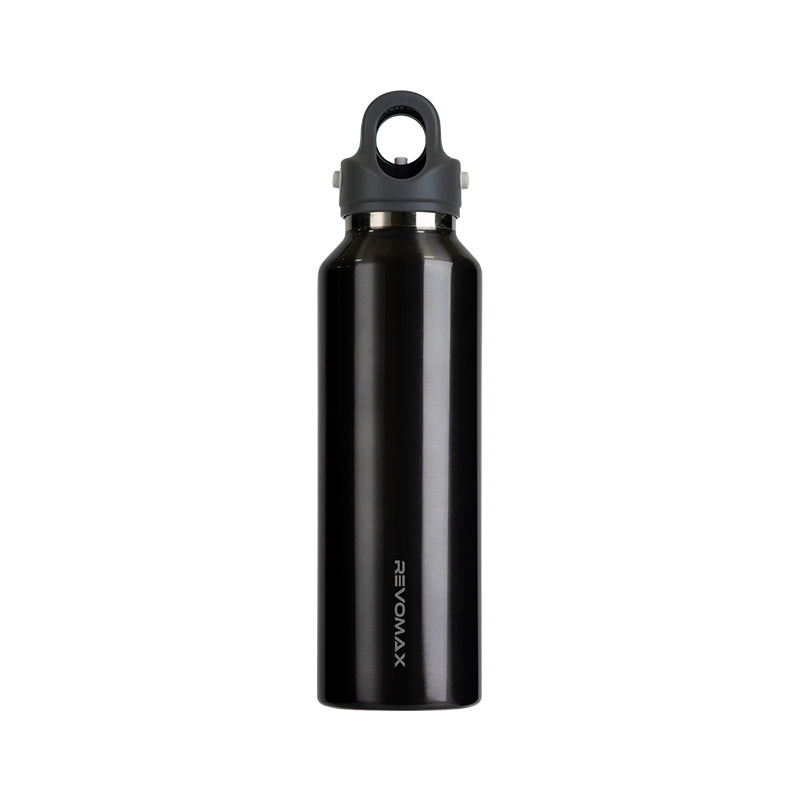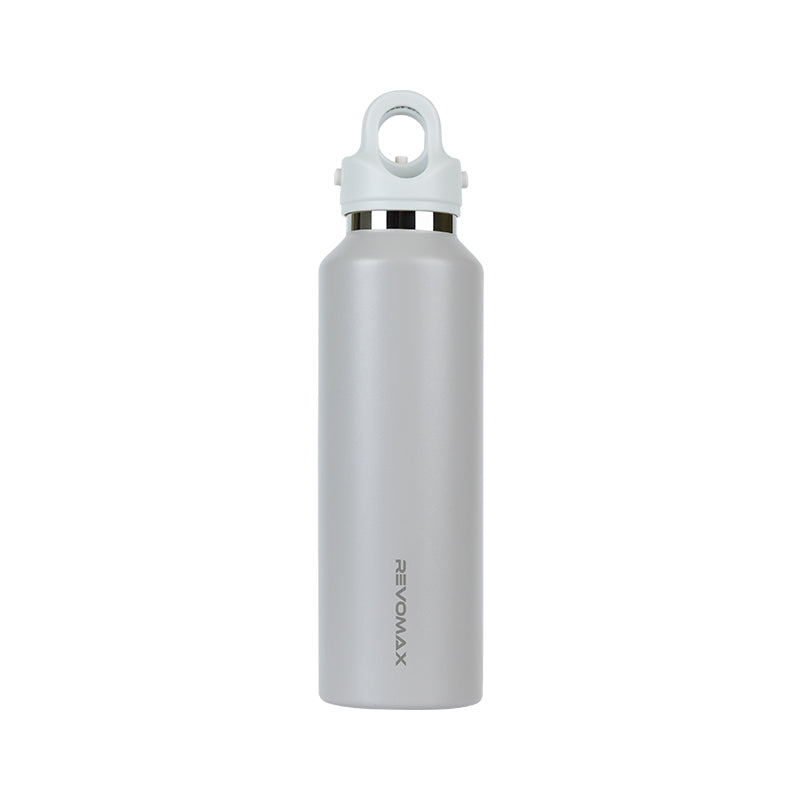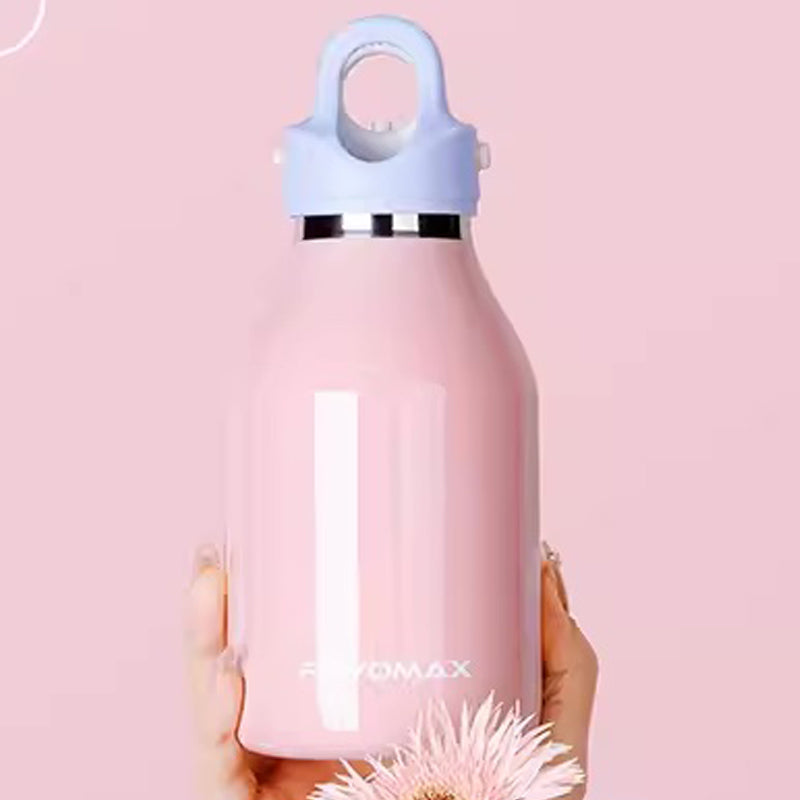
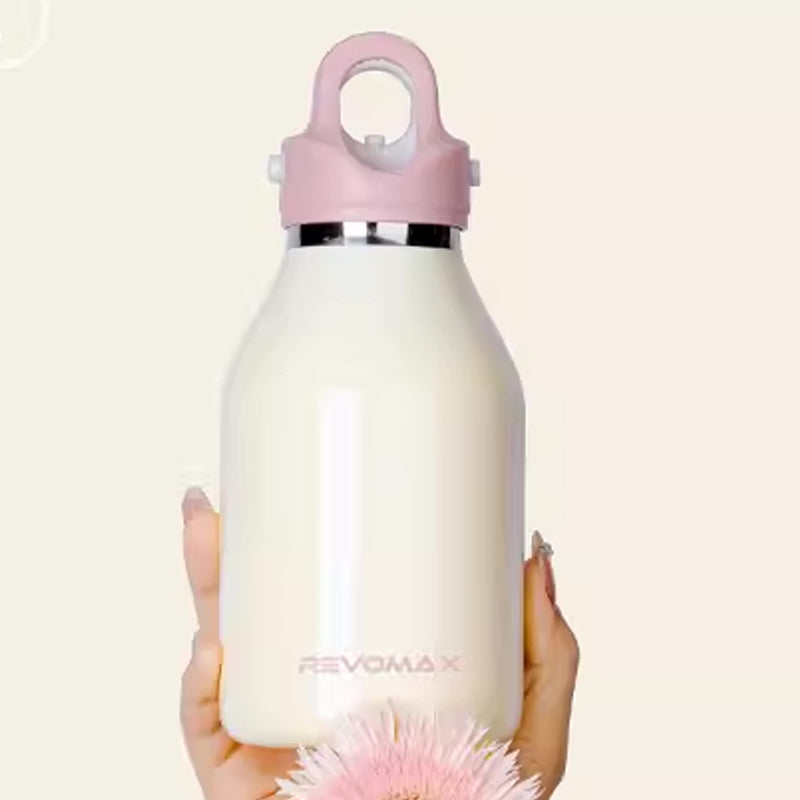


Search for stainless steel water bottles and almost every listing uses the same two words. At Hikesity we make insulated bottles with a 316L medical-grade steel interior, and we spend a lot of time explaining why "stainless steel" on a label tells you less than you might think. Two bottles can look identical in a photo and still differ in the steel that touches your drink, how long they hold temperature, how easy the lid is to clean and what you can safely carry in them. This guide walks through those differences so you can check them yourself.
Not All Stainless Steel Water Bottles Are the Same
The phrase "stainless steel" covers several grades of metal, and a bottle can use one grade inside and another outside. Insulation claims are written in different ways. Lids range from simple screw caps to designs that come apart in seconds. None of this is obvious from a product photo.
So this guide covers five checks that separate one bottle from another:
- The steel grade, especially on the inner wall.
- The insulation and how its claims are stated.
- The lid, because that is where bottles get dirty.
- The drinks it can handle, from coffee to soda.
- The size that matches your day.

If you want the short answer first: look for a 316L interior, double-wall vacuum insulation and a lid you can fully take apart to clean. Those three features solve most of the problems people have with steel bottles, from metallic taste to smelly lids. You can see how they come together in Hikesity's 316L stainless steel water bottles. The rest of this article explains each check in turn.
Check 1: The Steel Grade (304 / 18/8 vs 316L)
Most standard bottles use 304 stainless steel, which is also sold as 18/8. It is a food-grade steel, and it is common in kitchen appliances. There is nothing unusual about it.
316L is a medical-grade steel. The key difference is molybdenum: 316L contains 2–3%, while 304 has none. Molybdenum gives 316L more resistance to corrosion and to acids. In practice, that means 316L resists rust, corrosion and flavour transfer better, while 304 can give a metallic taste with acidic drinks such as coffee or lemon water. 316L is the grade used in surgical implants and marine equipment, and Hikesity's Design Your Own bottle cites ISO 5832-1 for its 316L.
| Feature | 316L (medical-grade) | 304 / 18/8 (food-grade) |
|---|---|---|
| Molybdenum content | 2–3% | 0% |
| Acid resistance | Excellent: coffee and lemon safe | Moderate |
| Metallic taste | None with acidic drinks | Possible with acidic drinks |
| Common uses | Surgical implants, marine equipment | Kitchen appliances |

Why the inner wall is what counts
Your drink only touches the inside of the bottle, so the grade of the inner lining matters most. Hikesity bottles use 316L for the inner lining and 304 food-grade steel for the outer wall. The outer wall never touches what you drink, so 304 there is perfectly sensible.
If you already own a 304 bottle, there is no need to panic. 304 is a normal food-grade steel. The difference shows up mostly with acidic drinks and taste. If you drink plain water, a 304 bottle may serve you well for years. We go into more detail in our honest answer on whether a SUS 304 water bottle is good or bad.
How to spot the grade on a listing
Look for the grade written as a number, and look for where it is used. A listing that says only "stainless steel" or "18/8" is almost always describing 304. A listing that uses 316L will usually say so plainly, and a clear one will tell you whether the 316L is on the inside, the outside or both. If the specification table lists separate inner and outer materials, you have the information you need.
Check 2: Insulation Claims
An insulated stainless steel bottle has a double wall with a vacuum between the two walls. Heat moves poorly across a vacuum, and that is what keeps drinks hot or cold. If a bottle is described as single-wall, it will not hold temperature in the same way.
As a reference point, Hikesity's no-screw bottles are rated for up to 36 hours cold and 18 hours hot. Hot ratings are shorter than cold ratings, so when you compare bottles, compare hot with hot and cold with cold, hour for hour, under the same conditions. A bottle that lists only one figure is telling you half the story.
Real-world use is the best check of any rating. Leaving ice in a bottle on a warm day, or in a parked car, quickly shows you whether the vacuum is doing its job.
Check 3: The Lid Is Where Bottles Get Gross
The steel body of a bottle is easy to rinse. The lid is a different story, and it is where most smells and mould start.
Screw-top vs no-screw lids
A traditional screw-top lid has deep threads and gaskets. When you wash it, those parts usually stay assembled, and residue can collect in the grooves. Over time that leads to smells and mould that a quick rinse cannot reach.
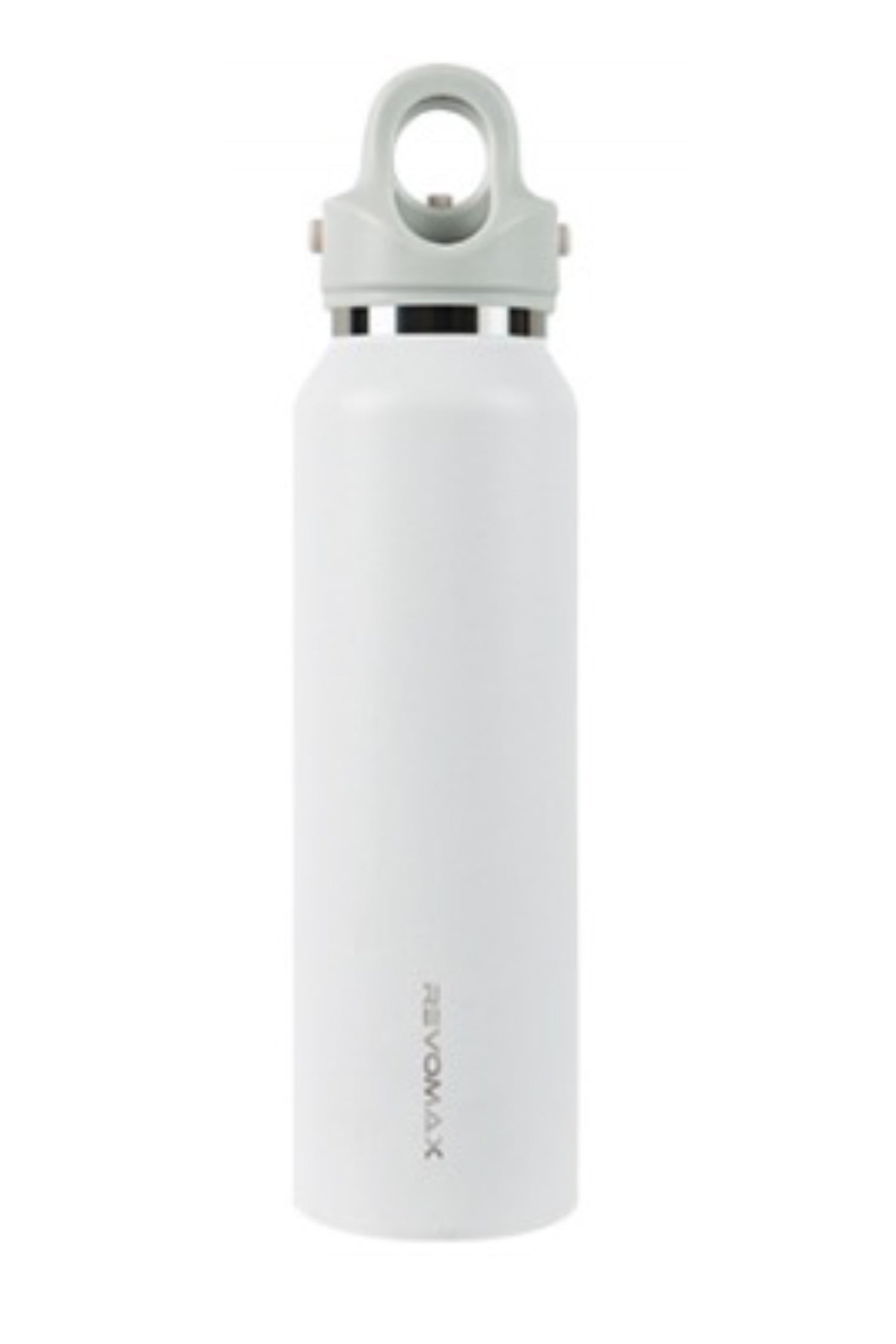
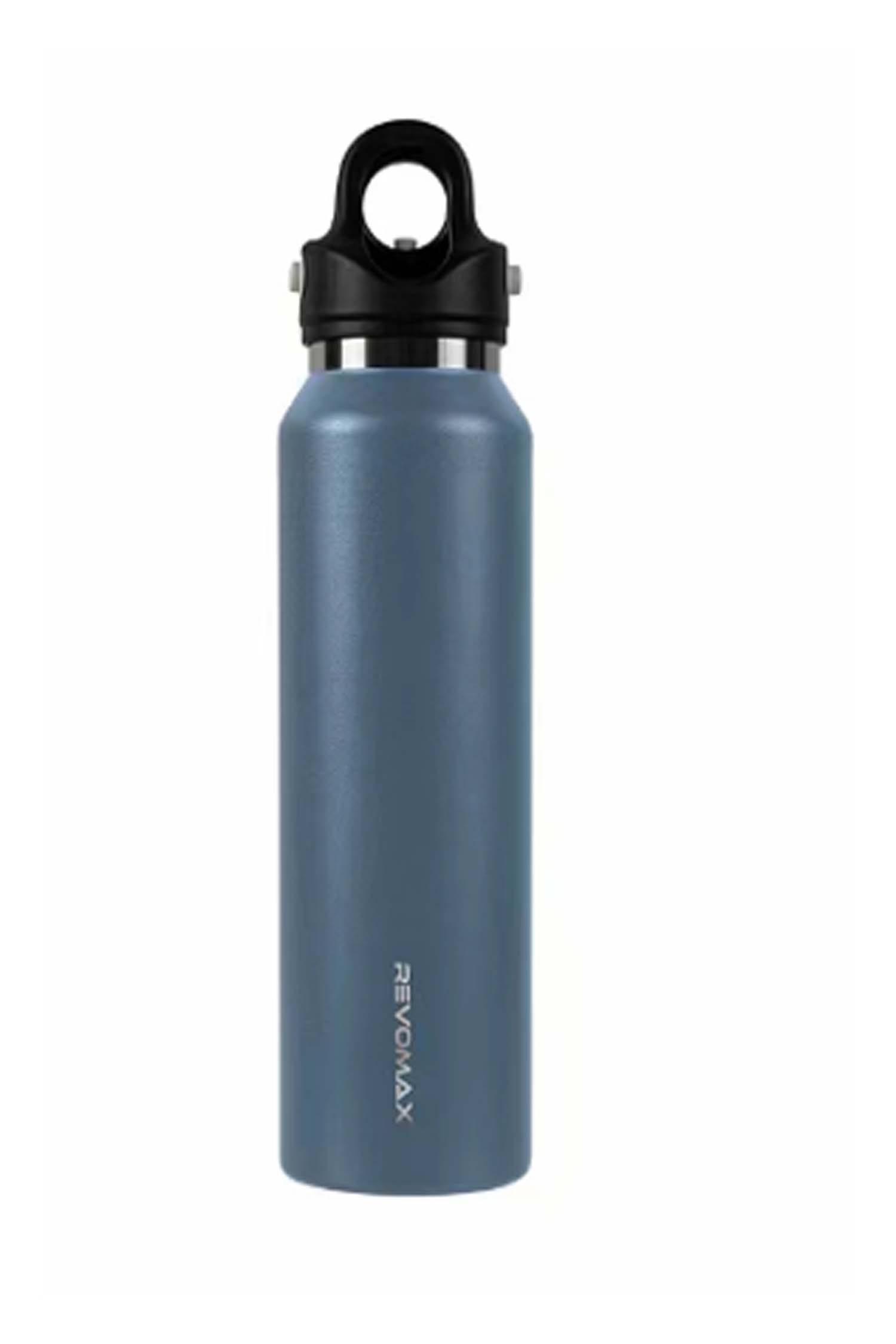
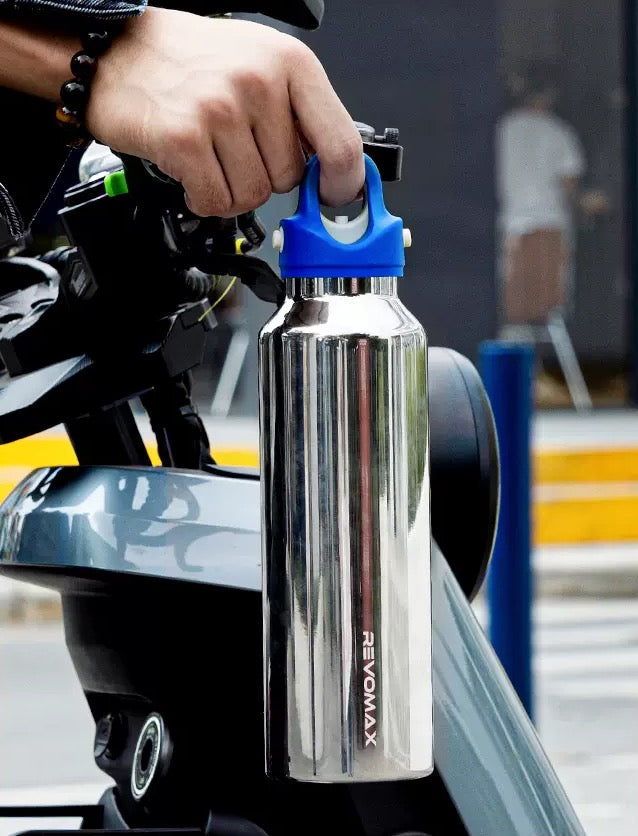
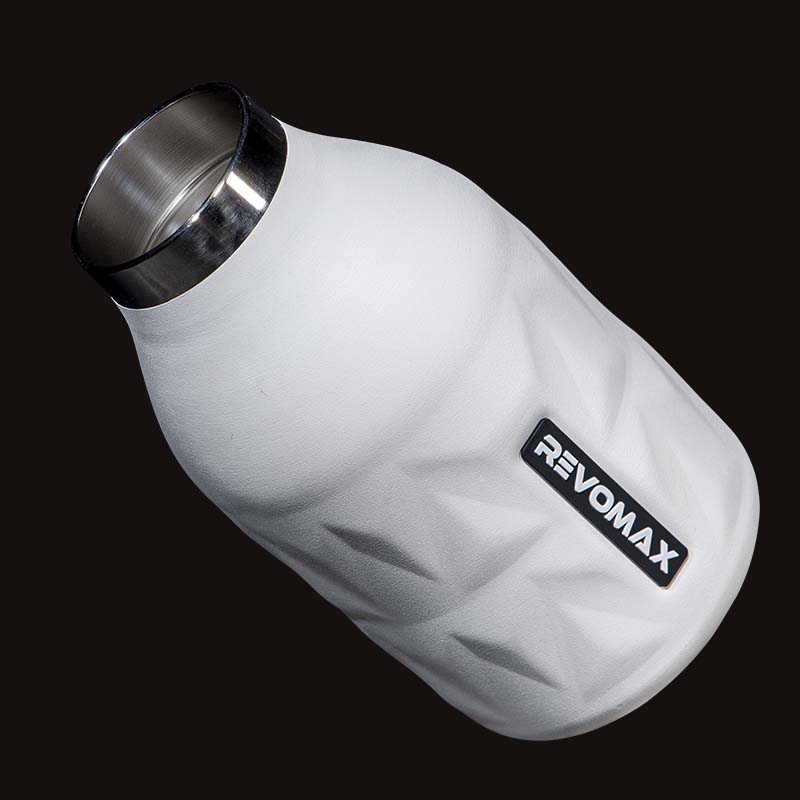
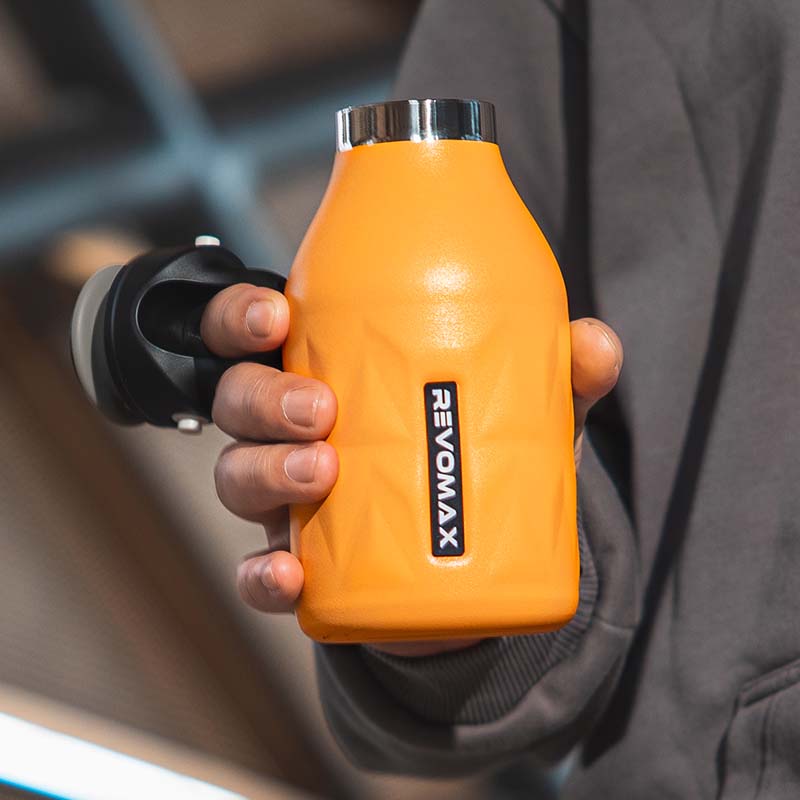
A threadless, or no-screw, lid works differently. It opens and closes one-handed in a second or two and is designed to be leak-proof. Hikesity's 20oz bottle uses a fast-acting screwless lid powered by Revomax technology. There are no deep threads to trap bacteria, and you do not have to twist a cap while holding a phone, a leash or a trekking pole.

How easy is it to clean?
Ask a simple question: can every part of the lid be reached with a brush? Hikesity's lid comes apart into 3 pieces in about 3 seconds, so every part can be washed and there are no hidden spots. If a lid cannot be taken apart, assume that some part of it will never get fully clean.
While you are looking at the bottle, also check for a protective silicone boot on the base. It helps prevent dents if the bottle is dropped and stops it clanking when you set it down on a desk or table.
Check 4: What You Plan to Drink From It
A bottle that is perfect for water may be a poor choice for coffee or soda. Think about what you actually put in it.
Coffee, tea and acidic drinks
Coffee, tea, lemon water and sports drinks are acidic. This is where the steel grade from Check 1 matters. A 316L interior handles acidic drinks without a metallic aftertaste, which is why we use it for every inner lining.
If your water already tastes like metal, the cause may not be the bottle at all. Tap water, household pipes and even your own sense of taste can all play a part, so it is worth ruling those out before blaming the steel.
Soda, sparkling water and beer
Carbonated drinks are a problem for most insulated bottles. A sealed screw cap traps CO₂ until the drink sprays when opened or the cap forces off. That is why most brands tell you to skip fizzy drinks altogether.
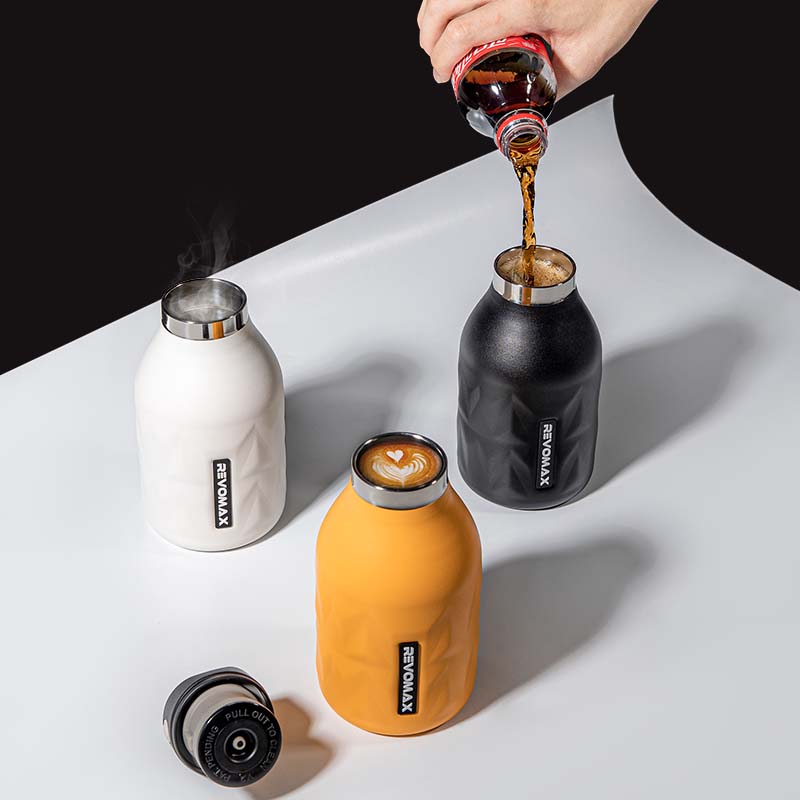
A built-in pressure-release valve changes this. It vents excess CO₂ and equalises pressure when you open the bottle. With one, soda, sparkling water, kombucha and beer are fine to carry: you can fill the bottle, put it in your bag and open it one-handed without a spray. On Hikesity's 316L bottles, the valve stops the spray and the 316L interior handles the acidity of carbonated drinks. For the full mechanics, read how a pressure-release valve lets you carry soda or beer in an insulated bottle.
Check 5: Size (16 oz, 20 oz or 32 oz)
The right size depends on where the bottle goes and how often you can refill it.
- 16 oz (473 ml) is the compact option. It fits easily in a bag and sits neatly on a desk.
- 20 oz (592 ml) is the everyday middle size. Hikesity's 20oz bottle was the top overall pick in the Hikesity Gear Lab 2026 buyer's guide.
- 32 oz (950 ml) suits all-day hydration: two refills reach 64 oz in a day.

If you are torn between two sizes, our 16oz vs 20oz vs 32oz water bottle size guide compares them in more detail.
Are Stainless Steel Water Bottles Safe?
A stainless steel bottle has no plastic lining that touches your drink, which is one of the main reasons people switch to steel. Hikesity bottles are BPA-free, PFAS-free, non-toxic and odourless.
A steel bottle is also a reusable alternative to buying plastic bottles. One well-made bottle that you can clean properly and refill every day replaces a steady stream of single-use ones.
How Hikesity's Stainless Steel Bottles Fit These Checks
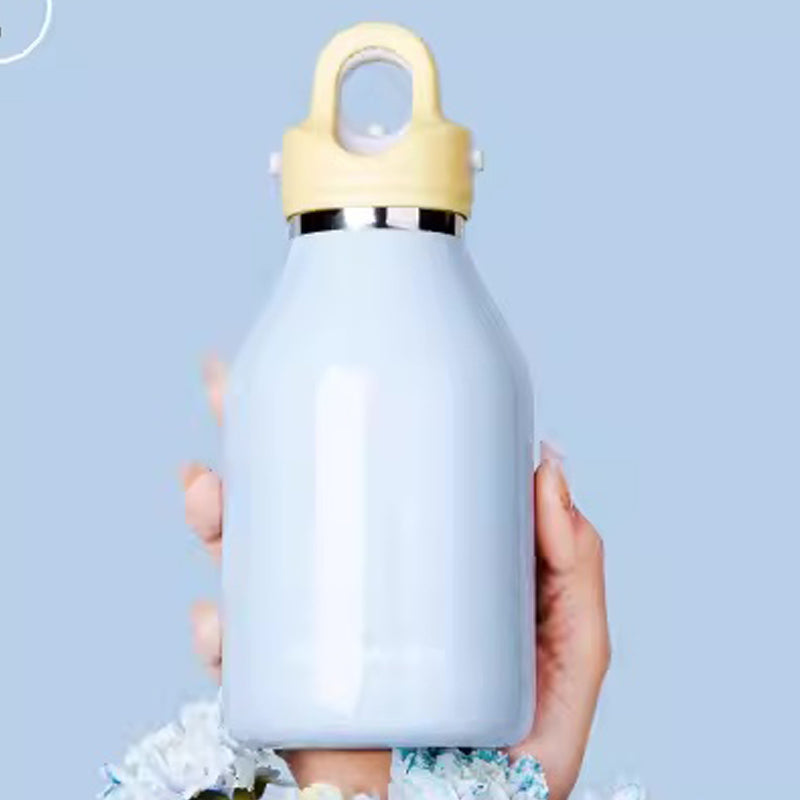
Every bottle in the Hikesity no-screw range shares the same core features: a 316L interior, a 304 exterior, double-wall vacuum insulation rated for 36 hours cold and 18 hours hot, a no-screw one-handed lid, a pressure-release valve and a lid that comes apart into 3 pieces. The differences are size and design.
- 20oz: the top overall pick in our 2026 buyer's guide and a good default for most people.
- 32oz: for all-day hydration with fewer refills.
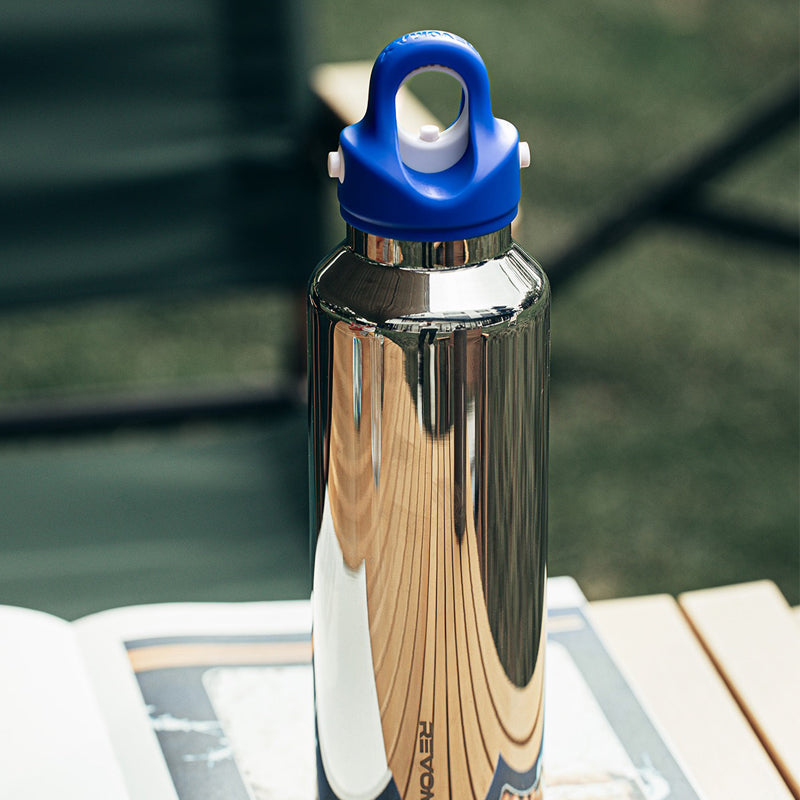
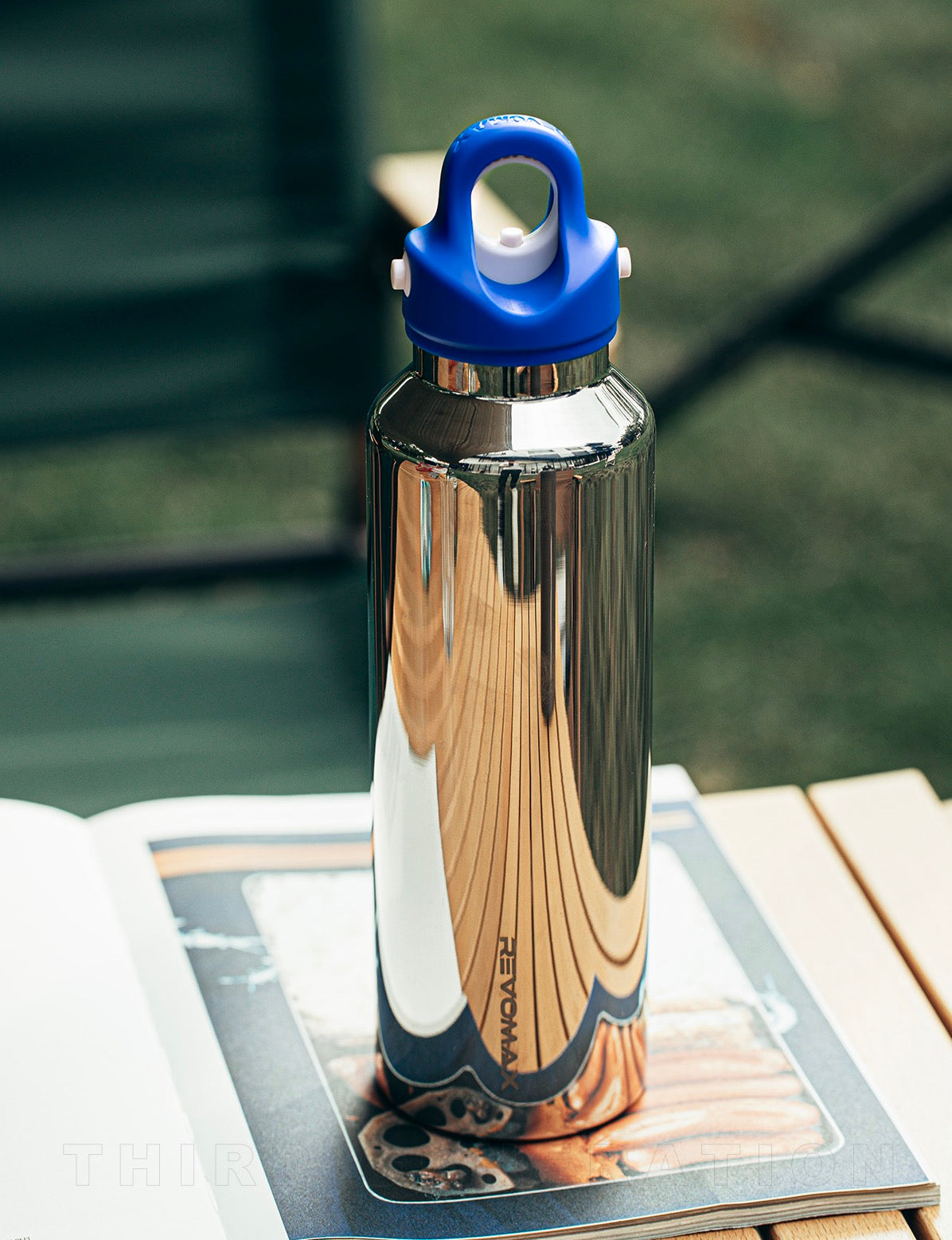
- Klein Blue: offered in 16, 20 or 32 oz, with the Klein blue colour on the lid and a silver steel body.
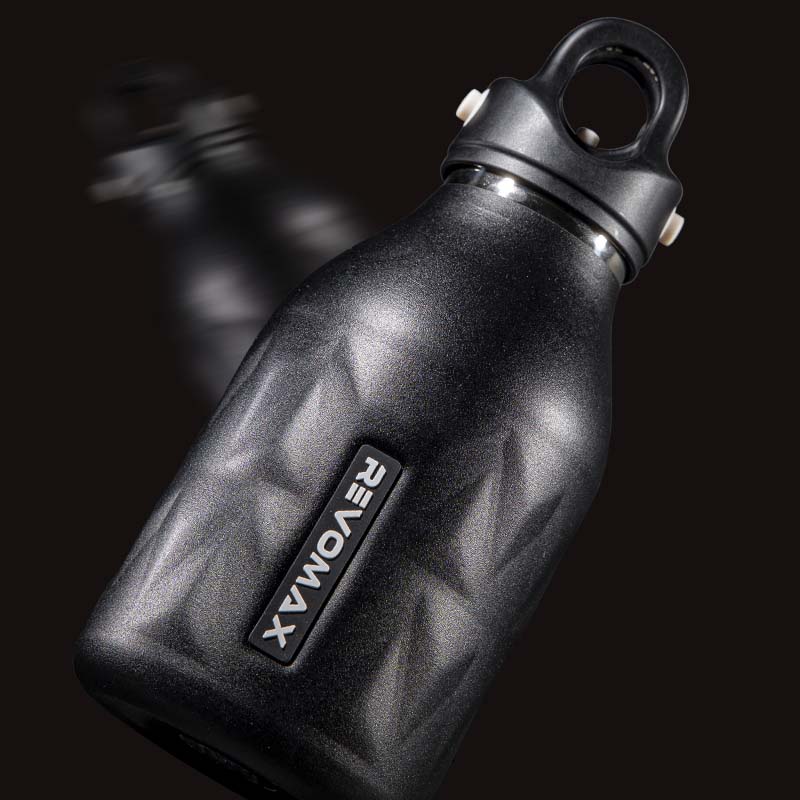
- Happy City and Walk City: 16 oz designs that open and close with one hand.
- Design Your Own: a 16 oz bottle with 576 combinations of lid, body and boot, plus a lifetime warranty.


If you want to see how these checks play out across other brands, the 2026 decision matrix comparing Hikesity with 12 top water bottle brands lays the options side by side.
Quick Buying Checklist
Before you buy any stainless steel water bottle, run through these questions:
- Inner steel: is it 316L, or 304/18/8?
- Insulation: is it double-wall vacuum, with hours stated for both hot and cold?
- Lid: can it come fully apart, and does it have threads?
- Drinks: is it acid-safe, and does it have a pressure-release valve if you want carbonated drinks?
- Size: does it match your day: desk, commute or all-day outings?
- Extras: is there a protective boot, are the materials BPA- and PFAS-free, and what does the warranty cover?
A bottle that passes all six will taste clean, stay clean and keep your drinks the way you like them for a long time.
Frequently Asked Questions
What is the best grade of stainless steel for a water bottle?
316L is the stronger choice for the inner wall that touches your drink. It contains 2–3% molybdenum, which gives it more resistance to corrosion and acids than 304, so it resists rust and flavour transfer better.
Is 18/8 stainless steel the same as 304?
Yes. 18/8 is another name for 304 stainless steel, a food-grade steel that is common in kitchen appliances and standard water bottles.
Why does my stainless steel bottle make water taste metallic?
304 steel can give a metallic taste with acidic drinks such as coffee or lemon water. The cause may also be your tap water, pipes or your own sense of taste, so it is worth checking those too.
Can you put coffee or lemon water in a stainless steel bottle?
Yes. A bottle with a 316L interior handles coffee, tea, lemon water and sports drinks without a metallic aftertaste.
Can you put soda or sparkling water in an insulated stainless steel bottle?
Only if it has a pressure-release valve. A sealed screw cap traps CO₂ until the drink sprays or the cap forces off, while a valve vents excess CO₂ so soda, sparkling water, kombucha and beer can be carried safely.
How do you clean the lid of a stainless steel water bottle?
Take the lid apart so every part can be washed. Hikesity's no-screw lid comes apart into 3 pieces in about 3 seconds, which leaves no hidden spots for residue to collect.
Are stainless steel water bottles BPA-free?
Stainless steel has no plastic lining that touches your drink. Hikesity bottles are BPA-free, PFAS-free, non-toxic and odourless.
What size stainless steel water bottle should I get?
16 oz (473 ml) is compact for bags and desks, 20 oz (592 ml) is the everyday middle size, and 32 oz (950 ml) suits all-day hydration, reaching 64 oz in two refills.