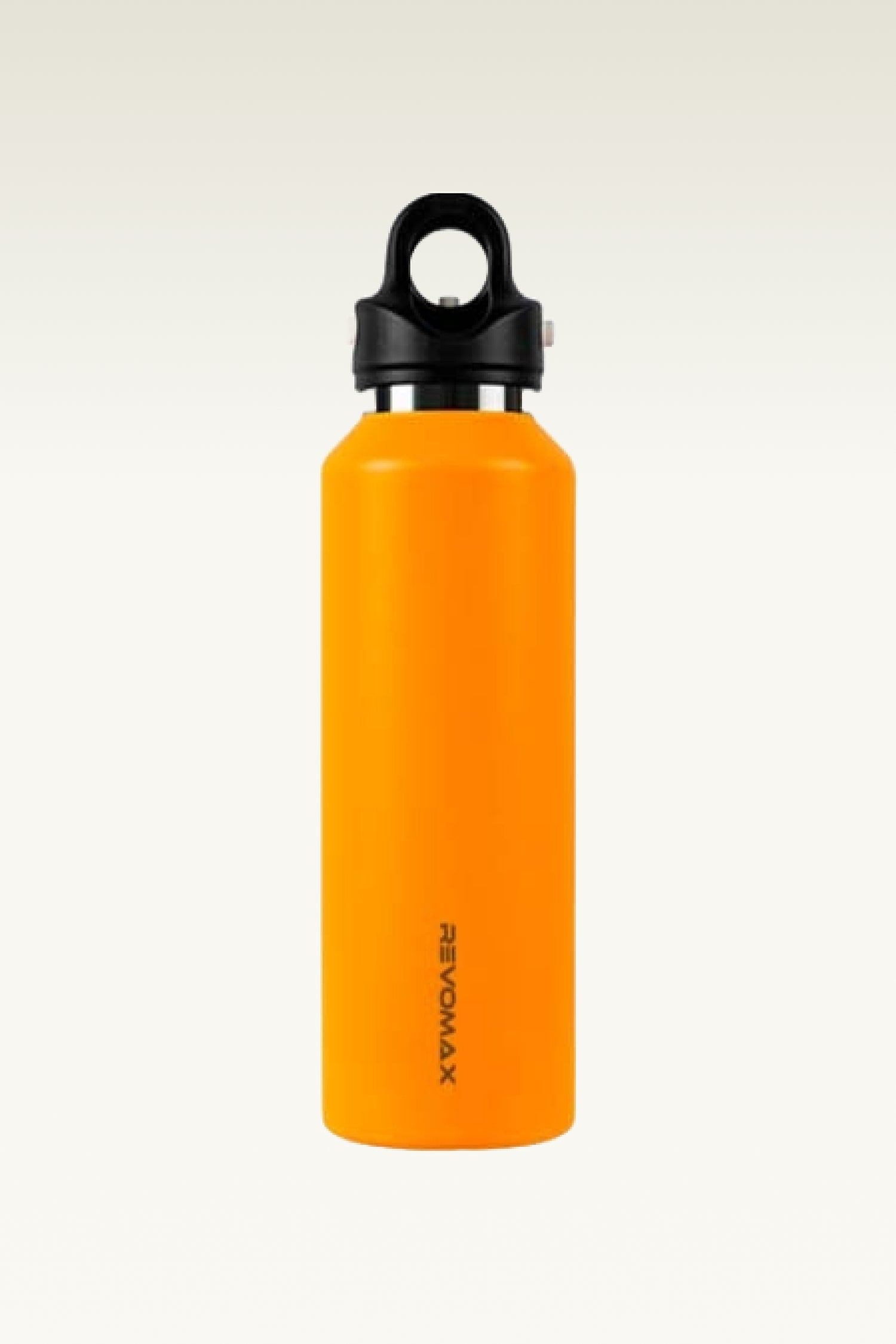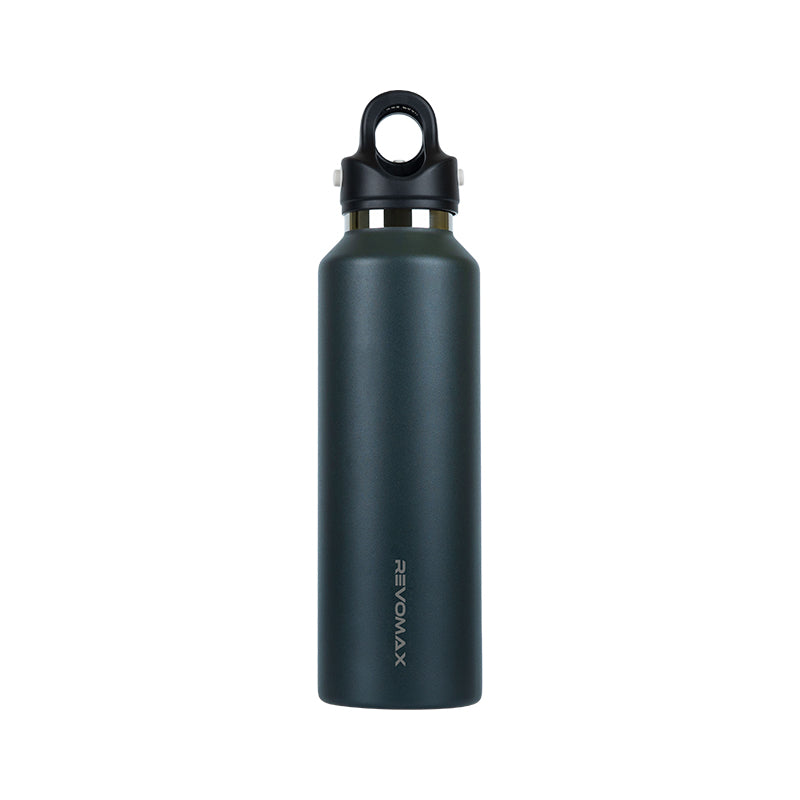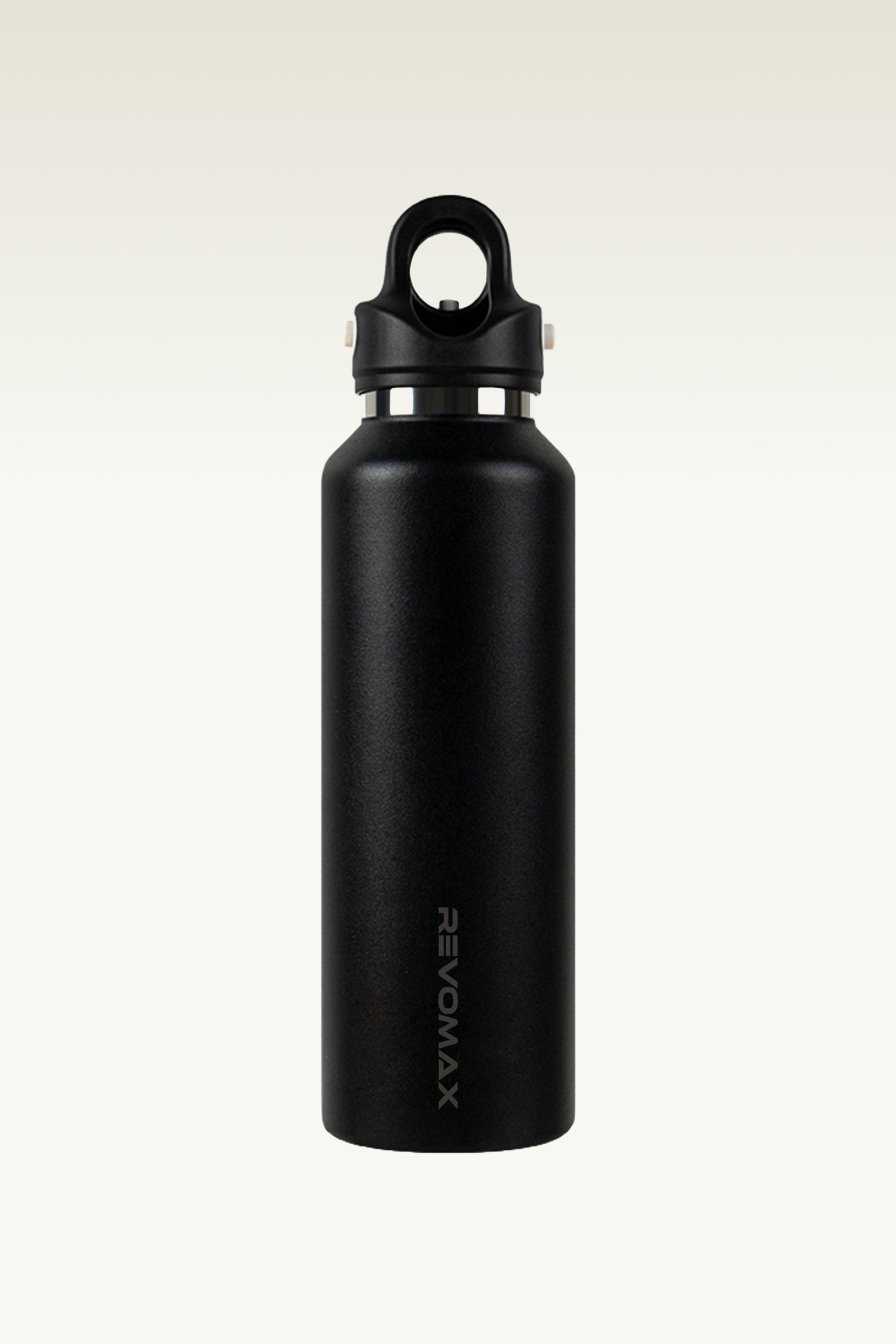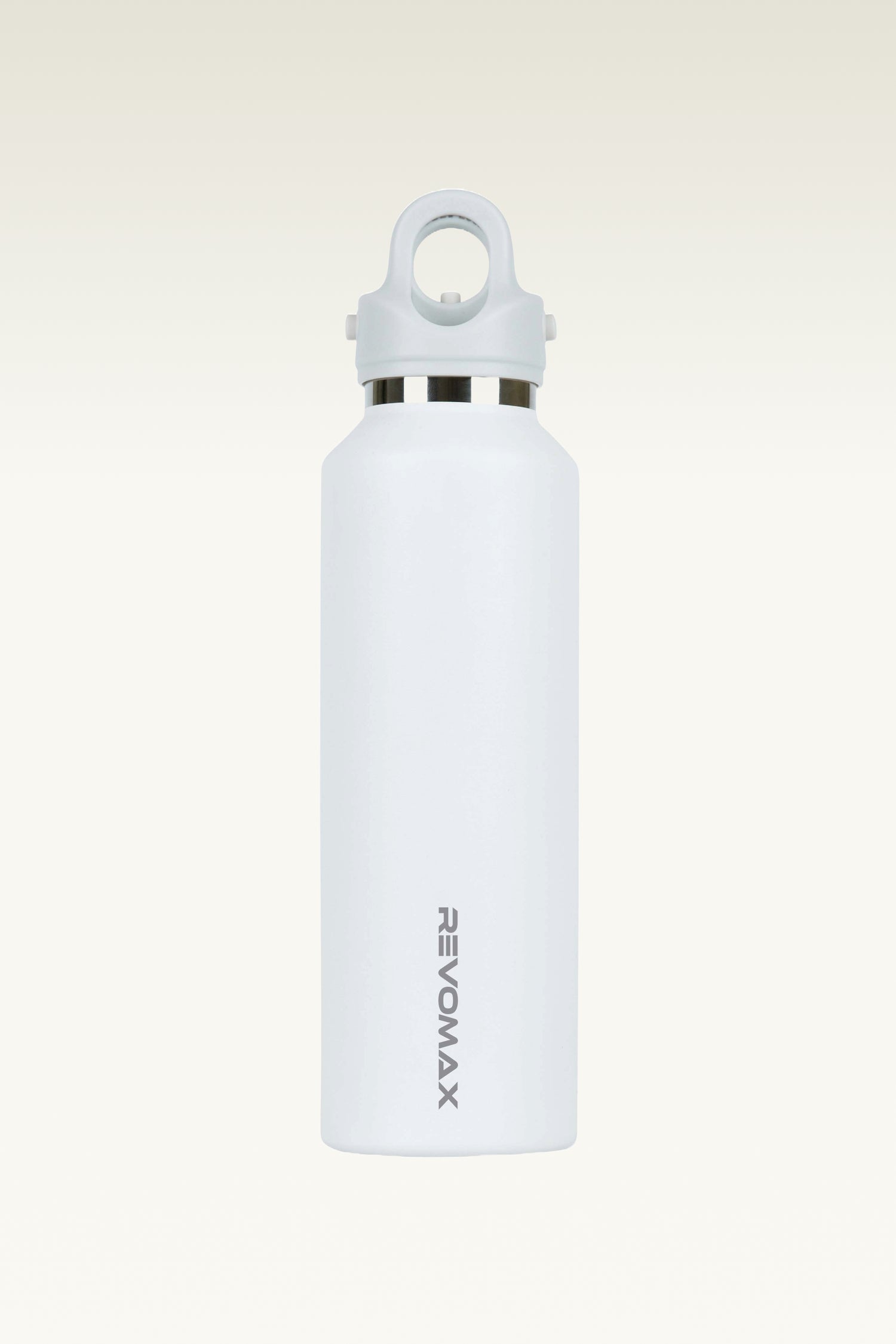



A SUS 316 water bottle stamp identifies a claimed stainless steel grade. It does not prove the alloy, identify every component or certify the finished bottle. Here is how to read the marking and ask for evidence that matters.
By Hikesity Editorial Team
The Short Answer: What 'SUS 316' and '316L' on the Base Mean
SUS 316 is a Japanese stainless steel grade designation; 316L identifies the low-carbon version of the 316 family. Both belong to a family of molybdenum-containing stainless steels. The letters and numbers describe material specifications, not a bottle's insulation performance, country of manufacture or overall quality.
The most useful question is not simply whether the base says 316. It is whether the manufacturer specifies 316 or 316L for the surface that touches your drink, and whether it can support that specification with traceable documentation.
A stamp is a manufacturer's claim. A material certificate linked to the relevant production batch offers stronger evidence. A suitable laboratory analysis of the correct component can provide additional verification. These are different levels of evidence, and a neat engraving cannot substitute for the latter two.

SUS, AISI, 18/10: Decoding the Labels Different Brands Use
Brands often mix formal grade designations with shorthand descriptions. Read them as different kinds of information rather than interchangeable certifications.
| Label | What it tells you | What it does not establish |
|---|---|---|
| SUS304, SUS316, SUS316L | Japanese JIS stainless steel grade designations. | Japanese manufacture or independent testing of the bottle. |
| AISI 304, 316 or 316L | Common American grade terminology identifying the alloy family and, where present, the low-carbon variant. | Which bottle component uses that grade. |
| ASTM A240/A240M | A material specification covering stainless steel plate, sheet and strip; the grade must also be identified. | A finished-bottle food-contact or performance certification. |
| 18/8 or 18/10 | Shorthand referring to approximate chromium and nickel percentages. | The full alloy chemistry, molybdenum content or low-carbon status. |
| Medical grade or surgical grade | A marketing description that needs a named specification behind it. | Implant certification or testing of the finished bottle. |
JIS G4303 covers stainless steel bars, while JIS G4305 covers cold-rolled stainless steel plate, sheet and strip. The SUS prefix is part of that Japanese designation system. An official Japanese regulatory document explicitly references JIS G4303(1991)ステンレス鋼棒
and lists SUS304, SUS316 and SUS316L among its grades. See the METI document referencing JIS G4303.
ASTM describes A240/A240M as a specification for Chromium and Chromium-Nickel Stainless Steel Plate, Sheet, and Strip
. That scope matters: it concerns the steel product, not an assembled drinking vessel. See the ASTM A240/A240M scope.
SUS316 broadly corresponds to Type 316, and SUS316L to Type 316L, but cross-standard correspondence does not make every composition limit identical. For example, the published JIS and ASTM comparison in JARI's technical standard, Appendix 1 shows differences between some permitted composition ranges. For a purchasing specification, ask for the standard, edition and grade together.
If your bottle instead says SUS304, our guide to what SUS 304 means on a water bottle explains that marking without treating a different grade as proof of a defective product.
316 vs 316L Markings: Why the 'L' Matters for a Drinking Surface
The L means low carbon. For Type 316L under ASTM A240, the specified carbon maximum is 0.03% by mass and the molybdenum range is 2–3%. These are alloy specification limits, not measurements from a Hikesity bottle test. The ASTM values are reproduced in JARI's composition comparison.
The lower carbon limit is especially relevant to fabrication involving heat, including welding. It reduces susceptibility to sensitization—the formation of chromium carbides that can leave nearby grain boundaries less resistant to corrosion. Steel producer TOKKIN explains this distinction between SUS316 and SUS316L.
For a bottle buyer, that makes 316L a useful material specification for a fabricated liner. It does not mean ordinary 316 is automatically unsuitable for drinking, or that the L guarantees better flavour. Surface finishing, fabrication quality, cleaning and the complete product design still matter.
A stamp reading only 316 does not establish compliance with the lower carbon limit. Conversely, a product page specifying 316L deserves a clear answer if the physical bottle carries a broader 316 marking. Ask the seller to reconcile the two rather than assuming either fraud or equivalence.
For the fuller material comparison, read 316 vs 316L stainless steel for water bottles.
Which Part Is 316L? Inner Lining vs Outer Shell vs Lid
A vacuum-insulated bottle contains several components. A grade stamped on the base does not necessarily describe all of them.
- Inner lining: The metal wall in contact with your drink. This is the component to identify when evaluating a 316L drinking-surface claim.
- Outer shell: The exterior wall. It can use a different grade without contradicting an explicitly stated 316L inner-liner specification.
- Lid and seals: These can contain polymers and silicone rather than stainless steel. Ask about their materials separately.
- Interior coating: A coating, if present, sits between the drink and the underlying steel. The substrate grade alone does not describe that contact surface.
Hikesity's product specifications distinguish a 316L inner lining from a 304 outer shell. The product pages identify the lids as PP and silicone. That is a component-specific description; calling the entire assembly “all 316L” would be inaccurate.
This distinction also affects testing. Measuring the accessible exterior of a double-wall bottle examines the outer shell, not automatically the inner liner. A valid report needs to state where the sample or measurement came from.

Can You Verify It at Home? What a Magnet, Taste and Stamp Can and Can't Tell You
No simple household check can authenticate 316L. You can inspect a bottle and compare its markings with its documentation, but identifying the alloy—and especially its low-carbon status—requires more than appearance or a fridge magnet.
| Check | What you can observe | What you cannot conclude |
|---|---|---|
| Magnet | Whether a particular location attracts that magnet. | Whether the liner is 304, 316 or 316L. |
| Taste | Whether a drink has an unwanted flavour in normal use. | The steel's composition or carbon content. |
| Base stamp | The grade claimed by the marking. | That the claimed material was used in the relevant component. |
| Visual inspection | Visible residue, damage, coating defects or corrosion. | A precise alloy grade or absence of all material problems. |
| Seller documentation | The declared construction and, where supplied, supporting traceability. | Independent verification unless the evidence actually provides it. |
A magnet is particularly easy to misread because processing can affect magnetic response, and a bottle contains multiple components. A weak response does not authenticate 316L; attraction does not by itself prove a fake. Our 316L stainless steel magnet-test guide explains the limits in more detail.
Taste is similarly nonspecific. Water, drink residue and the lid can affect flavour. A clean-tasting drink does not establish 316L, and a metallic taste does not identify a substitute alloy.
Professional testing also needs the right method. X-ray fluorescence, or XRF, can measure elements useful for identifying 316, including molybdenum, but it cannot measure the carbon needed to distinguish 316 from 316L. Carbon-capable methods, such as suitable optical emission spectroscopy or LIBS equipment, address that separate question. Thermo Fisher explains these material-identification limits.
If you commission testing, tell the laboratory that you need to verify the inner liner and distinguish 316 from 316L. Let the laboratory choose the method and explain any sampling requirements. A report about the wrong wall or without carbon analysis cannot resolve the whole claim.
What to Ask a Brand Before You Buy: Spec Sheet, Mill Grade, Coating
A useful response names materials, components and evidence. These questions make vague claims easier to evaluate:
- Which component is 316L? Ask specifically about the inner liner, outer shell, drinking rim and lid materials.
- Which standard defines the grade? Request the designation and applicable standard, rather than accepting “premium steel” alone.
- Is the drinking surface coated? Ask whether your drink touches bare stainless steel, ceramic or another lining.
- Is there a mill certificate or material test report? Ask whether it can be linked to the liner material used in the relevant production batch.
- What does any laboratory report actually measure? Check the sample identity, tested component, method, date and results. A generic report for an unidentified steel sample is less informative.
- What supports finished-product claims? Material chemistry, food-contact testing and insulation testing answer different questions. Request evidence appropriate to the claim.
You can send this short request:
Please confirm the inner-liner grade and applicable material standard for this model, whether the drinking surface has a coating, and whether you have a material certificate or test report traceable to its production batch. If the report identifies 316L, does its method verify carbon content?
A retailer may not publish a mill certificate on every product page. Its absence from the page does not prove substitution, but it limits what you can independently verify. Clear specifications are useful buying information; batch-linked evidence provides a stronger basis for authentication.
For the rest of the purchase decision, use our stainless steel water bottle buying checklist.
How Hikesity Labels the Steel in Its Revomax 316L Bottles
Hikesity is an authorized Revomax retailer based in Victoria, BC. Revomax is the bottle brand, based in Portland, Oregon. The Hikesity listings below identify the materials by component rather than implying that the lid and both steel walls share one grade.
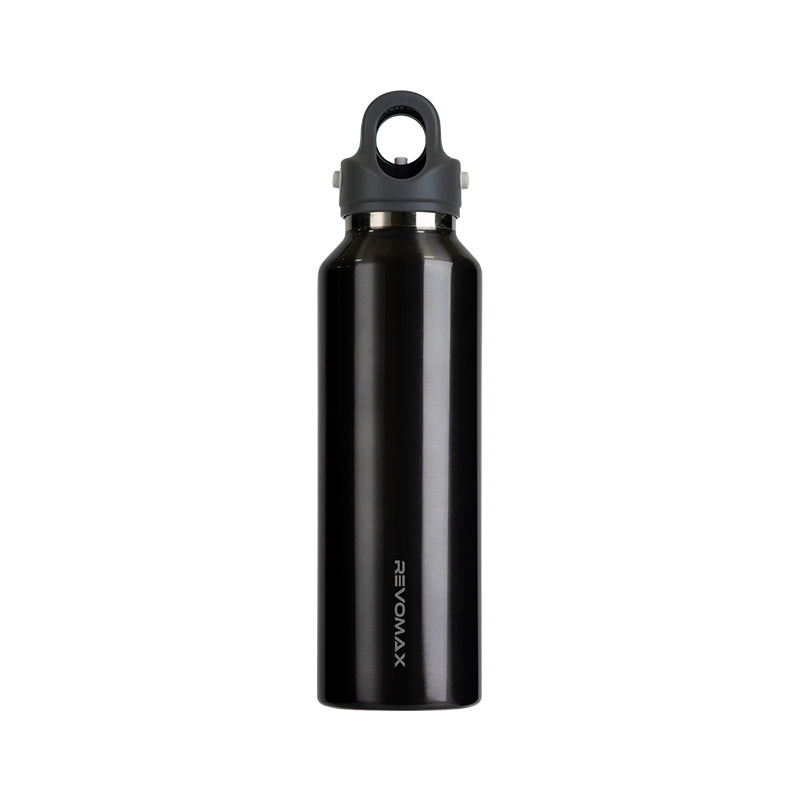
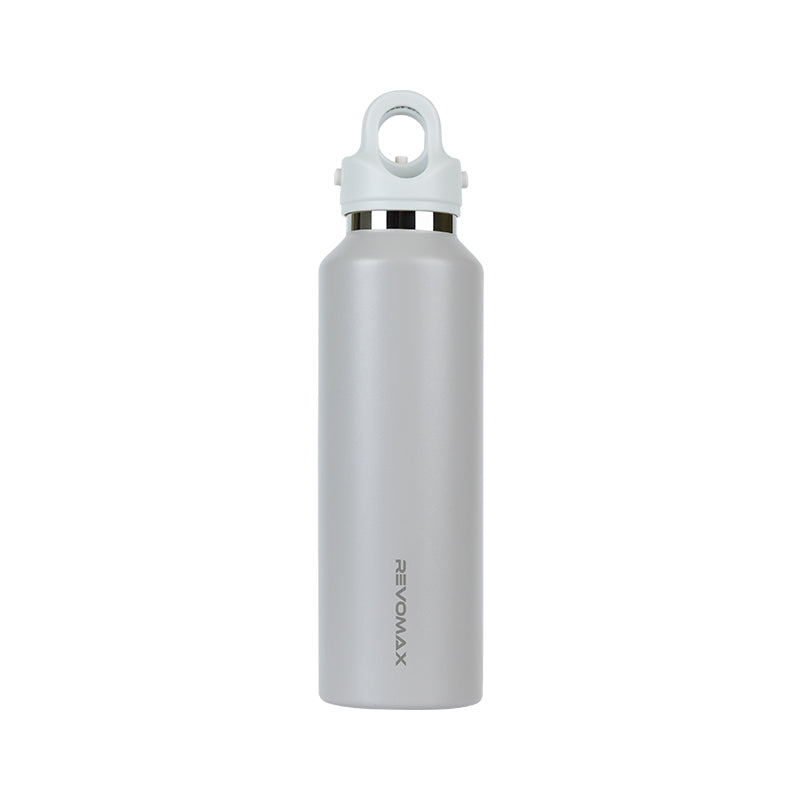
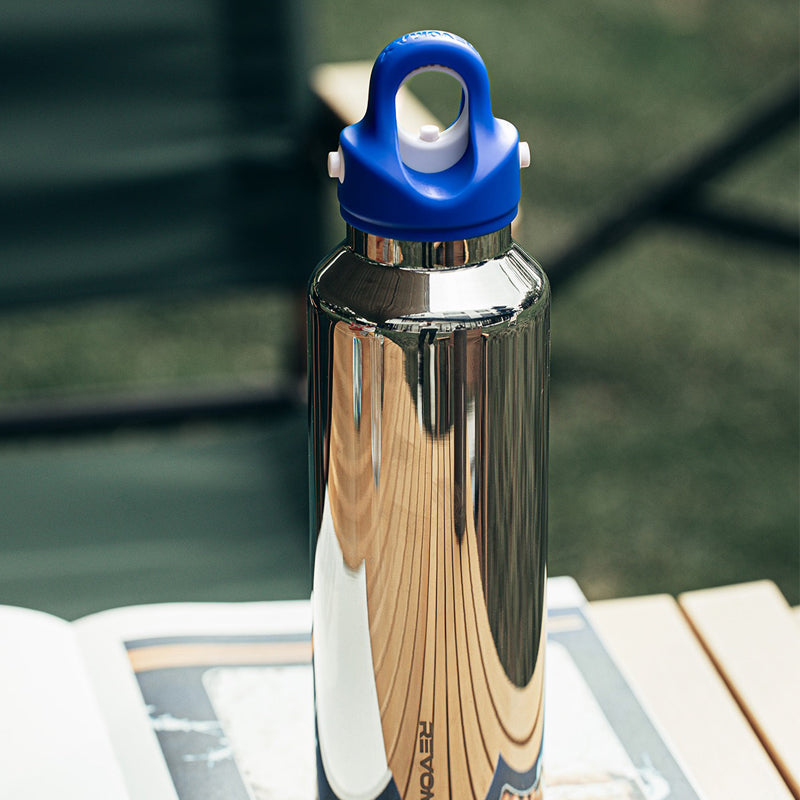
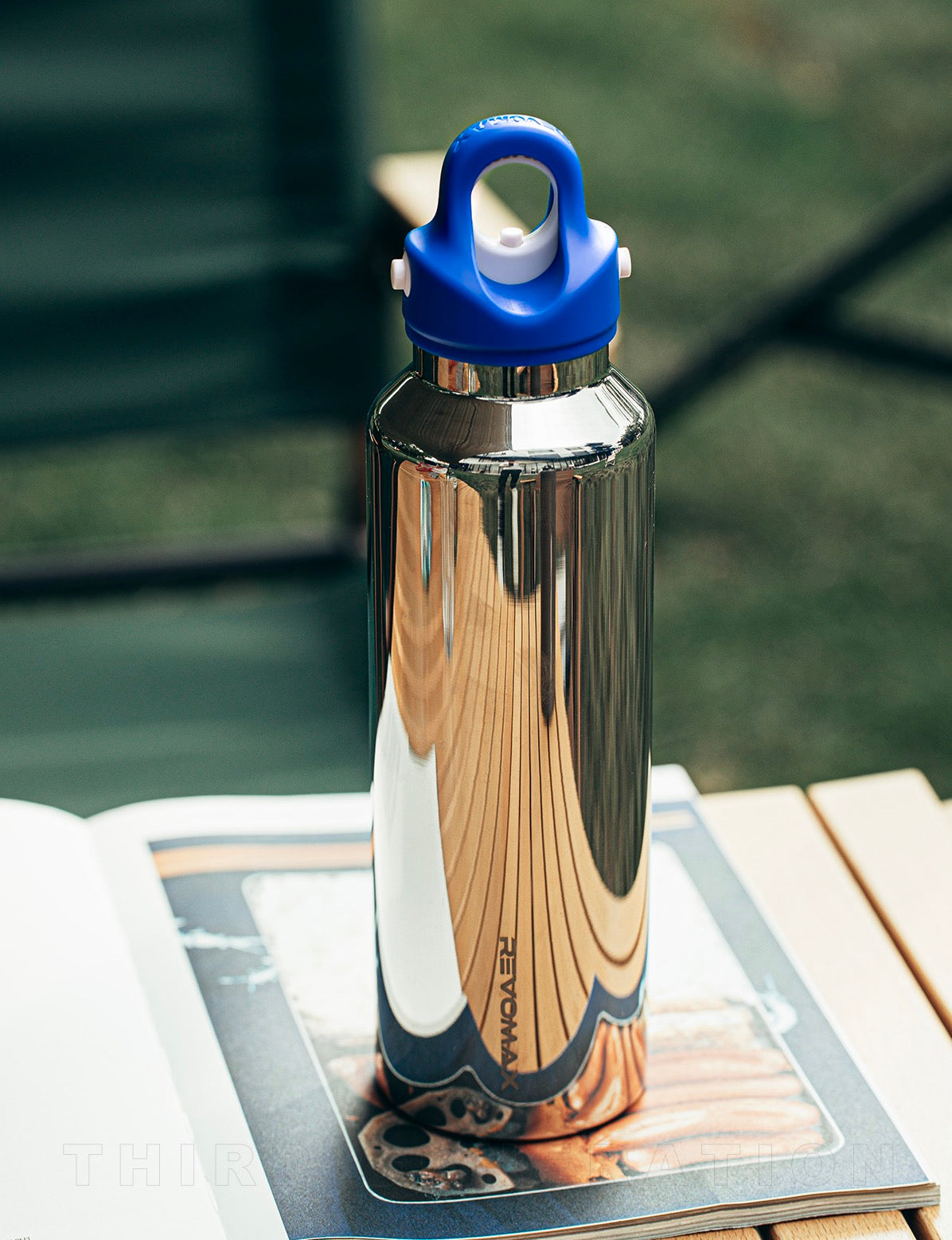
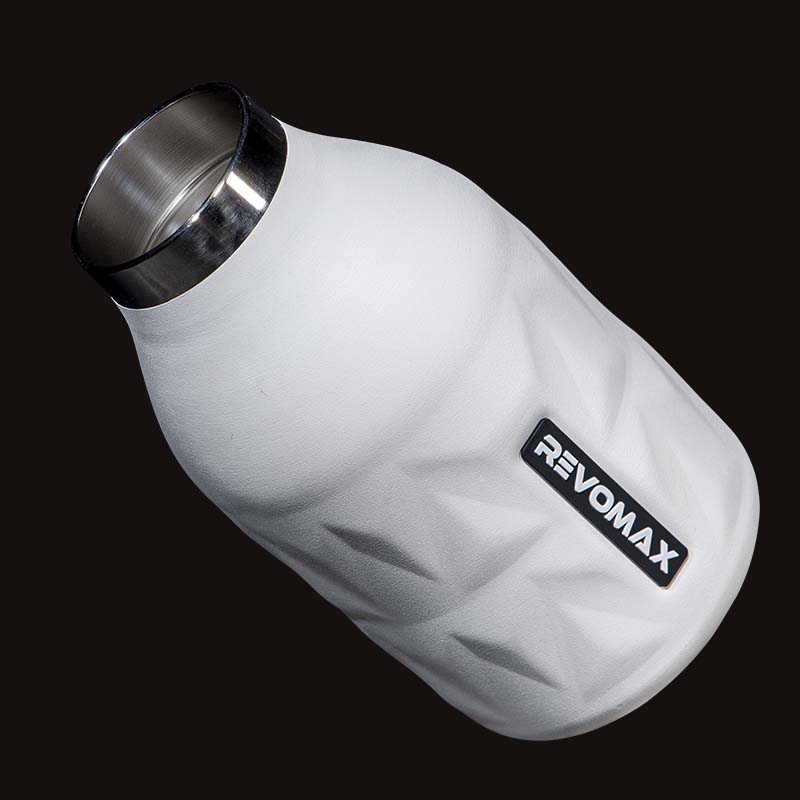
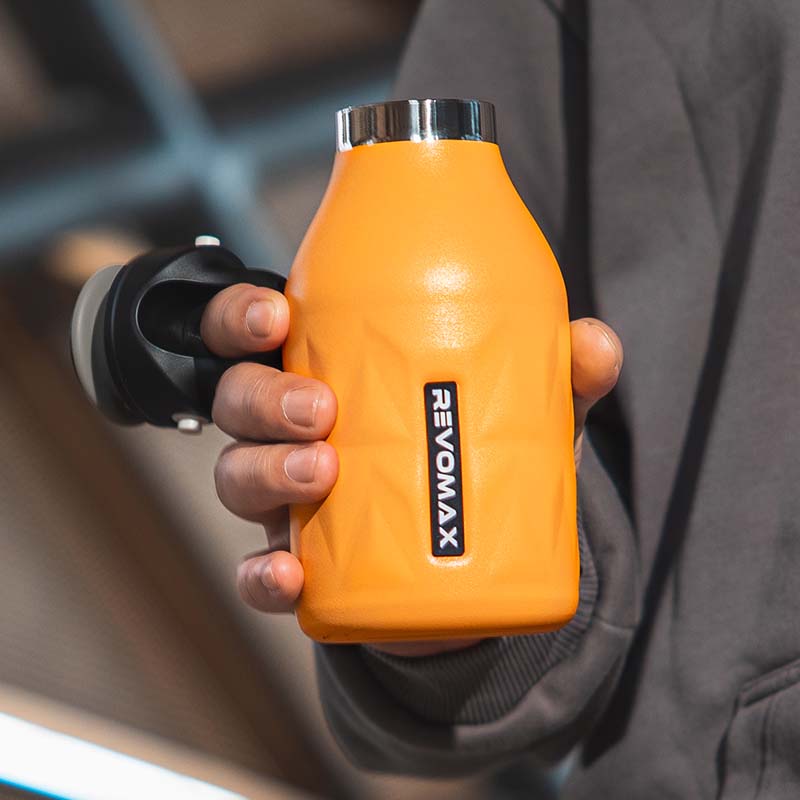
Hikesity's US$65 Revomax 20oz (592ml) bottle combines a specified 316L inner lining with a threadless opening mechanism and a 304 outer shell. That makes its published construction clear; the listing itself is not a batch-specific alloy analysis.
Revomax 20oz: 592ml capacity
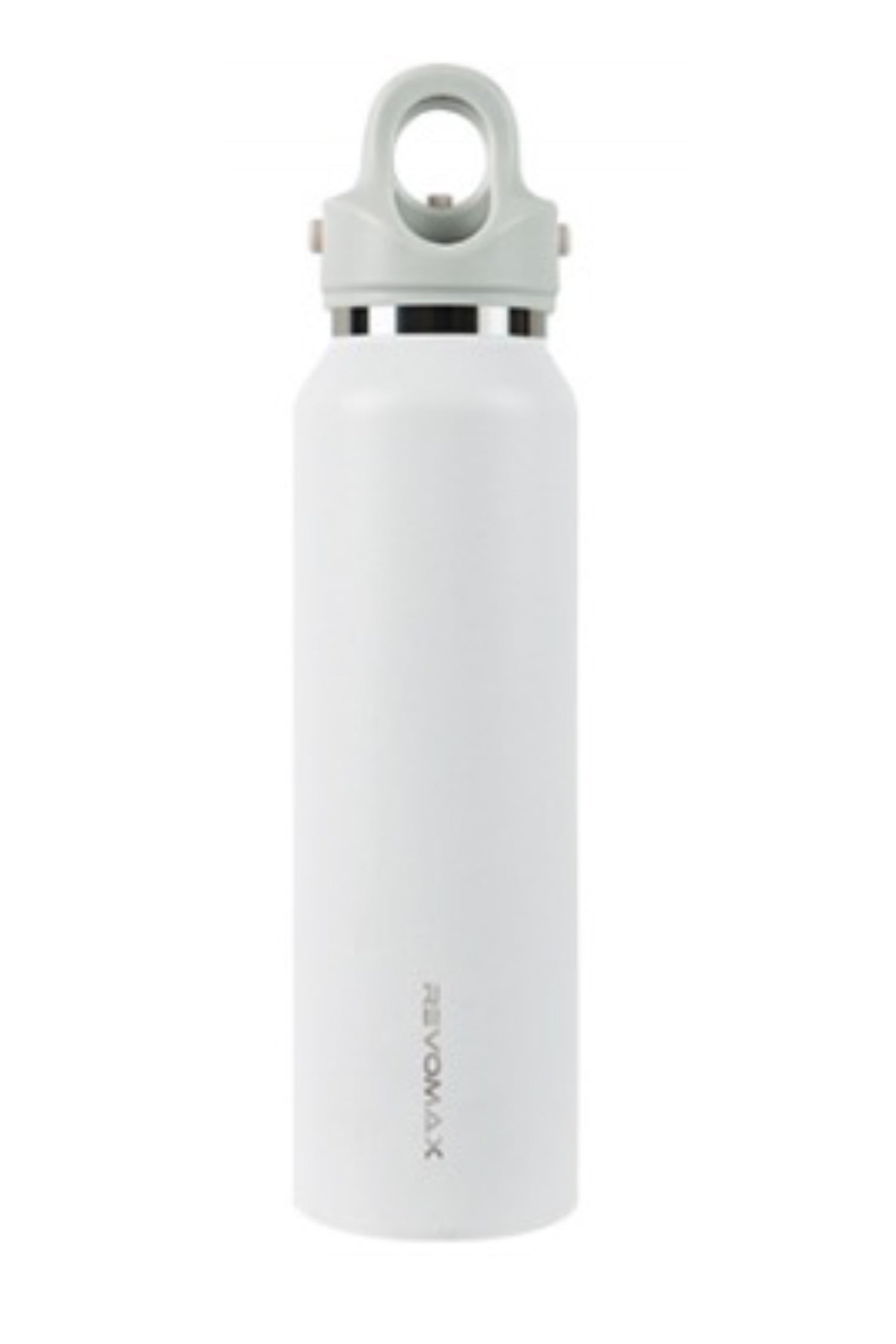
The Revomax 20oz 316L bottle has a listed capacity of 20oz / 592ml. Its specifications identify a 316L stainless steel inner lining, a 304 stainless steel outer shell and a PP-and-silicone lid. It is listed at US$65.
Revomax 32oz: 950ml capacity
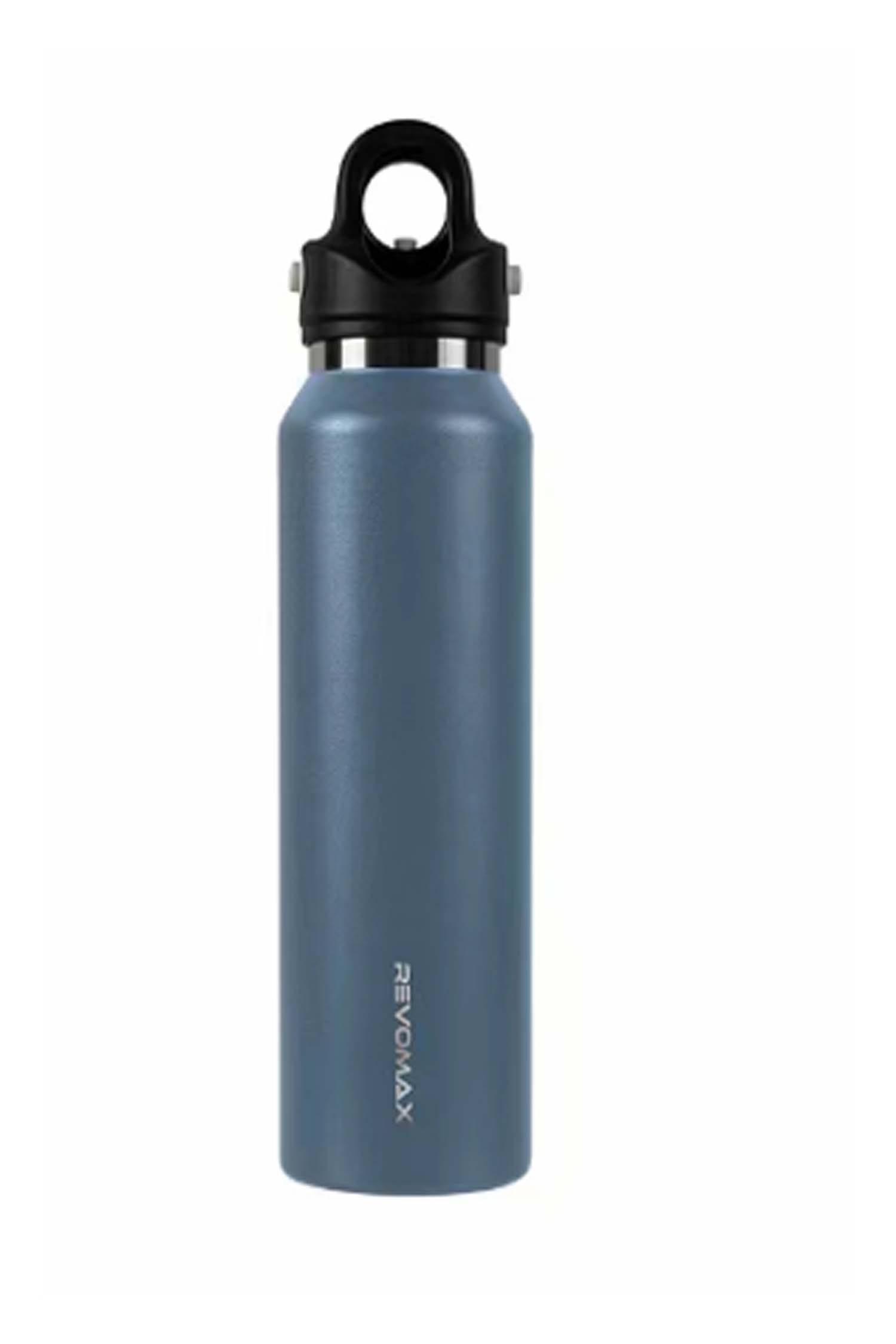
The Revomax 32oz 316L bottle has a listed capacity of 32oz / 950ml. Its specifications identify a 316L stainless steel inner lining, a 304 stainless steel outer shell and a PP-and-silicone lid. It is listed at US$75.
Revomax 16oz Mix & Match: 473ml capacity
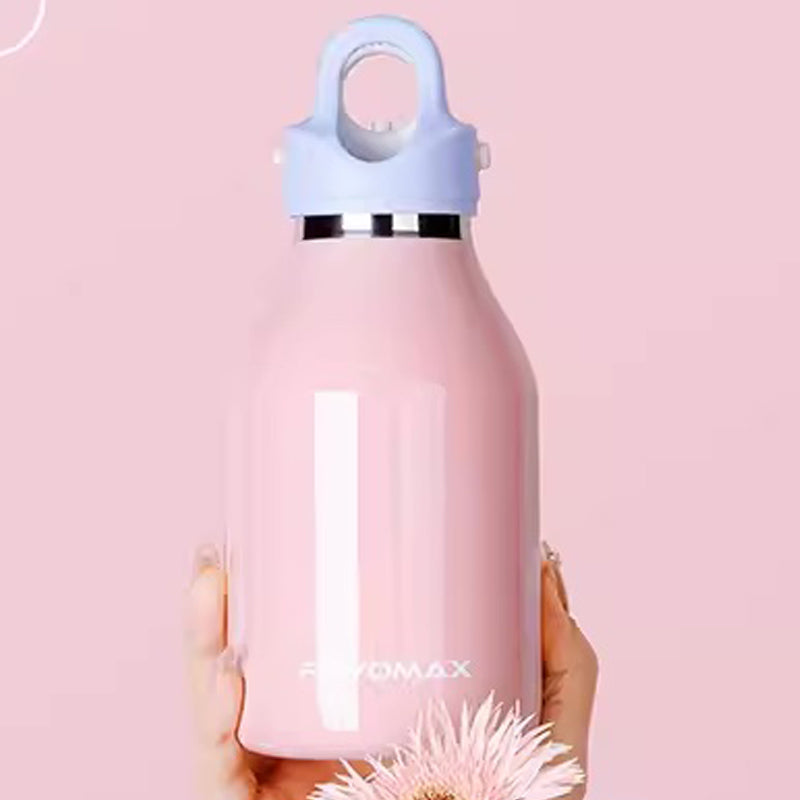
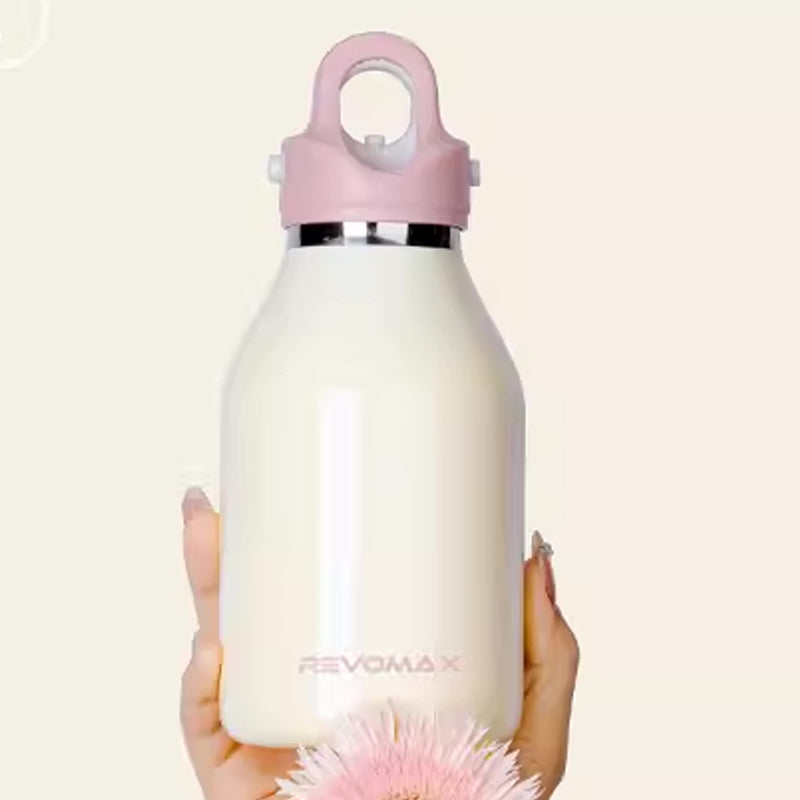
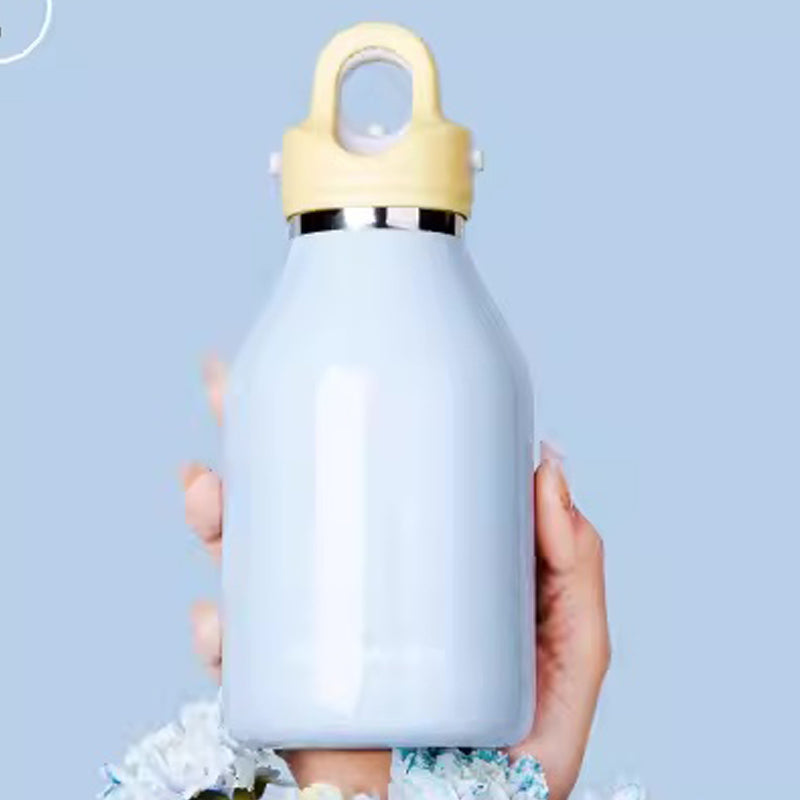
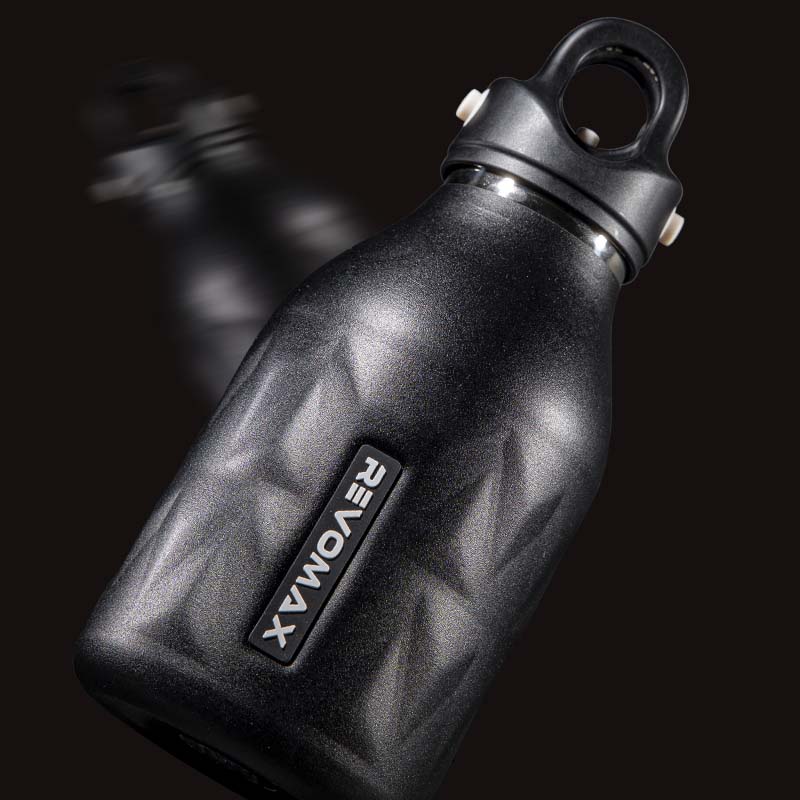
The Revomax 16oz Mix & Match bottle has a listed capacity of 16oz / 473ml. Its specifications identify a 316L stainless steel inner lining, a 304 stainless steel outer shell and a PP-and-silicone lid. This model includes a silicone boot and customizable lid, body and boot colours. It is listed at US$69.
The 20oz and 32oz specification tables list the interior as uncoated stainless steel. Prices above are in US dollars; confirm the selected currency and variant on the product page.
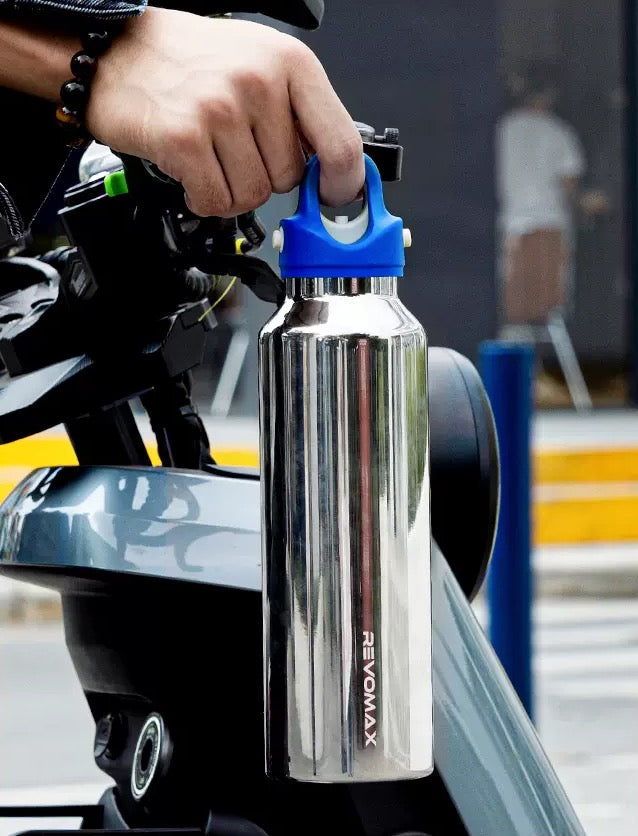
The shared threadless lid uses the original Revomax patent we proudly carry. Lid operation is a separate feature from the steel specification: neither the opening mechanism nor the product name proves alloy composition.
These online specifications do not establish the exact wording stamped on every physical bottle. If your bottle's marking differs from the listing, provide the model and a photograph of the marking when requesting clarification.
FAQ: Is SUS 316 the Same as 316? Is SUS 316 Safe for Coffee? Does Yeti Use 316?
Is SUS 316 the same as 316?
In everyday product descriptions, SUS316 refers to the Japanese counterpart of Type 316 stainless steel. For technical verification, ask which standard and edition apply because cross-standard composition limits are not necessarily identical. SUS316 also does not establish the lower carbon limit of SUS316L.
Is a SUS 316 water bottle safe for coffee?
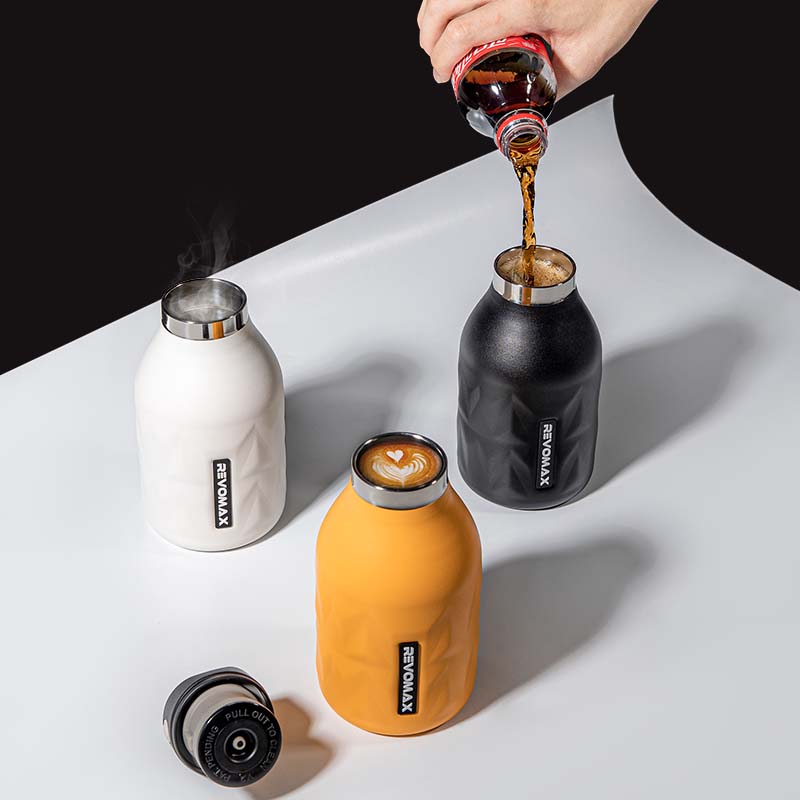
A properly manufactured 316 stainless steel bottle intended by its maker for coffee can be suitable for that use. The stamp alone cannot establish the suitability of the finished bottle, its coating or its lid for hot drinks. Hikesity's 20oz and 32oz product pages explicitly describe coffee use with their 316L interiors. Follow the model's use and care instructions.
Does Yeti use 316 stainless steel?
YETI describes its Rambler 18oz Water Bottle with Chug Cap as 18/8 STAINLESS STEEL
on its official Rambler product page. That listing does not specify 316 or 316L. This answers the question for that model; it should not be generalized to every YETI product or future release.
Does a 316L stamp prove the bottle is genuine?
No. It records a grade claim. Stronger evidence connects the specified inner-liner material to the production batch, with suitable testing where needed. Brand authenticity and alloy verification are also separate questions: a steel test alone does not authenticate a brand.
Should I reject a bottle because the outside is 304?
Not simply for that reason. A 304 exterior and a 316L interior are compatible with a clearly stated 316L inner-liner specification. The important issue is whether the construction matches the claim made for each component.
Recommended Products
- Revomax 20oz 316L stainless steel bottle: A 592ml option with a specified 316L liner and threadless lid.
- Revomax 32oz 316L stainless steel bottle: A 950ml option for shoppers who want more capacity with the same stated inner and outer steel grades.
- Revomax 16oz Mix & Match 316L bottle: A 473ml option with customizable colours and a silicone boot.
Compare to alternatives
When comparing a Hikesity-carried Revomax bottle with YETI, Hydro Flask, Stanley, RTIC or Klean Kanteen, compare the exact model's published liner material, coating, lid and capacity. Treat an unspecified material as an unanswered question rather than guessing its grade.
For a material-focused comparison, start with 316 vs 316L for drinking bottles and SUS 304 water bottle markings. Then browse the Hikesity hydration collection to compare the available Revomax models.