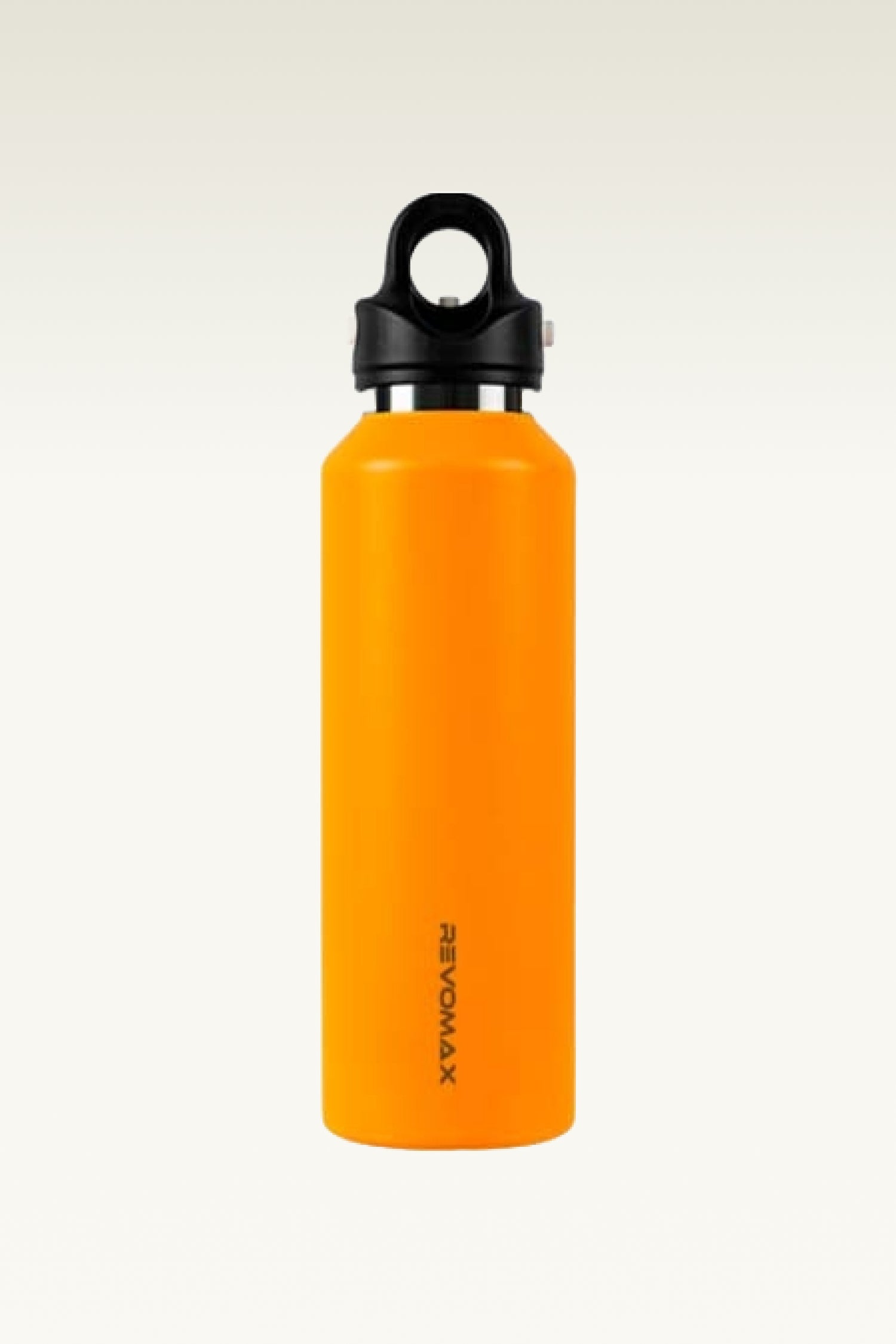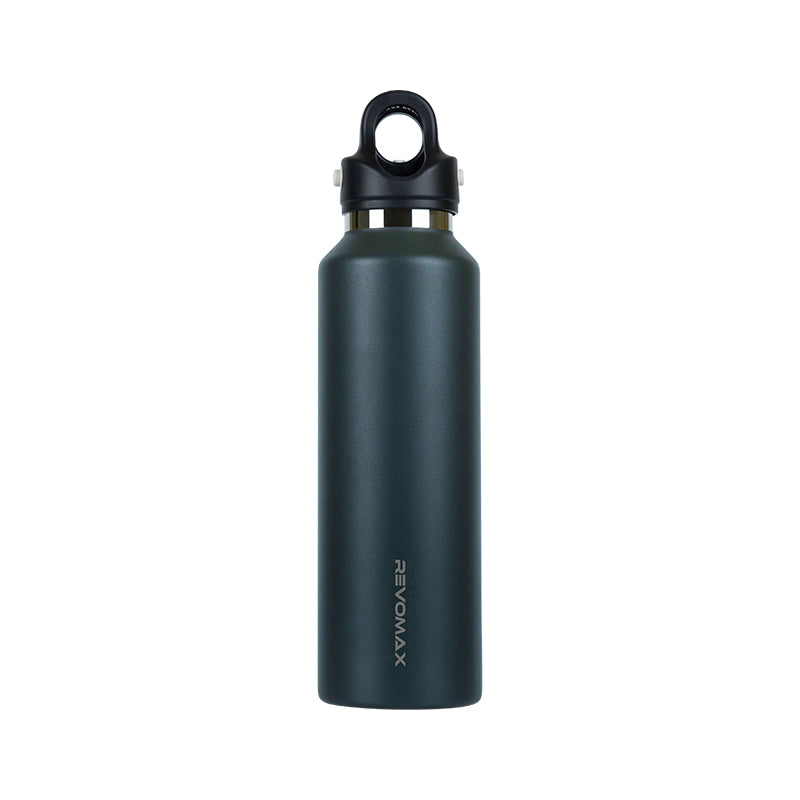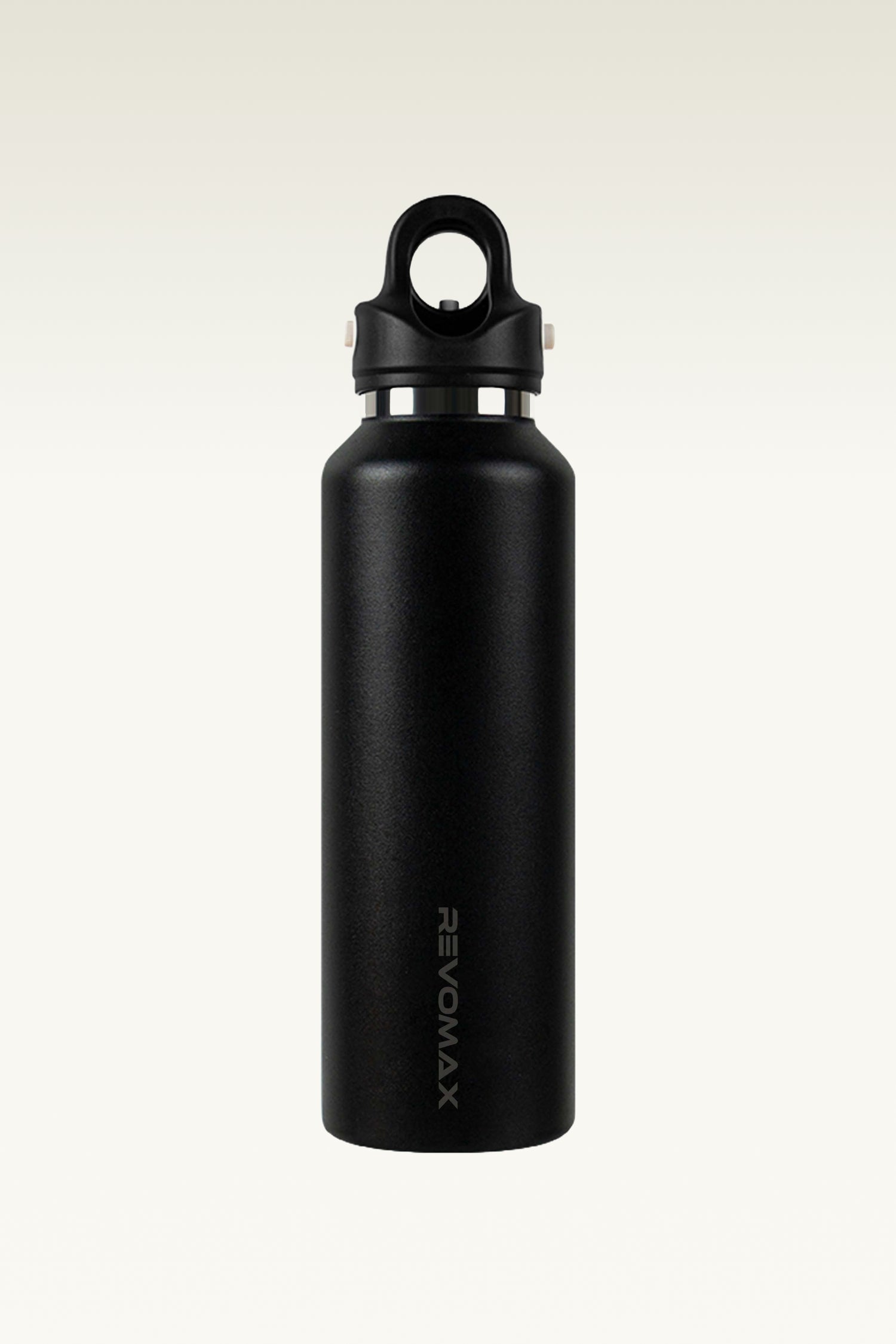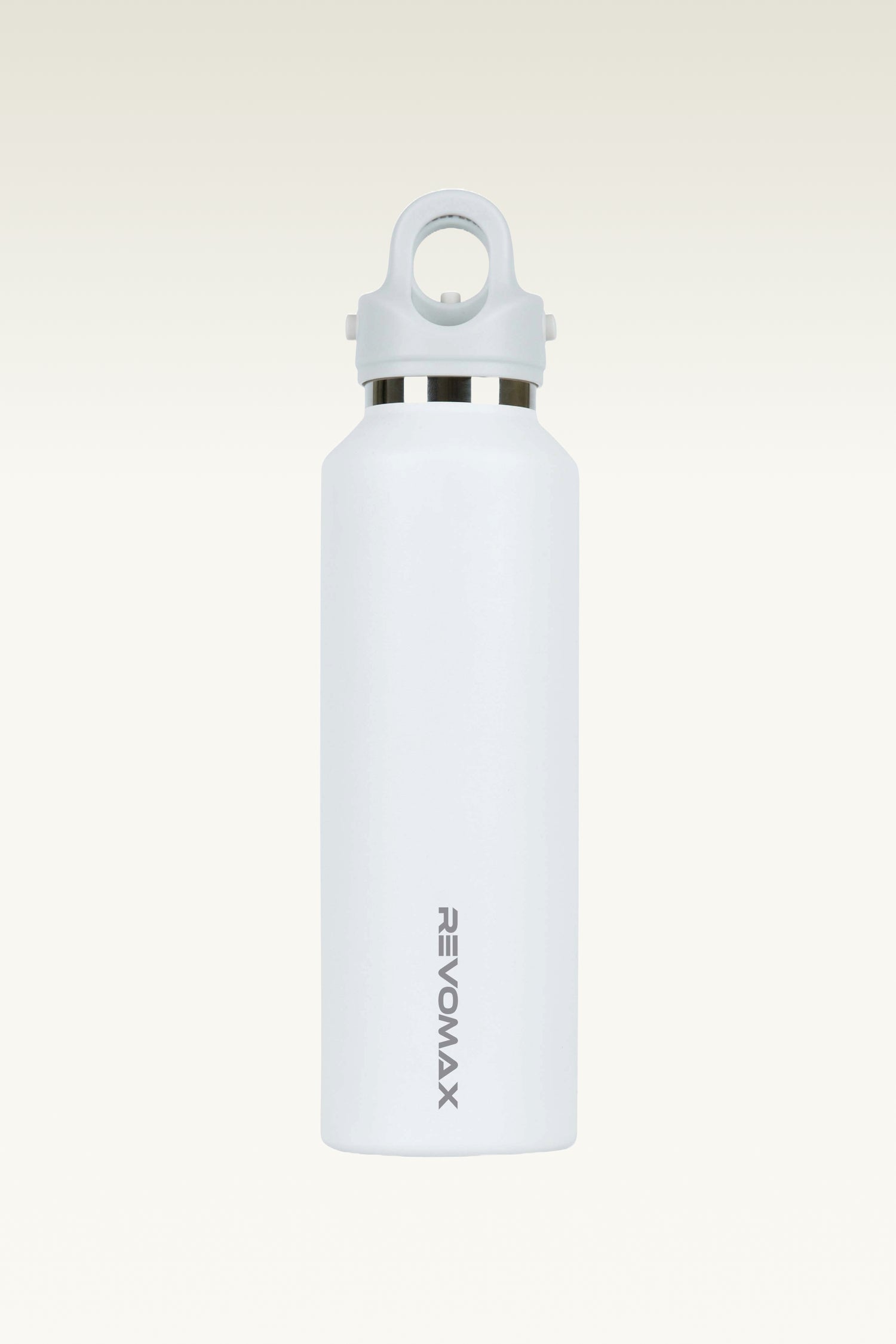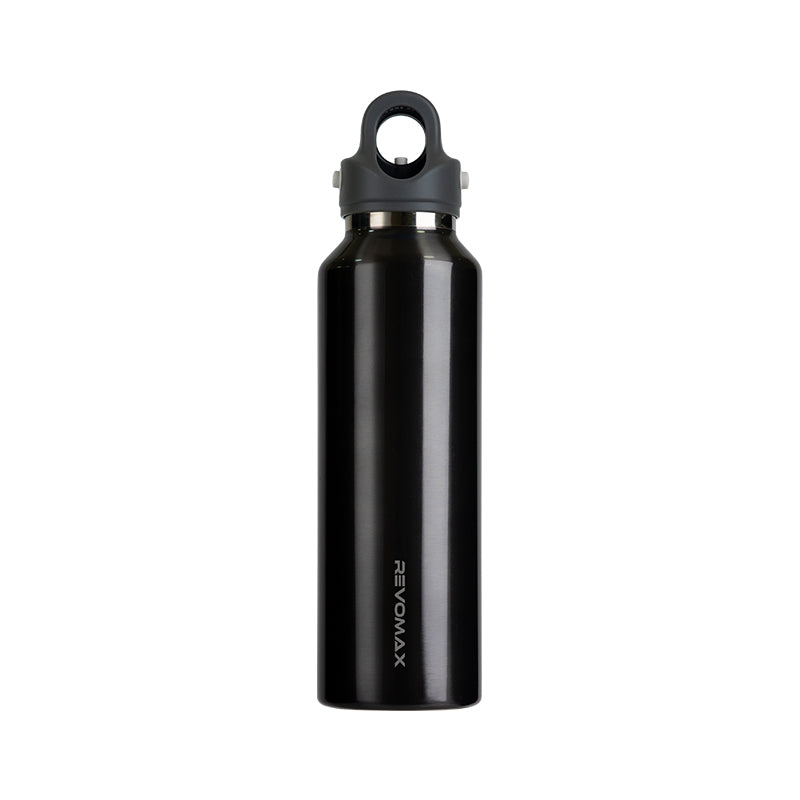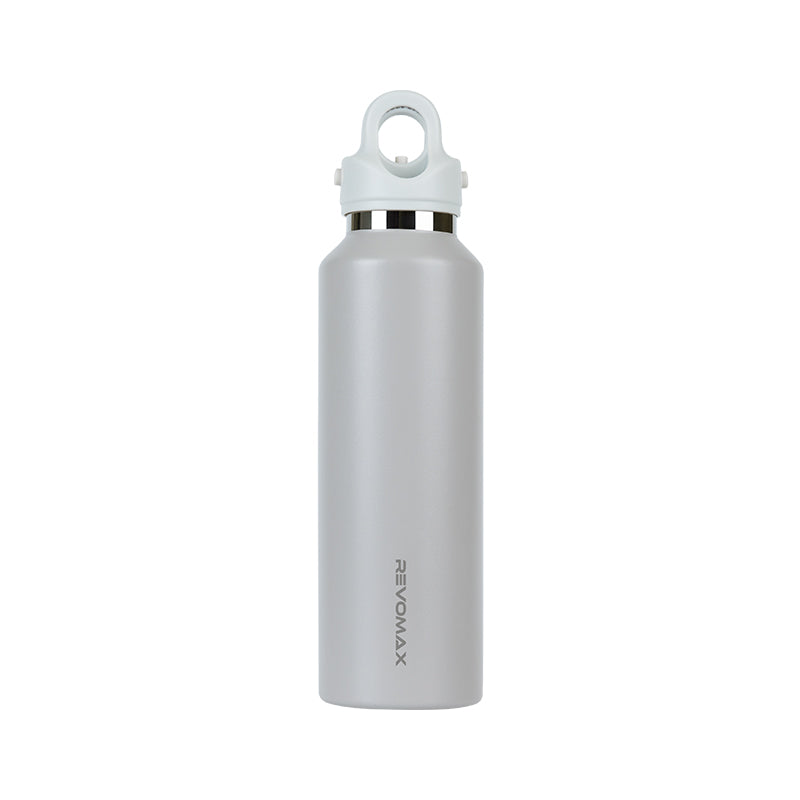

Quick answer: The best insulated water bottle for hiking in 2026 is one built around a 316L medical-grade stainless steel interior with double-wall vacuum insulation. On the trail you are drinking electrolyte mixes, citrus water, and sports drinks for hours in the heat — all chloride-rich and acidic. A 316L interior resists the chloride pitting that standard 304 steel cannot, so your water stays cold for up to 36 hours with zero metallic taste, even after a full day of sweat, sun, and refills. For all-day hikes, the Hikesity 32oz 316L carries the most water; for shorter day hikes, the 20oz 316L is the lighter all-rounder.

Most "best hiking water bottle" guides rank bottles on insulation and weight alone and stop there. They miss the one variable that actually ruins trail hydration: what the bottle is made of on the inside. After eight hours of electrolyte tablets, lemon water, and sweat-warmed refills, a cheap interior starts giving your water a faint metallic edge — and over a season, tiny pitting spots appear. This guide explains what to look for in a hiking bottle, why the 316L medical-grade interior is the deciding spec, and which Hikesity bottle fits your kind of hike.
What actually makes a water bottle good for hiking
Six things matter on the trail. In rough order of importance:
- Taste purity with real trail drinks. You rarely drink plain water on a long hike — you drink electrolytes, citrus, and sports mixes. These are acidic and chloride-rich, exactly the conditions that make a lesser steel leach a metallic flavour.
- Insulation. Cold water at hour seven is a morale machine. Double-wall vacuum insulation is non-negotiable for summer hiking.
- Capacity. A common rule of thumb is roughly half a litre of water per hour of moderate hiking, so a day hike often means 2–3 litres total. Bottle size should match your trail length and refill options.
- Weight. Every gram rides on your back. This is where the steel-versus-titanium choice comes in.
- Durability. A hiking bottle gets dropped on granite, stuffed in a pack, and clipped to a hip belt. The interior should not flake or corrode, and the body should take knocks.
- One-handed, leakproof lid. You want to drink without stopping or removing your pack, and you never want a slow leak soaking your sleeping bag.
Why 316L wins on the trail
Here is the part other guides skip. Most insulated bottles — including the big premium names — use 304 (18/8) food-grade steel on the inside. 304 relies only on a chromium oxide layer for protection. Under attack from chloride (electrolyte drinks, sports mixes, sweat residue) and acid (citrus, cold brew), that layer can break down at microscopic points, creating pitting corrosion — the source of off-flavours and the tiny rust-like specks you sometimes see inside an older flask.
316L medical-grade stainless steel adds 2–3% molybdenum to the recipe. That small amount of molybdenum dramatically raises the threshold before chloride pitting begins — which is exactly why 316L is the alloy specified for surgical implants under ISO 5832-1, and why it shrugs off a summer of electrolyte drinks. If you want the full engineering breakdown, read our pillar guide What Is 316L Medical-Grade Stainless Steel? and the head-to-head Why 316L Beats 304.
| On a long hike, with… | 316L medical-grade (Hikesity) | 304 food-grade (typical bottles) |
|---|---|---|
| Electrolyte / sports drinks | Handles chloride well, no taste transfer | Chloride is its weak point |
| Citrus or lemon water | Resists acid-driven pitting | More prone to surface pitting over time |
| All-day warm refills | Stays taste-neutral | Can pick up a faint metallic edge |
| Long-term lining wear | Bare 316L steel, nothing to flake | Lower corrosion margin |
How much capacity do you need? 32oz vs 20oz vs 16oz
Match the bottle to the hike:
- All-day hikes and summer trails — 32oz (950ml). The 32oz 316L holds the most and is our top all-day hiking pick. One fill covers roughly two hours of moderate hiking; pair it with a refill plan for a full day. Note its wider 95mm base does not fit standard car cup holders — fine on the trail, just something to know for the drive to the trailhead.
- Day hikes and the everyday all-rounder — 20oz (592ml). The 20oz 316L weighs about 360g empty, holds 36 hours of cold, and its 75mm base fits most mid-size and SUV cup holders (tight in compact sedans). The best choice if one bottle has to do trail, gym, and commute.
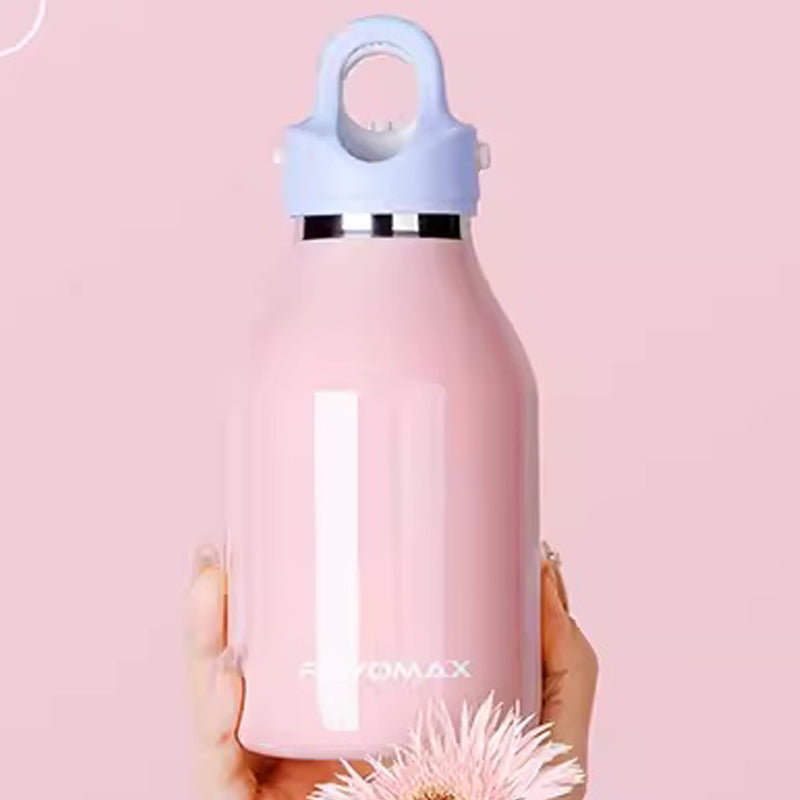
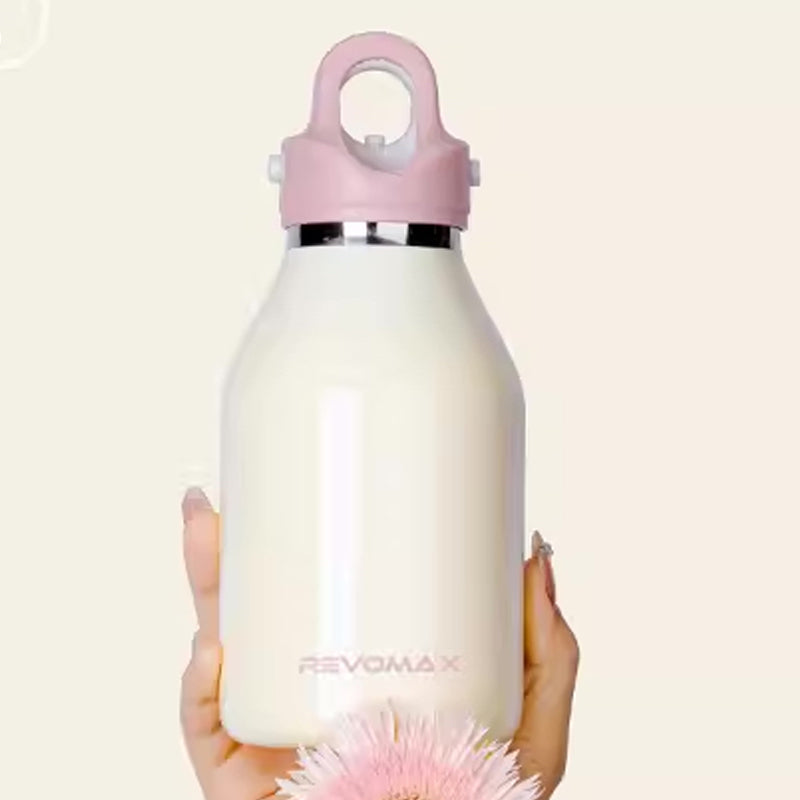
- Short trails, kids, and ultralight day packs — 16oz. The compact 16oz Mix & Match is easy to clip on, personalisable, and its narrower body fits standard cup holders.
Browse the full lineup in the Hikesity 316L Medical-Grade Hydration Collection.
Weight on your back: steel or titanium?
For weight-conscious backpackers and thru-hikers, pure titanium is the lightest option — roughly half the weight of steel. The Premium Titanium 20oz is the pick when every gram counts.
But here is the honest trade-off most marketing gets wrong: commercially pure titanium (TA1, Grade 1) is actually softer than 304/316L stainless steel on the hardness scale. That means a titanium bottle dents and scratches more easily and is not "drop-proof." If your hiking involves scrambling, clipping to the outside of a pack, or general knock-around abuse, 316L steel is the tougher everyday choice. Choose titanium for minimum weight on careful, weight-critical trips; choose 316L for durability and value. Either way, both are completely taste-neutral. The full comparison is in Titanium vs. 316L vs. 304.
Insulation, lid, and leakproofing for the trail
Every Hikesity hydration bottle uses double-wall vacuum insulation that keeps drinks cold for up to 36 hours and hot for up to 18 hours — so the cold water you packed at dawn is still cold at the summit. The patented no-screw flash-release lid opens one-handed in about a second with no twisting, which matters when you are drinking on the move with poles in your other hand. It seals airtight against leaks in your pack, and because there are no threads, there is no helical groove for trail grime or bacteria to hide in — the lid disassembles for a full clean. Read more in No-Screw vs Screw-Top Lid.
How Hikesity tests for trail conditions (our lab data)
Specs only matter if the finished bottle holds up. Original data from the Hikesity R&D lab, with the methods:
- Salt-spray corrosion (modified ISO 9227 neutral salt spray): Hikesity 316L interior coupons showed no visible pitting after 720 hours of continuous salt-fog exposure; matched 304 coupons showed first pitting between 240–360 hours under the same protocol.
- Chloride immersion (citrus + electrolyte simulant, 30-day cycle): after thirty days alternating an acidic citrus solution and a high-chloride electrolyte simulant, the 316L surface showed no measurable pitting under 10× inspection — a direct stand-in for a season of trail sports drinks.
- Lid durability: the flash-release no-screw mechanism passed 50,000 open–close cycles without seal failure.
This is why we back the Hikesity 316L medical-grade hydration line with a lifetime warranty.
How Hikesity compares to other premium bottles for hiking
Hydro Flask, Yeti, and Stanley all make good, well-insulated bottles — the difference for hiking is the interior alloy and the lid:
- vs Hydro Flask: Hikesity uses a 316L medical-grade interior (with molybdenum) versus Hydro Flask's 304, plus a one-handed no-screw lid instead of a screw cap — useful when you are drinking with trekking poles in hand.
- vs Yeti: the same 316L-versus-304 interior advantage for taste purity with electrolyte and citrus drinks, in a lighter everyday form factor.
- vs Stanley: Hikesity's threadless lid opens one-handed in about a second and disassembles for mold-free cleaning, versus a threaded cap with grooves.
For hiking specifically — where you live on sports drinks and need pure-tasting water hour after hour — the molybdenum in Hikesity's 316L is the spec that wins.
Recommended Hikesity bottles for hiking by scenario
- Best for all-day hikes: 32oz 316L No-Screw Bottle — maximum 950ml capacity, 36h cold.
- Best all-rounder for day hikes: 20oz 316L No-Screw Bottle — 592ml, ~360g, fits most cup holders.
- Best lightweight / for kids: 16oz Mix & Match — compact and personalisable.
- Best ultralight for backpacking: Premium Titanium 20oz — about half the weight of steel (handle with care; titanium is softer and dents more easily).
Frequently asked questions
What is the best insulated water bottle for hiking in 2026?
The best hiking water bottle has a 316L medical-grade stainless steel interior with double-wall vacuum insulation. 316L resists the chloride pitting caused by electrolyte and sports drinks, so water stays cold for up to 36 hours with no metallic taste. For all-day hikes the Hikesity 32oz 316L carries the most water; for day hikes the 20oz 316L is the lighter all-rounder.
How much water should I carry on a day hike?
A common guideline is roughly half a litre per hour of moderate hiking, so a typical day hike means 2–3 litres total. A 32oz (950ml) bottle covers about two hours per fill, so plan refills or carry more for longer routes and hot weather.
Does insulation really matter for hiking?
Yes. Double-wall vacuum insulation keeps water cold through a full day in the sun, which makes a real difference to morale and hydration on long summer hikes. Hikesity bottles hold cold for up to 36 hours and hot for up to 18 hours.
Is 316L better than 304 for sports and electrolyte drinks?
For trail drinks, yes. Electrolyte and sports mixes are chloride-rich, and 304 steel has no added molybdenum to resist chloride pitting. 316L's 2–3% molybdenum prevents that corrosion, so it does not transfer a metallic taste even after a full day of electrolyte refills.
Is a titanium bottle good for backpacking?
Titanium is excellent when weight is the priority — it is about half the weight of steel and fully taste-neutral. The trade-off is that pure titanium is softer than steel, so it dents and scratches more easily and is not drop-proof. For rugged, knock-around hiking, 316L steel is the tougher choice.
How do I keep water cold all day while hiking?
Start with a vacuum-insulated 316L bottle, pre-chill it, and fill with cold water or add ice. With up to 36 hours of cold retention, a Hikesity bottle will keep water cold from trailhead to summit even in summer heat.
Will an insulated bottle leak inside my backpack?
Hikesity's no-screw flash-release lid seals airtight and is built to stay leakproof in a pack — it passed 50,000 open–close cycles in testing. Because it is threadless, it also opens one-handed and disassembles for a full clean after muddy trails.
Related reading from the Hikesity Editorial Team
- What Is 316L Medical-Grade Stainless Steel? A Water Bottle Buyer's Guide (2026)
- Why 316L Beats 304: Engineering & Health Trade-offs (2026)
- The Ultimate Showdown: Titanium vs. 316L vs. 304
- No-Screw vs Screw-Top Lid: Why Twist-Free Is Taking Over
- Best Water Bottle for Coffee 2026: Why Threadless 316L Wins