

The Short Answer: SUS 304 Is Good for Water
A SUS 304 bottle is not bad. 304 is food-grade stainless steel, the same grade used in kitchen appliances, and it is fine for plain water. We sell 316L-lined bottles at Hikesity, but many articles asking "is 304 bad?" are written to push an upgrade, and we would rather give you a straight answer first.
Here is something worth knowing: Hikesity's own bottles use 304 food-grade steel for the outer wall. Only the inner lining, the part that actually touches your drink, is 316L. If 304 were a poor material, we would not build the outside of our bottles from it.
That said, 304 does have limits. Acidic drinks, coffee, salt and long-term flavor are where it falls behind, and those limits are the reason 316L exists. The rest of this article explains where that line sits, so you can decide whether your current bottle is enough.

What 'SUS 304' on Your Bottle Actually Means
SUS is a label prefix many manufacturers use for stainless steel grades. So "SUS 304", "304 stainless steel" and "304 food-grade steel" all refer to the same material. If your bottle says SUS 304 on the base, it is a standard 304 stainless steel water bottle.
The key difference between 304 and 316L comes down to one element:
| Property | 304 (SUS 304) | 316L |
|---|---|---|
| Grade | Food-grade | Medical-grade |
| Molybdenum content | 0% | 2–3% |
| Acid resistance | Moderate | Excellent |
| Common use | Kitchen appliances | Surgical implants, marine equipment |
Molybdenum is the element behind 316L's added corrosion resistance. That is why 316L shows up in surgical implants and marine equipment, while 304 is the everyday workhorse of kitchens.
We won't repeat the full engineering breakdown here; our separate article Why 316L Beats 304 in Your Water Bottle: The Engineering & Health Trade-offs covers it in depth. If you want a plain-language primer on the alloy itself, read what 316L medical-grade stainless steel is and why it is used in water bottles.
Where a 304 Bottle Does the Job Well
For a lot of people, a 304 bottle is all they need. Here is where it performs well:
- Plain water, every day. 304 is food-grade and suited to exactly this use. If you only drink water from your bottle and it works, there is no need to replace it.
- Outer walls and body shells. Where the steel never touches your drink, 304 is a sensible choice. That is why Hikesity uses 304 for the outside of its bottles.
- Keeping drinks hot or cold. Insulation comes from double-wall vacuum construction, not from the steel grade. A well-built 304 vacuum bottle is not a worse insulator simply because it is 304.
When 316L Is Worth It
None of the situations below mean 304 is unsafe. They are specific drinks and conditions where 316L's extra corrosion resistance makes a noticeable difference.
Acidic drinks: coffee, lemon water and sports drinks
304 has moderate acid resistance; 316L has excellent acid resistance. This is where many 304 owners first notice a problem: a metallic taste is possible when acidic drinks sit in a 304 interior. A 316L lining is designed to keep coffee, tea and lemon water tasting the way they should, with zero metallic aftertaste. Hikesity's 32oz no-screw bottle was built with daily coffee and sports drinks in mind.

Carbonated drinks: soda, sparkling water and kombucha
Fizzy drinks are acidic too. A 316L interior resists that acidity, and on Hikesity no-screw bottles a built-in pressure-release valve vents excess CO₂, so soda, sparkling water, kombucha or beer stays fizzy without spraying when you open it. Most sealed screw caps trap that pressure instead, which is why many insulated bottles tell you to skip carbonated drinks altogether. Our guide to putting soda or beer in an insulated bottle and how the pressure-release valve works explains the details.
Salt and harsh conditions
The molybdenum in 316L is the reason it is used in marine environments, where corrosion resistance matters most. If your bottle regularly faces salt or tough conditions, 316L is the more resilient choice.
Long use and flavor transfer
316L resists rust, corrosion and flavor transfer better than standard 304. That matters most if one bottle switches between coffee in the morning, tea in the afternoon and water in between, year after year. The less the steel holds onto yesterday's drink, the cleaner today's tastes.
Already Own a SUS 304 Bottle? What to Do
- Keep using it for water. There is no reason to throw out a bottle that works.
- Watch for a metallic taste. If coffee or acidic drinks taste metallic in it, that matches the known limit of 304. Reserve that bottle for water and use a 316L-lined one for those drinks.
- Check what touches the drink. Many bottles combine grades, so the grade of the inner lining is the one that matters. A bottle marked "304 outer, 316L inner" does not have a 304 drinking surface.
- Keep the lid clean. Whatever the steel, lids are where residue hides. Hikesity lids disassemble fully, so there are no hidden spots for bacteria to grow.
If You Upgrade: Hikesity's 316L-Lined Options
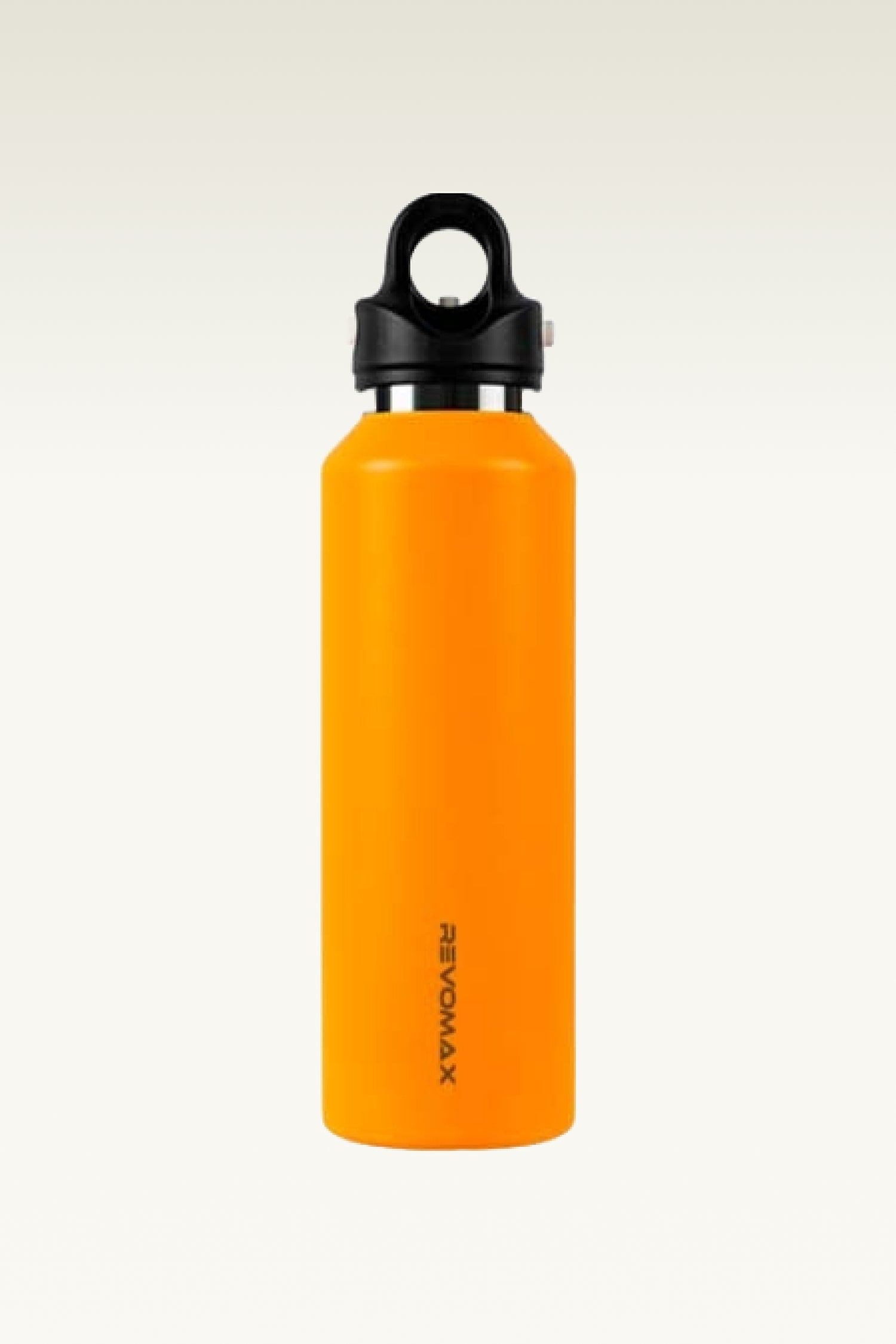
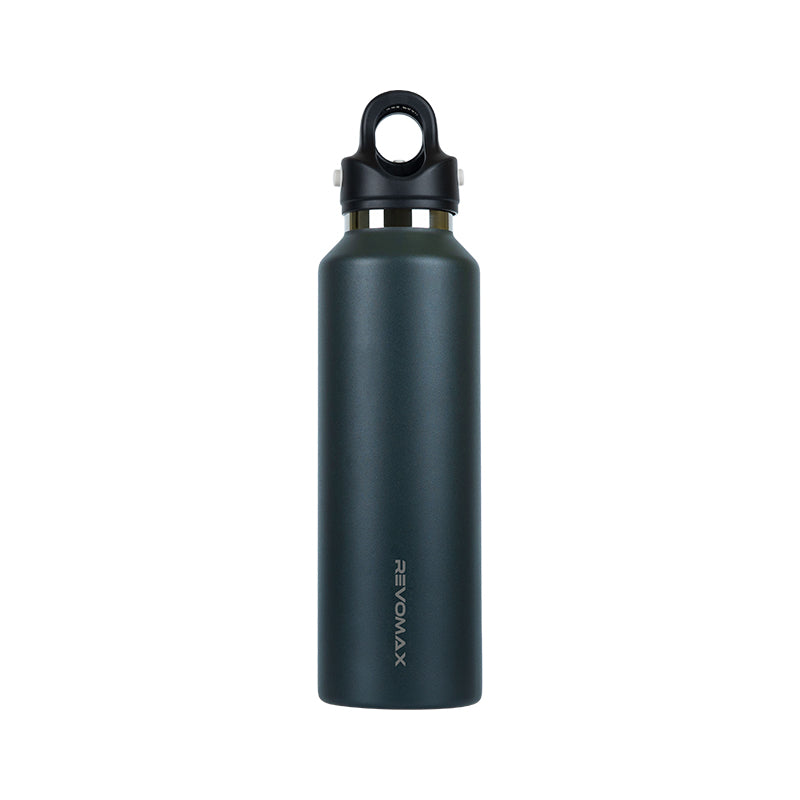
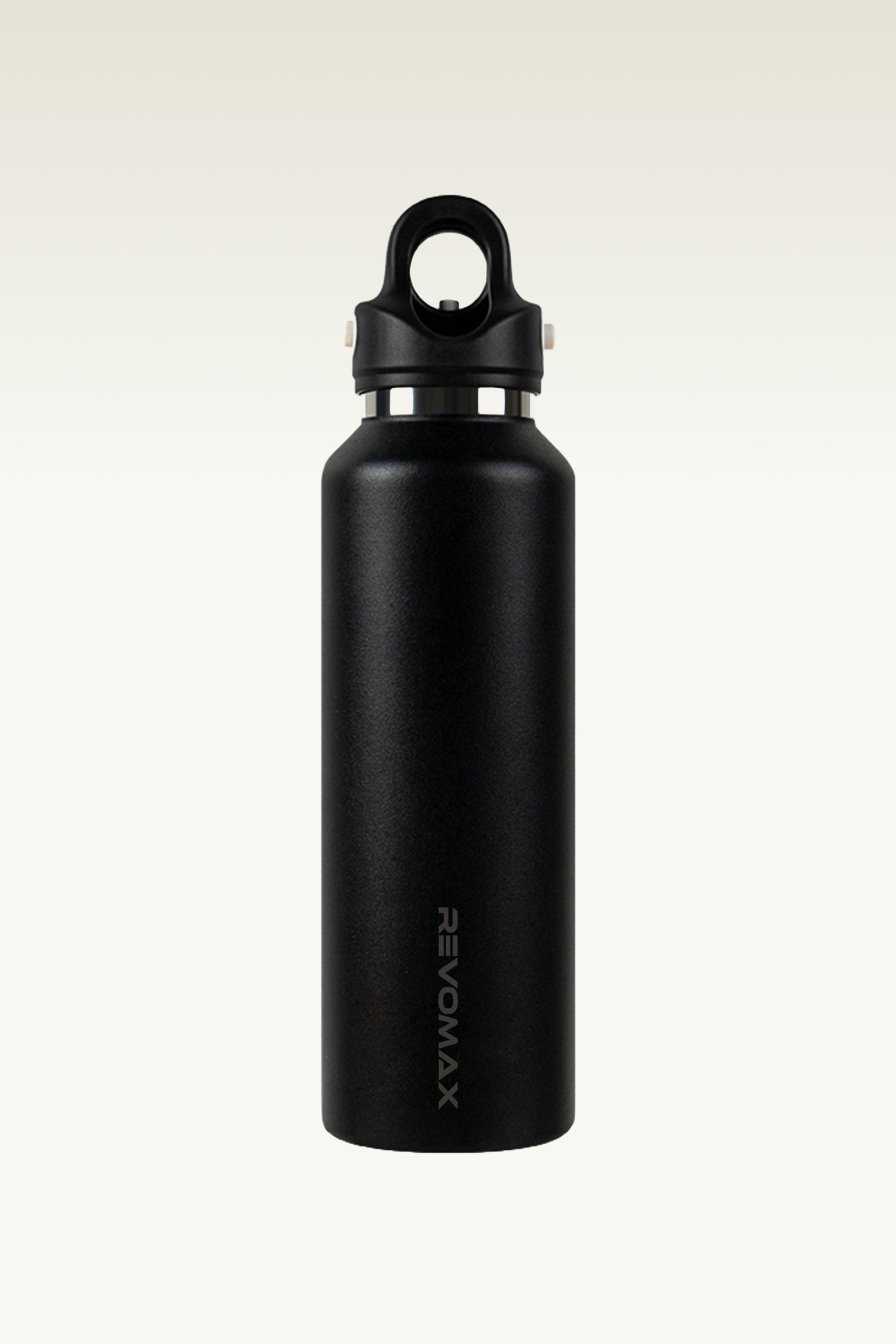
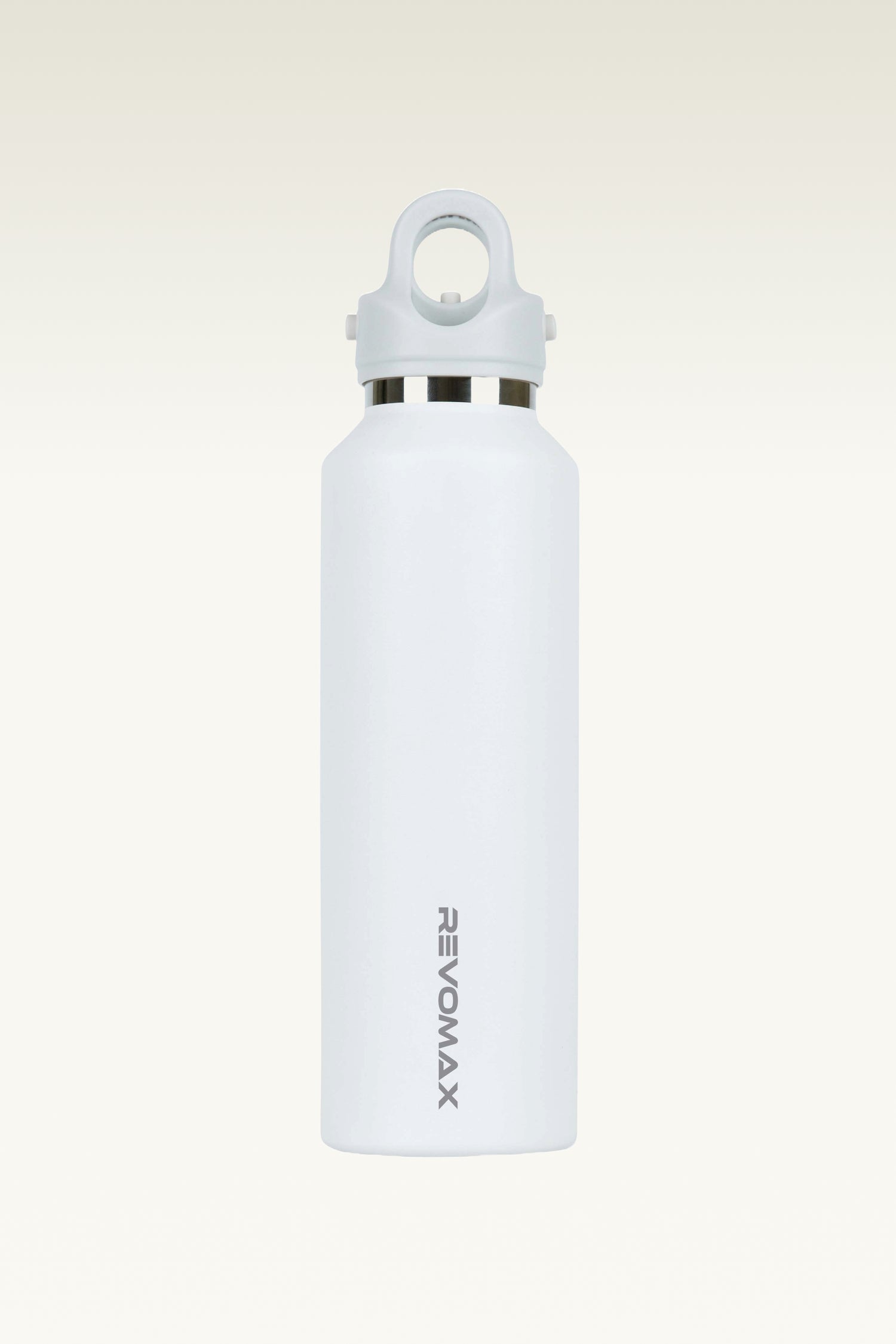
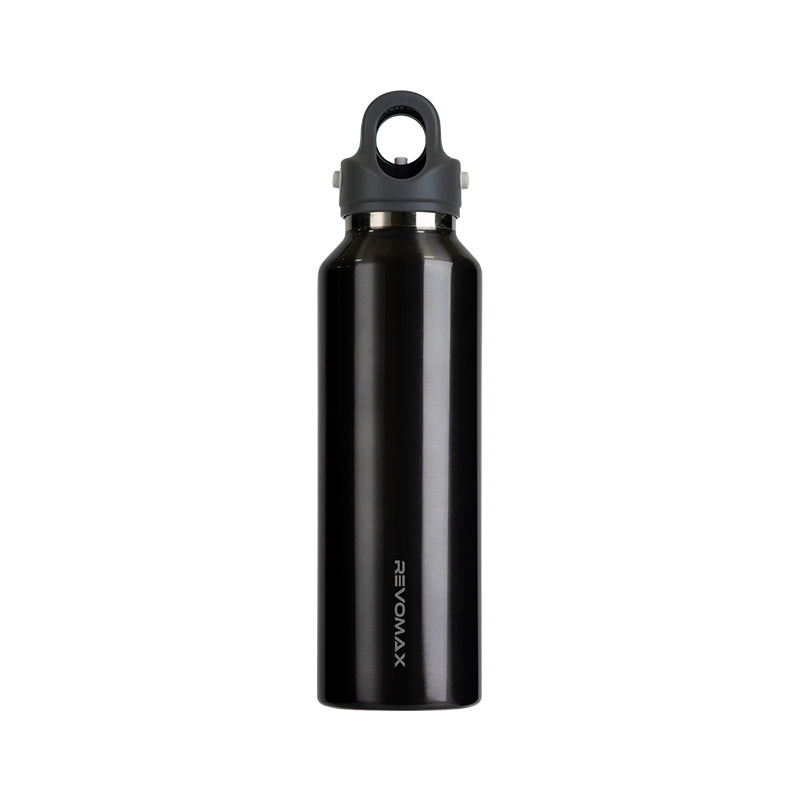
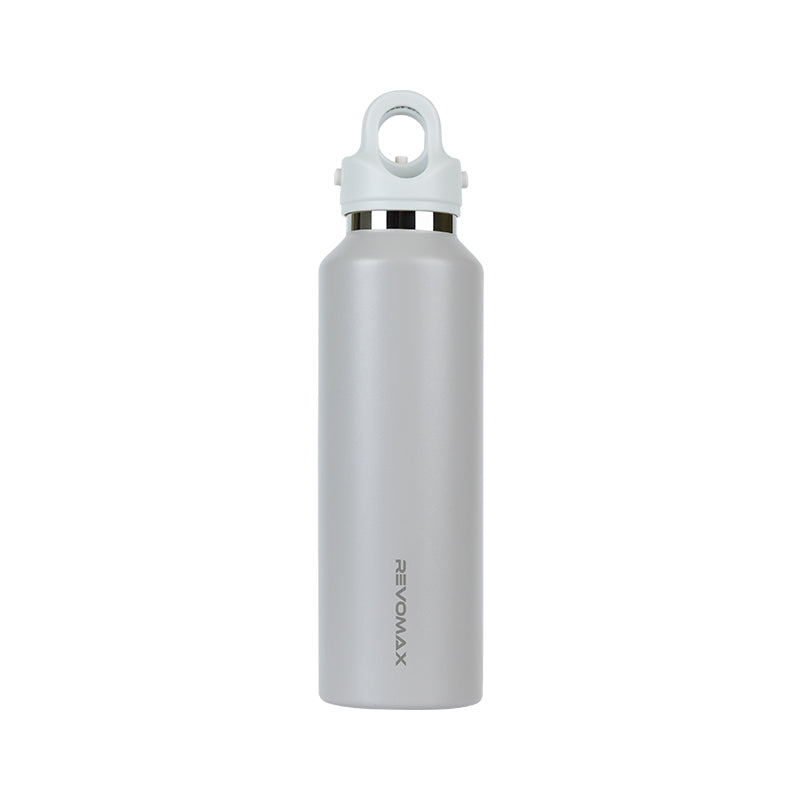
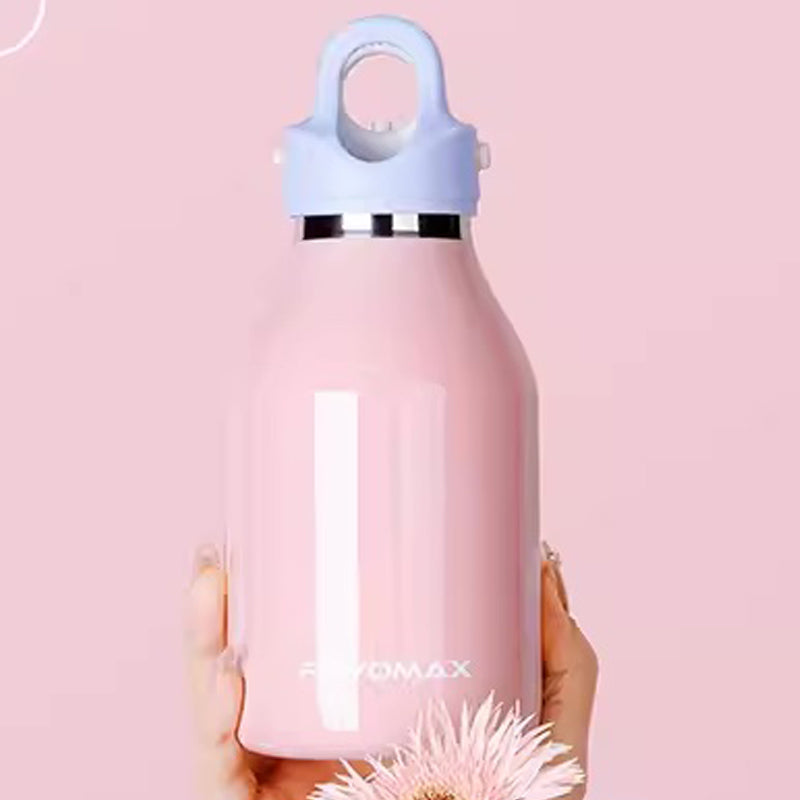
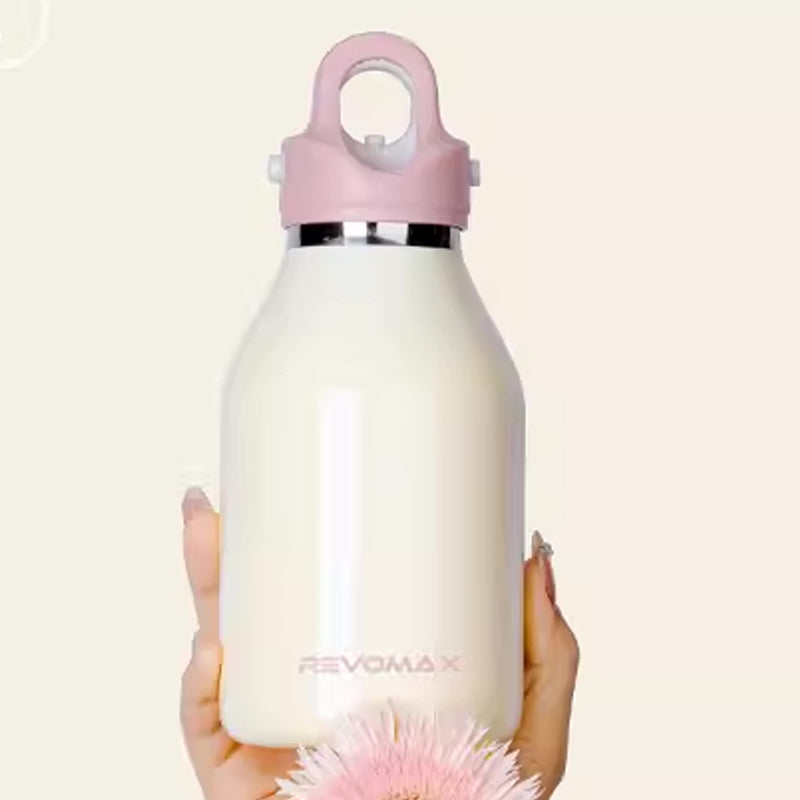
Every Hikesity bottle below pairs a 316L inner lining with a 304 outer shell. Each keeps drinks cold for 36 hours or hot for 18 hours, and all are BPA-free. You can see the full range in our 316L stainless steel water bottle collection.
No-screw bottles
Our no-screw bottles have a threadless lid you can open, drink from and lock with one hand in under two seconds, plus a pressure-release valve for carbonated drinks. They come in 16oz, 20oz and 32oz sizes. The 20oz is a good everyday size, while the 16oz Happy City bottle is a compact pick for a bag or desk. If you want to choose every color yourself, the 16oz By You edition with 576 color combinations lets you mix the lid, body and silicone boot.

Straw bottles
If you prefer sipping through a straw, the straw bottles come in 20oz and 32oz. They are 100% leak-proof, have a built-in straw, and the lid comes apart easily for cleaning. The 20oz is a good start if you want something gym-bag sized.

And if your SUS 304 bottle is still doing its job for water, keep it. A 316L bottle is the right tool for coffee, acidic and fizzy drinks; it is not a reason to retire a perfectly good water bottle.
Frequently Asked Questions
Is a SUS 304 bottle good or bad for drinking water?
It is good. SUS 304 is food-grade stainless steel, the same grade used in kitchen appliances, and it is fine for plain water.
Is SUS 304 the same as 304 stainless steel?
Yes. SUS is a label prefix many manufacturers use for stainless steel grades, so SUS 304 and 304 stainless steel refer to the same food-grade steel.
Can I put coffee in a 304 stainless steel water bottle?
You can, but 304 has only moderate acid resistance, so a metallic taste is possible with coffee and other acidic drinks. A 316L-lined bottle is the better choice if you drink coffee regularly.
Why does my 304 bottle taste metallic with lemon water or coffee?
Lemon water and coffee are acidic, and 304 contains no molybdenum, so it resists acidity less well than 316L. A metallic taste with acidic drinks is a known limit of 304.
What is the difference between 304 and 316L in a water bottle?
316L contains 2–3% molybdenum while 304 contains none, which gives 316L excellent acid and corrosion resistance and better resistance to flavor transfer. 304 is common in kitchen appliances; 316L is used in surgical implants and marine equipment.
Should I replace my SUS 304 water bottle?
Not if you use it for water and it works. Consider a 316L-lined bottle for coffee, acidic or carbonated drinks, or if you notice a metallic taste.
Do Hikesity bottles use any 304 steel?
Yes. Hikesity bottles use 304 food-grade steel for the outer wall and 316L for the inner lining that touches your drink.